
SB-721 Exemption Letter in the College Area, San Diego
The College Area runs on student-housing math. A 1957 ranch house two blocks off Montezuma Road sleeps five SDSU undergrads; an eight-unit stucco box near College Avenue turns over every June; a 2000s condo conversion off Collwood mixes owners and renters. All three receive the same balcony-law mailers — and for many 92115 parcels, the statute cited never attaches.
Our SB-721 exemption letter settles that on paper: a signed determination explaining, with measurements and photographs, which statutory requirement the building fails, so your file, lender, and the City hold one documented answer. It records a genuine exemption where one exists; it cannot manufacture one, and you'll hear it straight when your building is covered.
Call (619) 752-4399 Schedule an Inspection
What does the SB-721 applicability determination include?
Health and Safety Code section 17973 only governs a building that satisfies every condition at once: at least three dwelling units; apartment-style ownership rather than a common-interest development (condos and HOAs answer to SB-326 instead); and at least one exterior elevated element — balcony, deck, porch, stairway, or walkway — whose load-bearing structure is substantially wood, standing over six feet above the soil or slab below.
The letter applies each condition to your parcel and states precisely which one fails, supported by parcel data, photographs, and field measurements — a signed document an underwriter or city reviewer can drop into a file and rely on.
One boundary appears in every letter: this is an assessment, not a waiver. A building meeting all the statutory conditions cannot be exempted by anyone's letterhead, and ours won't pretend otherwise.
Why does applicability get tangled in the 92115?
The campus next door shaped this housing, so applicability arguments cluster here:
- Mini-dorms. San Diego's mini-dorm debate began here: post-war ranch houses leased bedroom-by-bedroom to students. Five tenants can look like an apartment operation to an insurer, yet legally it's one dwelling — until an ADU or converted garage pushes the parcel toward three units.
- Slab-on-grade ranches. Most 1950s–60s stock between El Cajon Boulevard and the I-8 rim sits on concrete with every door at yard level. No elevated walking surface means no SB-721 exposure — the cleanest exemptions we document.
- Dingbat-era walk-ups. The two-story rental boxes off Montezuma Road and College Avenue, built for students in the '60s and '70s, frequently reach their upper floors by open wood stairs and continuous balcony walkways — the local parcels most often covered.
- Purpose-built student complexes. The newer projects along El Cajon Boulevard tend to hang units on concrete podiums and steel. Material, not height, decides those.
- Conversions and canyon edges. Condo-conversion parcels belong under SB-326, and on the canyon fingers dropping toward Alvarado Creek, a rear deck can clear the height threshold downhill even when it reads low at the door.
Which findings do we document most often here?
A few outcomes repeat, each entered with its evidence:
- One dwelling, many bedrooms. The classic student-rental house that never reaches the unit minimum regardless of how many leases it carries.
- Triplex entirely at grade. Ranch plus ADU plus garage conversion — clears the unit test, yet presents no walking surface anywhere close to the statutory height.
- Wrong statute on the notice. A Collwood-corridor condo association holding paperwork written for apartment owners; the letter routes it to SB-326 so HOA, manager, and lender cite the same law.
- Covered, stated plainly. A single wood stair tower or continuous second-floor walkway puts the building in scope. That owner leaves with a candid answer and a booking path for the compliance inspection itself, not a letter that would fold under scrutiny.
How does the process run from start to signed letter?
Start with the address, unit count, and how title is held — (619) 752-4399 or joe@sandiegohomeinspection.com both work. We review assessor data and aerial imagery before quoting; if imagery already shows qualifying wood balconies everywhere, we'll tell you a letter isn't the right purchase.
The site visit is methodical. Every exterior stair run, landing, balcony, deck, and walkway gets located and its structure identified as wood-framed or otherwise (steel, concrete, masonry); heights are taken wherever the answer is close, always on the low side of canyon-falling lots. Nothing is opened or dismantled; we report observed condition.
The signed determination lands via HomeGauge the same business day or the next: parcel identification, an inventory of exterior elements, the framing and height call on each, photographs, and the reasoning. It reflects the property as of the visit date and removes no legal obligation. Pest and WDO evaluations, engineering certifications, and pressurized leak testing are specialist trades; we bring in the right licensed professional rather than perform them.
What license stands behind the conclusion?
The contested calls in this work are construction calls: what's inside a stucco-wrapped stringer, whether a landing bears on wood posts or a steel frame. Joseph Romeo makes those calls holding an InterNACHI Certified Professional Inspector credential together with his CSLB general contractor license, #1113143. Since the statute authorizes general contractors to perform the full inspection, the professional ruling your building out could lawfully have inspected it.
- 20-plus years and over 10,000 inspections across San Diego County.
- 4.9-star average across 106 Google reviews.
- No repair work, no bids — the determination pays the same whichever way it lands.
For accuracy's sake: those two credentials stand behind the signature — we don't claim ASHI or CREIA affiliation — and dollar figures live on the fee schedule, not on this page.
What related inspections do College Area properties need?
Applicability is usually the first of several questions on a parcel near campus:
- Full SB-721 compliance inspection when the walk does turn up qualifying elements — common on the Montezuma-corridor walk-ups.
- SB-326 inspection for condominium associations along Collwood and near the trolley stations.
- Pre-purchase inspection for investors buying into 1950s–60s construction: original panels, galvanized supply lines, and slab-era plumbing runs that deserve scrutiny before close.
- Sewer scoping through a licensed partner — the original drain lines under post-war slabs have been earning retirement for decades.
Browse the full services list, see local coverage at the College Area home inspection hub, or reach out to assess several properties in one trip.
College Area SB-721 Exemption Letter FAQs
My College Area house rents to five SDSU students. Does SB-721 apply to it?
Our 1960s building on Montezuma Road has exterior stairs to the second floor. Can we still get an exemption letter?
We have a slab-built ranch with an ADU and a garage conversion, all at ground level. Are we exempt?
Our condo near SDSU received an SB-721 deadline notice. Is that the right law for us?
Who actually accepts an exemption letter like this?
What does the assessment cost for a College Area property?
Properties we evaluate
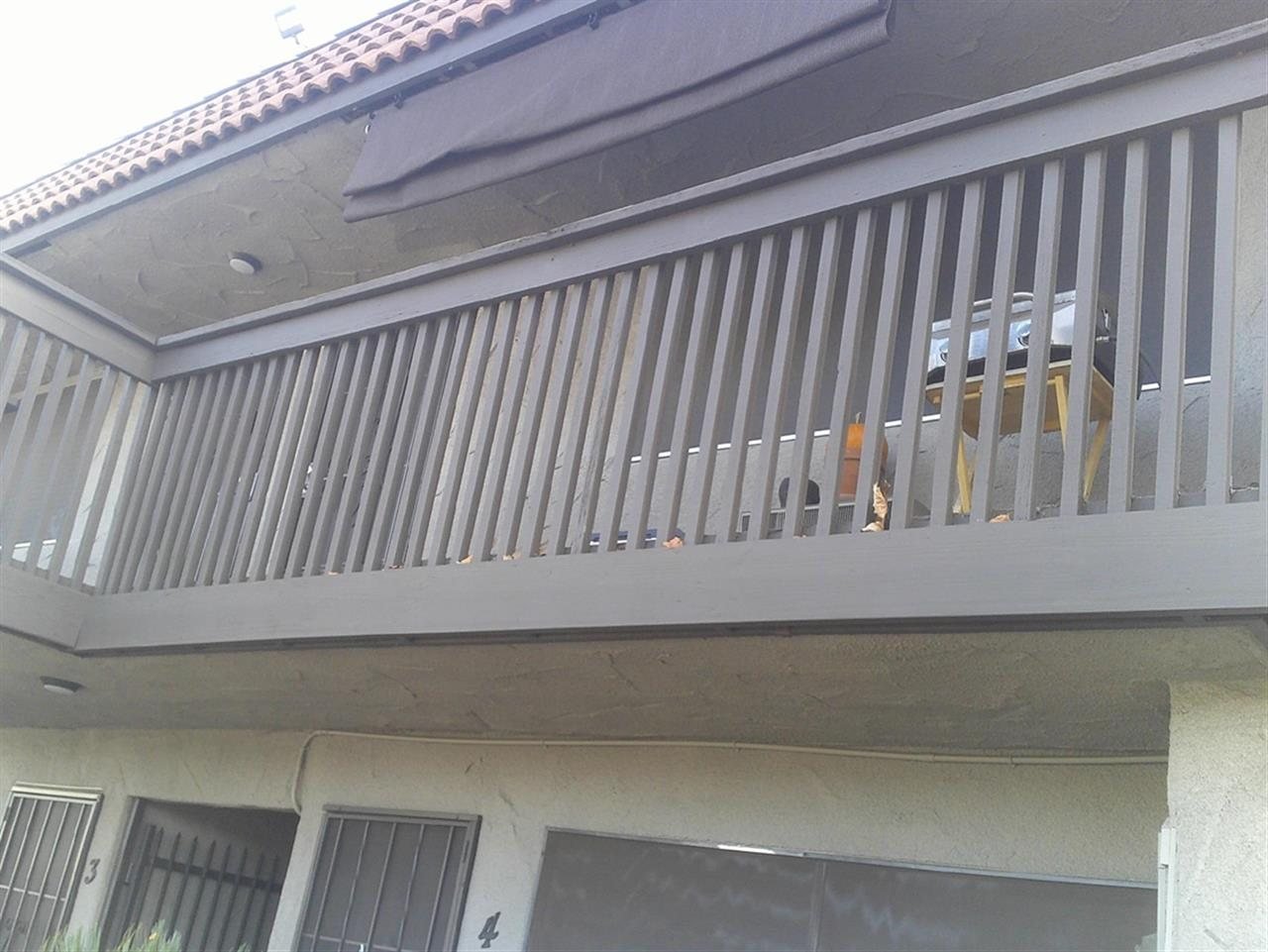
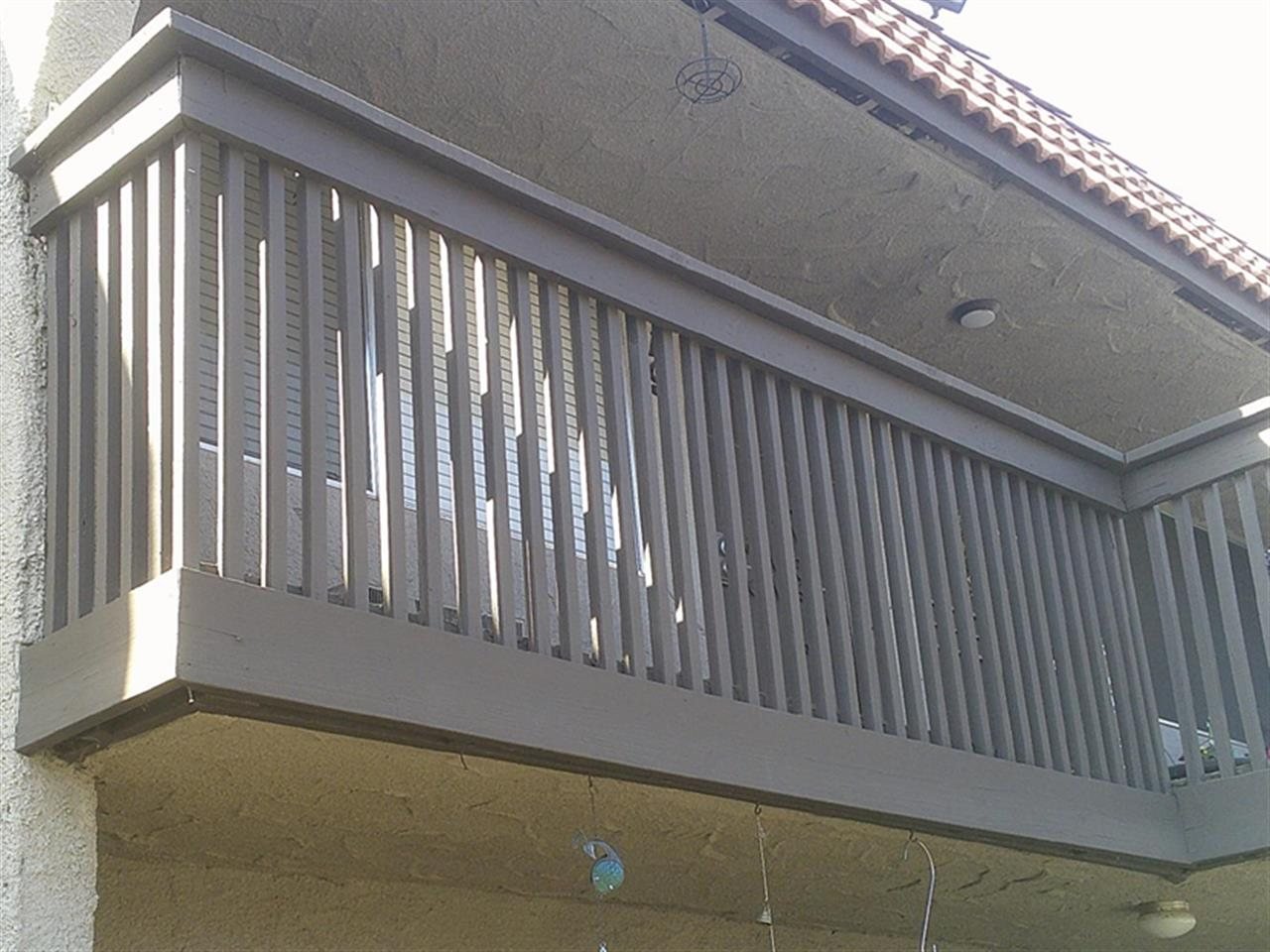
Properties evaluated for SB 721 exemption letters across San Diego County.
More inspections in College Area
- Pool and spa inspection in College Area
- Sewer scope inspection in College Area
- 4-point inspection in College Area
- Roof inspection in College Area
- Home inspection in College Area
Nearby and countywide
Were You Happy With Your Inspection?
We are proud of our 4.9-star rating across 100+ Google reviews. If Joseph and the team did right by you, a quick Google review helps other San Diego County buyers and sellers find us.