
11-Month Warranty Inspection in College Area
The streets between Montezuma Road and El Cajon Boulevard say 1958 — slab ranch homes from when San Diego State was a teachers' college on the hill. The permit activity says otherwise: College Area is now one of the city's busiest ADU markets, with investors stacking bonus-program units behind ranch houses and leasing them to students before the paint cures. Each new structure carries a builder's first-year warranty, and the clock started at completion, not move-in.
A month-ten-or-eleven warranty inspection puts a professional defect list in your hands while the builder still owes the repairs.
Call (619) 752-4399 Schedule an Inspection
What does a College Area warranty inspection cover?
We run the structure through the same evaluation a full home inspection gets, then frame every finding around one question: is this the builder's obligation under year-one coverage?
- Roof system — shingle fastening, membrane laps on flat-roofed ADUs, and the penetrations and edge metal rushed crews shortcut most often.
- Stucco and exterior envelope — corner cracking, missing or buried weep screed, sealant gaps at sun-facing windows.
- Slab, drainage, and flatwork — how the new pad sheds water on a lot graded once in the Eisenhower years and again last spring.
- Electrical — service upgrades, subpanels feeding rental units, AFCI and GFCI coverage, smoke and CO devices in required locations.
- Plumbing — simultaneous fixture flow, water heater combustion air and venting, drainage where new ABS meets a sixty-year-old lateral.
- Heat pumps and mini-splits — tested in both modes, condensate verified to a legal termination.
- Interior workmanship — the doors, drywall, cabinetry, and flooring California's builder-warranty framework protects for only the first year.
Why do College Area builds need a sharper eye than most?
New construction here happens under conditions few neighborhoods share:
- The August deadline. Student leases turn over before fall semester, so investor ADUs get finished on a calendar, not a punch list. Whatever got skipped in the rush is what a month-eleven inspection recovers.
- Multi-unit lots on single-family infrastructure. The city's ADU bonus program lets one ranch-house parcel carry three or more new units — all draining into one mid-century sewer lateral, often sharing trenched utilities. We document every tie-in, because that is where new work fails first.
- Slab-on-grade everything. The originals sit on slab, and so do most additions. No crawlspace reveals a plumbing mistake; evidence shows up as floor moisture, hot spots, or drainage symptoms caught at the surface.
- Canyon-finger lots. Parcels backing the canyons off Collwood Boulevard and south of Montezuma sit on fill edges where fresh grading meets a slope. The first wet winter audits that work.
- Alvarado Estates customs. The gated custom homes near Alvarado Road involve complex roofs, retaining walls, and high-end mechanicals — more systems, more first-year exposure.
What defects show up in year-old College Area construction?
Eleven months of inland heat, marine-layer mornings, and rental-grade daily use surface consistent issues:
- Stucco shrinkage cracking at window corners on south and west elevations, where College Area's hotter inland summers drive movement faster than coastal builds see.
- Racked sliders and sticking doors once framing lumber finishes drying — legitimate warranty adjustments, not tenant abuse.
- Condensate lines pitched wrong, terminating against the foundation, or staining brand-new stucco below a mini-split.
- Ponding between structures where an ADU's roof drainage and the original house's grade meet with nowhere to send water.
- Electrical loose ends — missing AFCI protection, dead receptacles, exterior covers never installed, bath fans venting into the attic.
- Sewer symptoms at the splice — gurgling or slow drains in the new unit that trace to the old clay lateral, a finding that determines whose problem it is.
- Abandoned punch-list promises — thin attic insulation, missing weatherstripping, hardware that never showed up.
On tenant-occupied units we also separate construction defects from occupant wear, so your claim holds up when the builder pushes back.
When should you book, and what report do you submit?
Work backward from your certificate of occupancy or closing date and book near month ten — room to inspect, read the report, and file ahead of the anniversary. If your contract specifies a notice procedure, follow it to the letter.
Many College Area clients are landlords who live elsewhere. We handle that routinely: give your tenants proper notice and we coordinate around their schedules. Joseph Romeo personally inspects every accessible system — roof, attic, exterior, panels, fixtures, equipment — then walks you (or calls you) through the significant findings.
Your HomeGauge report lands the same day or next morning: every defect photographed, located, and described against the workmanship standard it should meet, ready to paste into a builder claim. Findings needing a specialist — a sewer camera down that shared lateral, a structural opinion, a termite question — get coordinated or referred to the appropriate licensed pro.
Who stands behind the defect list?
Joseph Romeo, a CPI and licensed contractor, stands behind every finding. Builders contest warranty claims that look thin. Ours don't read that way. Joseph Romeo is an InterNACHI Certified Professional Inspector who also holds a California general contractor license, CSLB #1113143 — the person grading your builder's stucco terminations and flashing details has installed those assemblies himself, and a finding citing how the work should have been done is hard for a superintendent to dismiss as nitpicking.
- 20-plus years and over 10,000 inspections across San Diego County, from SDSU-adjacent rentals to Alvarado Estates customs.
- 4.9 stars across 106 Google reviews.
- No repair work, ever — we hold no stake in what the findings cost to fix.
To be precise about affiliations: our credentials are the InterNACHI CPI certification and the CSLB license, not ASHI or CREIA membership.
Which other College Area inspections should you know about?
The blocks generating ADU permits are full of original housing with its own needs:
- Buyer's inspections on the 1950s–60s ranch stock — original galvanized supply piping, era-specific electrical panels, slab plumbing near the end of its service life. Start at our College Area home inspection page.
- Investor and rental-property inspections — owners adding units often have the existing house evaluated at the same visit, since the new build leans on its utilities.
- Pre-listing inspections for sellers in a market where buyers assume student-rental wear.
- Sewer scope coordination — with new units feeding old laterals, camera work by a licensed specialist is money well spent; we arrange it.
- Thermal imaging — locating moisture behind new drywall or insulation voids without opening walls.
The complete menu lives on our services page; or call (619) 752-4399.
College Area 11-Month Warranty Inspection FAQs
When should I schedule a warranty inspection for my College Area ADU?
Tenants occupy the unit. Can you still inspect it?
Does my garage conversion or addition carry the same one-year warranty as a new ADU?
What if the builder blames findings on tenant damage or normal settling?
Will you handle the warranty claim or perform the repairs?
How much does an 11-month warranty inspection cost in College Area?
New-home documentation
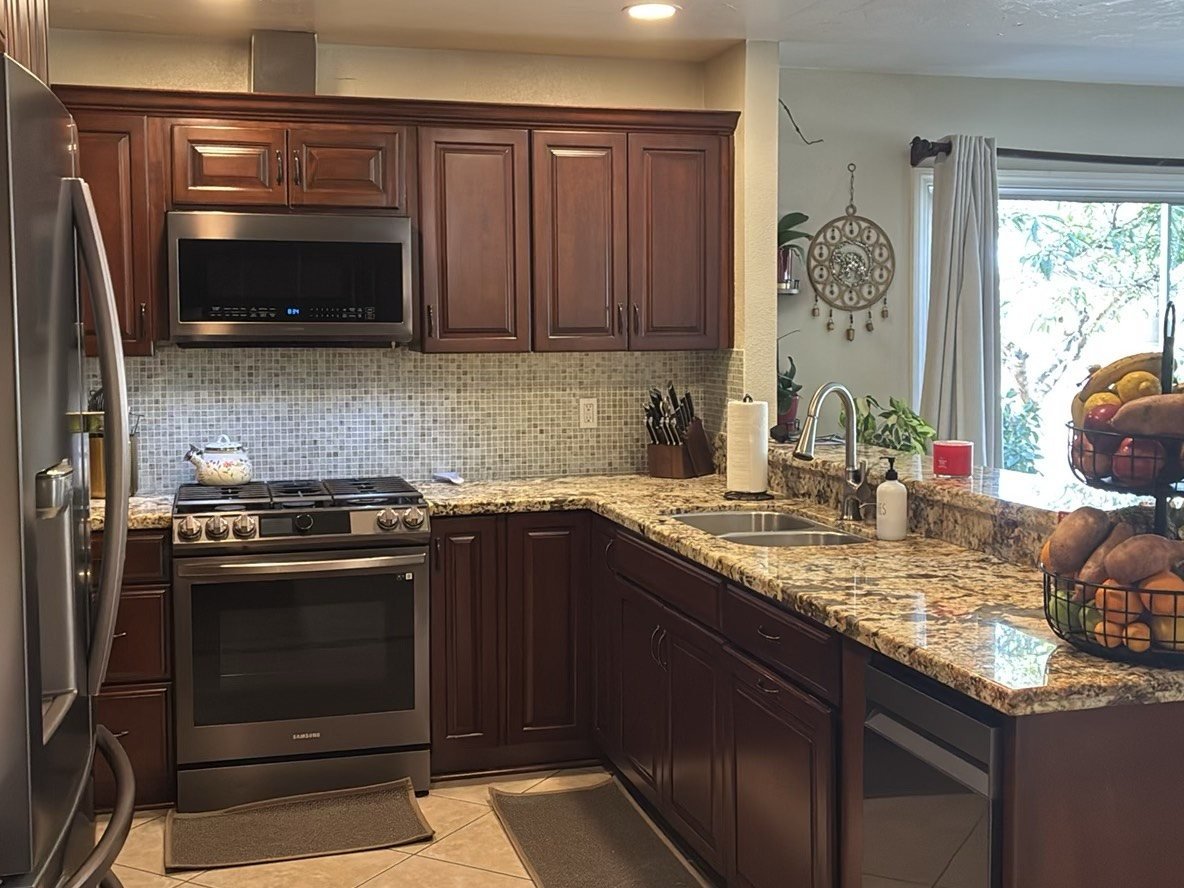
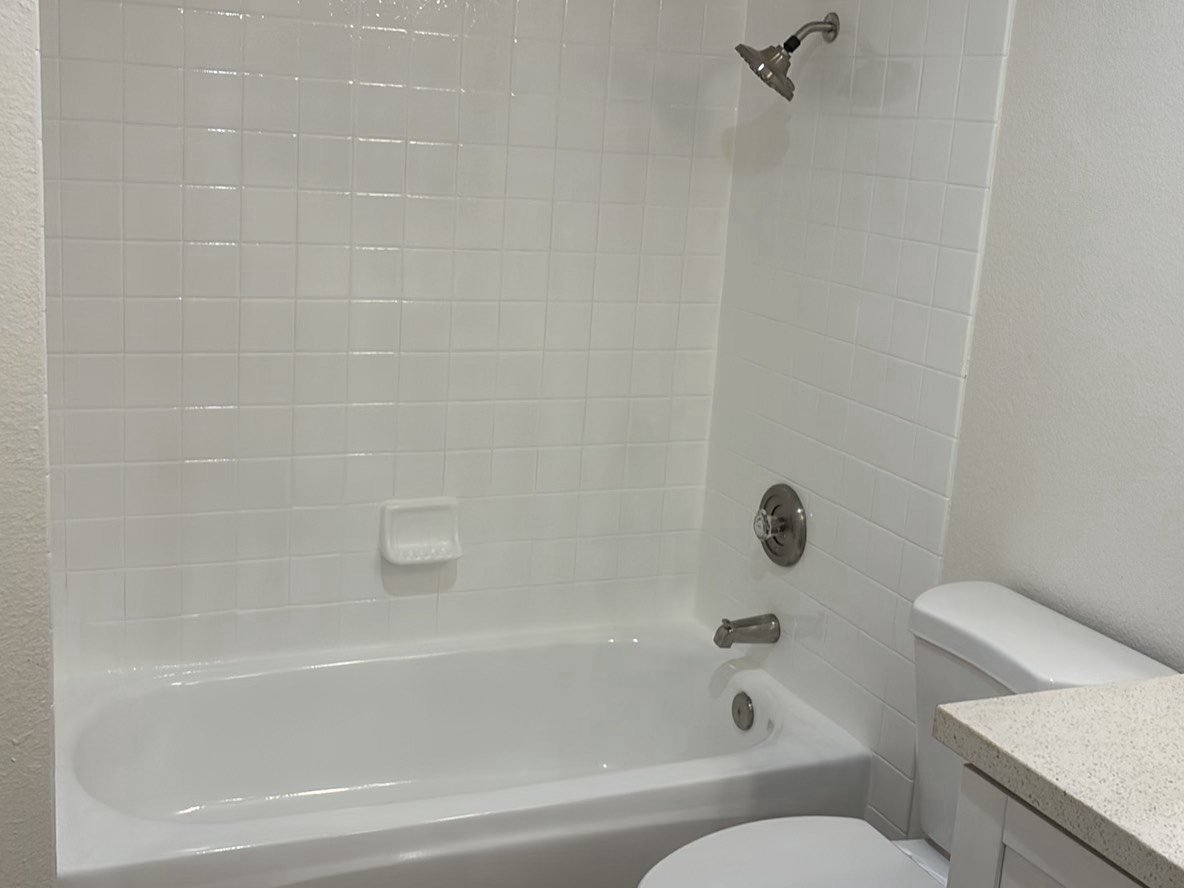
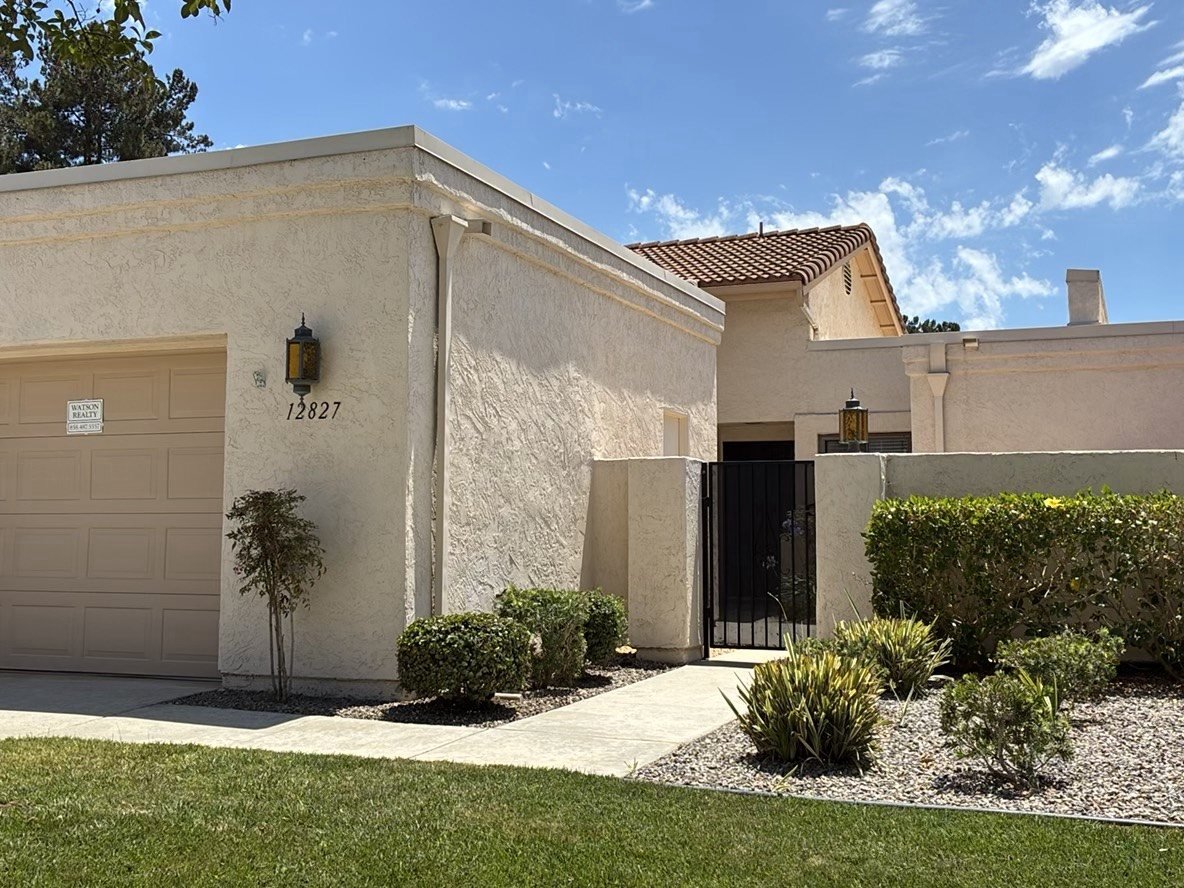
Photos from 11-month builder warranty inspections of newer San Diego homes.
More inspections in College Area
- Commercial roof cleaning in College Area
- Commercial inspection in College Area
- Pool and spa inspection in College Area
- Sewer scope inspection in College Area
- Home inspection in College Area
Nearby and countywide
Were You Happy With Your Inspection?
We are proud of our 4.9-star rating across 100+ Google reviews. If Joseph and the team did right by you, a quick Google review helps other San Diego County buyers and sellers find us.