
Commercial Property Inspection in College Area, San Diego
Commercial real estate in the College Area runs on the academic calendar. Apartment buildings near SDSU flip their tenant rosters every August, the El Cajon Boulevard and College Avenue retail strips absorb forty thousand students' worth of traffic, and the medical-office cluster around Alvarado Hospital keeps its own rhythm. Most of it went up in the 1950s and 60s on slab, and decades of high-turnover occupancy have tested every system.
I'm Joseph Romeo of The Real Estate Inspection Company. I inspect these buildings for buyers, investors, landlords, and tenants — a Property Condition Assessment-style walkthrough referenced to ASTM E2018, covering multi-unit income property, retail, office, and mixed-use. Single-family work lives on the College Area home inspection hub; this page is the commercial side.
Call (619) 752-4399 Schedule an Inspection
What does a College Area commercial assessment cover?
Whether the asset is a twelve-unit student building off Montezuma Road, a strip center at 63rd and El Cajon Boulevard, or a dental suite near Alvarado Medical Center, the assessment covers:
- Roof membranes and drainage — TPO, modified bitumen, and built-up roofing dominate here. I walk the roof whenever access allows: seams, penetrations, parapet caps, scuppers, ponding evidence.
- Rooftop and split HVAC — package RTUs over retail, minisplits retrofitted into older apartment buildings, judged on condition rather than nameplate age.
- Electrical service and distribution — three-phase on larger parcels, meter banks feeding a dozen student units, main gear, subpanels, visible branch wiring.
- Plumbing and water heating — supply material and pressure, multi-unit water heaters, fixture function in each suite.
- Fire and life-safety, by observation — extinguisher tags, alarm devices, exit signage, emergency lighting, visible sprinkler components; not a fire-marshal certification.
- Site, parking, and accessibility — asphalt, lot drainage, accessible stalls, and path of travel.
- Envelope and structure — stucco, storefront glazing, visible framing, and the slab itself, without destructive testing.
Two scopes deliberately sit outside this assessment: the Phase I Environmental Site Assessment and any stamped engineering opinion. Former gas-station corners often need the first; I coordinate the licensed firm.
How does student turnover affect 1950s-era buildings?
Student turnover accelerates wear on these old buildings, so two forces collide here. The first is occupancy intensity: a building full of undergraduates ages faster than anywhere else in the county, and the deferred-maintenance curve steepens when ownership is remote. The second is vintage — 1950s-60s slab-on-grade construction with original galvanized supply runs, cast-iron and clay waste lines under the concrete, and panels sized for an era before window AC in every bedroom.
Layered on top is the conversion economy. Garages became bedrooms, houses became six-bedroom rentals — some permitted, much not. Reconstructing what a building legally is versus what it currently does is half the due-diligence battle; my report documents the physical evidence either way.
Geography adds a final variable: parcels backing the canyons north of Montezuma deal with slope-edge grading, and anything fronting Interstate 8 carries decades of vibration and exhaust on its envelope.
Which problems recur between the Boulevard and the canyon rim?
My College Area reports return to the same write-ups:
- Meter banks and panels at capacity — student units running space heaters and window AC on circuits designed for a 1958 household, double-taps marking each generation of fixes.
- Under-slab waste-line failures — sixty-year-old cast iron and clay announcing themselves as slow drains, sewer odor, or moisture wicking through floor coverings.
- Roof fields carrying too many patch generations — membranes near campus often hide saturated insulation under a tidy top coat.
- Water heating mismatched to occupancy — tanks sized for a family of four serving a six-bedroom rental, short-cycling toward early failure.
- Life-safety drift — extinguishers past their tags, dead emergency lighting, missing self-closers on utility doors.
- Bedroom-count creep — partitions, interior locksets, and kitchenettes signaling unpermitted conversion, photographed for the records search.
The summary separates safety items and capital-scale costs from routine upkeep, so the negotiation focuses on what moves money.
How does scheduling work and when does the report land?
One call to (619) 752-4399 or a note to joe@sandiegohomeinspection.com scopes the job: address, property type, unit count, square footage, occupancy. Occupied student buildings need tenant notice around class schedules. The fee schedule shows how size and add-ons drive the flat fee.
On inspection day I work roof down: membrane and rooftop equipment, then service electrical and mechanical rooms, then every accessible unit, then envelope and site. Join me — twenty minutes on the roof explains a building better than any document.
The finished product is a HomeGauge report, delivered same day or next day, with a photograph on each finding, organized system by system for your lender or attorney. I report observed condition and stop there — no repair bids, no upsell.
Why does a contractor's license matter on this building stock?
I hold two credentials that work together on College Area buildings: InterNACHI Certified Professional Inspector and CSLB General Contractor #1113143. The CPI designation governs the method; the contractor's license lets me look at a converted garage or a patched membrane and tell you how competently it was done and what correcting it involves — the distinction worth the most on sixty-year-old buildings carrying decades of improvised improvements.
Behind the licenses: twenty-plus years and 10,000+ inspections across San Diego County, and a 4.9-star average over 106 Google reviews. Termite and wood-destroying-organism reports, Phase I environmental work, plumbing pressure testing, and engineering certifications belong to separately licensed professions — I identify the need, refer a firm I trust, and sequence their visit inside your contingency window.
What do College Area clients add to the assessment?
Certain add-ons earn their fee so often near campus that I raise them during scoping:
- Sewer camera scope — on slab-built 1950s parcels with mature parkway trees, the lateral is the most expensive surprise an income property here can hide.
- Thermal imaging — trapped roof moisture, hidden plumbing leaks, overheating connections in panels serving heavy student loads.
- Pre-lease condition documentation — tenants signing NNN or long-term Boulevard leases fix the building's condition at signing, before maintenance obligations transfer.
- Baseline assessments — landlords who bought near SDSU decades ago plan roof and repipe capital work on their own schedule.
Duplexes and fourplexes south of Montezuma can be scoped commercially or residentially depending on financing. The full menu is on the services page, and contact starts a scoped quote.
College Area Commercial Property Inspection FAQs
Do you inspect student apartment buildings near SDSU?
Can you tell whether a converted garage or added bedroom was permitted?
Is a Phase I ESA part of your College Area inspection?
What does a commercial inspection cost in the College Area?
Should I scope the sewer lateral on a 1950s College Area building?
How quickly do I get the report, and who can use it?
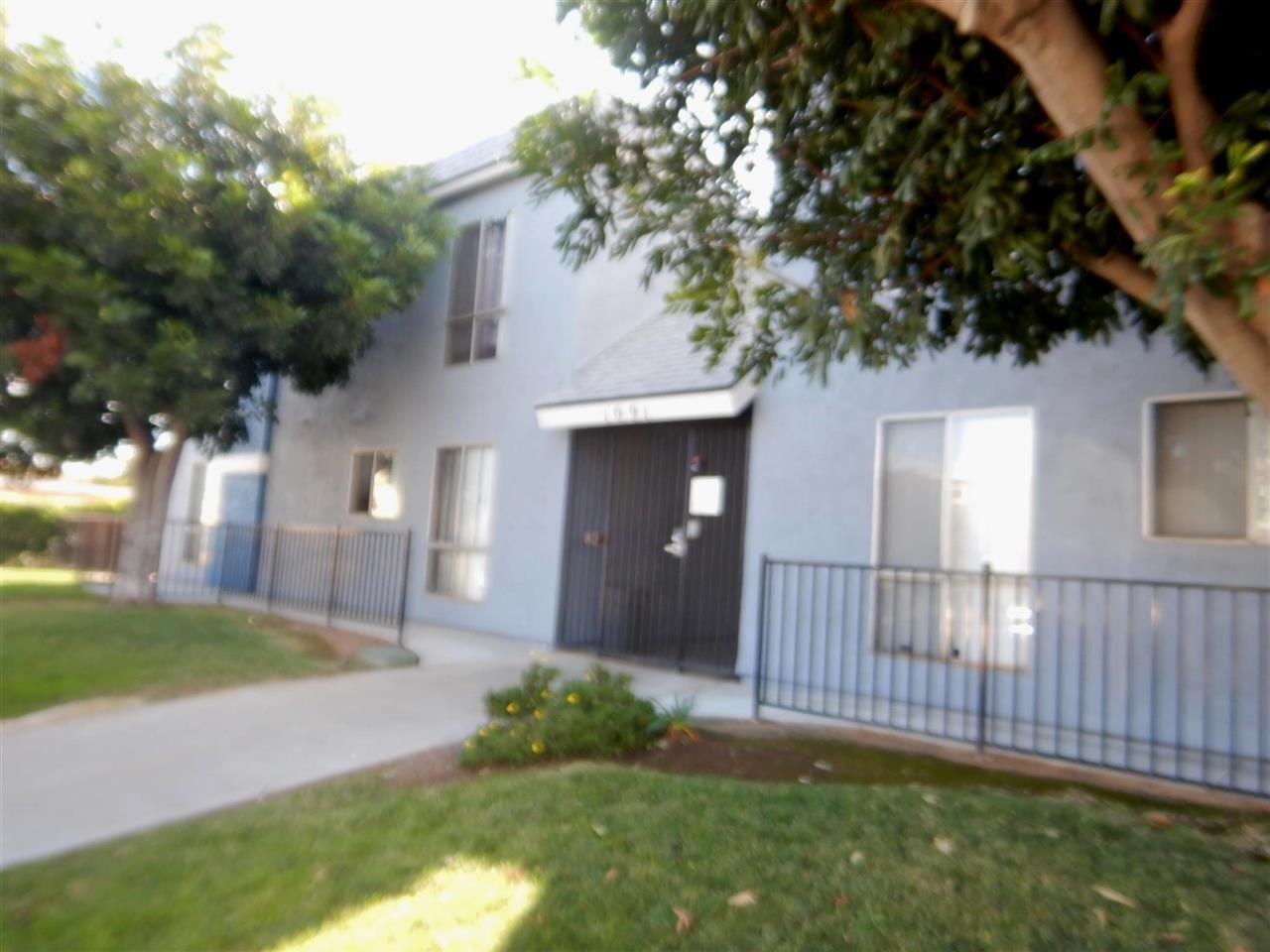
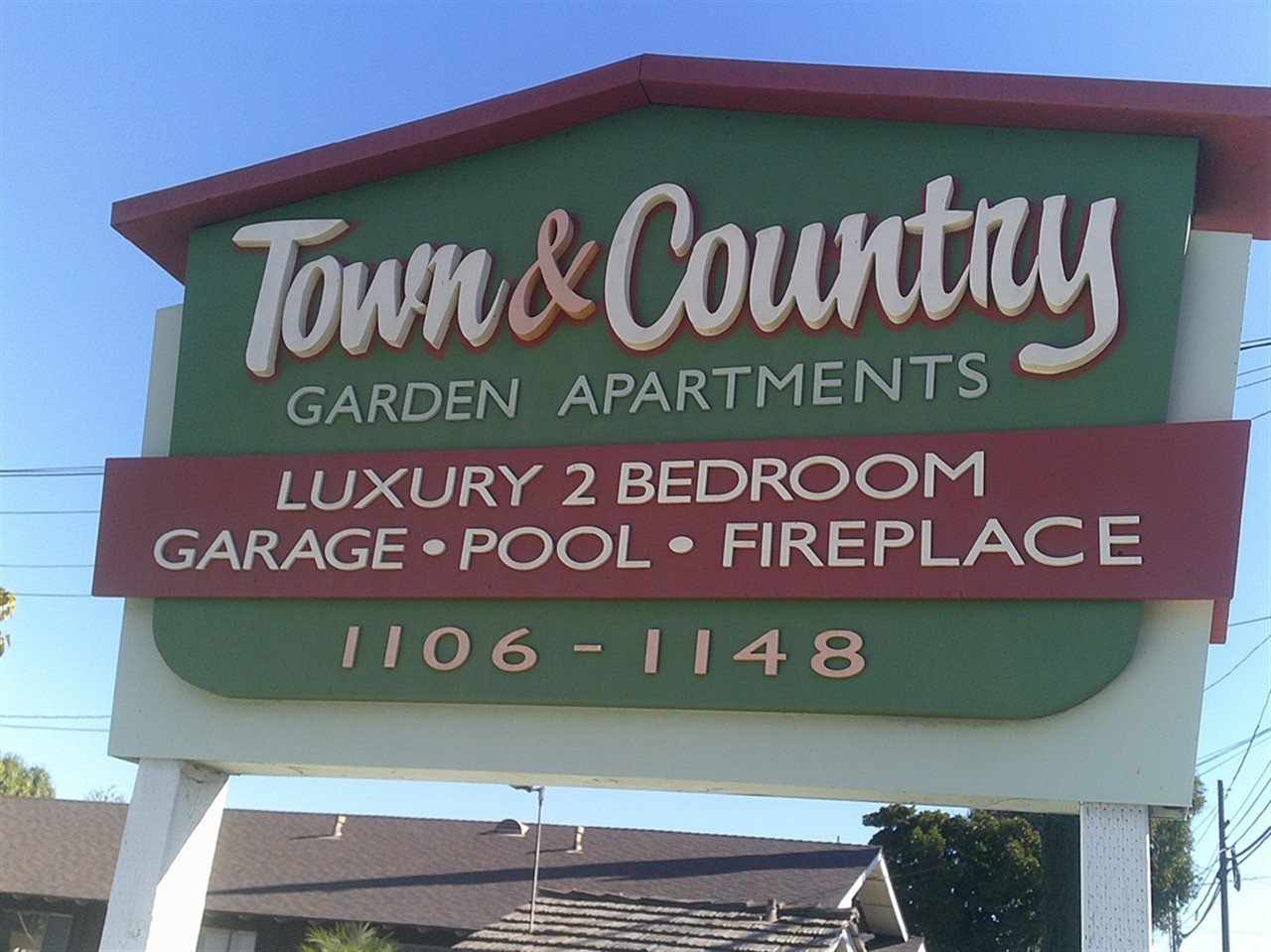
Multi-unit experience
Commercial and multi-unit properties we have inspected across San Diego County.
More inspections in College Area
- Roof inspection in College Area
- Thermal imaging in College Area
- Foundation slab survey in College Area
- SB 721 balcony inspection in College Area
- Home inspection in College Area
Nearby and countywide
Were You Happy With Your Inspection?
We are proud of our 4.9-star rating across 100+ Google reviews. If Joseph and the team did right by you, a quick Google review helps other San Diego County buyers and sellers find us.