
Home Inspection in the College Area, San Diego, CA
The College Area filled in fast after the war, when San Diego State's growth pulled tract builders east along Montezuma Road and up the streets north of El Cajon Boulevard. Most of what sells here went up between the late 1940s and the mid-1960s: compact ranch and minimal-traditional houses, a heavy share of them on slab, with stucco skins and mechanical systems that have been patched rather than replaced through several generations of owners — and, frequently, several generations of student tenants. Add the canyon fingers cutting through the neighborhood's edges and a rental density unlike anywhere else in inland San Diego, and you have housing stock that punishes a casual once-over.
This page is for scheduling that inspection — a purchase, a pre-listing, or an investor walk of a rental near campus — and for seeing exactly what we examine on a College Area property. Want background reading on the neighborhood first? Our College Area & SDSU home inspection guide covers it. Otherwise, call Joseph Romeo at (619) 752-4399 or send a quote request and we will build the appointment around your contingency deadline.
Call (619) 752-4399 Schedule an Inspection
What does a standard College Area home inspection cover?
We inspect to the InterNACHI Standards of Practice on every College Area assignment, whether the property is an owner-occupied ranch off Collwood Boulevard, a six-bedroom rental two blocks from campus, or a condo along Montezuma. The evaluation covers the visible, accessible systems, and we operate whatever equipment is safe to test:
- Roof, attic, and drainage — covering material and its remaining life, penetrations, attic ventilation, insulation depth, gutters, and downspout discharge
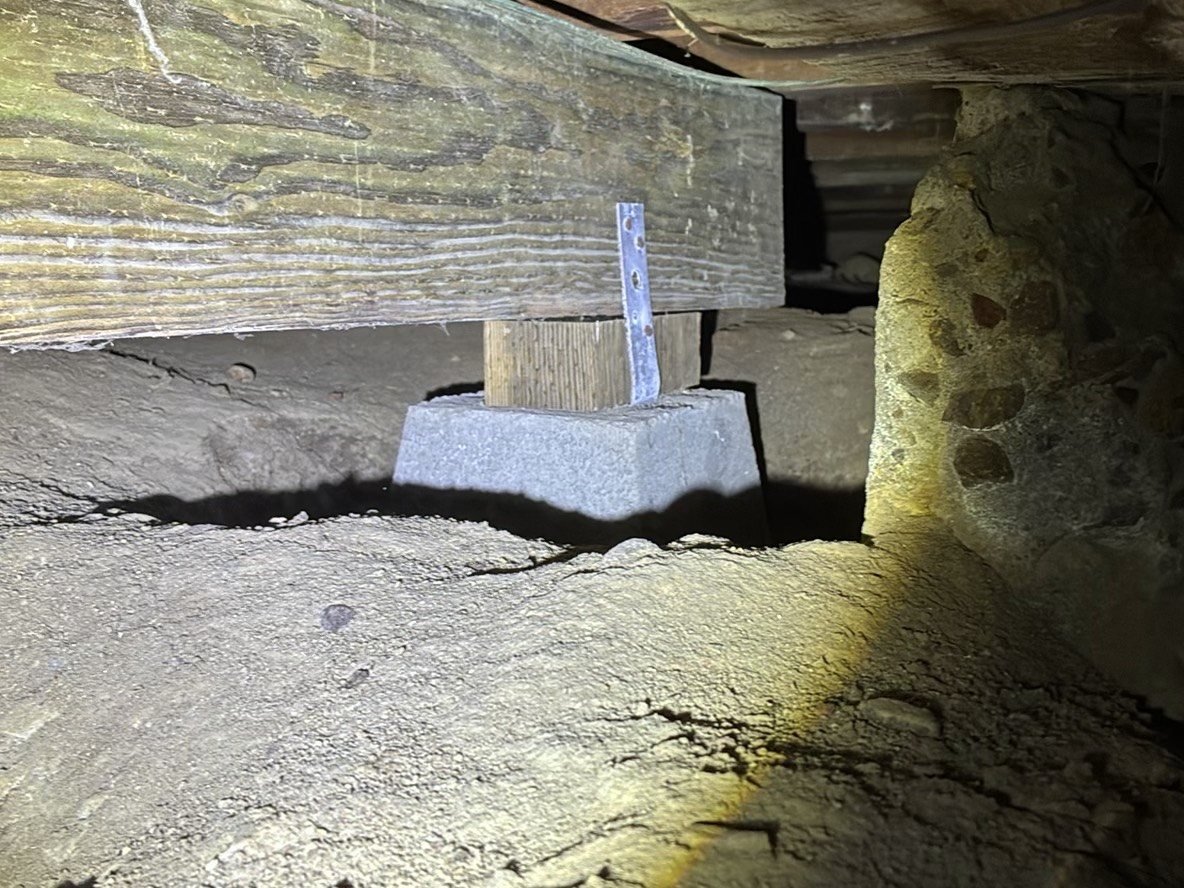
- Structure and foundation — the post-war slab or raised floor, visible framing, and evidence of movement or moisture at the perimeter
- Electrical — service capacity, panel make and condition, branch circuits, grounding, GFCI and AFCI protection, and any subpanels added for conversions
- Plumbing — supply material and functional pressure, fixture operation, drain performance, plus the water heater's age, strapping, and venting
- Heating and cooling — the original or replacement furnace, any later-added AC, duct condition, and combustion safety
- Interior and exterior — windows and bedroom egress, doors, walls, ceilings, stucco, hardscape, and grading against the house
We report observed condition and function. We never bid or perform repairs on a property we inspect, so the findings carry no agenda.
Why do homes near SDSU get a harder look?
This neighborhood has a pattern no other San Diego zip really matches: fifty- and sixty-year-old houses run hard as high-occupancy rentals. That combination shapes where we slow down:
- Bedroom and garage conversions: the mini-dorm economics around campus turned garages, dens, and porches into rentable bedrooms for decades. We evaluate whether converted spaces have legal egress windows, smoke and CO alarms, a heat source, and wiring that looks professional rather than weekend work — and we tell you when the bedroom count on the listing outruns what the construction suggests was permitted.
- Overstretched electrical services: a 1955 house wired for one family now feeds six bedrooms of window AC units, space heaters, and mini-fridges. We weigh the service size and panel brand against that load and flag the era panels with documented failure histories.
- Slab-era plumbing: with supply lines routed under or through the slab, a failing run shows up as warm spots, slab moisture, or pressure loss rather than a visible drip. We look for those secondary clues; if one appears, isolating it takes a plumber's pressure test, which we help you arrange rather than perform.
- Canyon-rim lots: properties backing the canyon fingers off Montezuma and Collwood get checked for rear-slope erosion, fill settlement at patios, undermined fences, and roof water dumping toward the descending grade.
- Trapped moisture: even this far inland, the May-and-June marine layer keeps mornings damp, and rental bathrooms with dead exhaust fans grow mildew at showers, window frames, and closet walls. We probe suspect surfaces with a moisture meter instead of guessing.
Which defects show up again and again in the College Area?
Certain defects are practically a College Area signature. Knowing them before your offer beats discovering them in escrow:
- Security bars without quick-release hardware on bedroom windows — common on rentals near campus and a genuine life-safety item, since a barred bedroom with no interior release traps occupants in a fire
- Fuse boxes and problem-era panels still in service, often with a tangle of unpermitted circuits feeding converted rooms
- Galvanized supply piping corroded shut from the inside, showing up as weak flow at the farthest bathroom
- Root-bound original sewer laterals — clay and cast iron lines that already ran sixty years, now serving five or six heavy users instead of a single family
- Roof coverings layered past their welcome, including comp-over-comp jobs hiding deteriorated sheathing
- Water heaters swapped without permits — missing dual seismic straps, improvised venting, or no drain pan where one is due
- Paint-over turnovers — fresh paint and new carpet masking moisture stains, patched drywall, and deferred maintenance from years of tenant turnover
- Additions tied into undersized systems, where a permitted-looking room rides on an unpermitted electrical or duct extension
None of this automatically kills a deal. Our job is separating tired-but-serviceable from genuinely unsafe so you can negotiate from facts.
How does scheduling and the HomeGauge report work?
Booking starts with a call, an email, or the quote form — give us the address and your contingency date and we will fit the visit inside it. A typical College Area ranch takes two and a half to three hours; a converted high-occupancy rental takes longer because there is simply more to open, test, and document. One logistical note that matters here more than most neighborhoods: tenant-occupied properties need proper notice, so loop in the listing agent early and we will coordinate timing so every bedroom is actually accessible on inspection day.
Join us for the walk-through at the end — ten or fifteen minutes where we show you the main water and gas shutoffs, the panel, and the findings that deserve priority, in plain language. The written HomeGauge report follows the same day or by the next morning, with photos tied to each finding, severity context, and a summary your agent can convert directly into a repair request. Where a finding belongs to another trade — a licensed termite company for the wood-destroying-organism report, a plumber for slab-leak isolation, an engineer for a canyon-slope question — we say so plainly and help you line up the right specialist before your contingency runs out.
Who inspects your College Area home?
Lead inspector and owner Joseph Romeo carries two credentials that matter on this housing stock: the InterNACHI Certified Professional Inspector (CPI) designation and a California General Contractor license (CSLB #1113143). The contractor's eye is the difference on College Area properties, because the central question here is rarely the original 1955 construction — it is the seventy years of conversions, additions, and landlord patches layered on top. Joe reads how a garage became a bedroom, whether the framing and wiring behind it were done right, and what correcting it realistically involves.
- 20+ years inspecting San Diego County, with more than 10,000 inspections completed
- 4.9 stars across 106 Google reviews from buyers, sellers, investors, and the agents who keep referring us
- Investor-fluent reporting — we inspect plenty of student rentals and know what landlords, lenders, and insurers around SDSU actually ask about
Every inspection follows the InterNACHI code of ethics, and every finding gets explained without jargon — what is urgent, what is merely old, and what simply needs monitoring.
What related inspections do College Area clients order?
Around SDSU, the general inspection often is not the whole job. These add-ons and standalone services bundle onto one visit:
- Sewer scope — the highest-value add-on in this neighborhood, given original laterals and rental-level usage
- Thermal imaging — helps surface concealed moisture, missing insulation, and overheating circuits in heavily modified houses
- 4-point inspection — the roof/electrical/plumbing/HVAC summary insurers request on older homes
- Pre-listing inspection — sellers of long-held rentals use these to fix surprises before buyers find them
- SB-721 and SB-326 balcony inspections — for the apartment buildings and condo communities along Montezuma and 55th Street
- Commercial inspections — storefronts and mixed-use buildings on the El Cajon Boulevard corridor
- 11-month builder-warranty inspections — for the newer infill townhomes appearing near campus
Browse the full services list or tell us what you are buying and we will recommend the right combination. Fees vary by property and scope, so check the fee schedule or request an exact quote for your address.
College Area Home Inspection FAQs
How much is a home inspection in the College Area?
Do you inspect tenant-occupied student rentals?
Will the inspection catch an unpermitted bedroom or garage conversion?
How fast will I have the written report?
Do you also do the termite report?
Is a sewer camera worth it on a 1950s house near SDSU?
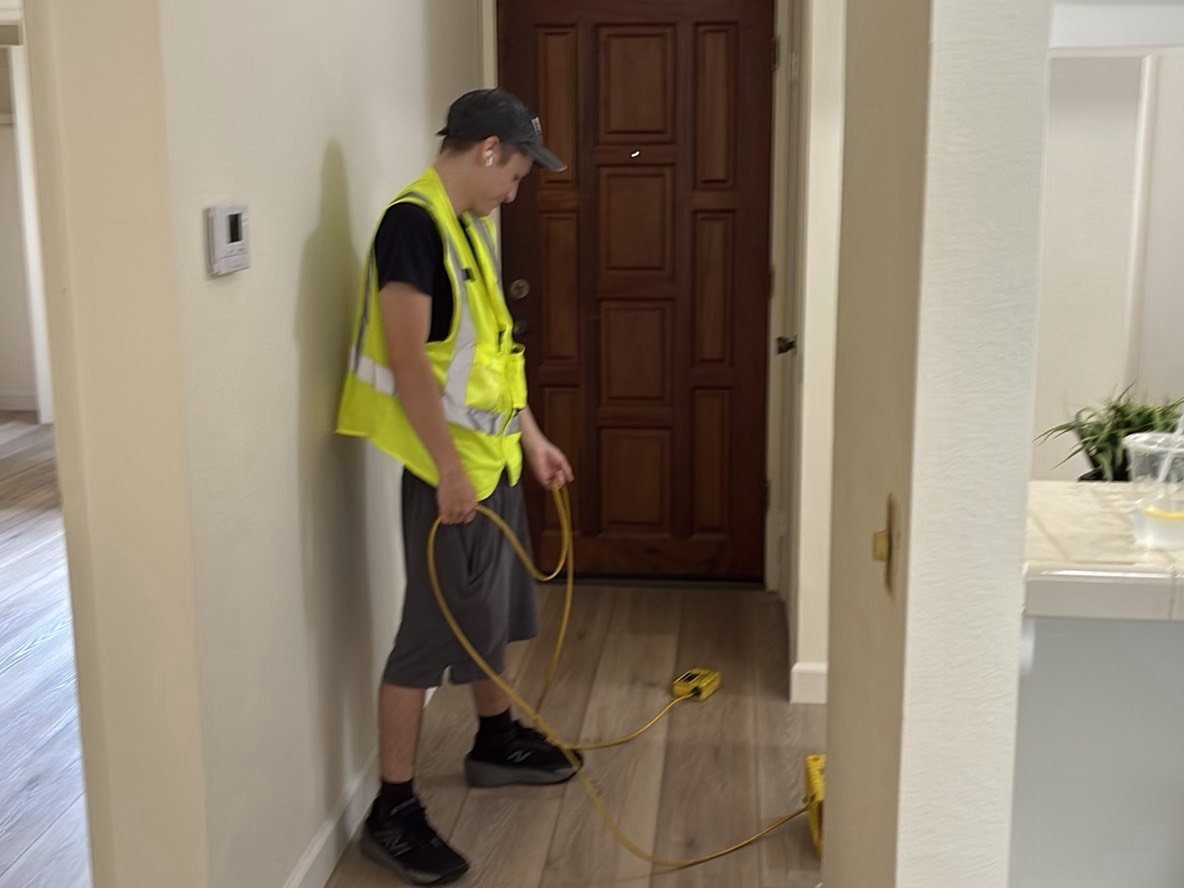
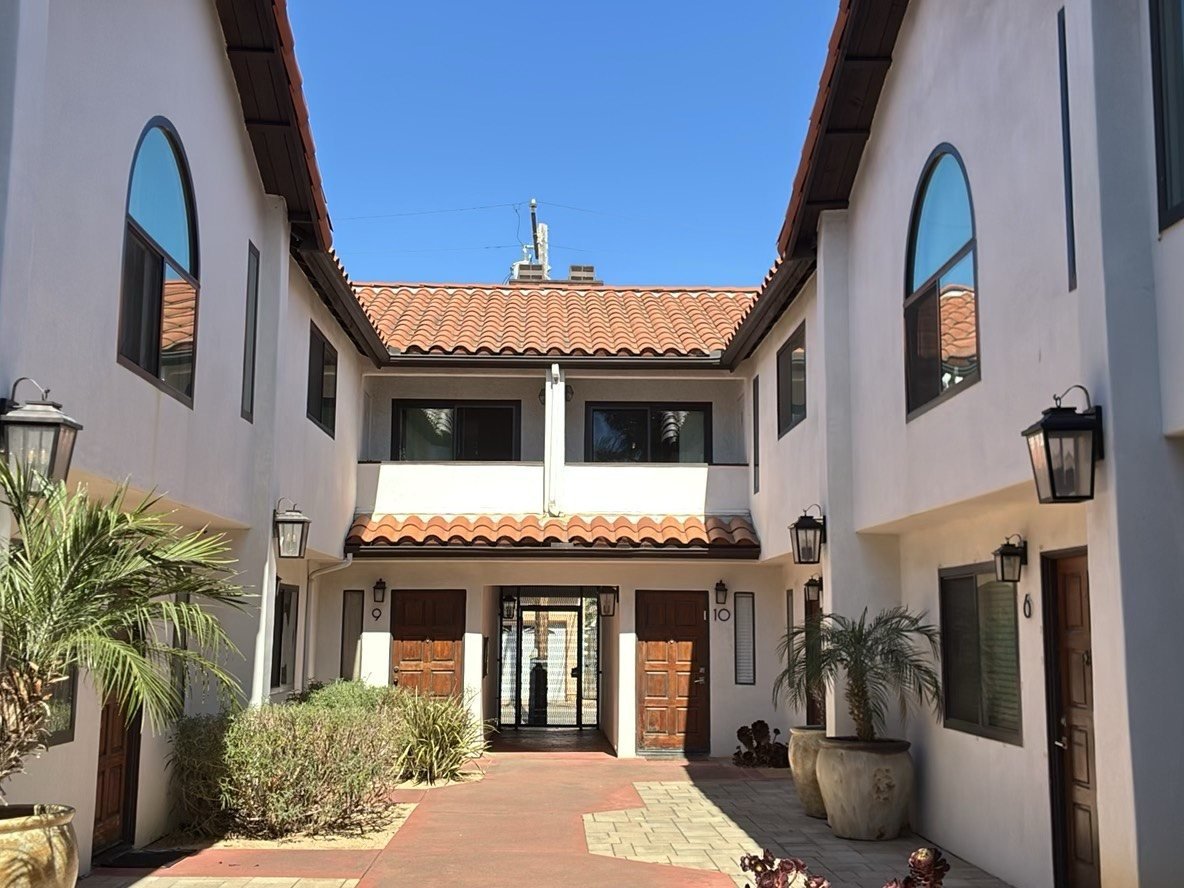
What we document
Photos from recent home inspections across San Diego County.
Inspection services in College Area
- 4-point inspection in College Area
- Commercial inspection in College Area
- Commercial roof cleaning in College Area
- Foundation slab survey in College Area
- Pool and spa inspection in College Area
- Roof inspection in College Area
- SB 326 balcony inspection in College Area
- SB 721 balcony inspection in College Area
- SB 721 exemption letter in College Area
- Seller inspection in College Area
- Sewer scope inspection in College Area
- Thermal imaging in College Area
- Warranty inspection in College Area
Nearby areas we serve
Were You Happy With Your Inspection?
We are proud of our 4.9-star rating across 100+ Google reviews. If Joseph and the team did right by you, a quick Google review helps other San Diego County buyers and sellers find us.