
4-Point Inspection in the College Area, San Diego, CA
Two kinds of College Area owners get 4-point letters from their carrier: people living in the postwar ranch houses south of Montezuma Road, and landlords holding rental policies on houses full of SDSU students. Both own buildings framed mostly in the 1950s and early 60s — past the point where a California insurer will extend coverage on trust. The 4-point settles that doubt with a short, photo-backed account of the roof, electrical, plumbing, and HVAC, the four systems behind the claims carriers actually pay.
Below: the scope, why this neighborhood draws so many requests, and what we keep finding behind the stucco. If you need a buyer's whole-house evaluation instead, start at the College Area home inspection hub.
Call (619) 752-4399 Schedule an Inspection
Which four systems does the underwriter want documented?
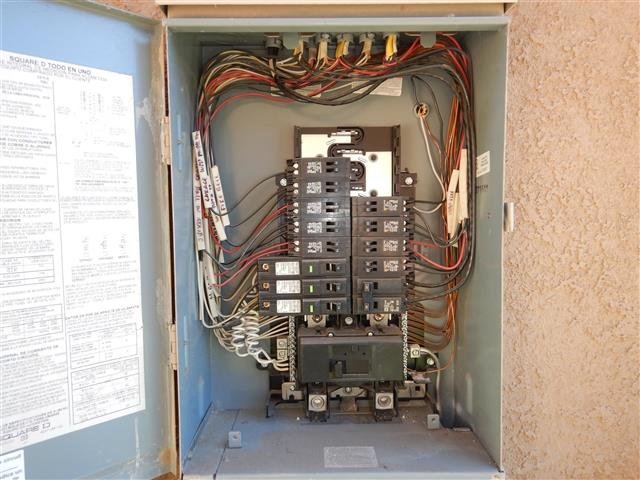
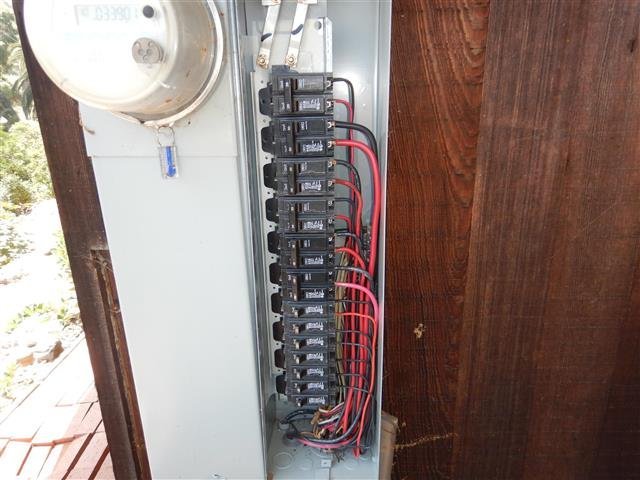
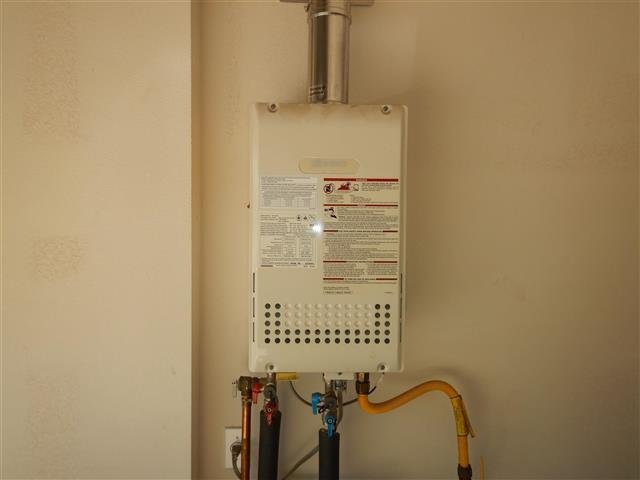
The underwriter wants one thing: evidence the systems most likely to generate a claim are sound enough to insure. Each entry below carries a photograph:
- Roof: covering type — almost always composition shingle here — layer count, age, and remaining life, with attention on the low-slope sections over converted patios and add-on bedrooms, where patching and ponding hide.
- Electrical: panel manufacturer and amperage, breaker condition, verifiable branch wiring, and grounding. On a six-bedroom student house, whether a 1959 panel can carry today's occupancy load matters as much as the brand on the door.
- Plumbing: supply material everywhere it surfaces — fixture stops, water heater connections, laundry walls — plus drain material, water heater age, and seismic strapping.
- HVAC: whatever the house actually has — an original wall furnace, retrofitted central air, or the mini-splits landlords add bedroom by bedroom — with its age and whether it responds when operated.
That's the boundary; foundation, windows, and drainage belong to a full home inspection.
Why do carriers keep flagging addresses near SDSU?
Several local realities put the College Area on underwriting review lists:
- One compressed build era: the tracts between El Cajon Boulevard and Interstate 8 filled in over about fifteen postwar years, so whole streets crossed the 25-to-40-plus-year threshold together, many still on original systems.
- The student-rental economy: much of the housing sits on landlord policies, and carriers scrutinize tenant-occupied older homes harder. High occupancy, bedroom-count additions, and deferred maintenance between owners all invite documentation demands.
- Slab-on-grade construction: supply and drain lines run under concrete, so a slab leak shows up as a warm floor or a water bill — one reason carriers want the reachable plumbing on record.
- Canyon rims and a hardened market: lots backing the canyon fingers along the Alvarado corridor carry brush exposure the wildfire-burned market takes seriously. Even claim-free owners see non-renewals and FAIR Plan migrations; a clean 4-point often keeps a standard policy in play.
What turns up behind College Area stucco?
After enough of these houses, the underwriting flags become familiar:
- Zinsco and Sylvania panels — sold during exactly the years this neighborhood was built — plus Federal Pacific Stab-Lok from later upgrades. Many carriers refuse to bind until one is replaced.
- Panels modified for added bedrooms: double-tapped breakers, undersized subpanels feeding garage conversions, circuits stretched across mini-dorm layouts. Tenant loads — window AC units and space heaters — expose these fast.
- Galvanized supply remnants where a partial re-pipe stopped at the wall, and pinhole-prone copper under the slab.
- Cast-iron drains corroding from the inside beneath the concrete, readable only at cleanouts and stub-ups.
- Water heaters past their window, missing seismic straps, or swapped between tenants without permits or proper venting.
- Third-layer roofs, the flat add-on sections patched instead of rebuilt — frequently the item that forces a re-roof before renewal.
- Original wall furnaces still the only heat source, documented by age and operation.
None of these automatically kills coverage; the report separates merely old from uninsurable, with images carrying the argument.
How do you schedule around tenants and renewal dates?
Call (619) 752-4399 or email joe@sandiegohomeinspection.com with the address, year built, and your deadline — renewal date, escrow binder, or a non-renewal notice. If your insurer issued its own template, send it along so the exact form gets completed on the first visit. For student rentals, tell us the occupancy so tenant notice and class schedules don't leave locked bedrooms out of the report.
On site: roof first, then the panel cover off for manufacturer, amperage, and wiring, then the visible plumbing and water heater, then the heating and cooling equipment dated and cycled. Staying inside four systems keeps the visit shorter than a full inspection, even on a sprawling six-bedroom rental.
The finished report goes out through HomeGauge, same day or next day, with ages, materials, and photographs your agent can submit once without getting bounced back. We document observed condition only and never bid on or perform repairs — which is what keeps the report credible.
Who signs your College Area 4-point form?
Joseph Romeo signs it, and a 4-point carries the weight of whoever fills it out. Joseph Romeo is an InterNACHI Certified Professional Inspector (CPI) and holds a California CSLB General Contractor license (#1113143), with more than 20 years and 10,000+ inspections across San Diego County. The contractor's lens matters when something gets flagged: Joe can tell you whether the fix is an afternoon's correction or a full system replacement — before you call your agent or a single trade.
- 4.9 stars across 106 Google reviews from owners, landlords, buyers, and agents
- Independent by design — no stake in the panel swap, re-pipe, or re-roof we might flag
- Specialist coordination — when work must precede binding, we refer the right licensed trade against the exact findings
What inspections do owners pair with a 4-point?
The insurance form answers the carrier and stops there. One of these often belongs on the same visit:
- Full home inspection — the complete evaluation a buyer of a sixty-year-old house actually needs; begin at the College Area home inspection hub
- Sewer scope — a camera through the buried lateral, where old cast iron meets mature parkway-tree roots
- Thermal imaging — the practical way to chase a suspected slab leak or an overheated circuit when there's no crawlspace to enter
- Investor pre-purchase work — rental buyers near campus bundle the 4-point with a full inspection so lender, insurer, and purchase decision draw from one visit
For termite and wood-destroying organism reports or structural engineering opinions, we coordinate the appropriate licensed specialist. Browse all inspection services or request a quote.
College Area 4-Point Inspection FAQs
What does a 4-point inspection cost in the College Area?
My College Area house is a student rental. Does that change the 4-point?
Which electrical panels get policies declined around SDSU?
How do you evaluate plumbing in a slab house where the pipes are buried?
I'm buying near the college. Is a 4-point all I need?
Can you turn the report around before my renewal deadline?
Roof, electrical, plumbing and HVAC
Documentation from recent 4-point inspections across San Diego County.
More inspections in College Area
- Commercial inspection in College Area
- Pool and spa inspection in College Area
- Sewer scope inspection in College Area
- Roof inspection in College Area
- Home inspection in College Area
Nearby and countywide
Were You Happy With Your Inspection?
We are proud of our 4.9-star rating across 100+ Google reviews. If Joseph and the team did right by you, a quick Google review helps other San Diego County buyers and sellers find us.