
SB-326 Balcony Inspection in the College Area, San Diego
The College Area runs from the I-8 canyon rim down to El Cajon Boulevard, wrapped around San Diego State and its student-rental blocks. Most of its 1950s and 60s tract streets are single-story slab homes with nothing for SB-326 to examine — which means the law's attention lands almost entirely on the apartment-style condominium buildings along Montezuma Road, 55th Street, and College Avenue. If your association governs one of those, Civil Code section 5551 puts its elevated balconies, walkways, and stairs on a nine-year inspection cycle, and the first deadline has already passed. I perform these inspections and deliver the documentation your board and reserve analyst need.
Call (619) 752-4399 Schedule an Inspection
What does Civil Code 5551 ask of a College Area condo board?
SB-326 covers condominiums and other common-interest developments with three or more attached units. Its target is the exterior elevated element — balconies, decks, elevated walkways, exterior stairs and landings, plus the guardrails fastened to them — wherever wood or wood-based products carry the load and the walking surface sits more than six feet above grade. The inspection examines both the structural members and the waterproofing that keeps water off them. The statute calls for a random sample large enough to support 95 percent confidence that results represent the whole population, so not every deck gets opened; a complete inventory comes first, and the sample is drawn from it. The deliverable is a written report identifying each inspected element, its current condition, its projected remaining useful life, and recommendations, addressed to the board and incorporated into the reserve study. We inspect and report. When something needs rebuilding, that work goes to a licensed contractor we refer — never to us.
Why do game-day crowds and August turnovers matter here?
They load 1960s framing far past its design assumptions, so two pressures separate College Area elevated elements from the rest of the county. The first is use intensity. Units within walking distance of SDSU turn over nearly every August, and the balconies absorb that churn: moving-day furniture dragged across coatings, bikes chained to guardrail pickets, a dozen people on a football Saturday crowding a deck framed for four. Hardware loosens and walking surfaces wear through years ahead of an owner-occupied building. The second is age. A large share of the neighborhood's condo stock began life as 1950s–60s walk-up apartments and converted during the mid-2000s wave, and those conversion renovations were frequently cosmetic — original cantilevered joists and felt-paper waterproofing are still in service under newer toppings along Montezuma Road and Adelaide Avenue. Add inland sun that chalks elastomeric coatings on south- and west-facing exposures, and canyon-rim buildings off Collwood Boulevard catching irrigation overspray and slope runoff, and the sampling requirement earns its keep in this zip code.
What turns up on balconies within walking distance of SDSU?
Certain patterns repeat across College Area associations, and a board that recognizes them budgets better:
- Threshold wear-through. Foot traffic at the slider grinds the deck coating bare, and water enters at exactly the point where framing penetrates the wall line.
- Loosened guardrail connections. Tenants lean, hang flags and string lights, and rack bikes against pickets; lag screws set in 60-year-old framing back out, and post bases flex underfoot.
- Rot at cantilever ends. On conversion-era buildings the joist tails were rarely re-flashed, and probing along the drip edge finds softness the paint film hides.
- Stucco guardrail caps with no flashing. Hairline cracks at the cap feed water into the wall cavity below, where damage stays invisible until a borescope goes in.
- Handyman-grade patches between tenants. Caulk smeared over failed coating and sistered boards screwed into rot — quick turns ahead of September move-in leave repairs that do not hold a season.
How does the EEE inventory become a reserve-ready report?
Intake is a phone call to (619) 752-4399 or an email with the association name, the College Area address, the building and unit count, and a rough balcony tally. I pull permit history and any prior report, then walk the property to inventory every elevated element before generating the random sample. Site day is visual first — coatings, flashing, drainage paths, railing attachment — backed by moisture meter readings and, where soffit access allows, a borescope view of concealed framing. Every sampled element is photographed and graded for present condition and projected useful life. The report arrives through HomeGauge the same day or the next, written in two registers: an executive summary the board can act on at its next meeting, and element-by-element detail formatted for the reserve study. Anything presenting an immediate threat to occupants gets flagged before I leave the property, with a recommendation to restrict access until a contractor addresses it — the statute demands prompt notice, and so does common sense.
Who signs the College Area SB-326 report?
Joseph Romeo performs the inspection personally: InterNACHI Certified Professional Inspector, CSLB General Contractor #1113143, more than 20 years in the field and over 10,000 inspections across San Diego County, with a 4.9-star average over 106 Google reviews. The contractor's license matters on this assignment because grading a deck's remaining life means understanding how the assembly went together in the first place — ledger attachment, flashing sequence, coating systems — not just spotting a stain. And because we never perform or bid the repairs, your board gets findings with no construction work riding on them and can hand the report to any contractor for pricing. Property managers and board members reach me directly at (619) 752-4399 or joe@sandiegohomeinspection.com.
What other inspections do associations and owners schedule?
SB-326 answers the condominium mandate, but College Area properties raise neighboring questions. Apartment buildings that never converted — common along El Cajon Boulevard and the rental blocks south of Montezuma — fall under SB-721 instead, on its own cycle, and we handle that inspection as well. Parents and investors buying a condo near campus order a College Area home inspection at the unit level, where the same 60s-era electrical panels and galvanized supply lines show up indoors. Owners selling a long-held rental use a pre-listing inspection to get ahead of buyer negotiations, and on this vintage of construction a sewer camera run through the original clay lateral is cheap insurance. Where deck rot hints at insect activity, we coordinate a licensed pest company for the termite/WDO report rather than guessing at it — that trade is not ours. The full lineup is on our services page, with pricing structure on the fee schedule.
College Area SB-326 Balcony Inspection FAQs
Does SB-326 apply to our College Area association?
The first deadline was January 1, 2025. What if our HOA missed it?
Do you need to go through tenant-occupied units?
What happens if you find an immediate safety threat?
How many balconies do you actually inspect?
What does an SB-326 inspection cost in the College Area?
HOA properties we inspect
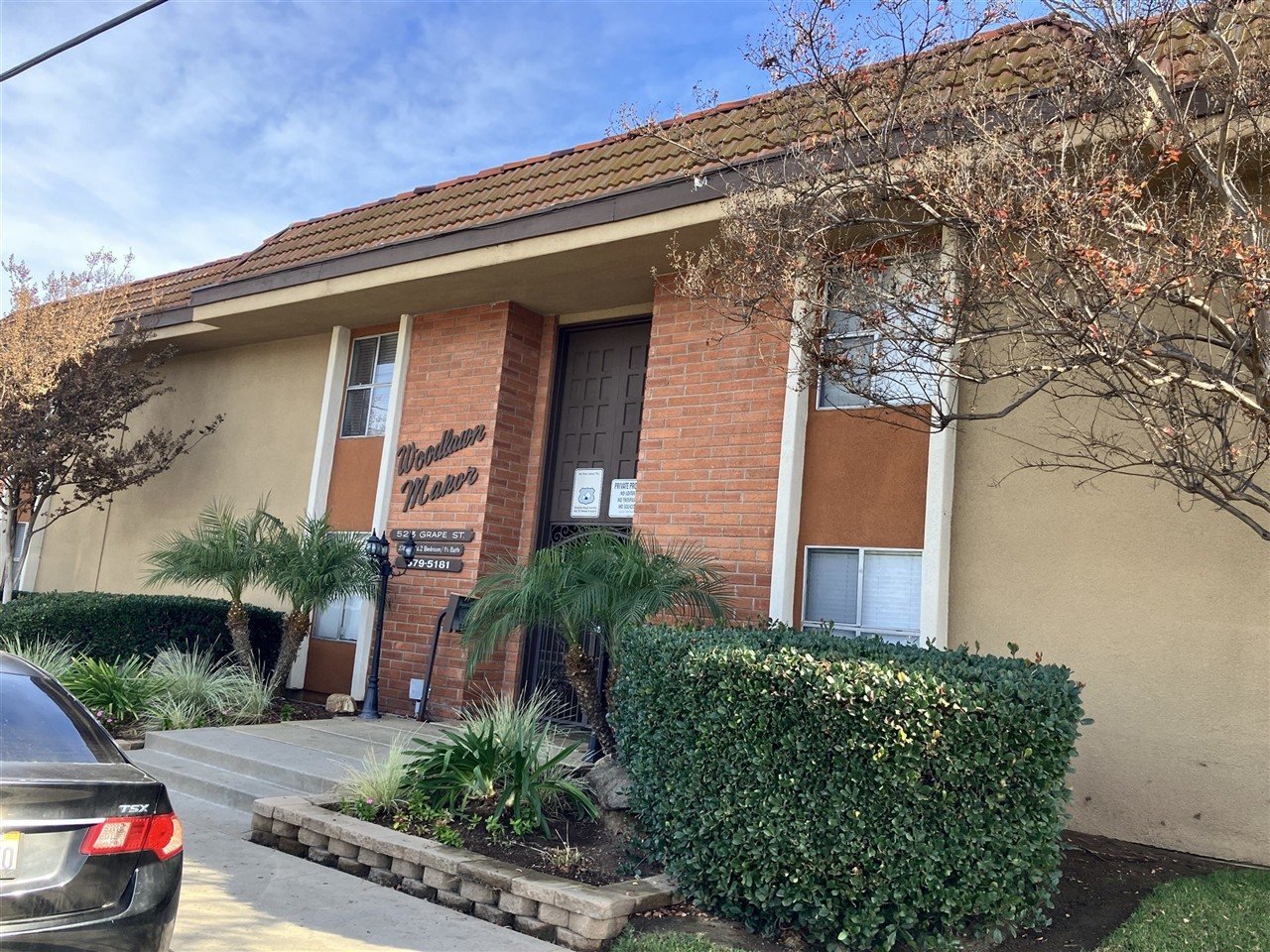
Condominium properties documented for SB 326 balcony compliance across San Diego County.
More inspections in College Area
- Seller inspection in College Area
- Warranty inspection in College Area
- Commercial roof cleaning in College Area
- Commercial inspection in College Area
- Home inspection in College Area
Nearby and countywide
Were You Happy With Your Inspection?
We are proud of our 4.9-star rating across 100+ Google reviews. If Joseph and the team did right by you, a quick Google review helps other San Diego County buyers and sellers find us.