
11-Month Warranty Inspection in Rancho Santa Fe, CA
Twelve months after you take occupancy of a newly built Rancho Santa Fe estate, the builder's first-year warranty closes for good, and on a custom home of this caliber the items it would have paid for are not small. An 11-month warranty inspection beats that deadline. I walk the entire property around month ten or eleven, while the builder is still contractually bound to correct workmanship and material faults, and I write each one up so you submit a single documented list before the coverage date arrives.
I'm Joseph Romeo. Rancho Santa Fe is its own kind of building environment — the Covenant's protected ranch and Spanish-Colonial architecture, multi-acre parcels along Linea del Cielo and El Montevideo, and homes that often run on private wells and septic rather than full municipal service. Many are slow-built one-off customs, not production tracts, which means more bespoke systems and longer runs of everything — and one full turn of inland heat, Santa Ana wind, and a wet winter is what brings a young estate's hidden defects up where I can record them. The Rancho Santa Fe home inspection hub handles buyer and seller inspections.
Call (619) 752-4399 Schedule an Inspection
What does an 11-month warranty inspection cover on a Rancho Santa Fe estate?
What I run is a full home inspection held to InterNACHI standards — not a builder's quick punch-list walk — and on a multi-acre custom property that scope spans more ground. Every finding answers one question: is this something the first-year warranty obligates the builder to repair? On a year-old Rancho Santa Fe home I work the whole property:
- Roof systems and water management — clay-tile, slate, or standing-seam roofs with their many chimneys, dormers, and turret penetrations; I read valleys, crickets, counter-flashing, and the scupper and gutter detailing a large estate roof depends on.
- Building envelope and masonry — smooth-troweled stucco, adobe-look and stone veneer, deep window reveals, and the sealant joints that have to absorb movement across long elevations.
- Private water and waste infrastructure — on a well, I check accessible pump, pressure-tank, and treatment connections; on septic, I note accessible components and flag what a specialist should verify.
- Mechanical, electrical, and conditioning — multi-zone heating and cooling balanced wing by wing, recirculating hot-water loops, standby generators and transfer switches, large panels with subpanels, grounding, and long branch runs.
- Interior, framing, and the land itself — plaster and drywall cracking, doors thrown out of plumb, stone and tile flatness, plus how the driveway, retaining walls, and grading move water off the parcel after a season.
Everything lands in a HomeGauge report with photos and exact locations, sequenced so a builder's warranty manager can read it as an actionable claim.
Which Rancho Santa Fe property traits drive year-one findings?
A new home inside the Covenant sits in a setting unlike a coastal tract or an inland subdivision — wide acreage, private utilities, dry-heat exposure well off the ocean, and oak-studded slopes — and that combination forces particular defects into the open during the first year:
- Large estate pads on native and engineered soil: these parcels are graded across rolling, oak-covered terrain, and as the cut-and-fill completes its first movement cycle you see slab and footing cracks, plaster separation, and binding doors stretched across a long footprint.
- Private wells and septic under load: a well and an on-site septic field only reveal their installation shortfalls after a year of real demand — pump cycling, pressure-tank behavior, treatment performance, and drain-field grading all show their hand in year one.
- Dry inland heat and Santa Ana wind: hard, dry heat far from the coast and seasonal offshore wind work hairline fractures into broad stucco and masonry walls and stress the sealant around the oversized glazing estates favor.
- Long private driveways and slope retention: the extended driveways and engineered retaining walls these acreage lots demand can settle, crack, or shift in the first year, and a grade pitched wrong sends runoff back toward the structure — all warrantable when caught in time.
What defects show up on year-old Covenant homes?
Across Rancho Santa Fe's newer customs and ground-up rebuilds, the warranty-window findings fall into familiar groups. Recording them now shifts the repair onto the builder instead of onto you once the coverage lapses:
- Movement at estate scale: cracking through slab, stucco, plaster, and stone joints as the broad fill pad settles, with tall window-wall and French-door units pulled out of square.
- Roof and flashing shortfalls: reversed or short flashing at the many penetrations, unsealed skylight and turret curbs, and thin sealant at chimney crickets on large tile, slate, or metal roofs.
- Well and septic install issues: short-cycling pumps, mis-set pressure tanks, treatment plumbed without proper bypass, and septic drain-field grading that ponds — items I flag for a licensed specialist to confirm.
- Conditioning that won't balance: zones that can't hold even temperature across a sprawling plan, a recirculation loop that never reaches the far wing, and condensate routed without real drainage.
- Plumbing and electrical loose ends: weeps at supply connections, a water heater never strapped to seismic code, panel directories that don't match the breakers, ungrounded receptacles, incomplete generator transfer-switch wiring, and missing GFCI/AFCI protection.
- Site and finish items: settled or cracked driveway sections, movement in new retaining walls, grading pitched toward the house, plus nail pops, telegraphing seams, and stone or tile lippage still under first-year workmanship coverage.
None of this brands the builder as careless — year-one defects are routine even on top-tier custom work. The value is documenting them while the warranty still funds the fix.
How does the visit run and what report follows?
Begin with a call to (619) 752-4399 or an email carrying the Rancho Santa Fe address. Timing governs the whole effort: set the visit for month ten or eleven so there's room to cover a large parcel, write a thorough report, and lodge your list before the warranty date elapses — custom builders won't reopen a deadline you let slide. Dig out your warranty documents first, since many builders use a proprietary claim form and a submission cutoff earlier than the occupancy anniversary.
On the property I work the full inspection in sequence — up on the roof, through attics and mechanical rooms, across every reachable system including accessible well and septic components, and out across the acreage for driveway, retaining walls, grading, and drainage. Each defect carries a photo and a precise location so a crew can walk straight to it.
What you get back is a full HomeGauge report headed by a warranty-ready list of qualifying items, photos included, usually in your inbox the same day or the next. The report states observed condition and nothing more — no bids, no repair work, no leak pressure-testing, no structural or engineering certifications. Should a finding require a pressure-test, a pest/WDO look, a Phase I environmental review, or an engineer's opinion, I'll flag it outright and refer a licensed specialist. Keeping those lines clear is what makes the report hold up on the builder's desk.
Why do Rancho Santa Fe owners trust my read on warranty items?
What makes a warranty inspection worth anything is the judgment behind it. Distinguishing ordinary first-year settling from a true defect comes from years on job sites, not from a form, and on a Covenant estate the cost of overlooking one system climbs fast. Joseph Romeo handles your inspection personally. He holds the InterNACHI Certified Professional Inspector (CPI) designation and a California CSLB General Contractor license, #1113143. That dual standing is what sets the report apart: having built and managed construction himself, he reads a custom home the way its trades do and describes each defect in terms a warranty department won't argue with.
- Two decades in the field and more than 10,000 inspections countywide, including Rancho Santa Fe's custom estates and the well-served acreage around the Covenant.
- A 4.9-star rating from 106 Google reviewers — owners, buyers, and the agents who refer them.
- No stake in the repair. Joseph writes up exactly what's there and walks away; because he doesn't sell fixes, your list never carries padding meant to drum up work.
To be clear on credentials: the CPI and CSLB licenses are real; he is not an ASHI or CREIA member, and there are no published flat rates — pricing follows the home's scale and systems. Email joe@sandiegohomeinspection.com or call the number above.
Which inspections pair with a new Rancho Santa Fe estate?
While the 11-month warranty inspection anchors a year-old estate, a handful of targeted services slot in alongside it during the same Rancho Santa Fe appointment:
- Thermal / infrared imaging — surfaces trapped moisture and gaps in insulation hidden behind new plaster, catching them before they turn into a warranty callback.
- Sewer or septic-line scope — sends a camera down the fresh lateral or septic run to find debris, bellies, and bad slope where settling fill may have nudged a young line off grade.
- Roof inspection — a closer, standalone look at clay tile, slate, or metal and the crowded penetrations whenever the warranty walk exposes flashing problems.
- Pool and spa inspection — verifies equipment, electrical bonding, and safety features on the elaborate backyard builds these properties tend to carry.
Not certain which of these your estate calls for? Pass along the address and I'll point you to what actually fits — browse all inspection services we offer or reach out through contact.
Rancho Santa Fe 11-Month Warranty Inspection FAQs
When should I book my 11-month warranty inspection in Rancho Santa Fe?
Do you inspect the well and septic on a Rancho Santa Fe estate?
Why does an estate's size change the warranty inspection here?
How does Rancho Santa Fe's terrain affect a new build's first year?
What defects is the builder actually obligated to fix?
What does an 11-month warranty inspection cost in Rancho Santa Fe?
New-home documentation
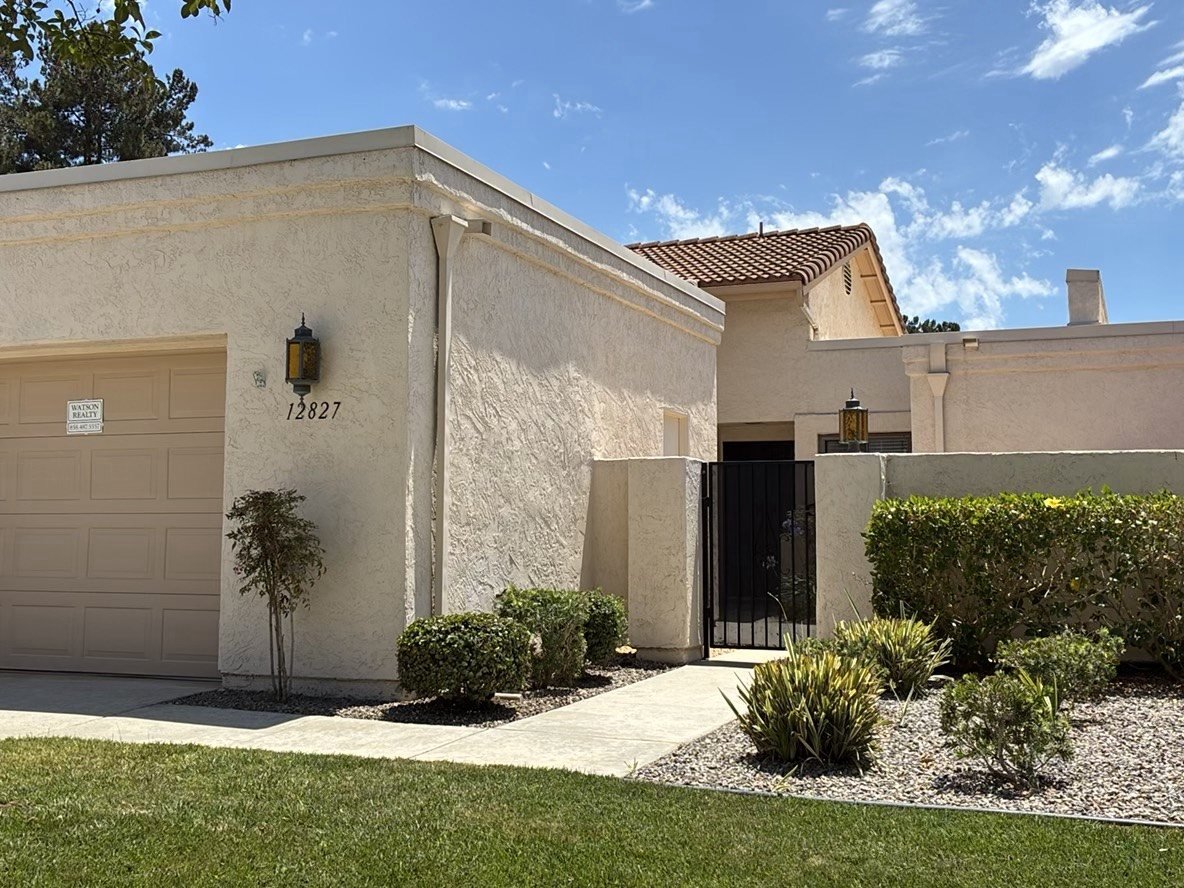
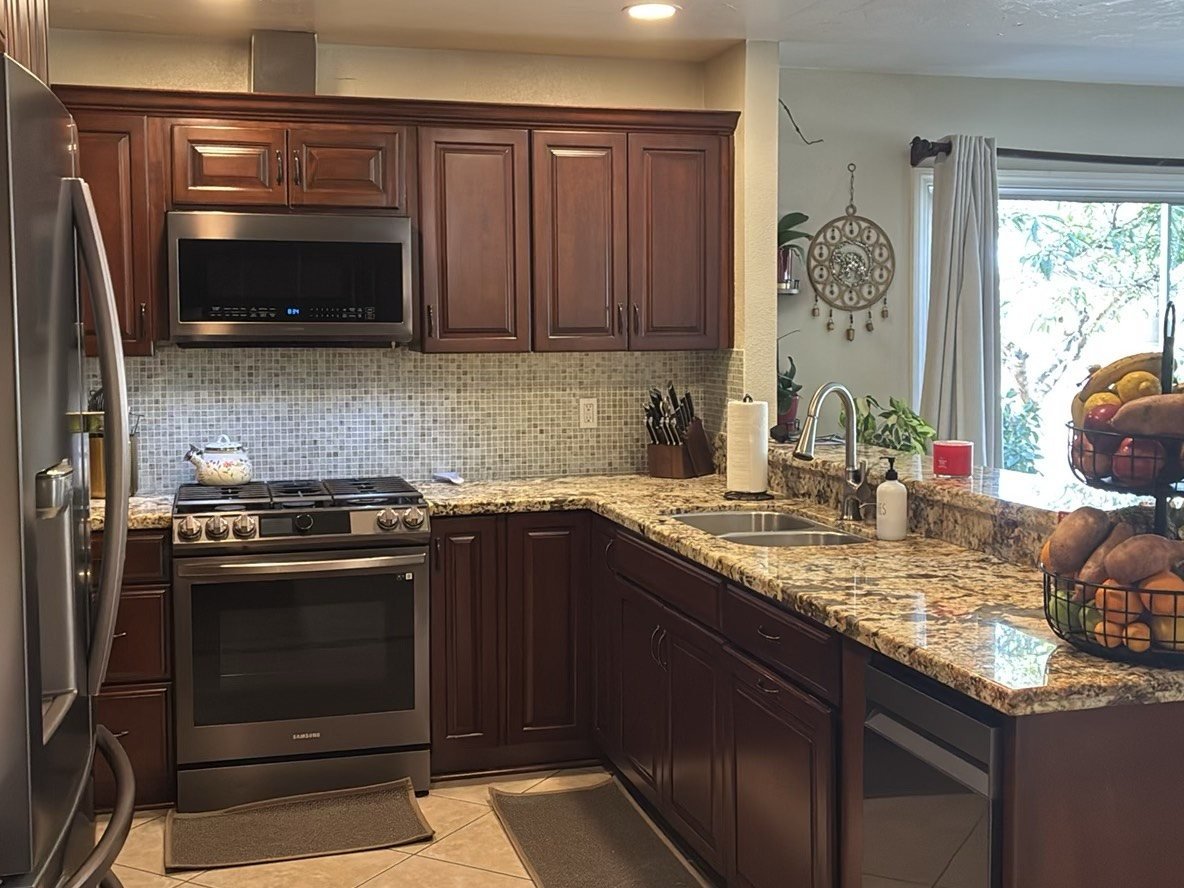
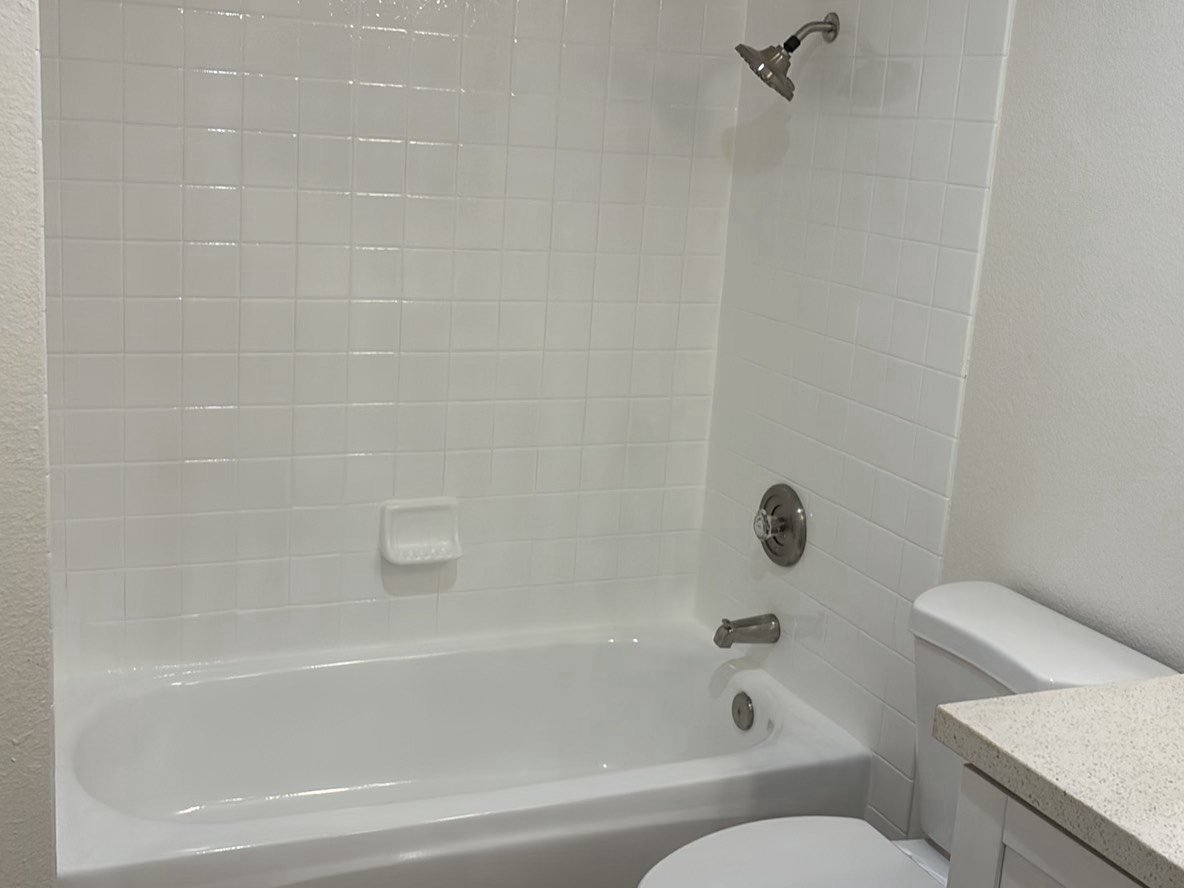
Photos from 11-month builder warranty inspections of newer San Diego homes.
More inspections in Rancho Santa Fe
- SB 721 balcony inspection in Rancho Santa Fe
- SB 326 balcony inspection in Rancho Santa Fe
- SB 721 exemption letter in Rancho Santa Fe
- Seller inspection in Rancho Santa Fe
- Home inspection in Rancho Santa Fe
Nearby and countywide
Were You Happy With Your Inspection?
We are proud of our 4.9-star rating across 100+ Google reviews. If Joseph and the team did right by you, a quick Google review helps other San Diego County buyers and sellers find us.