
SB-721 Exemption Letter in Rancho Santa Fe, CA
The first thing to know about SB-721 in Rancho Santa Fe is that most parcels out here never come within reach of it — and the second is that owners still get asked to prove that. This is a community of multi-acre estates on private wells and septic, with detached guest houses, equestrian barns, and pool casitas spread across the grounds. SB-721 was written for a different animal: rental and apartment buildings of three or more dwelling units carrying exterior elevated elements — balconies, decks, exterior stairs, landings, and walkways more than six feet above grade that lean on wood-based products for structural support. A single estate, however large, sits below that line. The question only sharpens once a property has a rented caretaker's unit over a garage, a leased guest house, or a barn apartment in the mix.
An SB-721 exemption letter is a professional applicability assessment that puts the answer on paper: why the statute does not reach a given Rancho Santa Fe property, written for the owner's records, a lender refinancing high-value collateral, an insurer pricing a complex estate, or the County of San Diego if anyone asks. I'm Joseph Romeo, and I walk the grounds and write the letter myself. The line I draw at the outset: I assess applicability and document it — I do not waive any legal requirement, and if a building genuinely falls under SB-721, the letter will tell you so.
Call (619) 752-4399 Schedule an Inspection
What does the exemption letter resolve for a Rancho Santa Fe estate?
This is an applicability determination, not a defect write-up — the reverse of what a deficiency report does. It settles one narrow question with documented reasoning: does SB-721 reach this Rancho Santa Fe property at all? Answering it honestly means measuring each trigger the statute names against what actually sits on the parcel:
- Dwelling-unit count. The law applies to rental buildings of three or more units. One estate falls short, even sprawling across several acres. Where a main residence, a leased guest house, and a rented caretaker's quarters share the grounds, the genuine count and rental status decide the matter.
- Exterior elevated elements. Whether any balcony, deck, exterior stair, landing, or walkway clears six feet above grade — or whether the estate's outdoor living runs to ground-level loggias, motor courts, and pool terraces that never rise to the threshold.
- Wood-based structural support. Whether an elevated element truly rests on wood framing — not the steel cantilevers, masonry stairs, and concrete-podium terraces that custom builds out here tend to favor.
- Weatherproofing dependence. Whether the element relies on weatherproofing to shield that wood framing, the back half of the statute's own definition.
Where a property is single-family, sits below three rental units, or carries no qualifying wood-supported element, it lands outside SB-721 and the letter spells out exactly why. Where one qualifying element on a true multi-unit configuration meets the test, the candid deliverable says the building is covered — and an inspection, not an exemption, is what you owe.
Why do Rancho Santa Fe estates pose the question differently?
Most places weighing SB-721 are looking at aging garden apartments. Out here the question takes a shape all its own, set by how these estates are built, occupied, and serviced:
- Outbuildings that quietly add units. A barn apartment, a casita, a unit over the carriage-house garage — if one is leased and the parcel tips into multi-unit territory, an owner wants applicability settled in writing rather than assumed across acreage.
- Architect-driven, non-wood structures. Custom Covenant builds lean on steel-frame cantilevered terraces, board-formed concrete decks, and stone stairs. Elements that read as balconies are routinely engineered in materials that fall outside the wood-supported trigger.
- Covenant and association governance. Much of Rancho Santa Fe sits under the Covenant and its art-jury oversight, and owners conflate SB-326 with SB-721. SB-326 governs condominium common-interest developments — not detached single-family estates inside an association — so for many owners here the right answer is that neither statute's multifamily duty applies, and that conclusion itself is worth recording.
- Well, septic, and complex custom systems. Estates run on private wells, septic, and intricate mechanical setups that draw lender and insurer scrutiny on eight-figure collateral. A signed exemption letter closes the SB-721 line item before paperwork stalls a refinance or a binder.
What do I commonly determine on Rancho Santa Fe assessments?
Survey enough estates out here on this question and the outcomes settle into a familiar few. Each is recorded with photographs, height measurements, and the reasoning behind the call, so the letter carries its own weight:
- Single estate, below threshold — the usual result. One residence, even alongside a non-leased guest house or casita, never reaches three rental dwelling units, so the landlord requirement doesn't attach.
- Non-wood elevated elements — terraces and stairs built in steel frame, concrete podium, or quarried stone, outside the wood-supported definition even where they plainly clear six feet.
- Ground-level outdoor living — broad at-grade loggias, pool terraces, and motor courts with nothing crossing the six-foot rise to evaluate.
- Real multi-unit configuration — the rarer case where a leased barn apartment or guest unit pushes the parcel to three or more, with a qualifying wood deck or stair among them. Here I tell you straight that the building is covered and route you to the inspection.
I won't invent an exemption. If a Rancho Santa Fe property earns one, the assessment documents why; if it doesn't, you get a direct answer and the correct next step instead.
How does the assessment run and what letter do you receive?
It opens with a call to (619) 752-4399 or an email to joe@sandiegohomeinspection.com carrying the property address, a rundown of any guest house, barn apartment, or accessory units, and a note on whether anything on the grounds is leased. Estates here sit behind gates and often a property manager, so I arrange access and time the walk around household, ranch-hand, and staff schedules rather than arriving cold.
On site I survey every exterior walking surface across the main residence and each detached structure — guest house, casita, barn, pool house — measure heights wherever the six-foot trigger is genuinely in play, and read framing and material behind a stone or stucco finish where it's reachable, to confirm whether an elevated element is the wood-supported, weatherproofing-dependent type the statute names. I also pin down the dwelling-unit count and lease status, because on an acreage parcel that fact often decides applicability outright.
You receive a signed applicability assessment and exemption letter: the property identified, the elements and units observed, supporting photographs, the precise statutory basis for exemption (single-family, below threshold, non-wood construction, or no qualifying elevated element), and a plain statement of scope. It's written so a lender, insurer, the association, or the County of San Diego can rely on it without my having to explain it, delivered through HomeGauge same day or next day. To be exact about what this is: I offer a professional opinion on applicability and document it — I do not waive, override, or grant relief from any legal requirement, and I don't perform repairs or issue structural or engineering certifications. Where a structural question surfaces on a complex build, I coordinate a licensed specialist.
Why do Rancho Santa Fe owners have me make this call?
An applicability determination is only as sound as the person reading the structure, and on custom acreage estates the materials and load paths are anything but off-the-shelf. The assessment is led by Joseph Romeo, an InterNACHI Certified Professional Inspector (CPI) who also holds a California CSLB General Contractor license (#1113143). That contracting background is the entire point here: I've framed the decks, cantilevers, and exterior stairs the statute describes, so on a Rancho Santa Fe estate I can distinguish wood-framed support from a steel cantilever or a board-formed concrete terrace on sight — the exact line the letter turns on.
- 20+ years and more than 10,000 inspections across San Diego County, including the custom-estate and ranch corridors of the North County inland.
- 4.9 stars across 106 Google reviews from owners, managers, and agents who needed a clear, defensible answer.
- Independent and conflict-free — I document the property's status and don't bid or perform repairs, so nothing nudges the finding toward more work.
For transparency: I'm InterNACHI CPI and CSLB-licensed; I'm not an ASHI or CREIA member. I won't write an exemption a property hasn't earned, and I don't post flat prices — scope rides on the estate's size and how many structures there are to survey, so see the fee schedule or send the address for a quote.
Which inspections pair with a Rancho Santa Fe exemption letter?
An exemption letter settles one question. Given how much building sits on a typical Covenant parcel, owners often fold in a focused service on the same gated visit:
- SB-721 balcony inspection — the full elevated-element evaluation if a genuinely multi-unit rental configuration with qualifying wood elements turns up.
- SB-326 balcony inspection — the right track for any condominium common-interest development governed by that statute rather than SB-721.
- Full estate / pre-listing inspection — a complete read on the main residence, guest house, barn, and systems before a sale or refinance.
- Roof inspection — a focused look at the tile, slate, and clay coverings common on custom ranch builds.
- Thermal / infrared imaging — reads concealed moisture behind stone and stucco and at deck-to-wall connections without opening finishes, a real edge on high-end envelopes.
If you hold more than one property out here, I can assess applicability across them in a single pass and keep the documentation consistent, so each estate carries a clear answer on file.
Rancho Santa Fe SB-721 Exemption Letter FAQs
My Rancho Santa Fe property is a single-family estate. Do I even need this?
I lease a guest house or barn apartment on my grounds. Does that change things?
Does the Covenant association mean SB-326 applies to my estate instead?
My estate has raised terraces and exterior stairs. Are they automatically covered?
Is an exemption letter a waiver from the law?
What does an SB-721 exemption assessment cost in Rancho Santa Fe?
Properties we evaluate
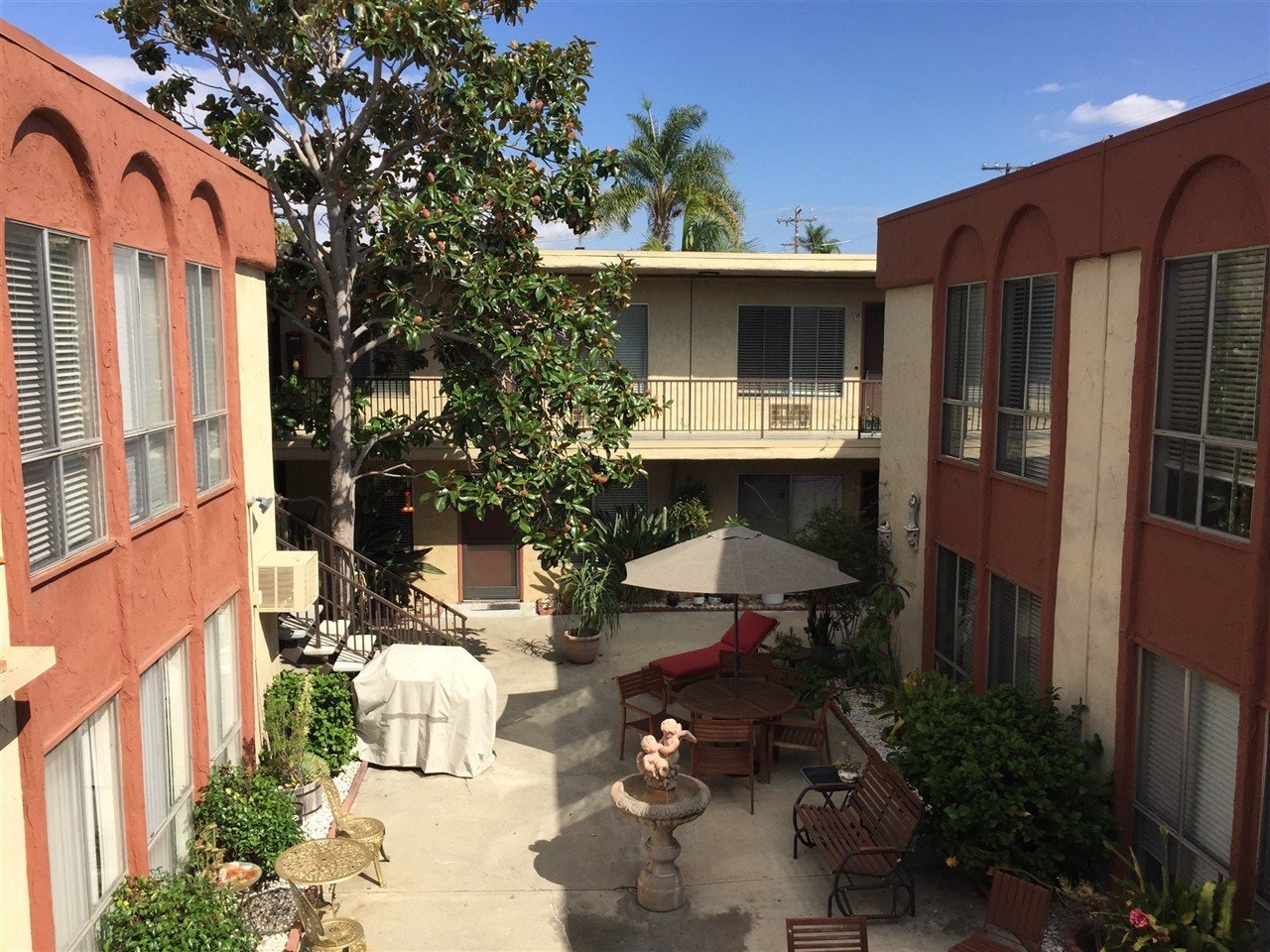
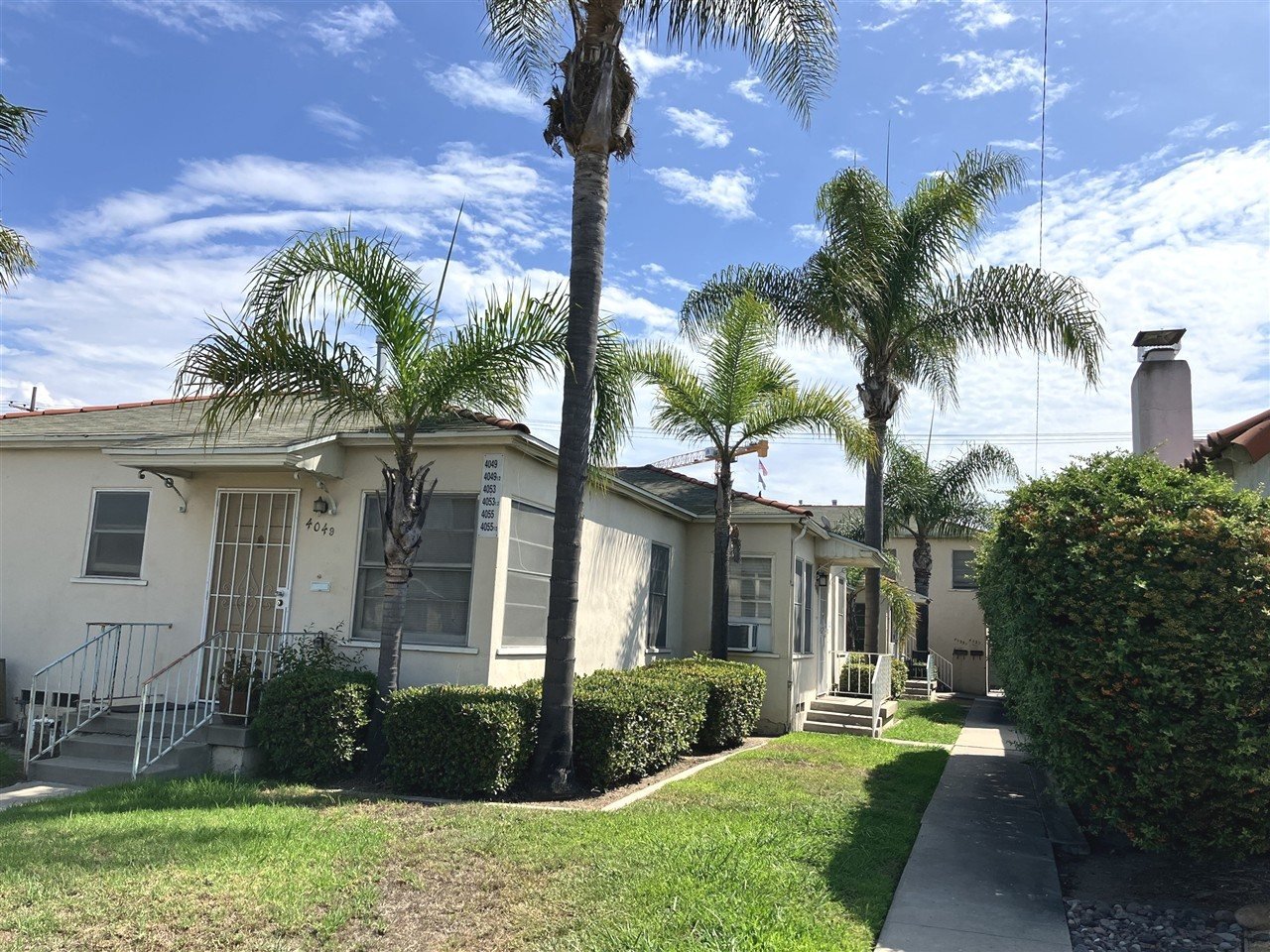
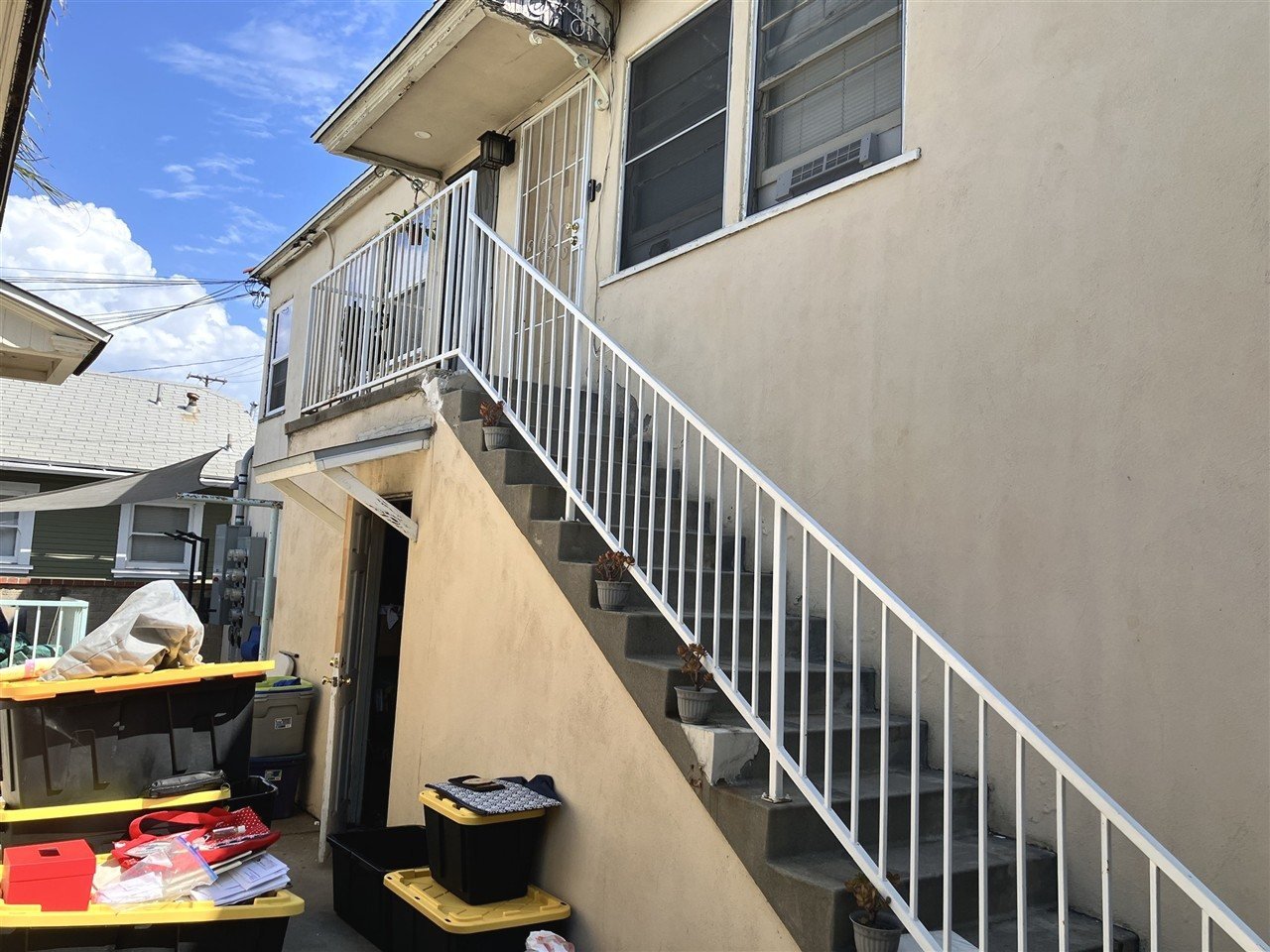
Properties evaluated for SB 721 exemption letters across San Diego County.
More inspections in Rancho Santa Fe
- Pool and spa inspection in Rancho Santa Fe
- Sewer scope inspection in Rancho Santa Fe
- 4-point inspection in Rancho Santa Fe
- Roof inspection in Rancho Santa Fe
- Home inspection in Rancho Santa Fe
Nearby and countywide
Were You Happy With Your Inspection?
We are proud of our 4.9-star rating across 100+ Google reviews. If Joseph and the team did right by you, a quick Google review helps other San Diego County buyers and sellers find us.