
SB-326 Balcony Inspection in Rancho Santa Fe, CA
Mention Rancho Santa Fe and most people picture detached estates on multi-acre lots — and those single-family homes sit outside SB-326 entirely. The law reaches a narrower but very real slice of the Covenant and its newer master-planned enclaves: the attached, HOA-governed residences inside the gated golf communities. The villa clusters and casitas at The Bridges and The Crosby, the attached homes around Cielo and Del Rayo Village, and the multi-level townhome-style stacks tucked into these private associations all answer to a board, and that board carries the duty SB-326 writes into the Davis-Stirling Act.
The statute directs a common-interest association to retain a licensed inspector who examines its load-bearing exterior elevated elements — the wood-framed balconies, decks, stair landings, and elevated walkways residents stand on — together with the waterproofing that shields that framing from weather. The inspector reviews a statistically representative random selection rather than every unit, grades the framing and membrane on each, and issues a report the board files with its reserve study. Cycle one closed January 1, 2025; the next falls due nine years out. We sample, grade, and document condition — the repairs themselves go to a licensed contractor. The detached estates are covered by the wider Rancho Santa Fe inspection hub; this page is for the associations that own elevated wood.
Call (619) 752-4399 Schedule an Inspection
What does an SB-326 sample cover on a Rancho Santa Fe association building?
Two categories drive everything SB-326 looks at: the elements holding residents above grade, and the waterproofing that decides how long that wood lasts. Inside a Rancho Santa Fe common-interest community — the attached villas, casitas, and townhome stacks within the golf-club associations — a sampled element generally falls into one of these:
- Upper-level balconies and private terraces cantilevered or hung off second-story living space, where the inspector reads the joists, the ledger anchoring the deck to the wall, and the coating sealing the surface.
- Elevated walkways and bridging landings stitching attached units together, including the beams and posts beneath that absorb everyday foot traffic across these resort-style floor plans.
- Exterior wood stairs serving upper villas, where stringers, treads, and the steel that ties them are left open to the dry valley sun.
- Guardrails and handrails riding every elevated element, tested for firm anchorage and whether they still push back against a lateral shove.
- The waterproofing assembly — deck membranes, metal flashings, sealant joints, and the drainage that moves water off the surface — evaluated alongside the structure, since moisture reaching the framing is the failure mechanism the whole law is built around.
The trait that sets SB-326 apart is the random selection: not a wall-to-wall survey, but a slice of each element type broad enough that its condition fairly mirrors the association as a whole. When a finished surface buries the framing, the statute allows agreed intrusive probing, cleared with the board first. We grade each chosen element, capture it in photographs, and translate remaining-life into terms the reserve study can use. Anything in the structural repair category routes to a licensed engineer or contractor — we observe and report what the sample showed.
How does Rancho Santa Fe's setting wear elevated wood?
Rancho Santa Fe sits well inland, lifted into the rolling hills east of the coastal terrace, so its balcony problems aren't written by salt fog. They come instead from a hot, arid climate, heavily irrigated estate grounds, and the custom build quality these associations are known for:
- Relentless inland sun. The Covenant bakes through long, dry summers far from the marine layer, and that ultraviolet load is brutal on elastomeric deck coatings and sealant beads — it chalks, embrittles, and shrinks them until a hairline opens at exactly the seam where water can slip under the membrane.
- Irrigation everywhere. These communities are landscaped to a manicured standard, with spray heads and drip lines running daily around the buildings. Overspray and elevated soil moisture keep post bases, stair feet, and rim framing damp long after the sky has gone dry — a localized wet zone the climate alone wouldn't create.
- Custom, resort-scale deck assemblies. Villa and casita decks here are generous and architecturally varied, with wide spans, tiered terraces, and decks built over conditioned rooms below. More linear feet of flashing and more transitions mean more seams, and every seam is a candidate the sample is designed to find.
- Hillside grading and runoff. Buildings stepped into sloping terrain shed and collect water in ways flat sites don't, concentrating drainage against lower framing and the foot of exterior stairs on the downhill side.
- Wide day-to-night temperature swings. Inland valleys cool sharply after sundown, and that daily expansion and contraction works sealant joints and coating laps loose over the years — mechanical fatigue on top of UV damage.
What findings recur on Rancho Santa Fe association decks?
Sample enough custom villa and casita decks across these gated communities and a familiar set of conditions shows up. A finding isn't a verdict against the building — SB-326 exists precisely so a board spots decay early and reserves for it — but each is logged plainly so the association and its specialists argue from shared facts:
- UV-fatigued deck coatings. Chalked, thinned, or hairline-cracked elastomeric surfaces, worst where a broad terrace abuts the building wall — the dominant entry point on these wide resort-style decks.
- Sealant pulled from thresholds and rail posts. Original caulk at slider sills and guardrail penetrations dried, shrank, and lost adhesion under the inland heat, opening a direct channel into the framing.
- Decay at the deck-to-wall connection. Softened framing where a cantilevered or over-living-space deck ties back into the structure — the gravest finding, because that joint carries the span's load.
- Irrigation-driven rot at grade. Post bases and stair feet softened by daily overspray on manicured grounds, often hidden behind decorative landscaping.
- Corroded connection hardware. Rusting joist hangers and lag bolts anywhere a coating breach or wet soil has kept the wood damp on an estate building.
- Loose guardrails. Railings that have lost their grip because the wood or fastener behind them gave way — an immediate safety flag the board has to address.
- Ponding on broad terraces. Wide shared surfaces that drain slowly and hold water against the structure long after a dry valley afternoon.
We draw a hard line between cosmetic aging and anything affecting load or safety, so a flagged item points to a genuine structural or safety concern the board can act on with confidence.
How does the process run and what document does your board file?
The first step is a call to (619) 752-4399 or an email with the project address, the building count, and a rough tally of balconies, walkways, and stair flights. A Rancho Santa Fe association of large, varied custom villas sizes its sample very differently than a repeating townhome row, so we set the random selection and arrange access through the board or management company around the reserve-study calendar — whether you're squaring away the January 1, 2025 first-cycle obligation or scheduling the nine-year repeat.
On site we move methodically through the selected balconies, decks, walkways, landings, and stairs — reading the visible framing, the waterproofing, the connection hardware, and the guardrails — and photographing the condition of each element we evaluate. When the evidence hints at concealed damage — a stained ceiling beneath an over-living-space deck, a landing that flexes underfoot, a coating split at a ledger — we walk the board through agreed intrusive probing before anything is opened, so access and patch-back are settled up front rather than improvised.
The association receives a HomeGauge report shaped the way SB-326 expects: every sampled element identified, its condition documented with photographs, a finding of whether it stands in a safe condition or shows substantial damage, any element posing an immediate threat called out plainly, and the next inspection date named — written in the EEE vocabulary your reserve analyst reads, not a bare pass-or-fail page. Turnaround is generally same day or next day. Our lane stays narrow on purpose: we inspect and report what we observed. We don't design or perform the repairs, and we don't issue structural certifications on a building we inspected — when a finding needs repair drawings or a stamped opinion, we say so and coordinate or refer the right licensed engineer or contractor, which keeps the report independent of any repair sale. Termite/WDO, pest, and engineering certifications fall to a licensed specialist we coordinate when they apply.
Why do Rancho Santa Fe boards call Joseph Romeo?
Judging a custom wood deck for hidden decay off a representative sample takes someone who understands how these assemblies are framed, hung, and sealed — and the larger and more elaborate the deck, the more that judgment counts. Your inspection is led by Joseph Romeo, an InterNACHI Certified Professional Inspector (CPI) who also holds a California CSLB General Contractor license (#1113143). Because he has built and rebuilt the ledger connections, exterior stairs, and deck membranes he now evaluates, he can tell a Rancho Santa Fe board whether a finding is a coating refresh or a framing repair that needs an engineer — the call that decides how large a reserve contribution has to be.
- 20+ years and more than 10,000 inspections across San Diego County, including the gated, HOA-governed estate communities of the north county interior.
- 4.9 stars across 106 Google reviews from boards, managers, owners, and agents.
- Independent of the repair — we document condition and don't bid the work we flag, so nothing in the report nudges the association toward buying a fix.
- Clean safe / substantial-damage findings with photo documentation built to drop straight into the reserve study and the SB-326 record your association maintains.
For the record: we are InterNACHI CPI and CSLB-licensed, not ASHI or CREIA members, and we don't post flat pricing — the fee follows the community's size and how many elements the sample reaches. Check the fee schedule, or send the address and building count for a quote before you book. Reach us at joe@sandiegohomeinspection.com or the number above.
Which inspections pair well for Rancho Santa Fe associations?
SB-326 trains tightly on the sampled exterior elevated elements, so boards weighing a community's broader exposure often add a wider look coordinated into one mobilization:
- SB-721 balcony inspection — the sister EEE law for rental buildings of three or more units; if any portion of a Rancho Santa Fe property operates as rentals rather than a common-interest development, that's the standard that controls.
- Roof inspection — the roof covering and flashing share the waterproofing job that protects upper walkways and balconies, so they read naturally together on these multi-level estate buildings.
- Thermal / infrared imaging — pinpoints concealed moisture behind deck coatings and at ledger ties before anything is opened, valuable when a wide custom terrace looks sound but the board suspects water has gotten past it.
- Full building / multi-unit inspection — a broader read on structure, electrical, plumbing, and HVAC across the development during a reserve update or a major capital decision, well suited to the complex custom systems in these communities.
- Structural / engineering review — referred when a flagged element needs a stamped repair design.
If your Rancho Santa Fe property is an apartment complex rather than a condo or HOA, SB-721 — not SB-326 — governs, and we'll point you to the right inspection instead of running the wrong one. Send the address and building count and we'll tell you what's worth scheduling before your cycle comes due. Browse all inspection services or check the fee schedule.
Rancho Santa Fe SB-326 Balcony Inspection FAQs
Does our Rancho Santa Fe HOA need an SB-326 inspection?
When was the SB-326 deadline, and how often does it repeat?
Do you inspect every balcony in our Rancho Santa Fe community?
We're inland, not coastal. Does that change what you look at?
What does this report do for our reserve study?
Do you repair the balconies you flag?
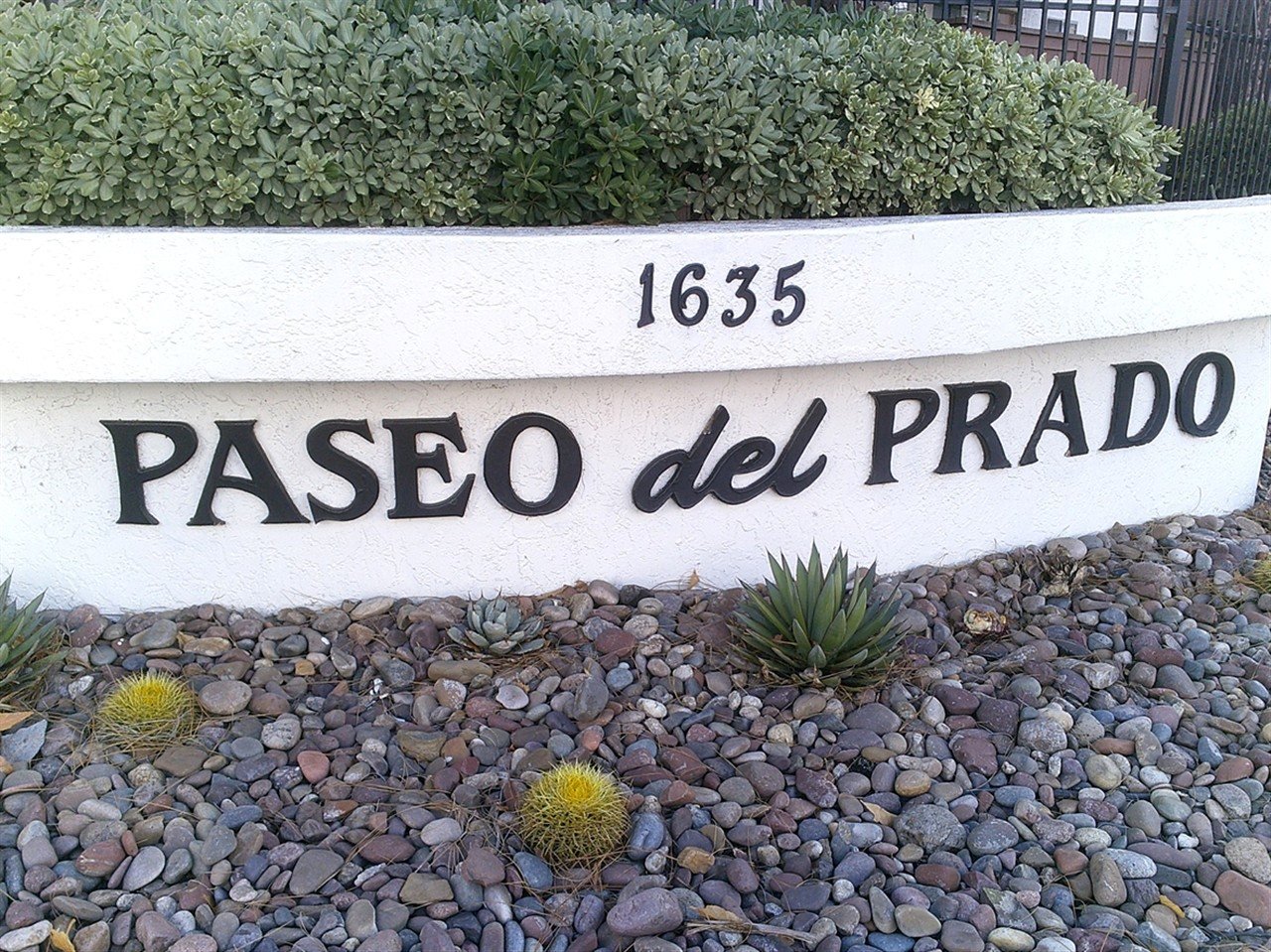
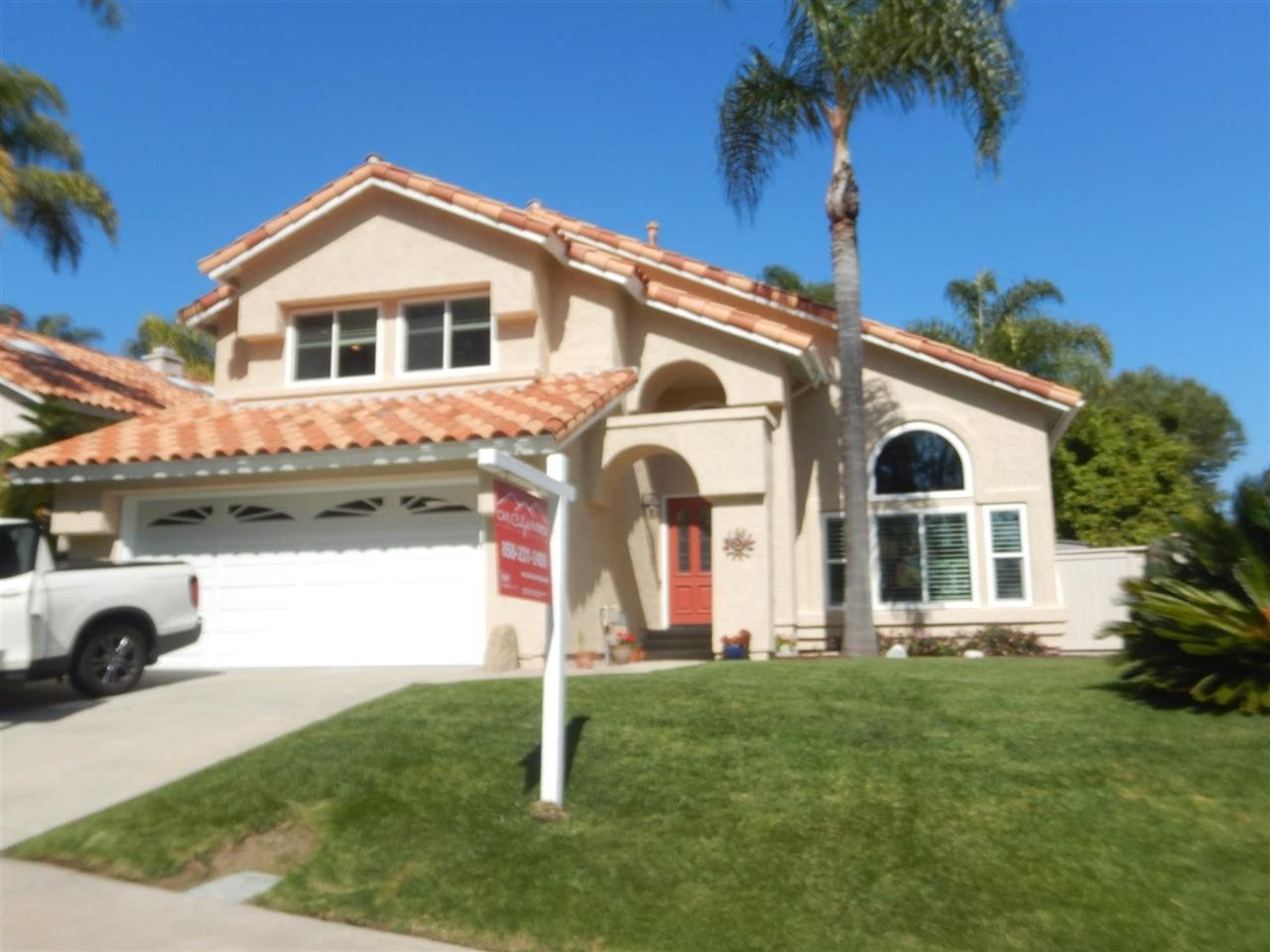
HOA properties we inspect
Condominium properties documented for SB 326 balcony compliance across San Diego County.
More inspections in Rancho Santa Fe
- Foundation slab survey in Rancho Santa Fe
- SB 721 balcony inspection in Rancho Santa Fe
- SB 721 exemption letter in Rancho Santa Fe
- Seller inspection in Rancho Santa Fe
- Home inspection in Rancho Santa Fe
Nearby and countywide
Were You Happy With Your Inspection?
We are proud of our 4.9-star rating across 100+ Google reviews. If Joseph and the team did right by you, a quick Google review helps other San Diego County buyers and sellers find us.