
Seller's Pre-Listing Inspection in Rancho Santa Fe, CA
Selling inside the Covenant is its own kind of transaction. A Rancho Santa Fe property is rarely just a house — it is an estate on an acre or several, often with a private septic system and leach field, a well or shared water source, an avocado or citrus grove, a barn or guest quarters, and mechanical systems custom-built for a footprint a buyer's inspector will spend the better part of a day working through. A seller's pre-listing inspection is that same full inspection, run on your own schedule before the home goes active, so you read the report before any buyer's side does.
At Ranch price points the stakes are not measured in repair dollars but in deal dollars. When a buyer's inspector is the first to flag a leach field nearing capacity, an end-of-life HVAC zone in the main wing, or moisture under a graded hillside pad, the conversation that follows is a credit demand on a multimillion-dollar contract or a buyer drifting out during the contingency. We inspect to the InterNACHI Standards of Practice across every accessible system on the property, hand you a documented HomeGauge report, and give you room to repair, gather bids, or disclose and price with full knowledge of what you own. On a Rancho Santa Fe listing, holding that report first is how you keep a cautious buyer from setting the terms.
Call (619) 752-4399 Schedule an Inspection
What does a Rancho Santa Fe seller's pre-listing inspection include?
This is a whole-property inspection rather than a spot check, and on a Ranch estate "whole property" reaches well past the main residence. We apply the same InterNACHI Standards of Practice a buyer's inspector uses, documenting every accessible system:
- Roof and exterior envelope — the clay and concrete tile, slate, or built-up coverings on these long custom rooflines, underlayment age, flashing at the many valleys and skylights, plus the stucco, adobe, and heavy wood detailing common on Covenant homes from the Lilian Rice era forward.
- Foundation, framing, and site grading — slab or raised foundations on graded pads, retaining systems, and the cut-and-fill hillside conditions that come with acreage in the San Dieguito hills.
- Multi-zone HVAC — the several furnaces and condensers it takes to climate-control a sprawling single-story plan, each unit's age and operation, sized against real inland summer heat.
- Electrical and low-voltage — high-amperage service, subpanels feeding the barn, guesthouse, or well pump, generator transfer gear, and the solar arrays now common on these roofs.
- Plumbing, well, and septic context — supply and drain materials, multiple water heaters or a recirculating loop, well and pressure equipment where present, and the visible condition and accessible components of the septic system that serves much of the Ranch.
- Outbuildings, attic, and interior — barns, guest quarters, and detached garages, attic insulation and ductwork, windows, and any moisture the walk-through reveals.
You receive the same photo-documented HomeGauge report a buyer would — observed condition across the entire estate, delivered to you first.
Why do Rancho Santa Fe estates raise the stakes here?
A pre-listing inspection matters more here, not less, because of what the Ranch concentrates onto a single deed: a large custom home, acreage, and rural infrastructure most San Diego properties simply do not have. Each of these is something a buyer's inspector knows to test hard.
- Septic and leach fields, not city sewer. Much of the Covenant runs on private septic. A system near capacity, a saturated leach field, or an undocumented tank is one of the most common — and most expensive — surprises a buyer's side can surface mid-escrow.
- Private wells and water infrastructure. Where a property draws from a well or shared source, the pump, pressure tank, and storage are their own inspection subjects, and buyers want them documented before they commit.
- Groves, irrigation, and dense landscaping. Avocado and citrus groves, mature eucalyptus, and extensive irrigation drive root intrusion, drainage load, and brush-clearance questions a careful buyer raises directly.
- Custom rooflines that hide their age. Long tile and slate roofs with deep valleys and skylights conceal flashing wear and underlayment fatigue the curb view never reveals.
- Layered remodels across decades. Many Ranch estates have been updated in phases, leaving an aging panel, original supply lines, or a tired condenser behind high-end finishes that imply everything is new.
- Wildfire-interface terrain. The brush, slope, and tree canopy that make these lots beautiful also put them in the wildland-urban interface, where defensible-space and roof-vent details get scrutinized.
What do we commonly turn up before a Rancho Santa Fe listing?
Inspect enough estates inside the Covenant and a familiar set of items recurs — the same ones a buyer's inspector would document, which is exactly why finding them first keeps each a decision rather than a demand:
- Septic systems overdue for attention. Tanks past a service interval, leach fields showing surface signs of saturation, or risers and components that need locating — items buyers here pursue aggressively.
- Well and pressure equipment near end of life. Aging pumps, waterlogged pressure tanks, and storage overdue for service on properties off the public main.
- One or more HVAC units past their prime. Across a multi-zone system it is common for a furnace or condenser to be corroded or end-of-life while the others run fine — easy for a buyer to bundle into a credit ask.
- Roof underlayment and flashing wear. Sound tile or slate over felt that has spent its life under inland sun, with tired flashing at the valleys and skylights these custom roofs are full of.
- Hillside drainage and grove root intrusion. Grading that has settled toward the structure, plus roots from groves and eucalyptus working into drains and laterals.
- Aging supply lines and gaps in subpanels. Original galvanized or tired drain lines behind remodeled kitchens and baths, and outbuilding subpanels with deferred GFCI/AFCI coverage.
Surfaced early, each becomes yours to repair, bid out, or disclose and price around — rather than a line item a buyer uses to reopen a settled number.
How do we run the inspection and what report do you list with?
It starts with a call to (619) 752-4399 or an email to joe@sandiegohomeinspection.com with your Rancho Santa Fe address and your listing timeline. On an estate this size, plan for more time on site and ideally a few weeks of runway before photos, so you can act on anything found before the property goes active and align disclosures with your agent.
Joseph Romeo inspects the property end to end: the tile or slate roof where it is safe to access, the attic insulation and ductwork, the foundation and hillside grading, every HVAC zone under operation, the high-amperage service and any subpanels feeding the barn, guesthouse, or well, plumbing throughout, and the visible and accessible septic components that serve so many Covenant lots. You are welcome to walk along — seeing a worn flashing detail or a saturated patch over a leach field in person makes the repair-versus-disclose call far easier than reading it cold.
Your deliverable is a complete HomeGauge report, usually delivered the same day or the next day, with photos and plain-language findings you can hand directly to your agent and to qualified buyers. Because you hold it first, you control the next move — repair what is worth repairing, disclose and price around the rest, and use the report to anchor honest disclosures. One line we hold: we report observed condition and do not bid or perform repairs, which is precisely what makes a seller-ordered report credible to a buyer's side. Where a finding calls for a full septic pump-and-certify, a well water-quality test, termite/WDO, or a structural or engineering opinion, we coordinate or refer the right licensed specialist rather than reach past our scope.
Why do Rancho Santa Fe sellers trust Joseph Romeo?
On an estate, a pre-listing report is only as good as the judgment reading it — knowing whether a roof valley has years left under the underlayment, or whether one tired HVAC zone warrants replacement before listing, is what keeps you from over-disclosing or overspending. Your inspection is led by Joseph Romeo, an InterNACHI Certified Professional Inspector (CPI) who also holds a California CSLB General Contractor license (#1113143). On a complex custom home, that contractor's eye is a real edge — he can tell you which findings actually move a luxury buyer and which are cosmetic, so repair money goes where it protects the sale.
- 20+ years and more than 10,000 inspections across San Diego County, from North County's gated estates and Covenant acreage to its coastal and inland stock.
- 4.9 stars across 106 Google reviews from sellers, buyers, and the agents who refer them back.
- Independent and conflict-free — we report what is there and do not sell repairs, which is what makes a seller-ordered report believable on a high-value listing.
- Reports a Rancho Santa Fe listing agent can hand a discerning buyer with confidence — clear, photo-backed, and straight about condition.
For the record, we are InterNACHI CPI and CSLB-licensed; we are not ASHI or CREIA members, and we do not post flat prices — the fee follows the property's size and complexity, so we point you to the fee schedule or confirm a quote before you book.
Which inspections are worth pairing before listing?
The pre-listing inspection answers the whole-property question, but several systems on a Ranch estate warrant a closer standalone look before you list — the same ones a buyer is most likely to press on. We can line these up around the same visit:
- Sewer or septic-line scope — a camera through the lateral or septic run, often a long private path under mature groves and graded fill where roots and settlement cause the late-escrow surprises buyers here scope for.
- Roof inspection — a deeper standalone read on tile or slate underlayment, valley flashing, and skylight penetrations when the main report flags wear on these intricate rooflines.
- Thermal / infrared imaging — surfaces hidden moisture behind stucco and adobe walls before a buyer's inspector finds the stain.
- Pool and spa inspection — equipment, heaters, bonding, and safety for the resort-style backyards nearly every estate here carries.
On a large Rancho Santa Fe property, bundling a line scope and a pool inspection with the pre-listing walk in one coordinated visit gives you the cleanest disclosure picture before the estate hits the market. Send the address and I will tell you what is worth doing.
Rancho Santa Fe Seller's Pre-Listing Inspection FAQs
Why get a pre-listing inspection before selling a Rancho Santa Fe estate?
Does the inspection cover the septic system and well?
Is a seller's pre-listing inspection the same scope as a buyer's?
Do I have to repair everything the inspection finds before listing?
Will a pre-listing inspection help me avoid escrow fall-through?
What does a pre-listing inspection cost for a Rancho Santa Fe home?
Pre-listing documentation
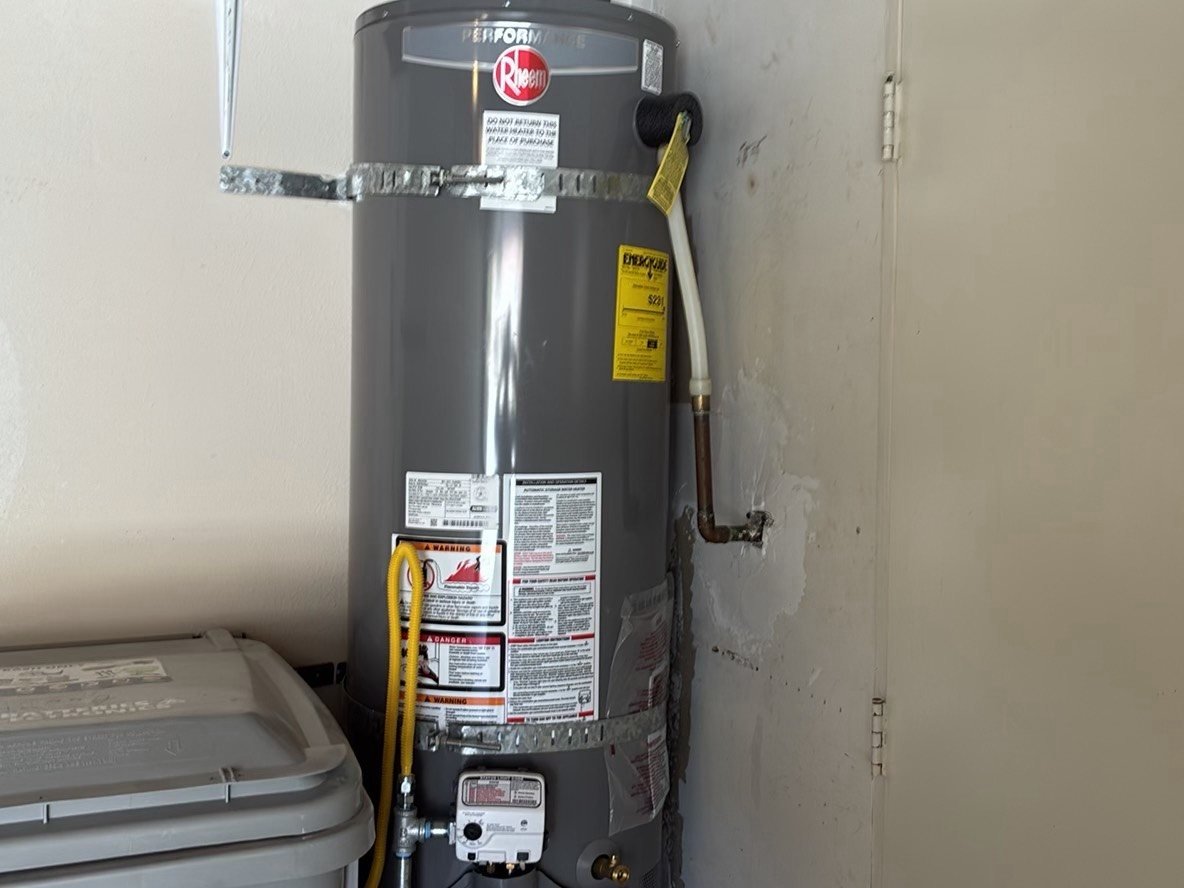
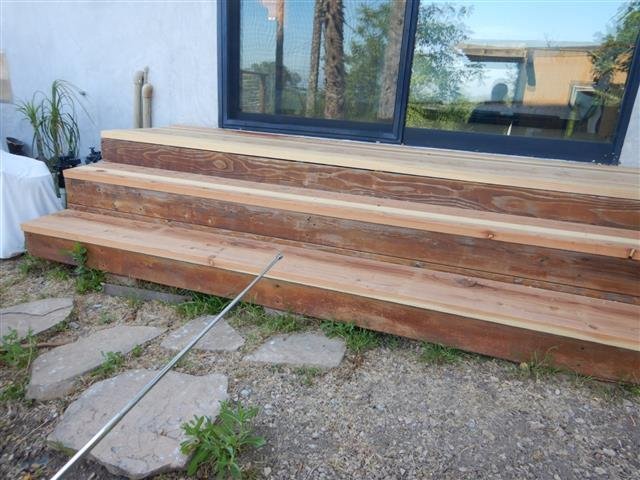
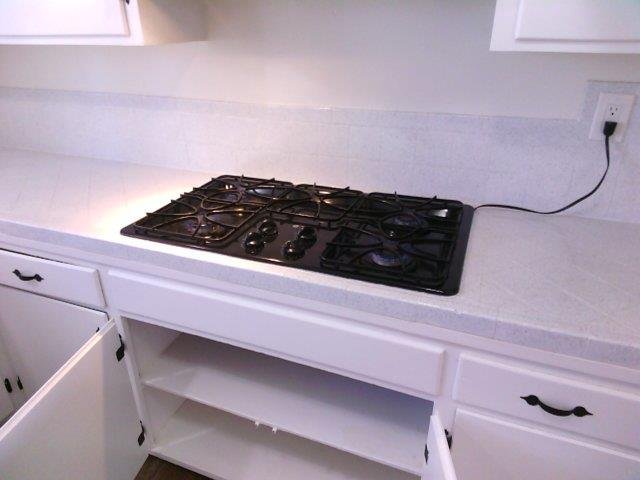
Pre-listing inspection photos from across San Diego County.
More inspections in Rancho Santa Fe
- SB 326 balcony inspection in Rancho Santa Fe
- SB 721 exemption letter in Rancho Santa Fe
- Warranty inspection in Rancho Santa Fe
- Commercial roof cleaning in Rancho Santa Fe
- Home inspection in Rancho Santa Fe
Nearby and countywide
Were You Happy With Your Inspection?
We are proud of our 4.9-star rating across 100+ Google reviews. If Joseph and the team did right by you, a quick Google review helps other San Diego County buyers and sellers find us.