
Sewer Scope Inspection in Rancho Santa Fe, CA
Rancho Santa Fe hides its plumbing better than almost anywhere in the county. A Covenant estate sits behind a gate on two, four, sometimes ten acres, and the drain line leaving the house can wander a long way through groves, terraced gardens, and decomposed-granite hillside before it reaches a septic tank or a distant connection. The original Lilian Rice-era homes from the 1920s and '30s were plumbed in clay and cast iron; the custom builds that followed each ran their own line their own way. A walk-through inspection runs the taps and watches them drain — it never reaches the pipe those drains feed into.
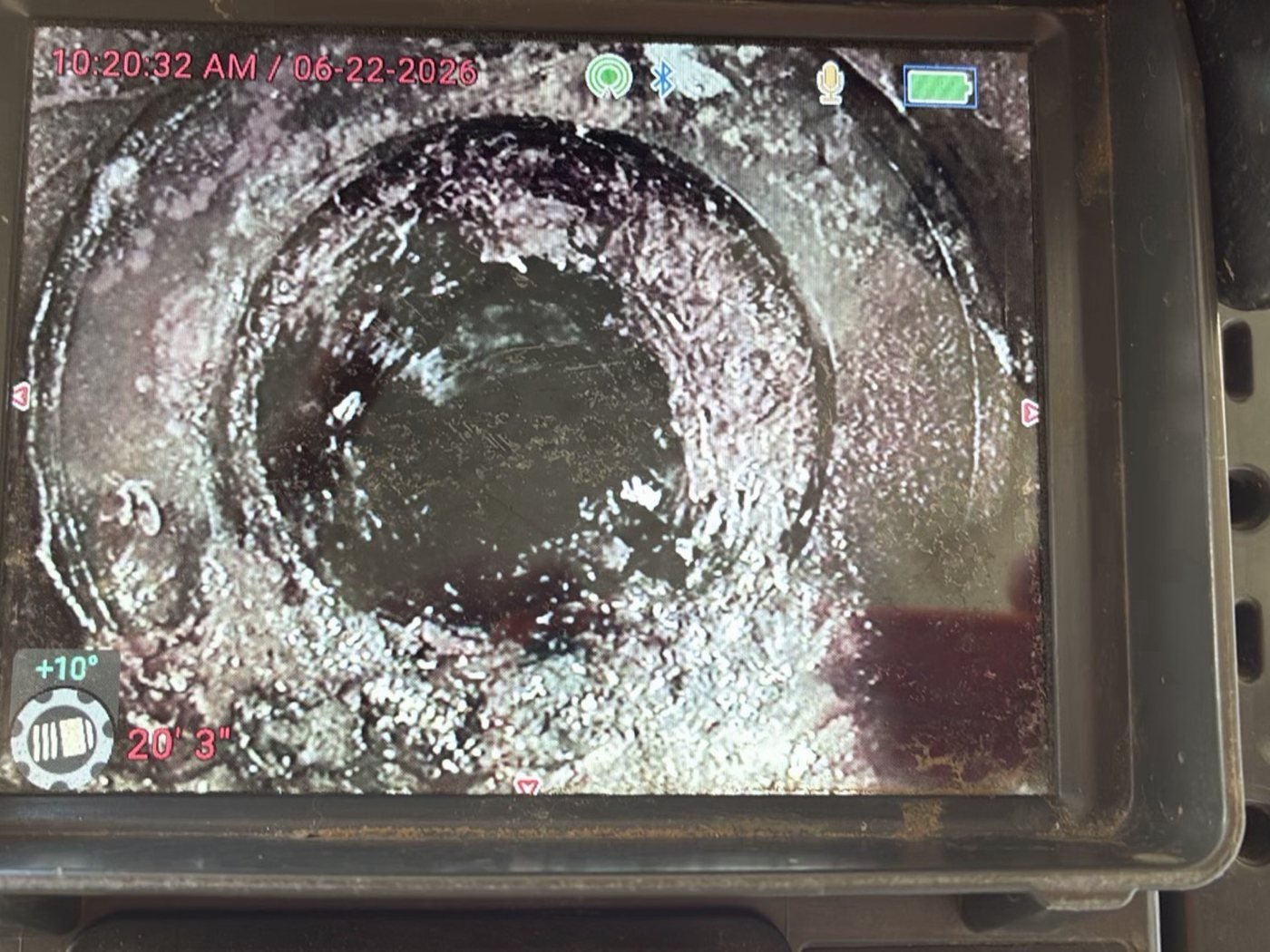
A sewer scope is how that buried line stops being a guess. I feed a waterproof camera in from a cleanout and drive it the length of the lateral, toward the septic inlet or the street tie-in, recording the entire pass. The video tells you what the pipe is made of, whether it still falls the way it should, and exactly where a root mass, a cracked clay joint, a sag, or a corroded iron section sits. On a property where re-opening a line means trenching back through irrigated grounds and mature specimen trees, knowing before you close is worth far more than the scope costs. The repair itself — jetting, excavation, relining — isn't my work; I'll put you with a licensed plumber for that.
Call (619) 752-4399 Schedule an Inspection
What does a Rancho Santa Fe sewer camera run cover?
A sewer scope is a continuous video record of the main lateral — the buried drain carrying waste from the house out to its septic tank or to a public connection. On a multi-acre Covenant parcel that run can be long and indirect, and the footage answers questions you can't settle any other way:
- What the pipe actually is. Original clay or cast iron on the 1920s–'40s estates, Orangeburg on a mid-century stretch, ABS or PVC on later custom builds — and every transition where a guest house, casita, or remodel line was spliced into the original.
- Whether it still holds its fall. Bellies and sags where the line settled into a low spot and now pools waste instead of moving it downgrade.
- Where roots have gotten in. Feeders and full masses pushing through joints, drawn by buried moisture under groves, oaks, and irrigated estate landscaping.
- Offsets, corrosion, and the septic approach. Joints shoved out of line by shifting hillside soil, channeled and flaking cast iron, and the final stretch running up to a private septic tank.
The camera only verifies what it can physically reach. When a flooded belly, a packed root ball, or a collapsed section stops the head partway down a long estate run, I mark that distance and tell you plainly — I won't sign off clear pipe to the tank when the lens never traveled that far.
Why are Covenant laterals so hard on a sewer line?
Rancho Santa Fe loads a buried drain with stresses you don't see on a tract lot, and they trace straight back to what defines the community — age, acreage, groves, and self-contained systems:
- Brittle original pipe. The vintage estates were laid in clay and cast iron, materials that crack, scale, and shear at the joint after eighty or ninety years in the ground. Orangeburg on a mid-century stretch is worse — the tar-paper pipe simply deforms and delaminates with age.
- Groves and old-growth trees. Citrus and avocado groves, heritage oaks, and the eucalyptus that line Covenant lanes drive aggressive root systems straight at any leaking clay joint — this is the most root-prone setting in the county for a sewer lateral.
- Long, complex private runs. A custom home set deep on acreage feeds a line that may serve a guest house, pool bath, and casita before it ever reaches the tank — each branch a candidate for bad slope or a joint that catches solids.
- Hillside soil and septic systems. Decomposed-granite slopes creep and settle over decades, pulling joints into offsets, and most of the Covenant runs on private septic rather than a city main — so the whole disposal side lives or dies on that one buried line.
What does the camera keep turning up out here?
Push a camera through enough Rancho Santa Fe laterals and the same defects recur — tied to old pipe, big trees, and moving ground. Few are deal-killers; they're items to price with a plumber while your contingency window is still open:
- Root intrusion at clay joints — far and away the leading find here: roots from groves and heritage trees packed into bell joints on aging clay, the classic luxury-acreage failure.
- Cracked and offset clay — shear cracks and joints knocked out of alignment as hillside soil shifts under the vintage estates.
- Channeled cast iron and failed Orangeburg — iron worn thin and rusting through on early sections, and the soft, oval-deformed Orangeburg that shows up on certain mid-century runs.
- Sags on the long approach to the tank — settled low spots mid-line that hold standing water, plus poorly sloped branch tie-ins from a casita or pool bath.
The write-up draws the line between a sound, well-flowing lateral and one with a cracked joint, a root mass, or a belly that genuinely needs correcting — so the number you bring to the table reflects the real condition of the buried run, not its address.
How does the run go and what lands in your inbox?
Start with a call to (619) 752-4399 or email me the Covenant address and roughly when the home was built. That lets me arrange gate entry and pin down the cleanout ahead of time, so a scheduled estate visit isn't spent walking acreage hunting for a way into the line. On an older home with no obvious cleanout, I'll work out access with the listing agent or owner before the appointment rather than show up and improvise.
At the property I feed the camera into the lateral and drive it toward the septic tank or street connection, narrating the screen as the head moves — what the pipe is, what's wrong with it, and how deep into the run each finding sits. Stand at the monitor if you want to; watching the lens slip under standing water in a belly, or meet a clay joint stuffed solid with grove roots, lands the problem in a way a paragraph never will.
You walk away with the complete video file and a plain-spoken write-up of the findings that matter — pipe type, location, severity — assembled into a photo-documented HomeGauge report. Where the footage counter reads clean, I note how far in each defect sits so your plumber excavates the right spot instead of guessing across acreage. Turnaround is typically same or next day, which keeps your contingency clock intact. My role is fixed: I assess and document; I don't remediate. No jetting, trenching, lining, or repair bids from me — so nothing in the report is shaded to manufacture work.
Why do Covenant buyers put Joseph Romeo on the camera?
On a long estate line the judgment is the whole point — anyone can see roots in a clay joint, but calling whether it's a single spot repair or a full re-trench down a few hundred feet through groves takes someone who understands how these homes were built and how they fail. I'm Joseph Romeo, an InterNACHI Certified Professional Inspector (CPI), and I also hold a California CSLB General Contractor license (#1113143). That builder's background is what lets me separate a one-joint clay repair from a wholesale lateral replacement, so you negotiate knowing the difference between a nuisance and a five-figure dig.
- 20+ years and more than 10,000 inspections across San Diego County's coastal, custom, and rural estate properties.
- 4.9 stars across 106 Google reviews from buyers, sellers, and the agents who send us their clients.
- Independent and conflict-free — I document the line's condition and never dig, jet, or bid the fix, so nothing on the recording is steered toward selling you a repair.
- Real familiarity with the Covenant's stock, from vintage Lilian Rice estates on old clay to later custom builds running long septic laterals across acreage.
For the hydro-jetting, excavation, or pipe correction the footage points to, I refer a licensed plumber who can act on exactly what the camera saw. Reach me at joe@sandiegohomeinspection.com or the number above.
Which inspections are worth pairing with your scope?
A sewer scope settles one buried question; on a Covenant estate a few companion inspections are worth folding into the same trip:
- Full home inspection — the comprehensive read on roof, framing, wiring, HVAC, and plumbing that anchors any estate purchase, run the same day as the scope — start at the Rancho Santa Fe home inspection hub.
- Septic evaluation coordination — the Covenant runs largely on private septic, so I bring in a qualified specialist for the tank and leach field while the scope handles the lateral feeding them.
- Well and water-system coordination — many estates draw from a private well; I'll connect you with the right specialist where the supply side needs its own look.
- Thermal / infrared imaging — surfaces hidden dampness, useful where a leaking line may be saturating ground beside a foundation on a large lot.
- Pool & spa inspection — nearly every estate here carries a built-in pool, and the same soil creep that sags a sewer line cracks decking and equipment pads.
Send the address and build year and I'll tell you straight which of these actually matter for your property before you pay for anything — see all inspection services we offer or get a quote through contact. You get what your purchase calls for, not a pre-packaged bundle.
Rancho Santa Fe Sewer Scope Inspection FAQs
Do I really need a sewer scope on a Rancho Santa Fe estate?
What does a sewer scope inspection cost in Rancho Santa Fe?
Can you scope the line on a Covenant home with septic?
Why is root intrusion so common on Rancho Santa Fe laterals?
What pipe materials do you find under these estates?
Will you clear the roots or repair the line if you find a problem?
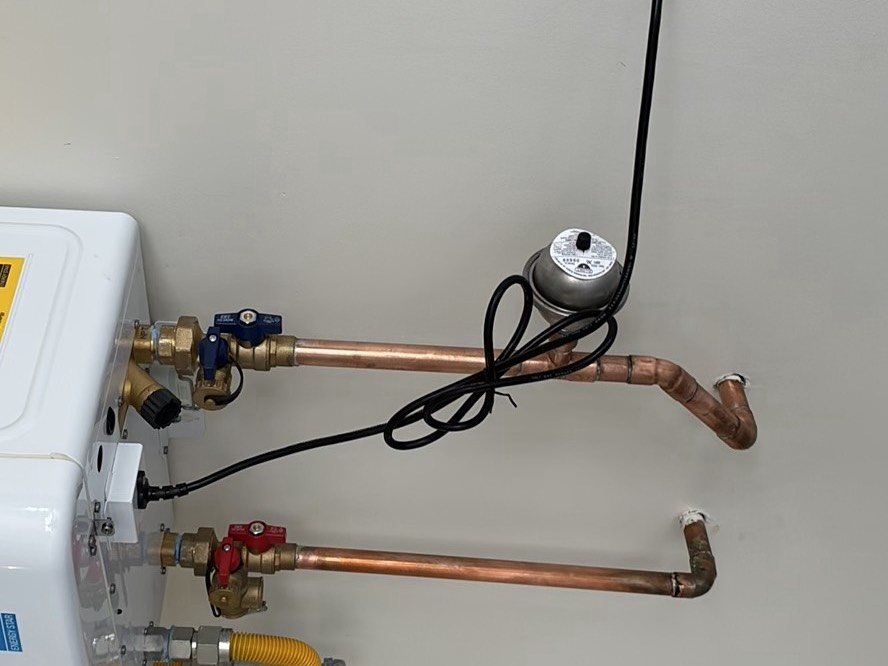
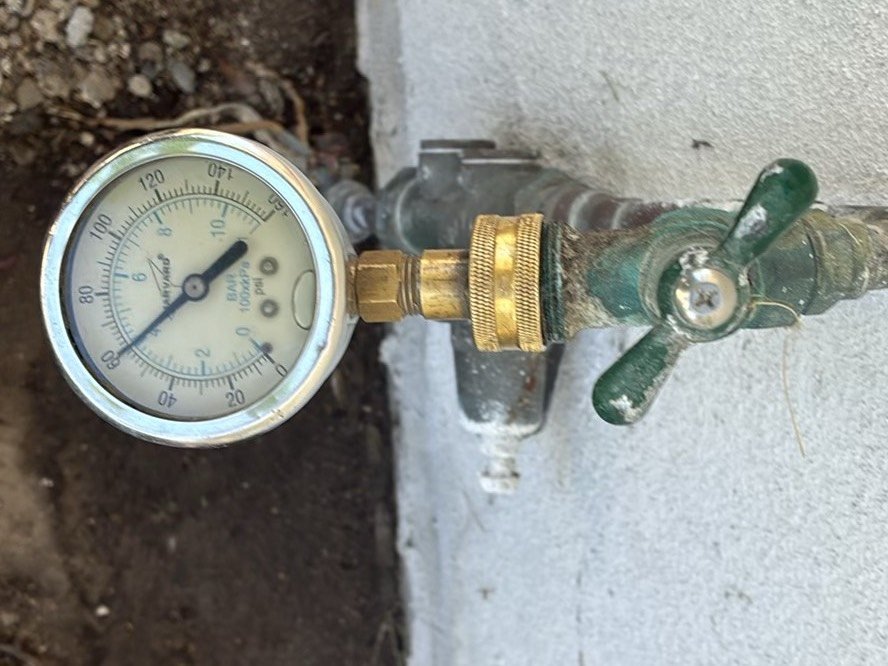
What the camera sees
Sewer scope documentation from recent San Diego County inspections.
More inspections in Rancho Santa Fe
- 4-point inspection in Rancho Santa Fe
- Roof inspection in Rancho Santa Fe
- Thermal imaging in Rancho Santa Fe
- Foundation slab survey in Rancho Santa Fe
- Home inspection in Rancho Santa Fe
Nearby and countywide
Were You Happy With Your Inspection?
We are proud of our 4.9-star rating across 100+ Google reviews. If Joseph and the team did right by you, a quick Google review helps other San Diego County buyers and sellers find us.