
SB-721 Balcony Inspection in Rancho Santa Fe, CA
Rancho Santa Fe is acreage country — eucalyptus-lined lanes, gated estates inside the Covenant, and custom homes spread across rolling parcels east of the coast. Before anything else, it helps to be honest about reach: SB-721 governs apartment and multifamily buildings carrying three or more separate dwelling units. It does not touch a single-family estate, however many second-story balconies or hillside decks it happens to carry. In a community built almost entirely of large private residences, the buildings this law actually captures are few — a rare multi-unit rental, an estate parcel where detached guest quarters and a caretaker's cottage are leased as three-plus separate tenancies, or one of the handful of smaller multifamily holdings near the village.
The statute itself is California's Exterior Elevated Elements rule — the EEE law. It directs a qualified inspector to examine the wood-supported balconies, decks, exterior stairs, landings, and raised walkways that lift people more than six feet off the ground, together with the weatherproofing that shields that framing, and to record each element as safe or unsafe with photographs an owner and the County can stand behind. AB 2579 pushed the first deadline to January 1, 2026, and the requirement returns every six years. I'm Joseph Romeo, and I run these inspections across Rancho Santa Fe myself. Residential buyer's work lives on the broader Rancho Santa Fe inspection hub; this page is strictly the SB-721 mandate.
Call (619) 752-4399 Schedule an Inspection
What does an SB-721 inspection examine on a qualifying Rancho Santa Fe building?
The law zeroes in on the parts of a structure that cantilever out above six feet and lean on wood for their strength, plus the weatherproofing bonded to them. On a Rancho Santa Fe property that clears the three-unit bar, this is the territory I walk:
- Raised decks and balconies — the joists, the ledger pinning each one to the wall, the support columns, and the surface membrane meant to carry rain off the lumber. Estate-grade construction out here favors deep, multi-level decks that hug courtyards and step with the slope.
- Open exterior stairways — the wood runs reaching upper floors or detached rented units, read closely at the upper and lower anchorage where the stringers shed their load into the structure.
- Landings, terraces, and connecting walkways — the elevated platforms and linking paths between stacked or separate living spaces on a multi-building parcel, with their guards and handrails pushed for solid attachment and resistance under load.
- The weatherproofing layer — flashing, deck coatings, caulk joints, and drainage, judged hand-in-hand with the wood beneath, since moisture slipping past them is the origin of almost every elevated-element failure.
Most of the assessment is visual, taken across a representative sample of each kind of element. Where what I see on the surface hints at trouble below, SB-721 sanctions a modest, patchable opening — the intrusive step — to read the wood's real state. Each element ends with a safe-or-unsafe verdict carried by photographs. I observe and record; designing a repair for anything I flag is the job of a licensed engineer or contractor, deliberately held apart from my inspection.
How do estates, well water, and inland weather drive findings?
What I weigh on a Rancho Santa Fe walk has little in common with a beachfront apartment row or a tract garden complex. The local realities that steer the findings here:
- Custom, multi-elevation decks: a balcony out here is rarely one tidy box. It wraps loggias, terraces down a grade, and runs long ledgers along the wall — each extra foot of wall connection another flashing seam waiting to age out.
- Hot, dry inland exposure: Rancho Santa Fe sits well behind the marine layer in a baking interior pocket. That relentless sun crazes deck coatings and turns caulk joints chalky and brittle, prying open the seams a hard winter storm then forces water through.
- Well water and estate irrigation: these acreage parcels run their own wells and sprawling landscape irrigation. Overspray and drip lines threaded near deck posts keep wood damp in ways a metered coastal lot never sees.
- Heavy oak and eucalyptus canopy: the mature trees screening Covenant estates throw deep shade and drop constant litter — decks dry slowly, stay leaf-packed, and clog their scuppers, so water lingers against the framing.
- Septic, hillside grade, and integrated systems: homes terraced into the rolling land set decks on the downhill side where runoff gathers, while spas and outdoor kitchens tucked beneath them give moisture a direct line to the wood.
What defects surface most on Rancho Santa Fe elevated elements?
On the qualifying buildings I inspect around the Covenant and the village, the trouble clusters in predictable spots. Catching it before the deadline lets an owner stage a deliberate repair rather than race a re-inspection clock:
- Ledger flashing failure: along the long wall junctions that estate decks favor, worn flashing lets water creep behind the membrane and saturate the ledger — precisely the buried decay SB-721 was drafted to expose before an element drops.
- Sun-cooked deck surfaces: coatings on inland-baked terraces split and powder until they stop shedding water and begin soaking the joists they ride over.
- Cracked, hardened caulk at deck-to-wall seams and around the spa, planter, and kitchen penetrations these decks are built around — reliably the first place the assembly lets go.
- Irrigation-soaked posts and bases kept perpetually wet by sprinkler overspray and drip lines, rotting from the base up where a coastal deck would only see rain.
- Worked-loose stair and post connections on hillside-set decks, eased apart by slope creep and runoff.
- Under-anchored guardrails that give under a push because the wood or fasteners behind them have softened — a frequent safety call, simple to overlook from the ground.
I draw the line between cosmetic weathering and a genuine load-bearing or safety defect, so a requires-repair verdict marks a real concern, and I photograph each one so you and the County are reading documented evidence rather than my opinion.
How does the process run and what report does an owner receive?
It starts with a call to (619) 752-4399 or an email listing the address, the count of dwelling units, and a rough tally of balconies, exterior stairs, and raised walkways. Because Rancho Santa Fe is so heavily single-family, that first exchange is frequently just settling whether SB-721 applies at all — I would far rather tell you the law doesn't reach your estate than run an inspection you never owed. For a building that does qualify, I scope it precisely and arrange gate access and entry to the upper levels in advance.
On site I work every sampled element by hand: reading flashing and probing for soft wood at the ledger ties, checking coating soundness and drainage across each deck, loading the rails for attachment, and inspecting stringers, columns, and connectors under the stairs and landings. When something points to concealed damage — a stain bleeding below a terrace, a landing that flexes, a coating split where an irrigation line passes — I'll walk you through the small, patchable opening the intrusive step permits.
You receive a HomeGauge report that tags each element safe or unsafe, logs the weatherproofing condition, and backs every call with photographs in the format the County and your own records expect — typically same day or next day. The report states observed condition only; I don't draw up repair plans, perform the work, or sign structural certifications on a property I inspect. Where a finding calls for repair drawings or a stamped engineering opinion, I refer the appropriate licensed professional, which keeps my report independent.
Why do Rancho Santa Fe owners and managers bring me in?
An SB-721 report lives or dies on the judgment behind each safe-or-unsafe call — a missed rotten ledger is real liability, and a false alarm is a needless repair bill on a high-value estate. Your inspection is done by me, Joseph Romeo, an InterNACHI Certified Professional Inspector (CPI) who also carries a California CSLB General Contractor license (#1113143). I've built and repaired decks, ledgers, stairs, and waterproofing details with my own hands, so when I write that a connection is unsafe I already know what the fix involves and what sits behind the finish.
- 20+ years and more than 10,000 inspections across San Diego County, from coastal multifamily to inland custom estates like these.
- 4.9 stars across 106 Google reviews from owners, property managers, and agents.
- Independent and conflict-free — I inspect and report; I don't sell you the balcony repair, so nothing in the verdict bends toward work I'd profit from.
For the record: I'm InterNACHI CPI and CSLB-licensed, not an ASHI or CREIA member, and I don't post flat prices because the fee follows building size and element count. Reach me at joe@sandiegohomeinspection.com.
Which inspections pair with a Rancho Santa Fe SB-721 check?
SB-721 closes out the balcony-safety mandate on a qualifying multi-unit building, but Rancho Santa Fe owners and buyers usually have more worth looking at in one visit, and I can coordinate it:
- SB-326 balcony inspection — the companion EEE law for condominium and HOA-governed buildings. If your property is a common-interest development rather than an apartment, that's the standard that governs, and I'll steer you to it instead of running the wrong inspection.
- Full estate / multi-structure inspection — a buyer's-grade read on structure, roof, electrical, plumbing, and the complex custom systems these homes carry, including the well and septic of acreage living.
- Thermal / infrared imaging — reads concealed moisture behind deck coatings and along long ledger runs, valuable when a coating raises a flag but the framing isn't yet open.
- Roof and sewer-scope work — a separate look at the coverings, flashing, and penetrations overhead, plus a scope of the parcel's laterals where older estates warrant it.
Send the address, the unit count, and whether the building is an apartment or a single residence, and I'll tell you which of these genuinely apply. Browse all inspection services or review the fee schedule, then get in touch.
Rancho Santa Fe SB-721 Balcony Inspection FAQs
Does my Rancho Santa Fe property actually need an SB-721 inspection?
Do leased guest houses or a caretaker's cottage count toward the three units?
When was the SB-721 deadline, and how often does it repeat?
Why would a newer Rancho Santa Fe estate building still have findings?
Will you cut into the deck during the inspection?
What does an SB-721 inspection in Rancho Santa Fe cost?
Properties we inspect
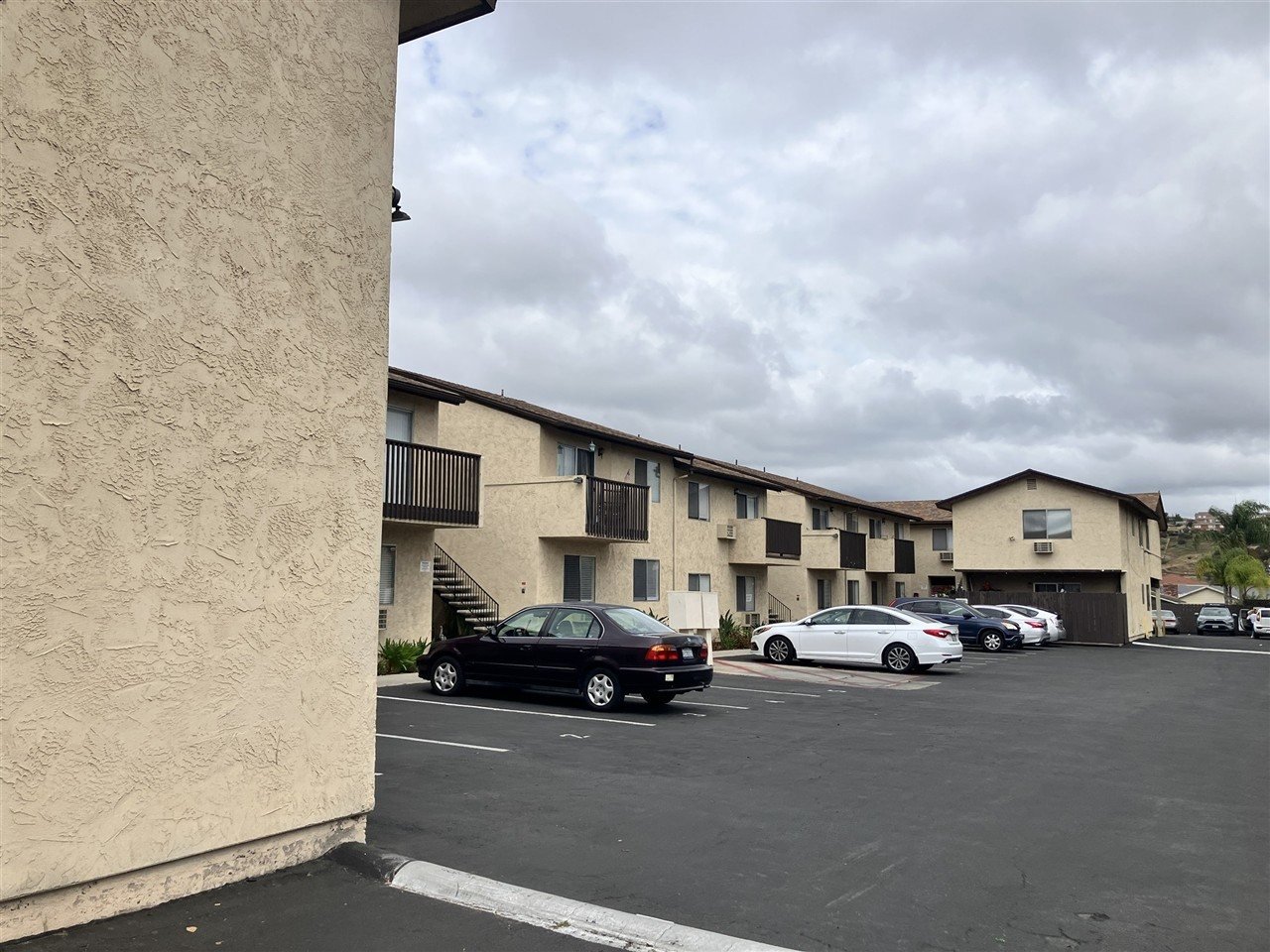
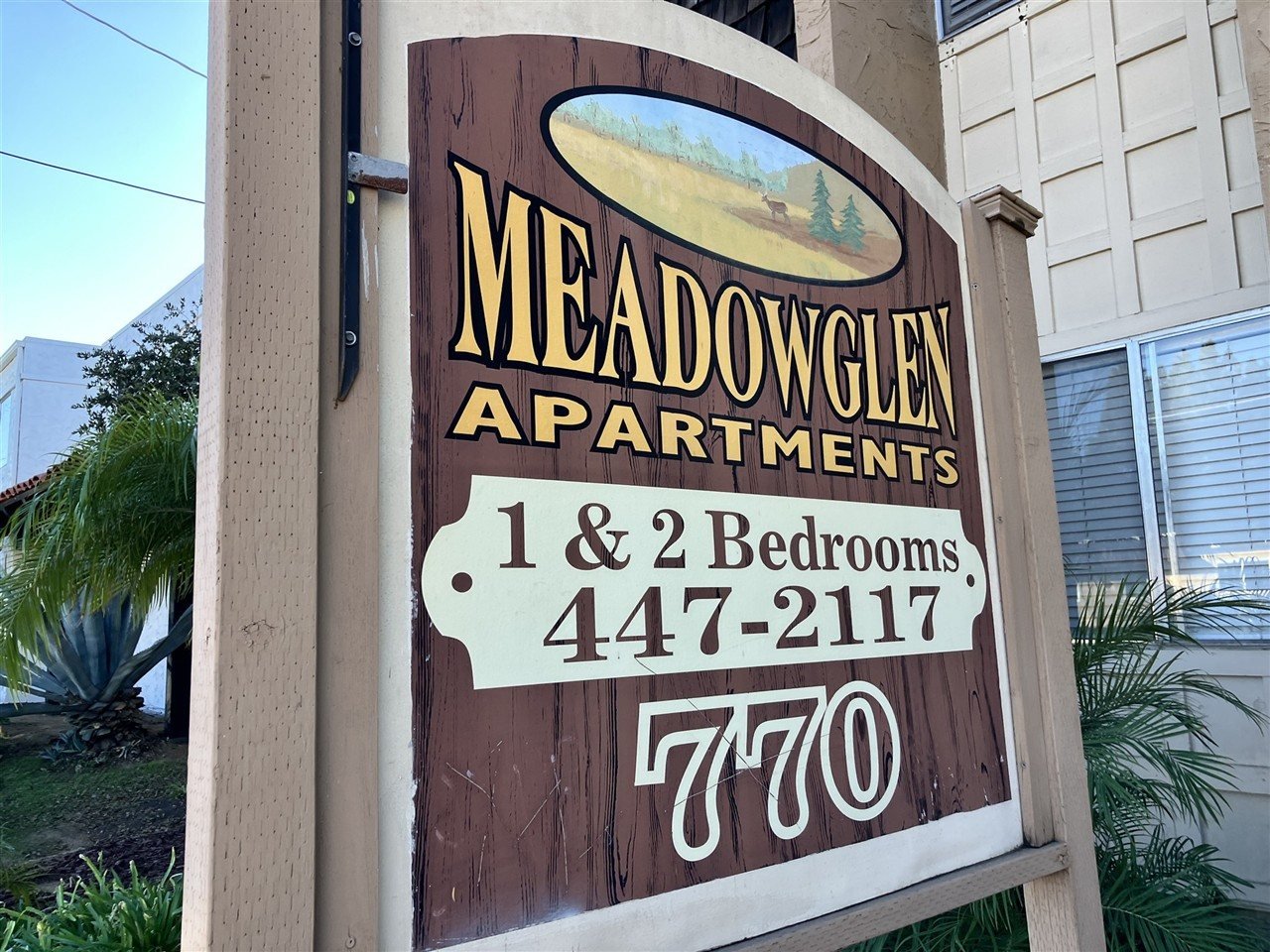
Multi-unit properties documented for SB 721 balcony compliance across San Diego County.
More inspections in Rancho Santa Fe
- Commercial inspection in Rancho Santa Fe
- Pool and spa inspection in Rancho Santa Fe
- Sewer scope inspection in Rancho Santa Fe
- 4-point inspection in Rancho Santa Fe
- Home inspection in Rancho Santa Fe
Nearby and countywide
Were You Happy With Your Inspection?
We are proud of our 4.9-star rating across 100+ Google reviews. If Joseph and the team did right by you, a quick Google review helps other San Diego County buyers and sellers find us.