
Home Inspection in Rancho Santa Fe, CA
An estate inside the Rancho Santa Fe Covenant rewards patience, and so does inspecting one. The protective covenant that has shaped this community since the 1920s gave you Lilian Rice's Spanish Colonial bones, eucalyptus-lined approaches, and parcels measured in acres rather than feet, but it also gave you homes that were built one at a time, added onto across decades, and serviced by infrastructure the rest of the county forgot. Private wells, individual septic systems, propane tanks, long gravel and decomposed-granite driveways, and detached barns or guest quarters are the rule here, not the exception. A house in the Covenant, the Crosby, Fairbanks Ranch-adjacent acreage off Del Dios, or the gated enclaves along Rambla de las Flores simply does not behave like a coastal tract home.
I'm Joseph Romeo. I match the inspection to the property, which on Rancho Santa Fe estates means hours, not a tidy two-hour slot, working one system at a time across the residence and every accessory structure that conveys. Twenty-plus years and over 10,000 inspections countywide have taught me how custom estate construction conceals its problems, and at this price point the costly issues are almost never the ones staged for the open house. Below is what an estate inspection here includes, the Rancho Santa Fe-specific systems I scrutinize, and how your report reaches you.
Call (619) 752-4399 Schedule an Inspection
What's covered in a Rancho Santa Fe estate inspection?
Every walk-through follows the InterNACHI Standards of Practice, a thorough visual evaluation. A Rancho Santa Fe estate simply stretches that standard over far more building than a typical home, frequently a main residence plus a casita, pool house, barn, or detached studio. On a representative Covenant property you can expect me to document:
- Roof assemblies: usually clay or concrete tile in the Spanish Colonial vocabulary, with deep overhangs, parapets, towers, and the many valleys and penetrations a custom roofline creates
- Foundation and framing: slab or raised assemblies, structure visible in attics and crawlspaces, and the graded pad carved into oak-studded or sloping ground
- Electrical service: main panel, sub-panels reaching distant wings and outbuildings, a standby generator with its transfer switch, and the gate and low-voltage connections
- Water systems: supply spread across a wide footprint, multiple or recirculating water heaters, and waste lines running toward the septic field
- Climate control: each independent HVAC zone, the air handlers and condensers, and ducting threaded through a multi-wing layout
- Cladding and grounds: hand-troweled stucco, stone, exposed timber, courtyards, balconies, and the way the lot sheds water
I test what I can safely reach and attach a photo to each finding. Detached structures that convey with the sale are part of the job. Termite and wood-destroying-organism work is a separate licensed pest-control specialty I don't perform, but I'll coordinate a WDO report when escrow asks for one and still note any conducive conditions I spot.
Which Rancho Santa Fe systems do I scrutinize most?
Estates in the Covenant fail on their own terms. The defects rarely resemble those in a newer subdivision, because everything here is larger, the parcels are rural, and many of these homes predate the codes a tract builder takes for granted. Here is where I spend extra time on a Rancho Santa Fe property:
- Private well, storage, and booster: Many estates draw from a well with a pressure tank, storage cistern, and booster pumps. I document the visible equipment, run the fixtures to observe pressure and recovery, and tell you where a dedicated well-and-water specialist needs to test flow and potability beyond what a general inspection covers.
- Septic and leach field: On acreage without a sewer connection, waste goes to a septic tank and disposal field. I note the visible condition and accessible components and advise a specialized septic pump-and-certify, since the tank's interior and the field aren't something any inspector reads from the surface.
- Hillside and oak-canopy drainage: Graded pads, retaining walls, area drains, and decades-old landscaping mean roof and surface water can collect against foundations or undercut a slope. I trace where it actually goes.
- Aging custom roofs: Original tile may be decades old over brittle underlayment, and every tower, chimney, skylight, and solar penetration is a flashing detail I verify on a complicated roofline.
- Outbuildings and equestrian structures: Barns, stables, tack rooms, and detached studios carry their own electrical, plumbing, and structural concerns that I inspect alongside the main house.
What turns up most often on Rancho Santa Fe estates?
Many of these homes were built or heavily remodeled between the 1970s and the 2000s, and most have been reworked more than once. All of it adds up to a recognizable report. None should unsettle a serious buyer; the findings become leverage for negotiation and a maintenance roadmap once you own the place. What I routinely write up here:
- Well and pump components past their prime: Tired pressure tanks, short-cycling pumps, and storage and treatment gear that nobody has serviced in years.
- Septic clues at the surface: Soggy ground over the field, sluggish drains, or a tank lid that's been paved or planted over and can't be accessed for service.
- Multi-zone HVAC at mixed ages: On a home running three or more systems, expect a unit or two near the end of service life while a neighbor zone was replaced last year.
- Tile-roof and parapet wear: Slipped or cracked tile, brittle valley metal, and flat sections over wings that weather quicker than the main field.
- Stucco and timber moisture intrusion: Weep screeds swallowed by soil, cracking at additions, and exposed beam ends taking weather without protection.
- Owner-added electrical: Sub-panels, EV chargers, gate and landscape circuits, well-house wiring, and casita feeds tacked on over the years without permits or proper protection.
- Damage hidden by scale: On a house this size a slow leak runs for months unnoticed, so what I find is often further along than in a smaller home.
How does the day run and what does the report look like?
Plan for genuine time on a Rancho Santa Fe estate. Between the square footage, the well and septic, and the accessory structures, I'm usually on the property much of the day, and I won't shortchange a home at this level to save an hour. You and your agent are welcome to come through with me, which I encourage on estates, because the closing walk is where I can stand you in front of the worn valley flashing, the short-cycling well pump, or the soft ground over the leach field and explain what I'm seeing.
Findings reach you in a modern HomeGauge report that pairs a photo with each item and reads clearly whether you're a first-time luxury buyer or a seasoned listing agent. Genuine safety and structural concerns are sorted apart from routine upkeep, and the report opens with a priority summary so your agent can build a tight repair request rather than wade through dozens of minor notes. In most cases delivery lands same day or next day, leaving you room inside the contingency window even on a sprawling property. Where something needs a structural engineer, a well-and-pump contractor, or a septic outfit, I name who to call next.
Why do Rancho Santa Fe buyers and agents call Joseph Romeo?
My credentials are the InterNACHI Certified Professional Inspector (CPI) designation and a California CSLB General Contractor license (#1113143). That second one earns its keep on an estate. Having built and renovated the same custom roof details, multi-zone mechanicals, and structural timber I'm now evaluating, I can tell you on the spot whether a finding is a quick correction or a six-figure conversation, well before you involve a contractor.
- 20+ years and 10,000+ inspections across San Diego County's coast, inland valleys, and estate enclaves
- 4.9 stars across 106 Google reviews from buyers, sellers, and agents
- Strictly independent: I report condition and never bid repairs on a home I inspect, so no finding is bent toward selling you work
For a purchase at this level you want one experienced set of eyes loyal to you, not to closing the deal. Reach me directly at (619) 752-4399 or joe@sandiegohomeinspection.com to discuss your Rancho Santa Fe property.
Which add-on inspections fit a Rancho Santa Fe property?
A full home inspection covers the residence and its reachable systems. With the acreage and amenities standard out here, most estates warrant one or two focused evaluations on top of it, which I can fold into the same visit:
- Pool and spa inspection: bonding, heaters, pumps, and barrier safety on the resort-grade pools, spas, and fountains typical of these grounds
- Sewer scope: a camera run down the line toward the septic tank, valuable where laterals snake under decades of mature planting
- Roof inspection: a concentrated look at intricate tile roofs loaded with towers, parapets, and penetrations
- Thermal and infrared imaging: a scan of the large envelope for trapped moisture and gaps in insulation that small leaks exploit
- Foundation and slab inspection: a closer evaluation when cracking or suspected soil movement shows on a graded pad
- 4-point inspection: a roof, electrical, plumbing, and HVAC snapshot an insurer wants on an older estate
- Commercial property inspection: for ranch, equestrian, or mixed-use holdings around the village
Not sure which add-ons earn their cost here? Send the address and I'll tell you what's genuinely worth doing for that property rather than push a fixed bundle.
Rancho Santa Fe Home Inspection FAQs
How much does a home inspection cost in Rancho Santa Fe?
Do you inspect the well and septic on Rancho Santa Fe acreage?
How long does an estate inspection take, and when do I get the report?
Can my real estate agent attend the inspection?
Do you handle termite and pest inspections in Rancho Santa Fe?
Is a full inspection worth it on a well-kept custom estate?
What we document
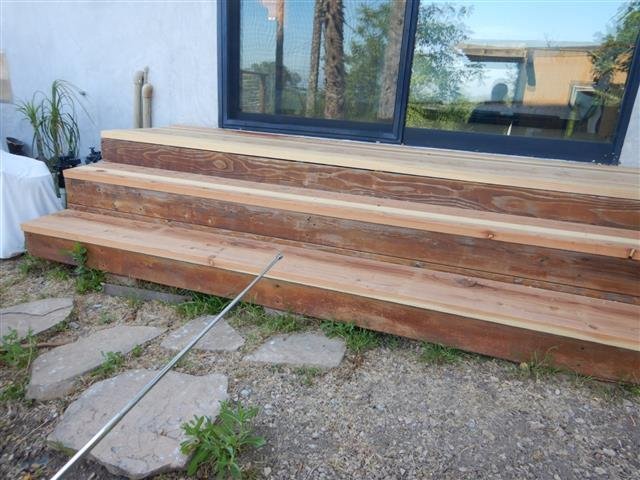
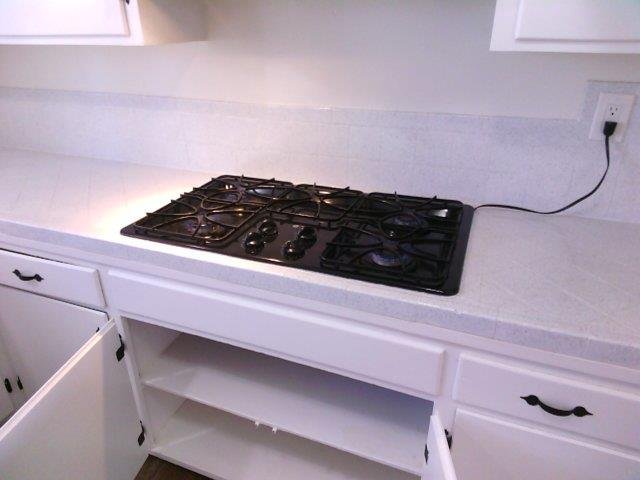
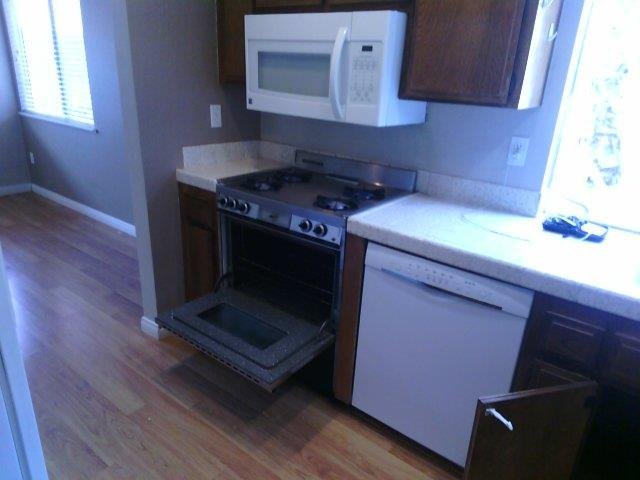
Photos from recent home inspections across San Diego County.
Inspection services in Rancho Santa Fe
- 4-point inspection in Rancho Santa Fe
- Commercial inspection in Rancho Santa Fe
- Commercial roof cleaning in Rancho Santa Fe
- Foundation slab survey in Rancho Santa Fe
- Pool and spa inspection in Rancho Santa Fe
- Roof inspection in Rancho Santa Fe
- SB 326 balcony inspection in Rancho Santa Fe
- SB 721 balcony inspection in Rancho Santa Fe
- SB 721 exemption letter in Rancho Santa Fe
- Seller inspection in Rancho Santa Fe
- Sewer scope inspection in Rancho Santa Fe
- Thermal imaging in Rancho Santa Fe
- Warranty inspection in Rancho Santa Fe
Nearby areas we serve
Were You Happy With Your Inspection?
We are proud of our 4.9-star rating across 100+ Google reviews. If Joseph and the team did right by you, a quick Google review helps other San Diego County buyers and sellers find us.