
Commercial Property Inspection in Rancho Santa Fe, CA
The commercial inventory in Rancho Santa Fe is small, low-rise, and tied to a community that has policed its own look since the 1920s. No glass towers, no big-box pads. What trades is the village core around Paseo Delicias and the Civic Center, the boutique retail and restaurant spaces along Avenida de Acacias, the professional and medical suites used by the attorneys, advisors, and design firms that serve the estates, the hospitality and club assets — the Inn, the golf and tennis facilities, the riding clubs — and the equestrian and ranch-support buildings on acreage off Del Dios Highway. Much of it is wood-frame and stucco built to the Covenant's Spanish vocabulary, running on rural infrastructure most commercial buyers have never had to evaluate.
Our commercial inspection is a Property Condition Assessment-style walkthrough framed on the ASTM E2018 guide and right-sized to whatever you're acquiring, leasing, or financing. We document the readily accessible systems — roofing, HVAC, the often three-phase or pump-loaded electrical service, plumbing and water heating, fire and life-safety, the envelope, structure, and site — and deliver a photo-documented report sized to your due-diligence window. It's a straight read on how a particular Rancho Santa Fe building has fared against inland heat, wildfire exposure, private water and septic, and the architectural-review rules that govern what can be changed here.
Call (619) 752-4399 Schedule an Inspection
What does a Rancho Santa Fe commercial walkthrough cover?
This is a visual, readily-accessible review of a building's major systems for buyers, investors, landlords, and tenants. A village retail bay on Paseo Delicias, a Civic Center professional suite, and a barn-and-arena equestrian parcel each get a different weighting, but across most assignments we document:
- Roofing: the clay and concrete tile the Covenant aesthetic favors, plus the low-slope TPO, modified-bitumen, and older built-up sections hidden behind parapets on flat-roofed village commercial, and the valleys, flashing, and penetrations a tile roofline collects.
- HVAC: rooftop packaged units on the flat commercial bays, and more often the split and zoned systems serving converted-residence offices and sprawling club and hospitality structures, with their age spread.
- Electrical service: the service entrance and distribution, frequently three-phase or heavily loaded to feed well pumps, irrigation, gates, kitchen and pool equipment, and standby generators.
- Plumbing and water heating: supply and waste, commercial and tankless heaters, and the well, storage, booster, and septic provisions standing in for the municipal utilities most buildings take for granted.
- Fire and life-safety: visible alarm devices, extinguishers, exit and emergency lighting, and any visible sprinkler heads and risers, by observation.
- Envelope, structure, and site (visual): hand-troweled stucco and stone, sealant joints, decomposed-granite and paved parking, drainage across rural lots, and accessibility features against the path of travel.
Where a roof can't be walked safely or a panel is locked, we say so directly instead of implying we inspected it.
How do the Covenant and rural utilities change the inspection?
Rancho Santa Fe's commercial stock carries pressures a suburban strip center never sees. Here's where the added scrutiny lands:
- Private water, not a city main. Many parcels off the village core draw from a well with storage tanks and booster pumps. We document the visible equipment, observe pressure and recovery at fixtures, and tell you where a well-and-pump specialist needs to test flow and potability beyond a general walkthrough.
- Septic instead of sewer. Outside the immediate village, waste often goes to a tank and leach field. We note accessible components and surface clues and flag a pump-and-certify, because the tank interior and the field aren't readable from grade.
- Wildfire and WUI exposure. This wildland-urban-interface community has lived through major fires. We note defensible-space conditions, combustible roof and eave details, ember-vulnerable vents, and the propane and generator equipment that drive insurance and capital decisions out here.
- Architectural-review constraints. The Covenant Regulatory Code controls roof material, color, signage, and exterior change. A re-roof or facade repair isn't a like-for-like swap; we flag conditions whose fix runs through the Art Jury, so the cost lands in your underwriting. Note too that much of the office stock is former homes carrying after-the-fact electrical and plumbing never scoped for commercial occupancy.
Which conditions do we routinely flag on these properties?
Walk enough village, club, and ranch-support buildings here and the same items recur. None automatically kills a deal — they're costs to price and negotiate before your contingency closes:
- Aging tile and hidden low-slope roofs. Tile with brittle, sun-baked underlayment at valleys and penetrations, and flat sections ponding behind parapets where the membrane is past its run.
- Well, booster, and water-heating wear. Tired pressure tanks, short-cycling pumps, dated treatment gear, multiple commercial water heaters near end of service, and septic clues at the surface — soggy ground, sluggish drains, or a tank lid paved over and unreachable.
- Layered, owner-added electrical. Sub-panels stacked through successive uses, double-tapped breakers, well-house and gate feeds, and three-phase service that may not match a new tenant's load.
- Mismatched, end-of-life HVAC. A spread of split and packaged units of different ages across a converted-residence office or club building, several past service life and due for replacement.
- Wildfire and life-safety gaps. Combustible debris in defensible-space zones, unscreened vents, expired extinguisher tags, and exit lighting that fails on test.
How does the assessment run and what does your report deliver?
We scope every Rancho Santa Fe job before quoting it, because a single retail bay on Paseo Delicias and a multi-building equestrian or hospitality parcel are different assignments. Ahead of the walkthrough we review the prior reports, leases, and roof, HVAC, well, septic, and generator records. On site we walk the roof where safe, observe accessible electrical and mechanical equipment, run a representative sample of systems, and document the envelope, site, well and septic provisions, and life-safety components across every structure on the parcel. Because access often means private gates, ranch roads, and club or HOA coordination, we arrange entry with the owner, broker, and management in advance so the assessment is complete and discreet.
You, your broker, and your lender are welcome to walk it with us, and we encourage it. Standing at a worn roof valley, a short-cycling well pump, or a packed sub-panel while we explain it separates routine upkeep from the capital items that belong in your numbers. Your deliverable is a photo-documented HomeGauge report organized system by system, significant findings up front, delivered same day or next day.
We report observed condition only and never bid or perform the repairs we identify, so nothing carries a conflict. A Phase I Environmental Site Assessment and any engineering or structural certification are separate disciplines — common on agricultural and older estate-commercial parcels — and when a deal needs either, we coordinate or refer the right licensed specialist.
Why do Rancho Santa Fe buyers and brokers call Joseph Romeo?
Due diligence on custom, rural-serviced commercial property rewards an inspector who knows how these buildings were built and rebuilt. Your assessment is led by Joseph Romeo, an InterNACHI Certified Professional Inspector (CPI) who also holds a California CSLB General Contractor license (#1113143). On Rancho Santa Fe's added-onto, well-and-septic-served structures, that contracting background reads where a past conversion cut a corner and what a tile re-roof, well repair, or service upgrade will realistically cost.
- 20+ years and more than 10,000 inspections across San Diego County's coast, inland valleys, and estate enclaves.
- 4.9 stars across 106 Google reviews from buyers, sellers, investors, and agents.
- Straight talk — we tell you what we'd want to know if it were our own capital, with no scare tactics and no upselling.
- Real familiarity with this market and how to coordinate discreet access through its gates, ranch roads, and architectural-review world.
For scopes beyond a visual PCA, we coordinate or refer the right licensed professional. Reach Joe directly at (619) 752-4399 or joe@sandiegohomeinspection.com.
Which related inspections and add-ons pair with this one?
Depending on the asset and your role, a Rancho Santa Fe commercial inspection often pairs with one or more of these in a single visit:
- Roof inspection: a focused look at tile underlayment, metal, and low-slope membrane condition, valley wear, and the flashing that fails before the field of a complex village or club roof.
- Sewer scope: a camera run of the lateral toward the septic tank, worth it on rural parcels where lines snake under mature planting and work against grade.
- Thermal/infrared imaging: reads hidden envelope and roof moisture across long elevations where inland heat masks problems the eye misses.
- Specialist coordination: for a Phase I ESA, engineering certification, well flow and potability testing, or a termite/WDO report, we refer the right licensed professional rather than stretch our scope.
Out here we most often recommend a focused roof assessment, because tile and hidden low-slope sections carry the biggest near-term capital risk, plus a well-and-pump evaluation on rural parcels. We suggest what fits your building, never a fixed package.
Rancho Santa Fe Commercial Property Inspection FAQs
Is there much commercial property to inspect in Rancho Santa Fe?
What does a commercial property inspection in Rancho Santa Fe include?
Do you evaluate the well and septic serving a commercial parcel?
How does the Covenant's architectural review affect a commercial deal?
Do you handle the Phase I environmental and structural certification?
Can a tenant order an inspection before leasing village space?
Multi-unit experience
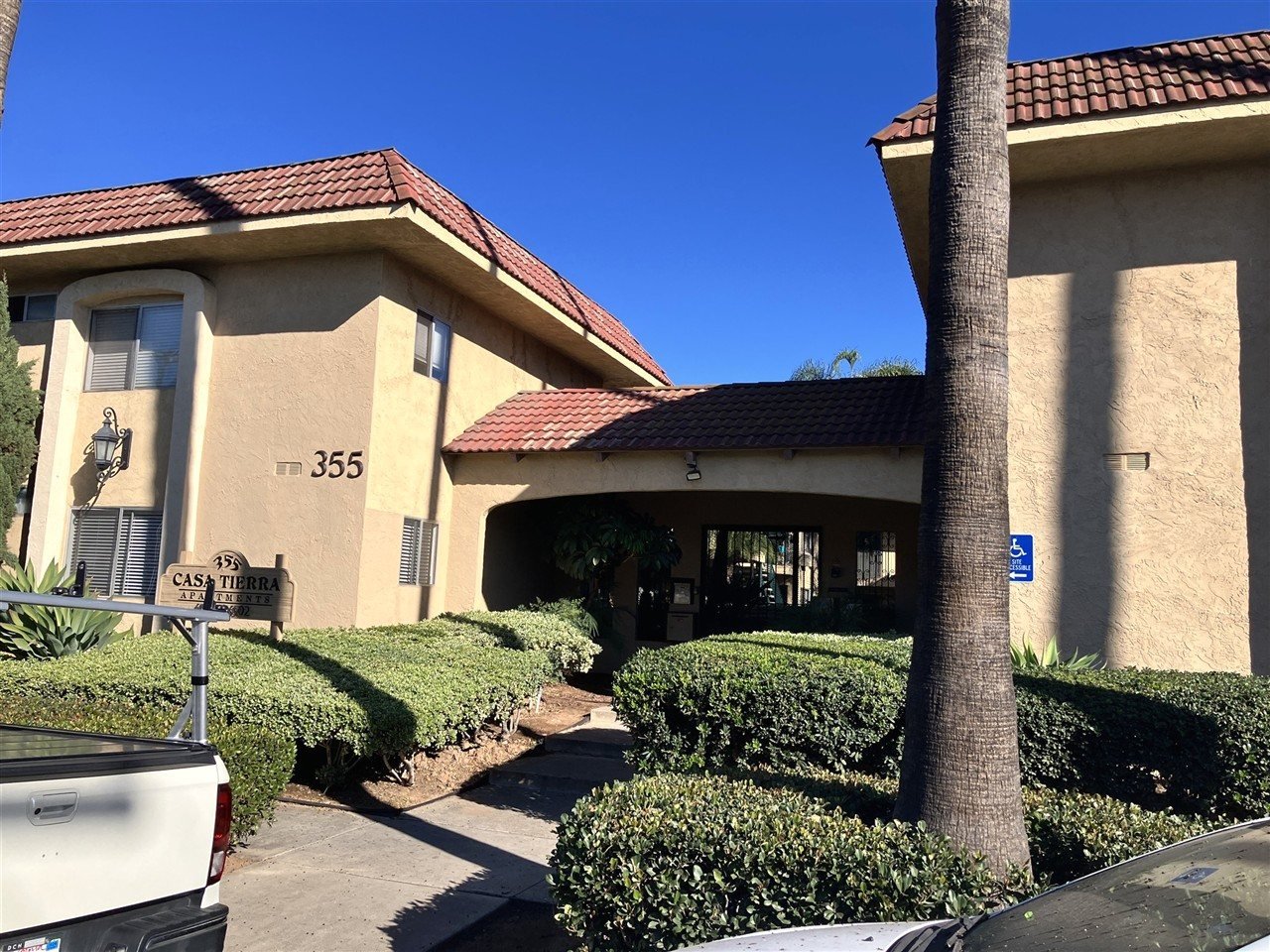
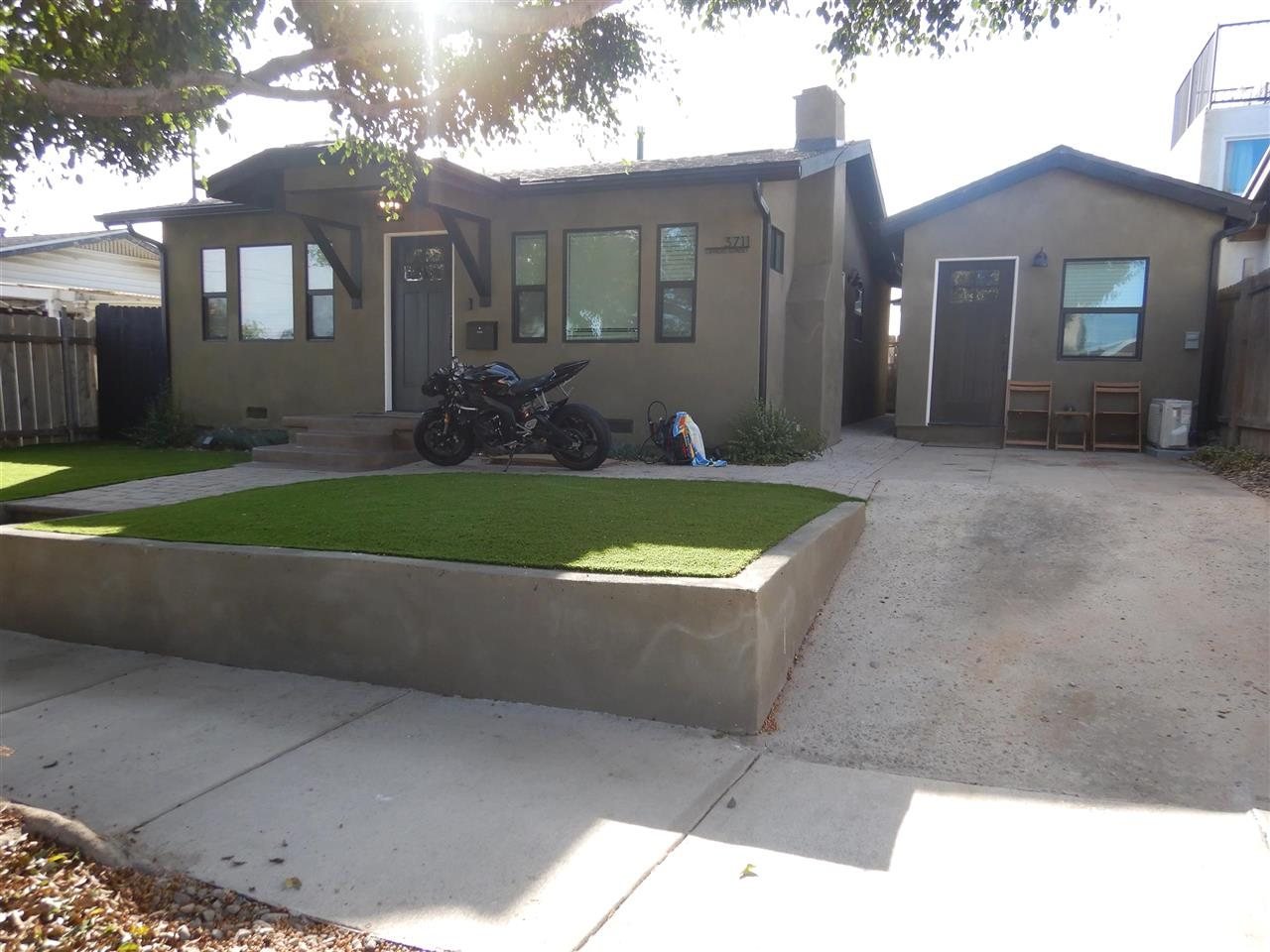
Commercial and multi-unit properties we have inspected across San Diego County.
More inspections in Rancho Santa Fe
- Foundation slab survey in Rancho Santa Fe
- SB 721 balcony inspection in Rancho Santa Fe
- SB 326 balcony inspection in Rancho Santa Fe
- SB 721 exemption letter in Rancho Santa Fe
- Home inspection in Rancho Santa Fe
Nearby and countywide
Were You Happy With Your Inspection?
We are proud of our 4.9-star rating across 100+ Google reviews. If Joseph and the team did right by you, a quick Google review helps other San Diego County buyers and sellers find us.