
Foundation & Slab Inspection in Pine Valley, CA
At roughly 4,000 feet, Pine Valley puts a foundation through conditions almost no other San Diego County town sees. Winter brings genuine snow and hard overnight freezes; summer bakes the decomposed granite bone-dry. In between, the soil and the concrete sitting on it expand and contract more than they ever would down at sea level. Add the older mountain cabins poured by hand decades ago, the newer homes set on graded pads off Old Highway 80, and the rebuilds that followed fire seasons, and you've got a town where no two foundations are aging the same way.
I'm Joseph Romeo. A foundation & slab inspection here is a careful visual read of how your Pine Valley home is meeting that mountain ground. I confirm the foundation type — slab-on-grade, a raised floor over a crawlspace, or a post-tension slab on the newer builds — then document the evidence of movement: cracks in the slab and stem walls, floors that have gone out of level, doors and windows that bind, drywall cracking, and the drainage and grading feeding all of it. I describe what I observe in plain language, and where a finding points to active structural movement I bring in a licensed structural engineer for certification or repair design. The Pine Valley home inspection hub covers the rest of the house.
Call (619) 752-4399 Schedule an Inspection
What does a Pine Valley foundation & slab inspection include?
This is a visual condition assessment. I'm not coring the concrete, trenching the perimeter, or running structural math — I'm reading the foundation and the house above it for the pattern that movement leaves behind. On a Pine Valley property, the starting point is always identifying which foundation you have, because each one shows distress in its own way:
- Slab-on-grade — the poured pad under many of Pine Valley's later homes and additions. I examine the visible slab edge and stem walls for cracking, separation, and any sign the pad has lifted, dropped, or tilted.
- Raised over a crawlspace — the norm on the older mountain cabins and ranch homes scattered through the oak. Where I can get under the floor, I read the piers, posts, girders, and mudsill for shifting, rot, and weak support, and I watch for the rodent and wildlife intrusion that comes with a remote forested lot.
- Post-tension slab — used on some newer Pine Valley builds. I flag it clearly, because the steel tendons running through it change everything about how a crack can be handled.
From there I trace what the ground writes through the structure: the width and direction of slab and stem-wall cracks, floors that pitch or feel uneven underfoot, doors and windows that stick or won't latch, and diagonal cracking off door and window corners. Just as important, I read the causes — how the lot is graded, where roof and surface water goes on a parcel with no curb or storm drain, and whether one zone of soil stays wetter than the rest. You leave with a documented read on condition, and where it suggests real structural movement, I say so and point you to an engineer.
How do elevation, granite, and freeze drive the findings?
Reading a foundation in Pine Valley means reading a mountain. The conditions up here are different enough from the rest of the county that they deserve their own list. These are what I'm weighing on every visit:
- Real freeze-thaw cycling: at 4,000 feet, water that gets into a slab crack, a stem wall, or saturated soil can freeze overnight and expand, then thaw by afternoon. Repeated through a mountain winter, that cycle widens existing cracks and works on concrete in a way the milder coastal towns never deal with. I look hard at where water can sit and freeze.
- Decomposed granite over bedrock: much of Pine Valley sits on weathered granite atop fractured rock. It drains fast, but on the slopes it erodes and creeps downhill over the years, and a foundation built into or below a grade feels that slow pull.
- The dry-to-snowmelt swing: the ground here goes from parched late-summer DG to soil loaded with winter rain and snowmelt. That swing in moisture, combined with the freeze, is rougher on slabs and stem walls than the steady coastal climate.
- Well, septic, and propane — no public utilities: Pine Valley homes run on private wells and septic systems. A leach field, a leaking well line, or irrigation concentrated near the house can keep one patch of soil saturated while the rest dries out, and that uneven moisture is a classic driver of differential movement.
- Wildfire-scarred slopes: fire has moved through this backcountry more than once. A burned hillside loses the root structure holding its soil, and the following wet season can bring erosion and slope instability that pushes on a downhill foundation. On post-fire lots I read the grade above and below the house with extra care.
What do you commonly find under Pine Valley homes?
Across Pine Valley's mix of hand-poured cabins, raised ranch homes, and newer pad-built houses, the findings settle into a familiar range. Sorting cosmetic from structural before you lift a contingency or sign off on a repair is the whole reason to do this:
- Frost-widened cracks — existing slab or stem-wall cracks that have opened wider where moisture got in and froze, an issue specific to the elevation here.
- Slab and stem-wall cracking — hairline shrinkage cracks that are age-normal versus wider, offset cracks where one side has heaved or settled, which mean very different things.
- Out-of-level floors — dips and slopes, common in the older cabins on piers and in homes built into a granite grade.
- Binding doors and racked windows — units that won't latch or show a gap tapering top-to-bottom, telling me an opening has gone out of square as the structure moved.
- Crawlspace trouble in older cabins — settled or shimmed piers, rot and moisture at the mudsill, undersized support, and the critter intrusion that comes with a forested lot.
- Drainage and grading faults — no gutters on a home that sheds snowmelt straight to the foundation, DG eroding below a slab edge on a slope, and yards graded back toward the house.
None of this on its own means a failed foundation. A good share of what I find in Pine Valley is age-normal shrinkage or a drainage correction that's been waiting. The work is separating the cosmetic from the items that point to genuine, active movement — and telling you which is which.
How does the visit run and what report do you receive?
Start with a call to (619) 752-4399 or an email with the Pine Valley address, the home's age, and what prompted the look — a crack you've been watching, a door that started catching, a floor that feels off, or a mountain lot you're under contract on. That context tells me where to spend extra time, and on a remote parcel it lets me plan for gate codes, the drive in, and where the crawlspace access sits.
On site I confirm the foundation type, then work the home inside and out: the slab edge and stem walls, the crawlspace where one exists and I can reach it, the floors for slope, the doors and windows for binding, and the walls and ceilings for the crack patterns that trace back to movement. Outside I follow the perimeter and read the grading and drainage closely — on Pine Valley's granite slopes, around a leach field, and anywhere snowmelt can pool, that's usually where the cause lives. Everything I find gets photographed and written up.
You receive a HomeGauge report laying out the foundation type, the conditions I observed, and a plain-language verdict on what's cosmetic versus what suggests active structural movement, with a photo behind every call. Most reports go out same day or the next day. Where the evidence warrants, I recommend a licensed structural engineer for certification or repair design — I assess and document observed condition; I don't certify the foundation, design the fix, or perform repairs, which is what keeps the read independent.
Who makes the foundation call, and what are their credentials?
The foundation call is where judgment counts most. Label a harmless shrinkage crack a structural failure and you can blow up a deal; miss real movement on a mountain lot and it costs far more down the line. Telling them apart on Pine Valley's freeze-cycled granite is experience, not a checklist. I'm an InterNACHI Certified Professional Inspector (CPI), and I carry a California CSLB General Contractor license (#1113143). That builder's background is exactly what lets me read a crack for what it is — soil and water you can correct, or movement that needs an engineer.
- 20+ years and more than 10,000 inspections across San Diego County, including Pine Valley's older mountain cabins, its raised ranch homes, and the newer pad-built houses up the grade
- 4.9 stars across 106 Google reviews
- Independent and conflict-free — I don't sell foundation repair, underpinning, or drainage work, so nothing in the report steers you toward a job you may not need
When a finding calls for it, I hand you off to a licensed structural engineer who can certify the foundation or design a repair around precisely what I documented — you're never left with a crack and no next step. Reach me directly at joe@sandiegohomeinspection.com or the number above.
What other inspections pair with a foundation check here?
Foundation movement seldom travels alone — the same soil and water that stress a slab tend to leave marks elsewhere, and a remote mountain property gives you more worth lining up around one trip:
- Full home inspection: the whole-house evaluation this foundation read sits inside — begin at the Pine Valley hub if you're buying
- Sewer / septic-line scope: Pine Valley homes are on septic, and the same shifting granite that cracks a slab can offset the buried line to the tank, so it's worth scoping on the same visit
- Thermal / infrared imaging: picks up hidden moisture along a foundation or under a slab that drainage, snowmelt, or well-water plumbing can leave behind
- Roof inspection: a roof with no gutters dumping snowmelt at the foundation is a leading cause of the soil-moisture swings I find, and Pine Valley's snow load, freeze, and wildfire exposure are all hard on a roof
- Pool & spa inspection: on the larger mountain lots, a leaking pool or deck drain can soak the DG soil against a nearby foundation
Not sure what your address calls for? Send it over and I'll tell you what's worth doing — see all inspection services we offer or get a quote through contact.
Pine Valley Foundation & Slab Inspection FAQs
What does a foundation inspection cost in Pine Valley?
Does Pine Valley's elevation and freezing weather affect foundations?
Are foundation cracks in a Pine Valley home always serious?
Can you inspect an older Pine Valley cabin on a crawlspace?
Do you certify the foundation or just inspect it?
Does a well or septic system affect the foundation out here?
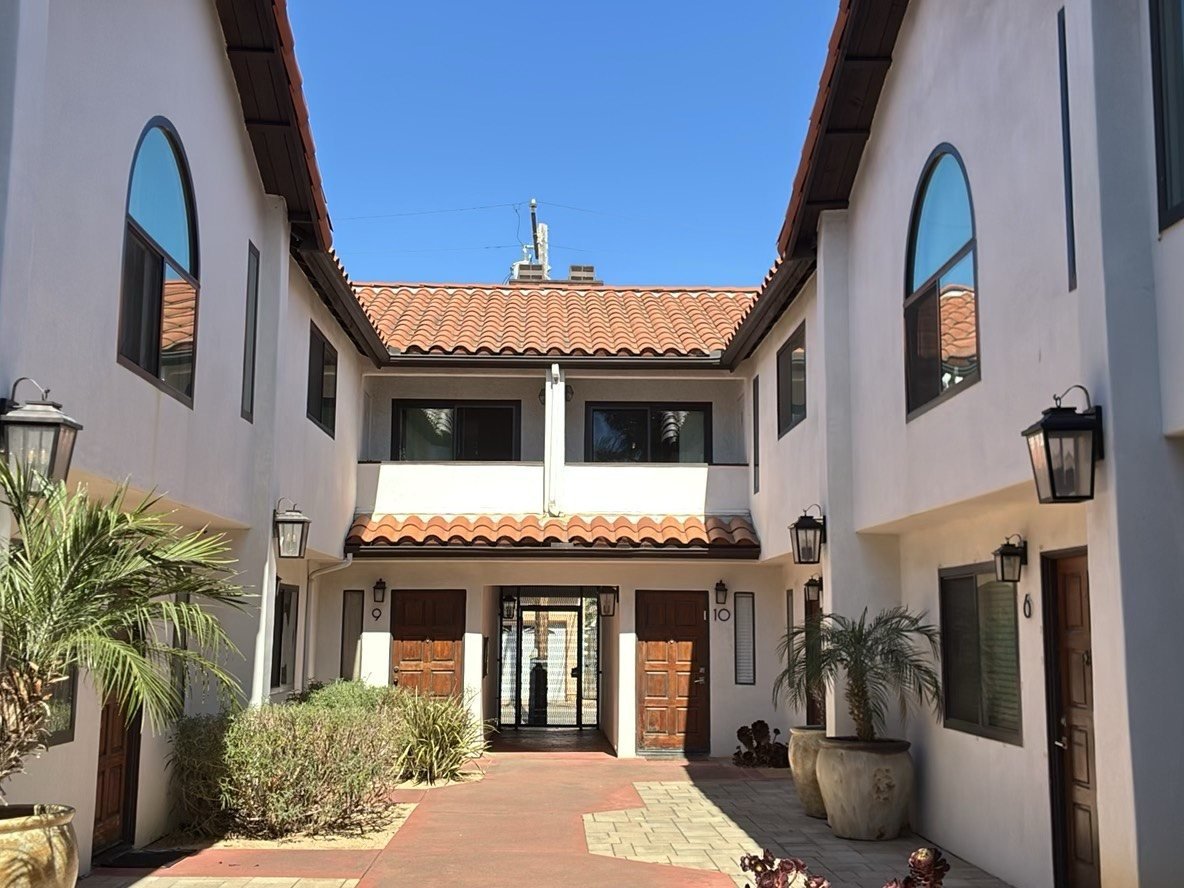
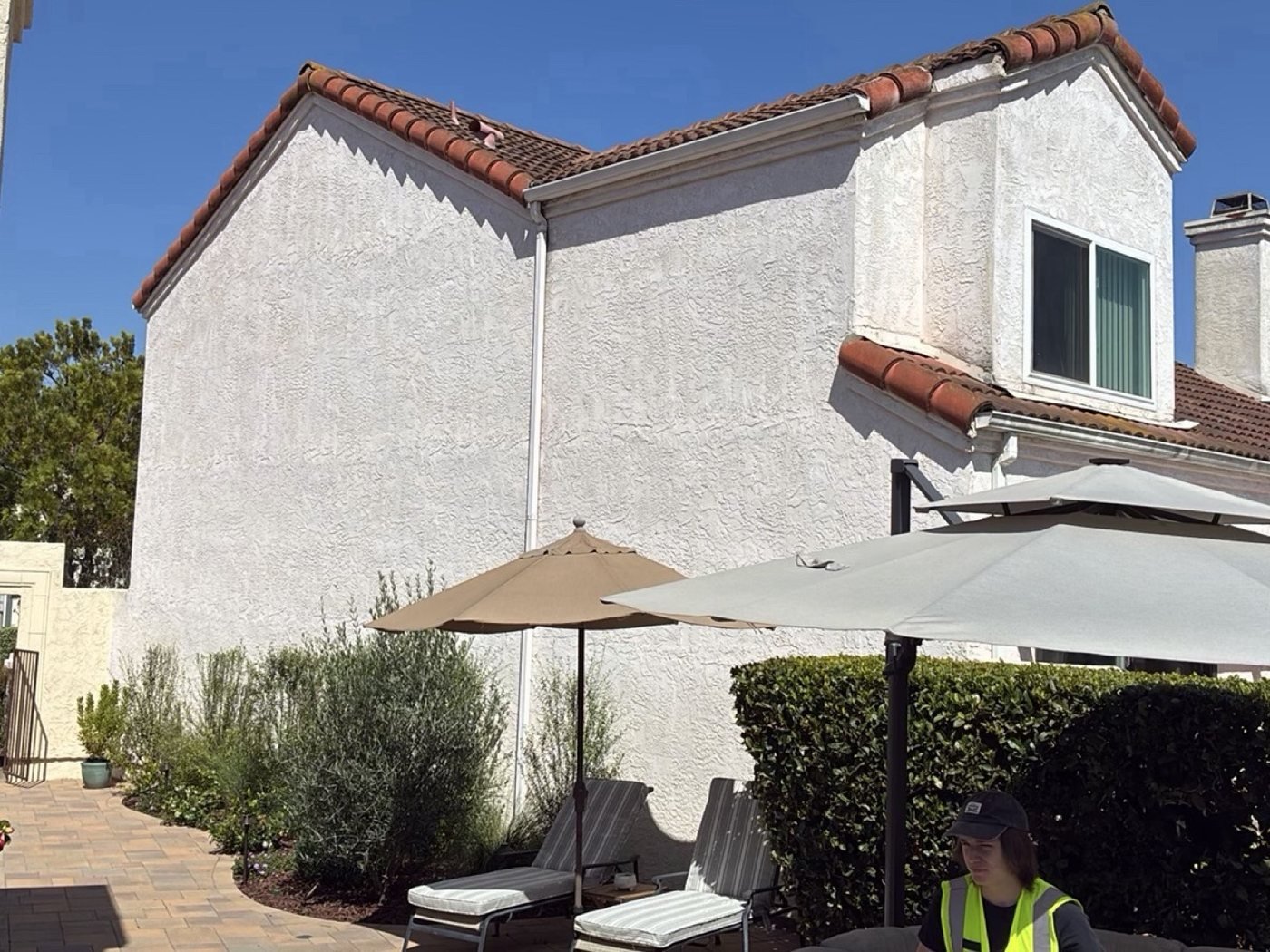
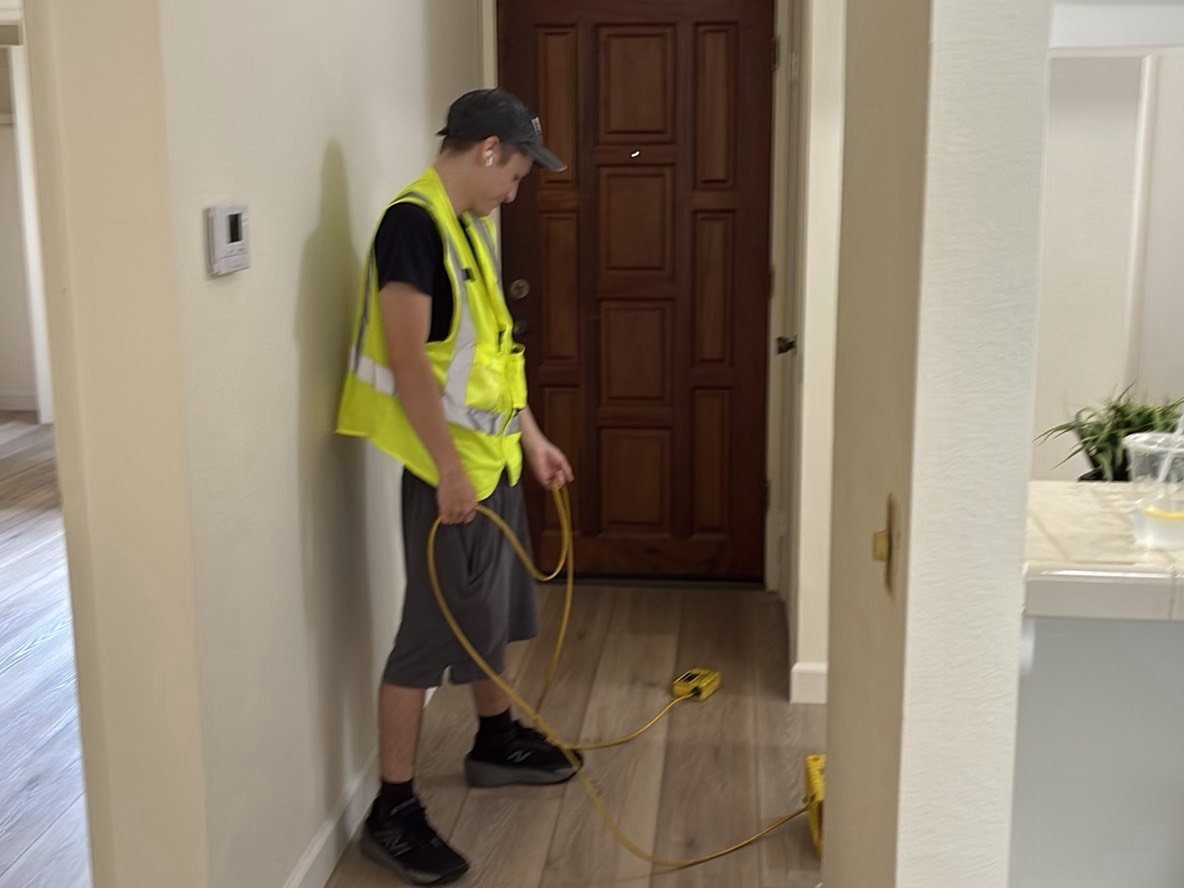
Slab surveys in action
ZipLevel altimeter measurements and foundation documentation from recent surveys.
More inspections in Pine Valley
- Warranty inspection in Pine Valley
- Commercial roof cleaning in Pine Valley
- Commercial inspection in Pine Valley
- Pool and spa inspection in Pine Valley
- Home inspection in Pine Valley
Nearby and countywide
Were You Happy With Your Inspection?
We are proud of our 4.9-star rating across 100+ Google reviews. If Joseph and the team did right by you, a quick Google review helps other San Diego County buyers and sellers find us.