
Foundation & Slab Inspection in Julian, CA
Julian homes sit on a different kind of ground than the rest of San Diego County. At roughly 4,200 feet, you've got decomposed granite hillsides, old cabins on stacked-stone or pier footings, apple-country homes on raised foundations, and a freeze-thaw cycle that the coast never sees. A foundation that looks fine in July can tell a very different story after a wet winter and a few hard frosts. Our foundation and slab inspection in Julian is a careful visual assessment of how your foundation is performing right now, the kind of report you want before you buy a property up the hill or before you sink money into one you already own.
Joseph Romeo runs these inspections personally. He's an InterNACHI Certified Professional Inspector and holds California Contractors State License Board General Contractor license #1113143, with 20-plus years and more than 10,000 inspections behind him. That contractor background matters on a Julian property, because reading a 70-year-old cabin footing is a different job than reading a new post-tension slab.
Call (619) 752-4399 Schedule an Inspection
What does a foundation & slab inspection cover in Julian?
We start by identifying what you're standing on. Julian properties run the gamut: slab-on-grade in newer construction, raised foundations with crawlspaces under older mountain homes and cabins, pier-and-post or even stacked-stone footings on the oldest apple-ranch structures, and post-tension slabs in the handful of newer builds. Each type fails in its own way, so identifying it correctly is step one.
From there we visually assess the foundation and the structure it carries: slab and stem-wall cracks, separation at the cold joints, uneven or sloping floors, doors and windows that stick or won't latch square, drywall cracking at door corners, and gaps opening between walls, trim, and ceilings. We walk the crawlspace where one exists to look at posts, girders, sill plates, and any sign of moisture, rot, or pest-related wood damage. We also read the site itself, grading, drainage paths, downspout discharge, and how water moves across the lot during the snowmelt and storm runoff Julian gets. We report observed condition. When something points to active structural movement, we tell you plainly and refer a licensed structural engineer for certification or repair design rather than guessing at it ourselves.
Which foundation concerns are specific to Julian?
The mountains create problems you simply don't see in coastal San Diego. Decomposed granite is the dominant soil up here, and on the slopes it's prone to creep, slow downhill movement that can pull a hillside footing out of plane over the years. Properties cut into a grade often have a downhill side doing more work than the uphill side, and that shows up as floors that pitch toward the view.
Then there's the freeze. Julian gets real winter, snow, sustained freezing nights, and the thaw cycle that follows. Water that gets into a crack, an unsealed slab edge, or saturated soil under a footing expands when it freezes and can lever things apart over many seasons. Older cabins frequently sit on shallow or under-engineered footings that predate modern frost and drainage standards. Add seasonal soil moisture swings from heavy rain and snowmelt, plus the wildfire-damaged or fire-rebuilt structures scattered through the area, and you have a foundation picture that genuinely requires someone who knows this terrain. We've walked enough Julian and Wynola properties to know where to look.
What do we commonly find on Julian properties?
On older apple-country homes and cabins, the most common findings are settlement-related: stair-step cracking in stem walls, sloping floors over a sagging center girder, crawlspace posts that have shifted off their pads, and sill plates showing moisture staining or rot where drainage was never quite right. Stacked-stone and early pier foundations often show mortar loss and out-of-plumb supports that have moved slowly for decades.
On newer slab-on-grade and post-tension homes we more often see shrinkage cracking, slab-edge cracks where drainage concentrates water, and cosmetic drywall cracking that needs to be sorted from anything structural. A lot of what we find is grading and drainage doing damage that looks like a foundation problem, downspouts dumping at the base of a wall, negative slope pushing water toward the structure, no swale to carry snowmelt away. Catching that early is often the difference between a cheap fix and a major one. We document everything with photos so you can see exactly what we saw and where.
How does our process work and what report do you get?
The inspection is hands-on and methodical. We walk the full perimeter, enter the crawlspace where access allows, check floors for level across multiple rooms, operate a representative sample of doors and windows, and trace how water is meant to move off the site. Joseph does the walk himself and explains what he's seeing as he goes, so you're not waiting on a report to understand the big picture.
You receive a HomeGauge report, typically same day or next day. It's organized, photo-rich, and written in plain language, with observed conditions, locations, and clear notes on anything we recommend evaluating further. When a finding warrants a structural engineer, geotechnical input, or a pest/WDO specialist, we say so and help you coordinate the right licensed professional. We don't bid or perform repairs, and we don't quote dollar figures for fixes; our job is an honest, independent read of condition so you can make the call with good information. For what an inspection itself runs, see our fee schedule.
Why do owners up the hill call us?
A foundation inspection is only as good as the person doing it. Joseph Romeo is an InterNACHI Certified Professional Inspector and a CSLB-licensed General Contractor (#1113143), 20-plus years in the field and over 10,000 inspections. The contractor side matters here: he understands how these structures are actually built and repaired, which sharpens what he flags and what he treats as cosmetic. The Real Estate Inspection Company holds a 4.9-star rating across 106 Google reviews.
To be straight with you about scope: we provide a thorough visual inspection and refer out where licensed specialists are required. We coordinate, but don't perform, termite/WDO and pest work, leak pressure-testing, or engineering and structural certifications, and we'll point you to the right pro when one is needed. That referral discipline is part of giving you a report you can actually rely on. Reach out anytime through our contact page or call (619) 752-4399.
What related inspections fit Julian homes?
Foundation issues rarely travel alone, and Julian's mountain conditions tend to stress the whole structure. Most owners pair the foundation and slab assessment with a full home inspection that also covers the roof, the wood stove or propane heating system, well and septic components, the electrical service, and the building envelope, all of which take a beating from snow, freeze, and elevation up here. If you're buying acreage or an older apple-ranch property, that broader look usually pays for itself.
You can see the complete menu of what we inspect on our services page, or start at the Julian home inspection hub for everything we cover in town. Whether it's a weekend cabin, a full-time residence, or an investment property, we'll give you a clear, independent picture of the foundation and the home it holds up.
Julian Foundation & Slab Inspection FAQs
Do you inspect old cabin and pier foundations in Julian?
Can freezing winters in Julian damage a foundation?
Will you tell me if my foundation needs structural repair?
How much does a foundation inspection cost in Julian?
What soil problems are common around Julian?
How fast do I get the report?
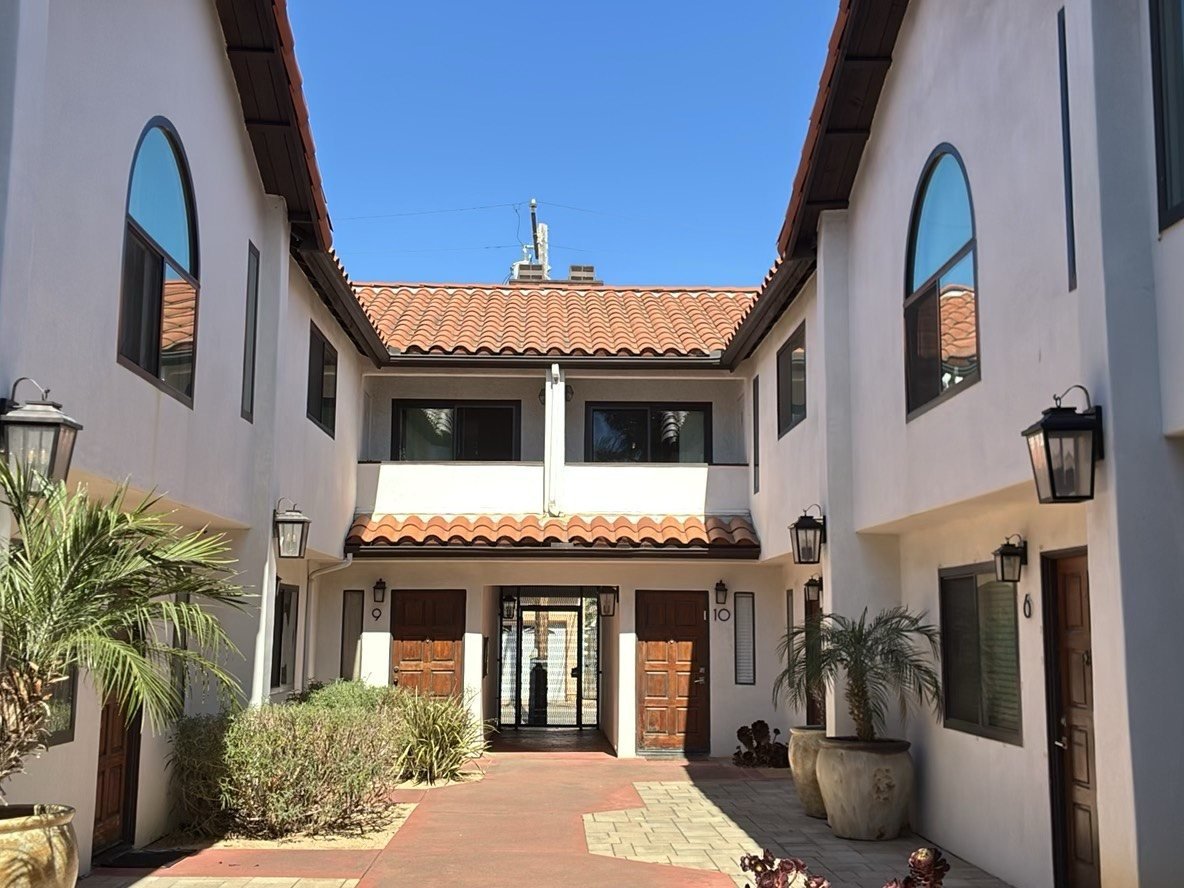
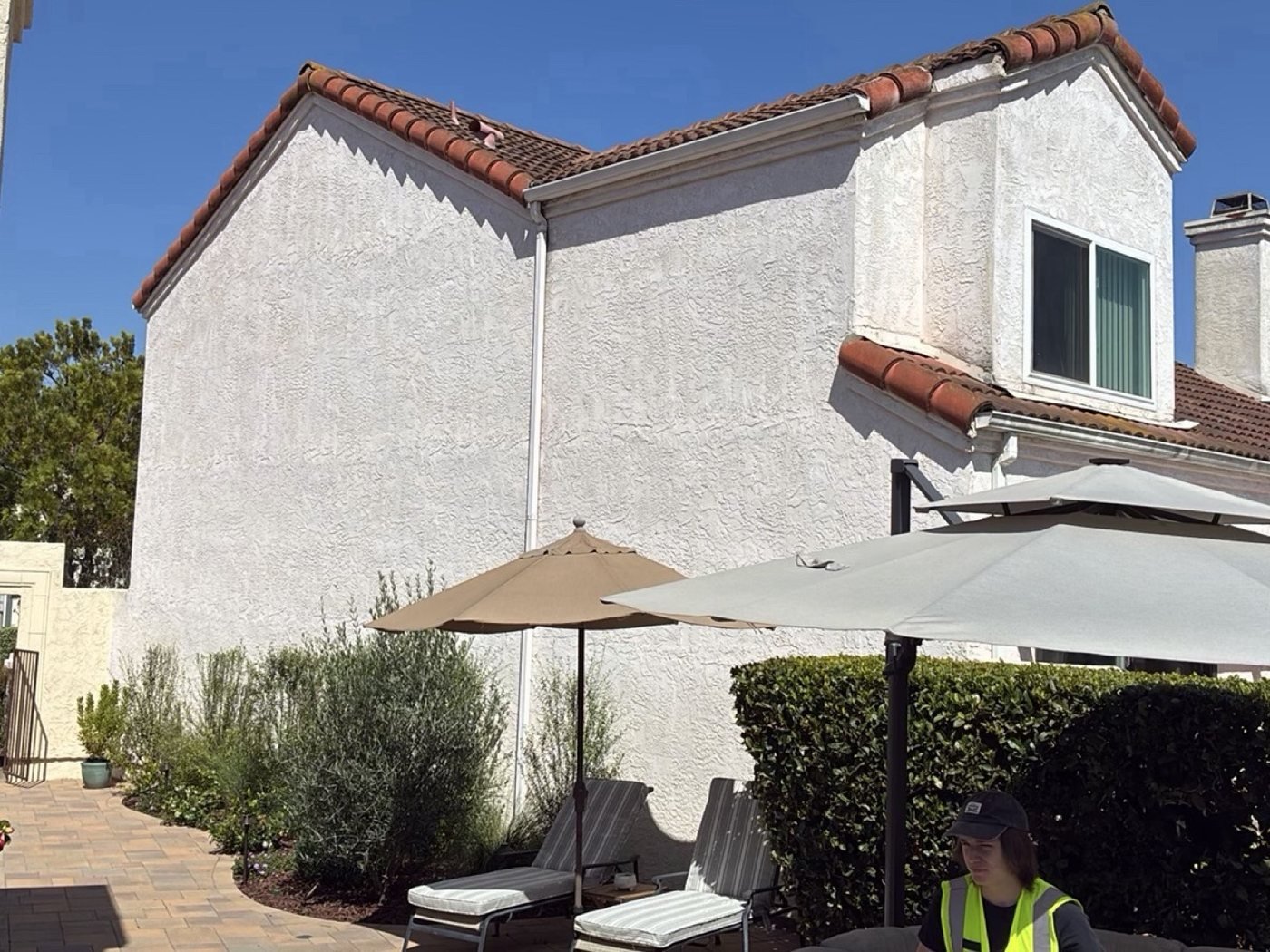
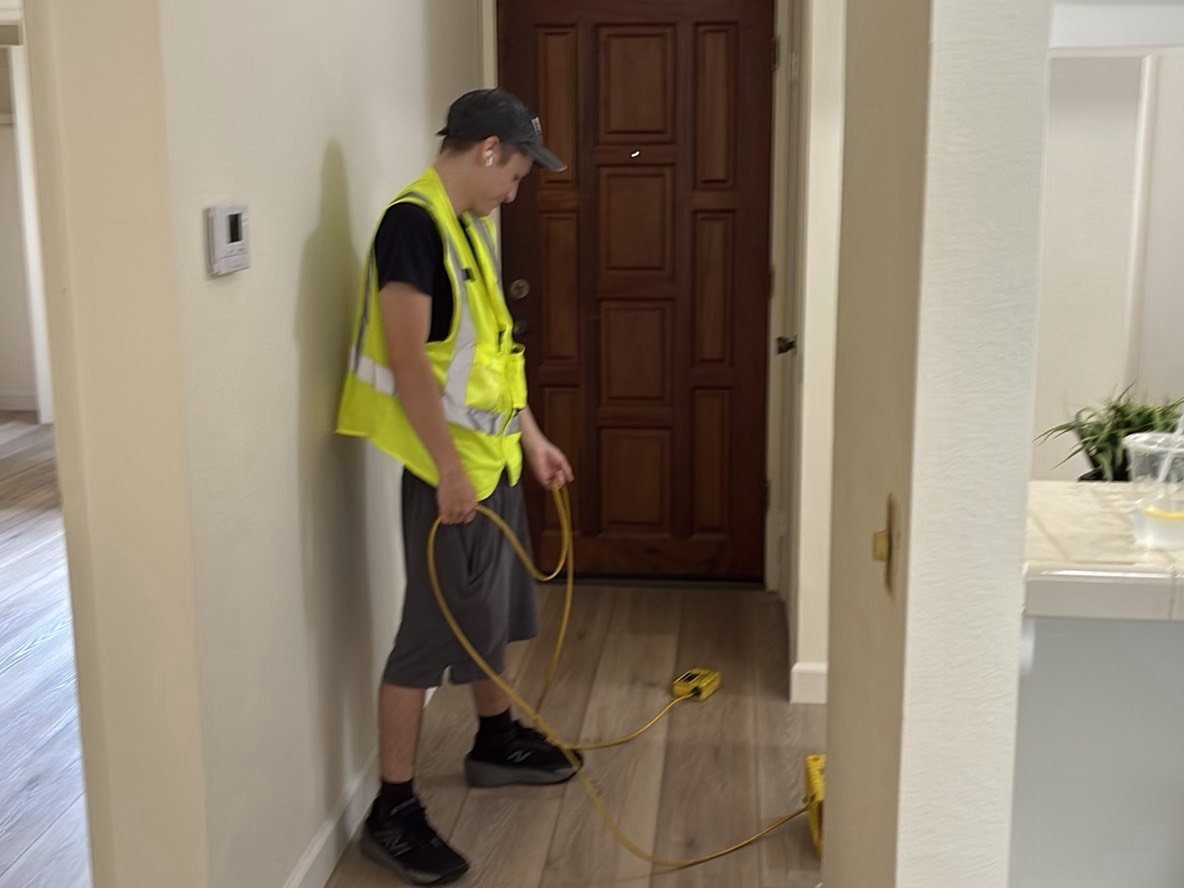
Slab surveys in action
ZipLevel altimeter measurements and foundation documentation from recent surveys.
More inspections in Julian
- Sewer scope inspection in Julian
- 4-point inspection in Julian
- Roof inspection in Julian
- Thermal imaging in Julian
- Home inspection in Julian
Nearby and countywide
Were You Happy With Your Inspection?
We are proud of our 4.9-star rating across 100+ Google reviews. If Joseph and the team did right by you, a quick Google review helps other San Diego County buyers and sellers find us.