
SB-721 Exemption Letter in Julian, CA
A demand for an SB-721 balcony inspection sometimes arrives at a Julian property that has nothing the law is reaching for. The statute behind those notices is narrow on purpose. It applies to apartment buildings holding three or more dwelling units, and only where the building carries wood-framed, load-bearing walking surfaces lifted more than six feet over what's beneath them — think decks, exterior stairs, suspended landings, open walkways. A surprising amount of the rental housing in this apple-country town fits none of that description. The old cabins hug the ground, porches are framed level with sloping earth, and the stairs that do step up the hillside were poured in concrete decades ago. When a building plainly sits outside the statute's reach, the correct response is not to commission an inspection of decks that aren't there. It is a written letter laying out, with evidence, why the requirement never landed on the property in the first place.
My name is Joseph Romeo. I take these determinations on myself — I make the drive up the mountain, render the applicability judgment standing on the parcel, and sign my name to the conclusion. Below, you'll find what the letter formally records, why Julian's high-elevation housing throws off so many genuine exemptions, the kinds of buildings I run into surveying lots up here, and how the document gets built so a County reviewer, an underwriter, or a lender can rely on it. The wider menu of local work lives on the Julian inspection hub. One thing I say before anything else: I evaluate and I document — I have no power to cancel a legal duty, and if your building actually triggers SB-721, you'll hear that from me on the spot.
Call (619) 752-4399 Schedule an Inspection
What does the letter record and what can't it do?
Picture the opposite of a deficiency write-up. A standard balcony report catalogs rot, rusted fasteners, and failing connections; this letter builds the affirmative case — with logged measurements and photographs — that SB-721 has no claim on your Julian building. The applicability call comes down to a handful of plain factual questions:
- Unit threshold. Does the property even reach the three-dwelling-unit floor that switches the statute on? A great deal of Julian's rental stock falls short of it.
- Elevated-surface search. Is there any load-bearing, wood-framed walking surface raised more than six feet above the ground directly below it? I survey for that, foot by foot.
- Construction type. Where stairs, decks, and landings are concrete, masonry, or steel, they fall outside the wood-framed assemblies the legislature was describing.
- Governing statute. Rental apartments answer to SB-721; condominium and HOA-run buildings answer to SB-326 instead. Sorting which one owns your building matters.
- Reviewer-readable. The conclusion is framed so a code official in unincorporated San Diego County can follow the logic without phoning me.
You walk away with a signed letter and photo support stating the building's status and the reasoning behind it — a record for your file, and the document you hand over the instant a lender, insurer, or official asks you to prove the exemption is legitimate. What it is emphatically not is a waiver. I report the structure and its condition truthfully. I do not erase any obligation the law genuinely places on you.
Why do apple-country rentals land outside the statute?
Julian produces exemptions for reasons tied straight to how a mining-and-orchard town at roughly 4,200 feet was settled and built. This is freeze country in the Cuyamacas — cabins under pine and oak, well-and-septic lots, propane tanks and wood stoves, homesteads scattered across wildfire terrain off the highway, Whispering Pines, and the back roads toward the orchards. Apartment density was never how the place grew, and the rental inventory reflects that history:
- Ground-hugging cabins. Much of what gets leased in Julian is a historic cabin, an old homestead house, or a small single-level unit where the door opens at or near the dirt. Nothing reaches the six-foot mark.
- Concrete stairs cut into the slope. Where a building does climb the hillside, the runs are often poured concrete or stone laid against grade — non-combustible work the statute was never drafted to capture.
- Below-count parcels. The mountain is full of duplexes, guest cabins, accessory units, and lone rentals on acreage that never hit the three-unit trigger.
- Association-governed corners. The few attached or shared-ownership developments around town are typically run by an HOA, which routes them onto SB-326 and away from the landlord rule.
The well casing, the septic leach field, the propane line, the wood stove, the defensible-space clearing, the snow load each winter — none of it shifts the SB-721 math in either direction. But those are exactly the features that make a clean, on-file exemption letter pay for itself when an insurer studying an older mountain building starts asking what's exempt and on what footing.
Which buildings do I run into surveying Julian lots?
An applicability survey is tight and quick — but it's a genuine walk of the property, never a ruling shouted from the cab of the truck. Across Julian rentals, what I find tends to fall into a few familiar shapes:
- Nothing in scope. A cabin or single-level unit where every entry, porch, and step rests on or barely above grade, with no raised wood walking surface anywhere on the parcel.
- Stone or concrete read as a deck. A poured landing or stone stoop that looks lifted from the driveway but is non-combustible construction the law never named.
- An HOA building under the wrong law. A shared-ownership or condominium structure whose recorded form and association control place it squarely under SB-326, not the landlord statute.
- A mixed property. Mostly at grade except for one rear wood stairway or a single raised deck that does qualify — where I'll tell you flatly that the inspection, not a letter, is the honest call.
- Sub-threshold acreage. The duplexes, guest cabins, and single rentals spread across Julian land that simply never reach three units.
I document presence and absence with equal care, and on these sloped, snow-touched lots I physically measure the heights that sit near the six-foot line rather than eyeball them. A letter only deserves a spot in your records if the reasoning behind it can stand up to whoever eventually challenges it.
How does the visit unfold and what do you take home?
It starts with a call to (619) 752-4399 or an email carrying the address, the unit count, and a line describing the building — cabin, single-level court, stair-served unit, or condo. From the address and a quick read of the structure, I can usually tell you before I ever climb the grade whether you're looking at an exemption or a full inspection, which spares you paying for a trip pointed the wrong way.
On the parcel I walk every exterior surface and doorway, measure wherever the six-foot line is honestly in question, record construction material, and confirm both the unit count and the ownership structure. You're welcome to come around the property with me — standing at a landing while I explain why a concrete-on-grade step falls outside SB-721 gives the finished letter more weight than a PDF that just shows up in your inbox.
What you receive is a signed exemption letter backed by photographs, drafted so a San Diego County reviewer, a lender, or an insurer can read the grounds for exemption with no narration from me. In most cases it goes out same day or next day. And if the building turns out to trip SB-721 after all, you get a straight answer and a clean handoff to the inspection it genuinely needs — no upsell, just the right move next.
Who stands behind the call?
An applicability determination is only worth the structural understanding of whoever signs it. I'm an InterNACHI Certified Professional Inspector (CPI), and I hold a California CSLB General Contractor license (#1113143). That builder's background is precisely why an exemption question lands well in my hands: I've framed the decks, stairs, and landings the statute describes, so I can tell a load-bearing wood-framed balcony apart from a poured landing or a purely decorative feature — the exact line the letter turns on.
- 20-plus years and more than 10,000 inspections across San Diego County, including the mountain rentals and rural homesteads of Julian and the eastern backcountry
- 4.9 stars across 106 Google reviews
- Independent, with nothing riding on the verdict — I don't bid or perform repairs and I don't sell balcony work, so nothing nudges the call toward billable hours
I assess and document; I won't waive any legal requirement, and I won't sign an exemption a building hasn't earned. Reach me directly at joe@sandiegohomeinspection.com or the number above.
Which related inspections fit Julian multifamily owners?
The exemption letter puts one question to rest. Depending on the building and what set off the notice, a focused add-on often makes sense, and I can roll these into the same drive up the mountain:
- SB-721 balcony inspection: the full elevated-element evaluation when the property genuinely carries qualifying decks, stairs, or walkways
- SB-326 balcony inspection: the parallel requirement for condominium and HOA-governed buildings — the right track when yours proves to be a common-interest development
- Multi-unit property inspection: a broader read on the roofs, systems, and units of an older Julian complex ahead of a sale or refinance
- Roof inspection: a closer look at coverings worn by mountain sun, wind, and the winter snow load over Julian's buildings
- Well and septic coordination: for the rural Julian parcels still off any public main, evaluated through a licensed specialist we refer out to
- Thermal imaging: to chase hidden moisture behind siding and at deck-to-wall joints on older buildings cycling through freeze and thaw
Not sure what your property calls for? Send the address and unit count and I'll tell you what's genuinely worth doing — or browse the full list of services first.
Julian SB-721 Exemption Letter FAQs
How do I tell whether my Julian building needs an exemption letter or the actual SB-721 inspection?
My Julian rental is a single-story cabin sitting on grade. Am I still on the hook?
Does an exemption letter close the question for good?
My Julian property is a shared-ownership condo. Doesn't SB-326 cover it instead?
Will San Diego County or my insurer accept the letter?
What does an SB-721 exemption assessment in Julian cost?
Properties we evaluate
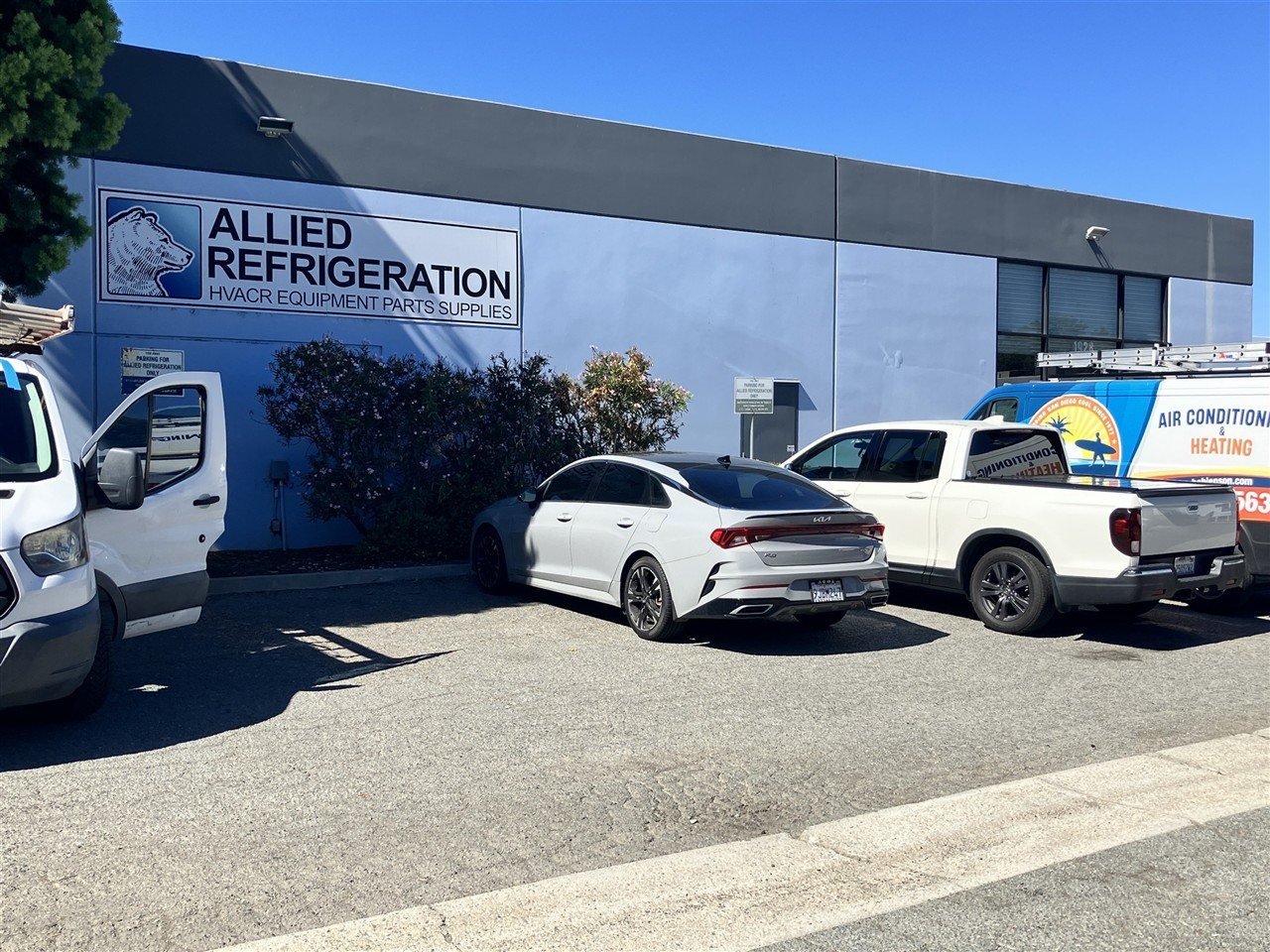
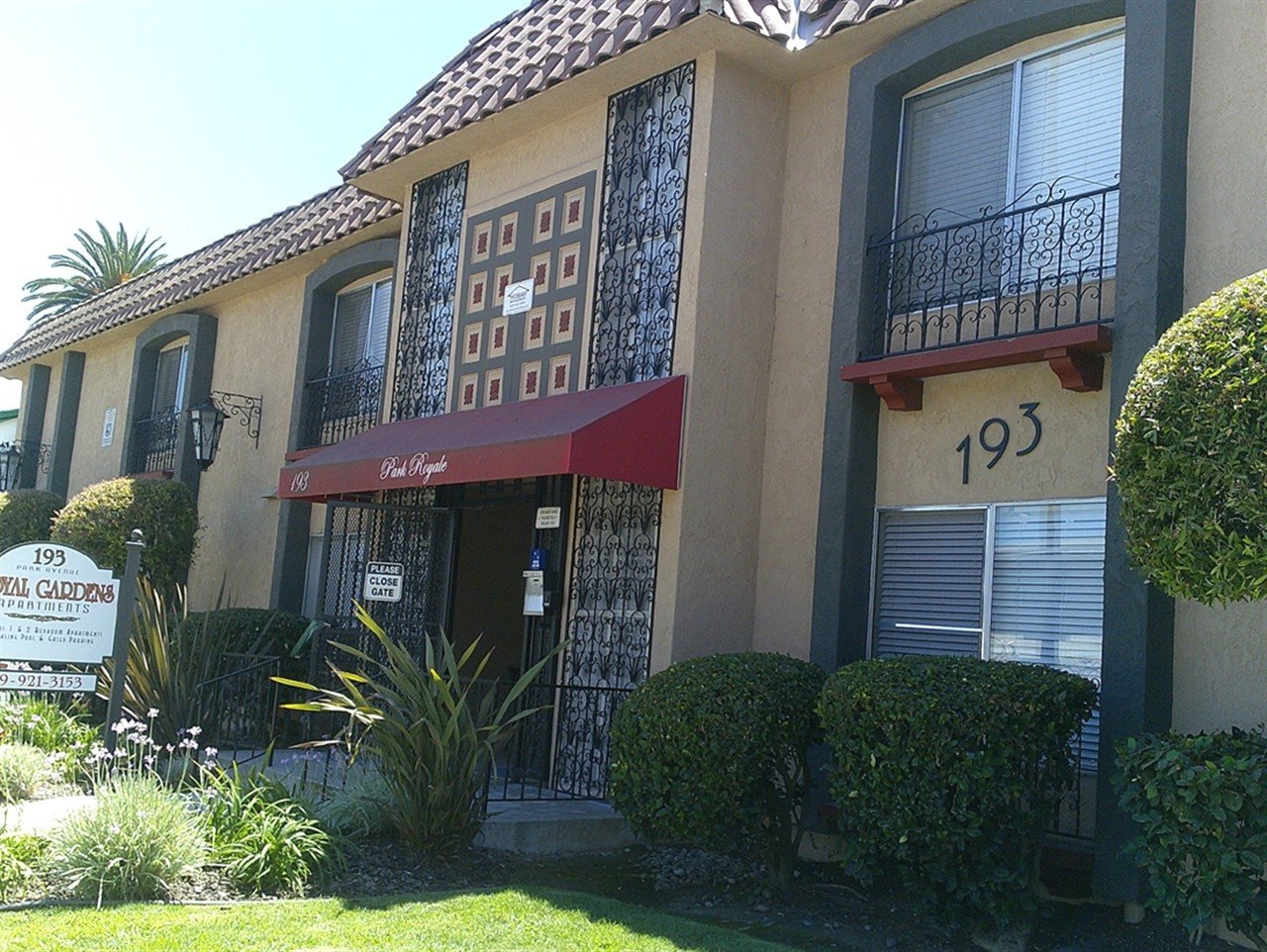
Properties evaluated for SB 721 exemption letters across San Diego County.
More inspections in Julian
- 4-point inspection in Julian
- Roof inspection in Julian
- Thermal imaging in Julian
- Foundation slab survey in Julian
- Home inspection in Julian
Nearby and countywide
Were You Happy With Your Inspection?
We are proud of our 4.9-star rating across 100+ Google reviews. If Joseph and the team did right by you, a quick Google review helps other San Diego County buyers and sellers find us.