
SB-326 Balcony Inspection in Julian, CA
Julian feels a long way from the condo high-rises most people picture when they hear “SB-326.” This is apple country at roughly 4,200 feet — a historic gold-rush town of wood cabins, snow in January, propane tanks, and homes on well and septic. Yet the law still reaches the attached housing tucked into and around town: the townhome clusters, the small stacked-flat associations, and the lodge-style and senior projects that share elevated decks and stairs. If you serve on one of those boards or manage the property, SB-326 makes your common-interest development with three or more multifamily units responsible for inspecting its load-bearing Exterior Elevated Elements (EEE) and waterproofing every nine years, with the first round due by January 1, 2025.
I'm Joseph Romeo, and I make the drive up Highway 78 to handle these association inspections in Julian myself. SB-326 is the HOA and condominium side of the elevated-element rules; SB-721 is the separate law covering rental apartments, and the two don't stack on one building. My job here is a licensed visual review of a statistically significant random sample of your balconies, walkways, and exterior stairs, plus the waterproofing that protects them, written to fold into the association's reserve study and land in front of the board. Below: what the inspection covers, how a freezing mountain town changes the failure picture, what I keep finding on Julian's older wood, and how the report comes together. The Julian inspection hub handles everything else.
Call (619) 752-4399 Schedule an Inspection
What does an SB-326 inspection cover on a Julian association?
SB-326 amended the Davis-Stirling Act to put community associations on a nine-year inspection cycle for the elevated wood that residents walk on and the membranes keeping water out of it. It's a tightly drawn scope — not a whole-building review — and on a Julian condo or townhome project I evaluate a randomly selected, statistically significant sample across these element types:
- Projecting unit balconies and decks on the upper floors of Julian's townhome rows and lodge-style buildings — the joists, the ledger that ties back into the wall, posts, and the walking surface
- Shared elevated walkways and breezeways linking second-story units in stacked-flat and senior associations
- Exterior stair flights and landings, with their stringers, posts, and the connectors anchoring them to the structure
- Guardrails and handrails on every sampled element, checked for solid attachment and whether they still resist a genuine load — the association owns that fall risk
- The waterproofing SB-326 names — deck coatings, flashing, sealant joints, and the drainage that carries water clear of the framing
The sample has to be sized so the findings fairly stand in for every element of that type on the property — a defensible cross-section rather than every balcony. The review is visual first; where evidence points to hidden rot, the law lets me call for opening a small section to confirm a suspect ledger or post. Each sampled element gets a graded condition backed by photos. I inspect and report — any repair design goes to a licensed engineer or contractor, work I coordinate rather than perform.
How do Julian's freeze, snow, and altitude rewrite the failure list?
An elevated deck ages differently at 4,200 feet in a town that actually gets winter than it does anywhere down on the coastal grid. Julian's conditions shape exactly where I look hardest on an association walk:
- Real freeze-thaw cycling: Julian sees nights below freezing and periodic snow. Water that soaks into a deck coating seam, a stair stringer, or a ledger during a storm freezes, expands, and pries joints and fasteners apart — a mode of damage that simply doesn't happen on a frost-free coastal balcony.
- Snow load and slow melt: Snow sits on flat landing surfaces and packs into corners, then melts and refreezes against the wood for days. Blocked scuppers and shaded undersides hold that meltwater right where it does the most harm.
- Old wood-heavy construction: Much of Julian's attached and lodge-style housing is older, wood-framed, and built before modern flashing details, so original ledger and deck assemblies are reaching the end of their life as the first SB-326 cycle arrives.
- Dense oak and pine canopy: Heavy shade keeps surfaces damp long after a storm and drops debris that clogs drainage, accelerating rot at connections that never fully dry out.
- Wildfire exposure: Julian sits in high fire country. The same dry-rotted, gapped stair and deck members SB-326 grades are also ember catchers, so degraded exterior wood matters twice over.
Which defects keep turning up on Julian decks and stairs?
Across the townhome clusters, senior associations, and lodge-style buildings I inspect around Julian, the problems show up in a familiar sequence. A board that recognizes the pattern can fund the right reserve line deliberately instead of scrambling when an element comes back graded for action:
- Coatings split by freeze cycling — deck and walkway membranes cracked along their seams where repeated freezing has worked them open and they no longer shed water
- Failed sealant at the deck-to-wall joint and post bases, the first line to give and let meltwater slip past the waterproofing into the ledger
- Concealed framing rot at ledger ties and stair-stringer footings, where moisture has wicked in under paint and snowmelt has kept it wet
- Corroded hangers, lags, and post bases, rusting fastest in the shaded, slow-drying corners under the canopy
- Under-attached guardrails on balconies and shared stairs that no longer hold their required load — a frequent and serious safety call on association property
- Debris-packed drains and scuppers holding standing water and ice against the framing, often made worse by oak leaf and pine duff
I separate cosmetic weathering from anything touching load capacity or safety, and I photograph each grade so the board and reserve analyst are reading evidence, not my opinion.
How does the visit run and what does the board receive?
It begins with a call to (619) 752-4399 or an email listing the association name, the Julian address, the unit count, and a rough tally of balconies, walkways, and stair flights. That count sets the statistically significant random sample, so a multi-building townhome community schedules and prices differently than a single senior condo structure. I arrange access through the board or management company, and because winter access up here can mean snow on the lots, I coordinate timing so the elements are actually reachable.
On site I work the sampled elements directly — reading flashing and probing for soft wood at the ledger connections, checking coating and drainage on the walking surfaces, load-testing every sampled guardrail, and examining stringers, posts, and connectors beneath the stairs and landings. Where the visual review shows a sign of hidden damage, I flag the need to open a small section rather than guess at a buried ledger; on Julian's older stock, that's precisely where a rotten connection hides.
The deliverable is a HomeGauge report that grades each sampled element, documents the waterproofing condition, and backs every call with photographs. SB-326 requires the report be incorporated into the association's reserve study and delivered to the board — it stays with the association rather than getting filed with the county — so I write it to drop straight into that document instead of a bare pass/fail page. Turnaround is same day or next day in most cases, and anything needing repair is organized so your engineer or contractor can move into a stamped design without re-walking the property.
Why do Julian boards and managers call me?
SB-326 restricts who may perform the inspection, and hands-on building experience is what reads these assemblies correctly — a wrong grade hurts both ways, since a missed rotten ledger is a liability the board carries and a false alarm is a special assessment nobody needed. I hold an InterNACHI Certified Professional Inspector (CPI) credential and a California CSLB General Contractor license (#1113143). Because I've built and repaired the exterior stairs, ledger ties, and deck membranes I'm grading, I can tell a board whether a finding is a coating refresh or a framing repair that needs an engineer — the call that decides how large a reserve contribution has to be.
- 20+ years and 10,000+ inspections across San Diego County, including the backcountry communities up the 78 and 79
- 4.9 stars across 106 Google reviews
- Independent and conflict-free — I document condition and don't bid the repairs I flag, so nothing in the report nudges the association toward buying work, which is what a board bound by fiduciary duty needs
To be straight about scope: I'm an InterNACHI CPI and CSLB-licensed contractor, not an ASHI or CREIA member, and I don't perform termite or wood-destroying-organism reports, Phase I environmental work, or engineering certifications. When a finding points to one of those, I coordinate or refer the right licensed professional. Reach me directly at joe@sandiegohomeinspection.com or the number above.
What related inspections fit Julian common-interest developments?
SB-326 answers the condo balcony mandate and nothing more. A handful of companion services pair naturally with it for a Julian association, and I can coordinate them around the same trip up the mountain:
- SB-721 balcony inspection: the parallel EEE law for rental apartment buildings — if part of your Julian property is multifamily rental rather than HOA-governed condo, that's the standard that applies to it instead
- Roof inspection: the common-area roof membrane and flashing share the same waterproofing job as your upper walkways and balconies, and after years of snow load and UV they're worth reading together
- Thermal / infrared imaging: to locate concealed moisture behind deck coatings and at ledger ties before any intrusive opening — especially useful where snowmelt hides in shaded framing
- Full building condition assessment: when the board wants a whole-building read on common-element systems for the reserve study, not just the elevated elements
- Well and septic-adjacent checks: most Julian parcels run on private well and septic rather than municipal utilities, and those systems deserve attention outside the SB-326 scope
Not sure which apply to your project? Send the association name, the unit count, and a sense of how many elevated elements the property carries, and I'll tell the board what's genuinely worth scheduling before your SB-326 cycle comes due. Browse all inspection services or check the fee schedule.
Julian SB-326 Balcony Inspection FAQs
Does my Julian condo association need an SB-326 inspection?
When was the SB-326 deadline for Julian associations?
How does Julian's winter weather affect the inspection?
Why does SB-326 inspect only a sample of our balconies?
Will you open up framing during the inspection?
What does an SB-326 inspection cost for a Julian HOA?
HOA properties we inspect
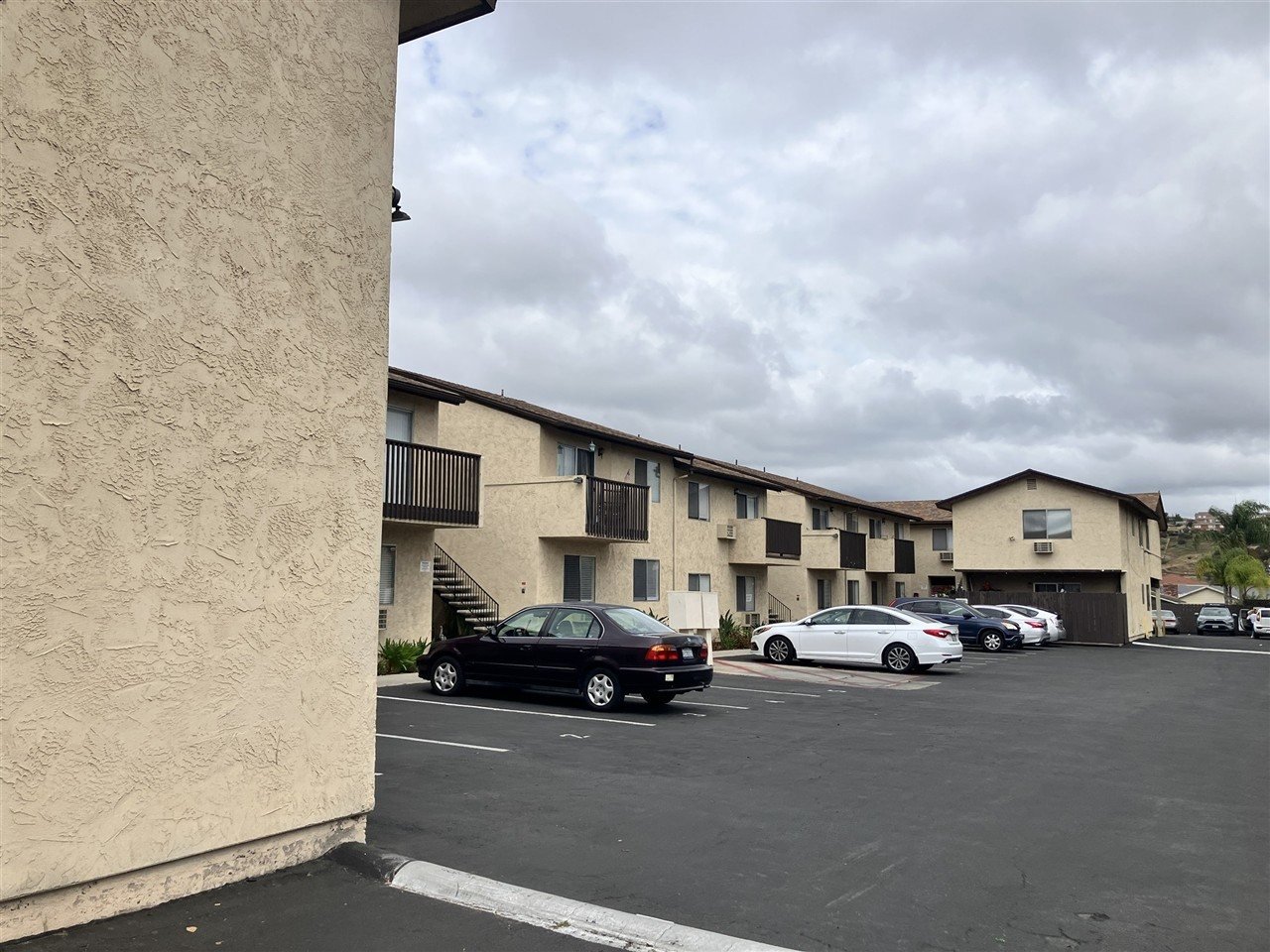
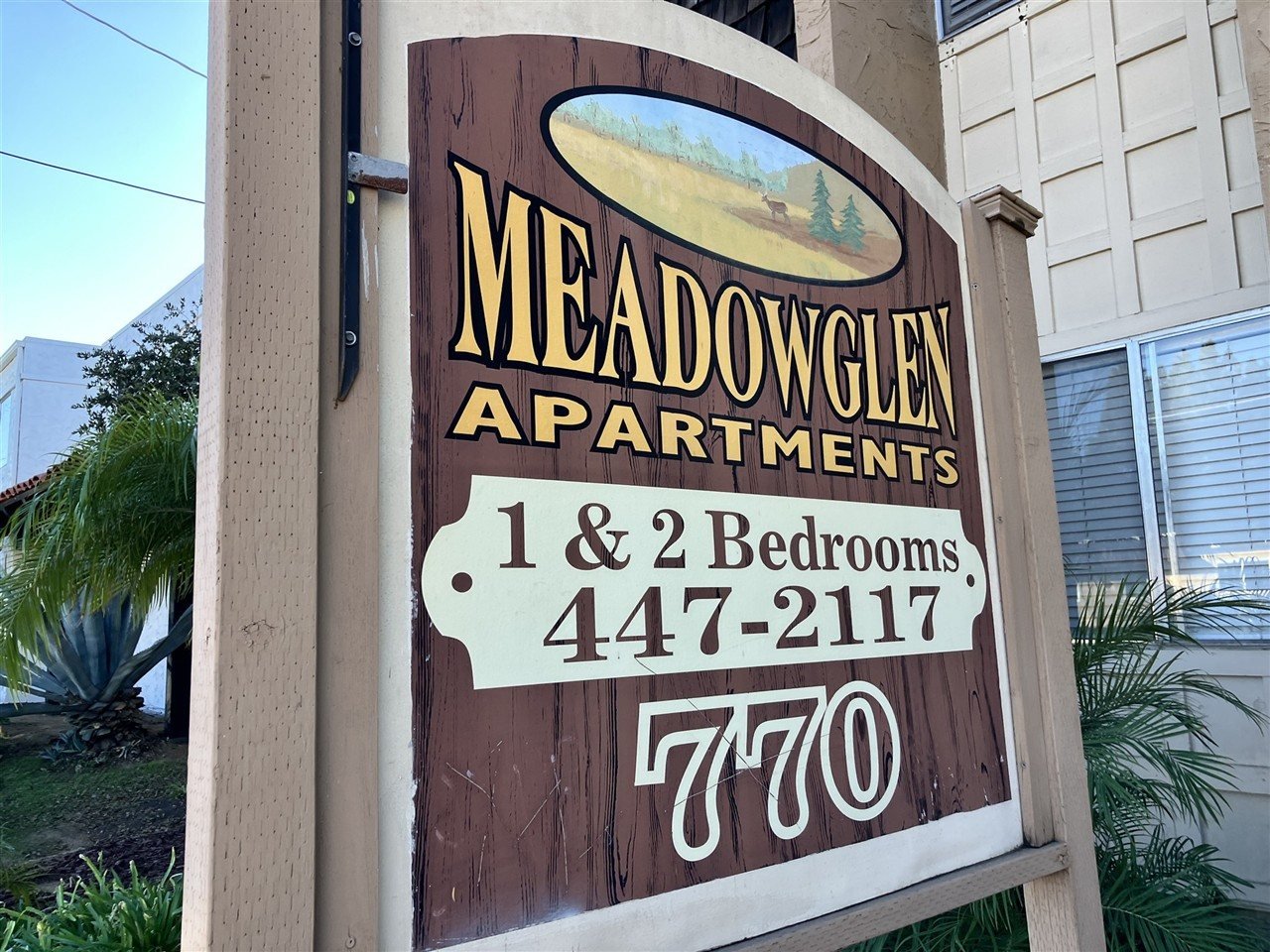
Condominium properties documented for SB 326 balcony compliance across San Diego County.
More inspections in Julian
- Warranty inspection in Julian
- Commercial roof cleaning in Julian
- Commercial inspection in Julian
- Pool and spa inspection in Julian
- Home inspection in Julian
Nearby and countywide
Were You Happy With Your Inspection?
We are proud of our 4.9-star rating across 100+ Google reviews. If Joseph and the team did right by you, a quick Google review helps other San Diego County buyers and sellers find us.