
Pool & Spa Inspection in Julian, CA
Julian wears its history on its sleeve — a gold-rush town turned apple country, perched around 4,200 feet on the back side of the Cuyamacas, where the maples turn in October and snow falls in earnest most winters. A pool up here is a rarity, and the ones that exist behave nothing like the tract pools forty minutes downhill. They fill off a private well, heat off propane hauled in by truck, and sit on granite-and-clay ground that heaves when it freezes and thaws. Whether you're under contract on a cabin near Wynola, an orchard parcel out toward Volcan Mountain, or a newer build closer to town, that backyard pool is the system most likely to have been left to fend for itself through a decade of mountain winters.
I'm Joseph Romeo, and I handle Julian pool and spa inspections myself. The work is a careful visual look at how the whole assembly holds together — the shell and its finish, the deck and coping, the circulation lines you can actually see, the pump-filter-heater pad, the electrical bonding and GFCI protection, and the fences, gates, and anti-entrapment drain covers that stand between the water and a wandering child. I document what's visible and operable the day I'm there. I don't pressure-test for leaks or correct your chemistry — those are a pool specialist's job, and I'll say so when the evidence warrants it. The Julian home inspection hub connects the pool to everything else on the parcel.
Call (619) 752-4399 Schedule an Inspection
What does a Julian pool & spa inspection actually cover?
I treat the pool as one machine with several moving parts — structure, hydraulics, equipment, and the safety layer — and I write down the accessible, visible condition of each. On a Julian property the checklist runs like this:
- Shell and interior finish: the plaster, pebble, or quartz on both the pool and the spa, looked over for crazing, hollow spots, etching, and the mineral marks that mountain well water deposits over time.
- Deck, coping, and waterline tile: the surrounding flatwork, the expansion-joint mastic, the coping cap, and the tile band, read for the lifting and separation that frost-heave on granite-clay soil drives into the work each season.
- Visible circulation plumbing: skimmers, returns, valves, and the exposed pipe at the pad, watched for weeping, corrosion, and the split fittings a backcountry freeze leaves behind. Buried runs don't get pressurized — I report what shows.
- The equipment pad: pump, filter, and heater operated where the controls allow, with attention to age and wear, plus any automation, salt-chlorine cell, and the propane heater and its supply standing in for a gas main that never reached this elevation.
- Bonding and GFCI: the equipotential bonding grid and the ground-fault protection on the pump and pool circuits — the most safety-critical thing I verify on any pool, and I don't rush it.
- Barriers and anti-entrapment: perimeter fencing, self-closing and self-latching gates, any door alarms, and VGB-compliant anti-entrapment drain covers that satisfy California's drowning-prevention law.
When a pipe is buried, an equipment closet is locked, or a heater can't be lit safely, I write that down instead of implying I checked something I couldn't get to.
How does Julian's climate and setting affect a pool?
The mountain town that makes Julian charming is also rough on a backyard pool. These are the items that earn the most of my attention on an apple-country walk:
- Real winter, real snow. At 4,200 feet Julian gets hard freezes and measurable snowfall most years. Water that freezes inside unprotected pipe splits the plumbing, fractures pump and filter bodies, and ruptures heater headers that never got winterized. I follow the exposed pad runs hunting for old burst-and-patch scars and any freeze protection that's gone missing.
- Propane, not natural gas. No gas line climbs this far, so the pool and spa heat on propane from an on-site tank. I look at the heater type, the regulator and accessible supply routing, the venting and clearances, and the corrosion or scorching a unit develops running against thin, cold mountain air.
- Well water and its minerals. Topping a pool from a private well drives hard, often iron-tinted water into the system. I check the finish, the tile line, the heater interior, and any salt cell for the calcium scale and rust staining that build up quietly at altitude.
- Wildfire country. Julian remembers the 2003 Cedar Fire, and these parcels sit deep in the wildland interface. I flag combustible litter and orchard debris crowding the equipment, exposed propane components, and clearances that matter when embers travel — and I'll note where a pool serves as on-site water in an emergency.
- Wood smoke, orchard debris, and shade. Wood-stove ash, apple-tree leaf drop, and oak tannin settle into the water and onto the deck, staining finishes, clogging skimmers, and loading filters far faster than an open valley yard.
- Backcountry power and PSPS shutoffs. Public-safety power shutoffs and rural outages can idle the equipment for days. Stalled circulation in summer and a dead pump during a winter cold snap both invite damage, and I note how exposed the system is to either.
Which findings show up again and again on Julian pools?
Across this thin, weathered housing stock the write-ups repeat. Spotting the pattern before your contingency lapses lets you plan or negotiate instead of discovering it the first cold week after closing:
- Freeze-split plumbing — cracked fittings, fractured pump volutes and filter housings, and heater headers that gave out over a hard winter, some patched, some still seeping.
- Broken or absent bonding — an equipotential grid corroded, cut, or never finished after an equipment swap, plus pump and light circuits with no GFCI. These are genuine shock hazards, and I never wave one through.
- Scale and iron stain — well-water calcium and iron building on the finish, the tile band, inside the heater, and across the salt cell.
- Spent plaster and finish — etched, hollow, or stained surfaces overdue for a resurface under the punishing high-altitude UV.
- Tired propane heaters — corroded, scaled, or poorly vented units, with regulator and supply concerns on the gas side.
- Expired drain covers — flat, cracked, or out-of-date main-drain covers that no longer meet VGB anti-entrapment standards.
- Heaved deck and coping — cracked flatwork and separated coping traced to frost cycling and granite-clay movement on sloped lots.
- Weak barriers — gates that won't self-latch, fencing with climbable gaps, and no alarm on the door out to the water.
Few of these sink a deal on their own. What matters is the sort: the report separates the safety hazards and the expensive repairs from ordinary upkeep, so the figures you carry into negotiation reflect what truly costs money.
How does the inspection run and what does the report deliver?
It starts with a call to (619) 752-4399 or an email with the address and a short note on what's out back — in-ground pool, attached spa, propane heater, salt system. The pool & spa inspection usually rides along with the home inspection on one trip up the grade, and on Julian's larger orchard and cabin lots I size the time to what's genuinely there. For full access the equipment should be powered and the pad reachable; if a gate code, a locked equipment shed, or a winter cover stands in the way, tell me ahead so nothing has to be deferred.
On site I cycle the pump, filter, and heater where the controls permit, walk the entire barrier and gate layout, sound and study the shell and waterline, and confirm bonding and GFCI at every point I can reach. Walk it with me if you can — I'd prefer it. Standing at a frost-split fitting or a missing bonding clamp while I explain it lands harder than any written line, and it's the right moment to separate fix-now from watch-later.
What you get back is a photo-documented HomeGauge report, organized by system, with the safety-critical findings — bonding, GFCI, anti-entrapment covers, and barriers — pulled into a summary up top. In most cases I deliver it same day or the next, so your contingency window never stalls on me. I report observed condition only and never bid or perform the repairs I list, so nothing in the document carries a quiet motive. Two scopes fall outside this inspection and I'm blunt about them: pressurized leak detection and water-chemistry balancing are specialist work, and where the signs point that way I refer a licensed pool pro.
Who handles your Julian pool inspection?
A pool is a structure, a machine, and an electrical system at once, and reading one well rewards an inspector who understands how the whole thing was put together. Your inspection is done by Joseph Romeo, an InterNACHI Certified Professional Inspector (CPI) who also holds a California CSLB General Contractor license (#1113143). On Julian's mountain pools — propane-heated, well-fed, and built to ride out a freeze — that builder's eye earns its keep: I can read how the thing was actually assembled, how it was piped, where the bond was routed, how power got to it, and tell you whether a finding is an afternoon fix or a tear-out bill measured in serious money.
- 20+ years and more than 10,000 inspections across San Diego County, coast to backcountry, Julian's mountain parcels included.
- 4.9 stars across 106 Google reviews from buyers, sellers, and agents.
- Independent and conflict-free — I report the pool's condition and don't bid or do the repairs, so nothing gets nudged toward selling you work.
- Straight talk on what's a safety issue, what's deferred maintenance, and what's purely cosmetic — no scare tactics on a getaway you bought to enjoy.
For anything past a visual pool inspection — a pressurized leak test, a structural opinion on a failing bond beam, or a pest report on the cabin nearby — I coordinate or refer the right licensed specialist. Reach me directly at joe@sandiegohomeinspection.com or the number above.
What related inspections fit Julian properties?
A pool rarely stands alone on a Julian parcel, and most of these fold neatly into one coordinated trip up the mountain:
- Full home inspection — the whole-house look at roof, structure, electrical, plumbing, and HVAC that the pool inspection usually accompanies. Start at the Julian home inspection hub.
- Well and septic coordination — for the private water and waste systems nearly every Julian lot relies on, which matters doubly when the pool draws off that same well.
- Roof inspection — for coverings and flashing worn by the same snow load, freeze-thaw, and orchard debris that age the pool.
- Thermal / infrared imaging — surfaces hidden moisture around the equipment pad, the deck, and any attached spa, plus overheating connections on pool circuits.
- Wildfire-readiness notes — defensible-space and clearance observations around the equipment and propane, fitting for a property in fire country.
- Specialist coordination — pressurized leak detection, water chemistry, and structural or pest reports arranged through the right licensed providers when the evidence calls for it.
Not sure what your address actually needs? Send it over with a note on what's in the backyard and I'll tell you what's worth doing before the contingency closes — or browse all the inspection services we offer for the full menu.
Julian Pool & Spa Inspection FAQs
What does a pool & spa inspection in Julian cost?
Why does snow and freezing weather matter so much on a Julian pool?
Do you inspect the propane heater on a Julian pool?
Does the well water affect a pool up in Julian?
Do you check the safety fence, gates, and drain covers?
Do you test the pool for leaks or balance the chemistry?
Pools and equipment
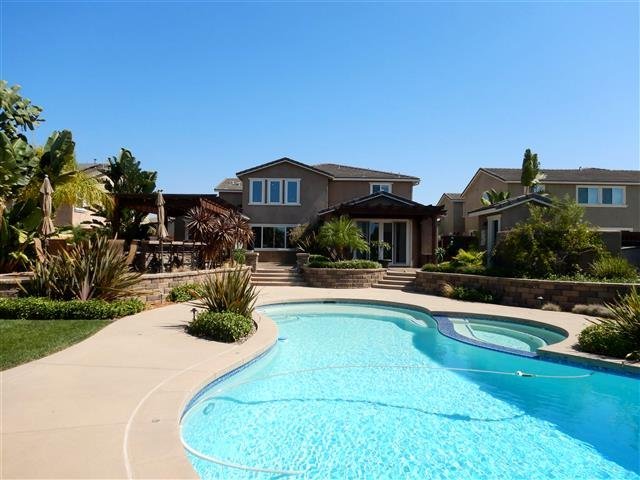
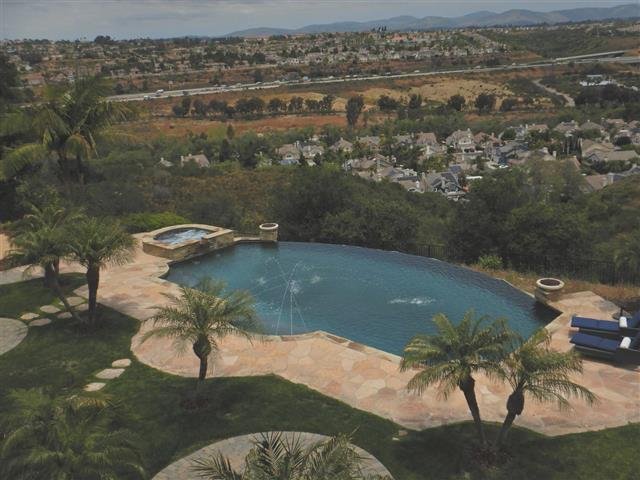
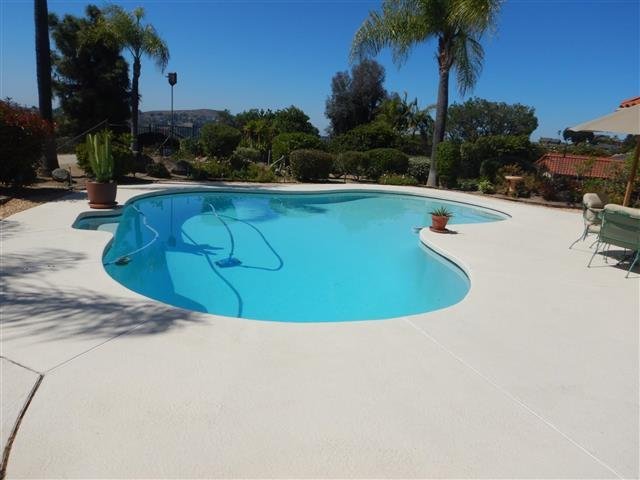
Pools, spas and equipment photographed during recent inspections.
More inspections in Julian
- SB 721 exemption letter in Julian
- Seller inspection in Julian
- Warranty inspection in Julian
- Commercial roof cleaning in Julian
- Home inspection in Julian
Nearby and countywide
Were You Happy With Your Inspection?
We are proud of our 4.9-star rating across 100+ Google reviews. If Joseph and the team did right by you, a quick Google review helps other San Diego County buyers and sellers find us.