
Commercial Property Inspection in Julian, CA
Julian is a historic mountain town near 4,200 feet, and the income property here is its own animal. Most of the rentable stock sits in the historic district — the old wood-frame and brick storefronts along Main and Washington that house pie shops, tasting rooms, the gold-rush-era hotel and inns, gift retail, and cafes — plus the bed-and-breakfast and lodging parcels, the apple-country barns and tasting-room outbuildings, and the small office, trade-shop, and storage yards scattered out the 78 and 79 toward Wynola and Santa Ysabel. Nearly all of it runs on a well, a septic system, and a propane tank, heats partly with wood stoves, and takes snow and a hard freeze each winter. Inspect one of these buildings as if it were a flatland strip-center and the mountain will surprise you after the deal closes.
I'm Joseph Romeo, and I personally walk and write up Property Condition Assessment-style inspections on Julian commercial buildings — for buyers, 1031 exchange investors, landlords resetting a lease, and tenants weighing a long term in a tourism market. Every walkthrough leans on the ASTM E2018 reference and hands you a photo-backed account of each building system and the life left in it. The Julian home-inspection hub handles the residential side of the mountain; this page stays strictly commercial — what I cover, the high-country and historic-building risks I weigh hardest, the report you receive, and where I hand off to a licensed specialist.
Call (619) 752-4399 Schedule an Inspection
Which systems do I walk on a Julian commercial building?
Commercial work goes deeper and more system-by-system than a house inspection, because a historic-district storefront, an apple-country tasting room, or a B&B parcel is really a collection of separate assemblies, each aging on its own schedule. On a Julian property I examine, visually and hands-on wherever it is safe to reach:
- Roofing and membrane — the low-slope TPO, modified-bitumen, or built-up coverings tucked behind the historic storefront parapets, the steep wood-shake, composition, and metal roofs built to drop mountain snow on the inns and barns, plus parapets, snow-load wear, ice-dam staining, and worn flashings on century-old framing
- Heating and HVAC — the packaged RTUs where they exist, alongside the furnaces, wall heaters, and the wood stoves and pellet appliances that genuinely carry these buildings through a 4,200-foot winter, judged on age, refrigerant, heat-side capacity, clearances, and real field wear rather than the data plate
- Electrical service and distribution — service size and configuration, occasional three-phase on the larger lodging and production parcels, the main disconnect, panels and subpanels, the often-tangled wiring layered into old buildings over a century, and the long rural feeders normal up here
- Plumbing, water heating, and source — supply and waste piping, commercial water heaters, pressure tanks, backflow devices, freeze protection on every exposed line, and confirmation of whether the building draws from a private well or the small Julian water district instead of a municipal main
- Propane and fuel gas — tank siting and clearances, the regulator and gauge, and the visible lines that fire heat, kitchens, and water heating in a town natural gas never reached
- Fire and life-safety — visible sprinkler heads and risers, alarm panels, extinguishers, exit and emergency lighting, reviewed visually rather than certified by a fire marshal — and it weighs heavily on a wood-frame building in a forested town
- Site, paving, and accessibility — asphalt, decomposed-granite and gravel drives and lots, boardwalks and steps, grading, snowmelt routing, and a visual read of accessible parking, striping, signage, and path of travel
- Envelope and structure — the aged wood-frame, brick, and stucco that defines the district, visible framing and slabs or pier foundations, read for settlement, separation, and water entry
This is a visual assessment on the ASTM E2018 framework, not destructive or invasive testing. A Phase I Environmental Site Assessment and any engineered structural certification are separate scopes — not unusual on Julian's older mining-era, fuel, and barn parcels — and I bring in or refer the right licensed specialist for those.
What mountain and historic-district risks matter most in Julian?
Julian's altitude, its century-old building stock, and its off-grid utilities drive a tight list of items that get extra time on the walk. This is where mountain commercial deals actually go wrong:
- Snow load, freeze, and ice damming: at 4,200 feet these buildings take snow and repeated freeze-thaw. I read roof framing and sag on the old structures, check for ice-dam staining and rot at eaves and parapets, and look for the burst-prone exposed plumbing that a single hard freeze can split in an unheated storeroom or crawlspace.
- Wildfire interface (WUI): Julian sits deep in the wildland-urban interface and carries the memory of the 2003 Cedar fire. On a wood-frame commercial building I look hard at ember-vulnerable roof edges, shake roofs, open eaves and vents, combustible storage against walls, and defensible space — the very conditions an insurer will surcharge or decline.
- Wood stoves and chimneys: wood and pellet heat is everywhere in Julian's shops and inns. I note stove clearances, hearth and wall protection, and visible flue and chimney condition, and flag where a Level 2 chimney evaluation belongs before a new tenant lights it.
- Well, septic, and water source: most Julian commercial parcels are off city water and sewer. I flag whether the building runs on a private well or the water district and whether waste goes to septic, because a weak well or a failing commercial leach field — especially under a restaurant or B&B load — is a six-figure problem you do not want after escrow.
- Aged historic framing and additions: many storefronts are a stack of additions over 100-plus years. I separate cosmetic settlement and old movement from active structural problems in framing, brick, and foundations, and call out where a permit history clearly went missing.
What do I routinely turn up on Julian commercial buildings?
Across the historic storefronts, the inns and B&Bs, the tasting rooms and apple-country barns, and the trade-shop and storage parcels, the findings fall into familiar patterns. Knowing them lets you price the risk into the deal instead of meeting it after close:
- Tired and patched roofs — worn modified-bitumen and built-up membranes hidden behind historic parapets, aging wood shake and composition on the inns and barns, and the flashing failures and ice-dam rot that follow mountain winters
- Heating systems near end of life — old furnaces and wall heaters, RTUs rusted and short-cycling, and wood stoves and flues installed without clearances or a permit in sight
- Layered, unpermitted electrical — a century of added subpanels, junction boxes, and circuits from successive buildouts, knob-and-tube or cloth wiring remnants in the oldest buildings, and dated services straining a modern restaurant or production kitchen load
- Well, septic, and propane question marks — unknown well yield and water quality, septic age and capacity against a food-service or lodging load, and propane tanks and lines needing clearance or replacement
- Freeze and water-intrusion damage — split or repaired exposed lines, rot at eaves and around old window heads, and moisture staining where snowmelt found a path inside
- Fire and life-safety gaps — obstructed or painted sprinkler heads, expired extinguisher tags, dead exit and emergency lighting, and wood-stove installs that would not pass a closer look
- Accessibility shortfalls — boardwalk steps, non-compliant slopes and striping, and path-of-travel obstructions, all noted as visual observations on a district never built for them
I split the safety and big-ticket capital items from routine upkeep so your team can build a real repair-or-credit position.
How does the walkthrough run and what report do you get?
It opens with a call to (619) 752-4399 or an email with the address, building type, and rough square footage. A single tasting room out toward Wynola is a different day than a multi-tenant historic block on Main with roof access and wood-stove flues to check, so I scope the time and the flat fee to the property and your due-diligence clock. I confirm roof access, tenant-space entry, and whether utilities, the well pump, and propane are on so nothing stalls the walk.
On site I work the building system by system and get onto the roof wherever it is safely reachable. You, your broker, or your lender's rep are welcome to walk it with me. Standing at the pressure tank while I explain what an unknown well yield means under a restaurant load, or at a wood stove while I point out a clearance problem, tells you more than any spreadsheet. It is also the right moment to sort deal-breakers from reserve items.
The deliverable is a HomeGauge report with a photo on every finding, organized by building system, with safety and major capital items called out apart from routine maintenance. In most cases I turn it around same day or next day — formatted so your attorney, lender, and contractors can each pull what they need without a translator. It is an ASTM E2018-style condition assessment, not a Phase I Environmental Site Assessment or an engineered structural certification, and the report says so plainly.
Why do Julian investors and landlords bring me in?
A condition assessment is only as good as the person reading the building. I'm an InterNACHI Certified Professional Inspector (CPI), and I also hold a California CSLB General Contractor license (#1113143). On a historic mountain deal that second credential earns its keep: I've built and repaired the roofs, electrical services, framing, and heating systems I'm evaluating, so when I flag a finding I can tell you whether it's a maintenance line item or a six-figure capital event — the difference between a building you walk into and one you walk away from.
- 20+ years and 10,000+ inspections across San Diego County, including Julian's historic district and the inns, barns, and trade-shop parcels around the backcountry
- 4.9 stars across 106 Google reviews
- Independent and conflict-free — I assess condition and I do not bid the repairs, so nothing in the report is steered toward selling you work
For environmental, structural-engineering, well-yield, septic, chimney, or termite/WDO scopes, I coordinate or refer the right licensed specialist rather than pretending a walkthrough covers it. Reach me directly at joe@sandiegohomeinspection.com or the number above.
What related inspections fit Julian commercial properties?
The commercial walkthrough covers the building's systems. Up here especially, a few focused add-ons and coordinated specialists usually belong on the due-diligence list, and I can line them up around the same visit:
- Roof-only deep dive: a closer read on an aging membrane behind a historic parapet or a snow-worn shake roof when remaining life is the central question
- Thermal / infrared imaging: for hidden roof and freeze moisture, envelope leaks, and overheating connections in a dated or heavily-modified panel
- Well and septic evaluation: coordinated with a licensed specialist for the many Julian commercial parcels off city water and sewer — yield, water quality, and leach-field capacity for a food-service or lodging use
- Chimney and wood-stove evaluation: a Level 2 review by a qualified sweep on the many buildings heated by wood before a new tenant fires it up
- Phase I Environmental Site Assessment: a separate environmental scope I coordinate with a qualified firm — worth a look on former fuel, mining-era, and auto-use parcels
- Structural / engineering review: referred to a licensed engineer when century-old framing, brick, or a foundation question needs more than a visual read
- ADA and accessibility observations: a visual path-of-travel review to flag what a buildout or change of use in the historic district will have to address
Send me the address and the building type and I'll tell you which of these genuinely apply before you spend on any of them.
Julian Commercial Property Inspection FAQs
What does a commercial property inspection in Julian cost?
Is this the same as a Phase I Environmental Site Assessment?
Most Julian commercial parcels are on a well, septic, and propane. Do you cover that?
Can you inspect a historic Main Street storefront or an old inn?
Does the report address wildfire and snow exposure?
Do you certify ADA compliance for a Julian commercial building?
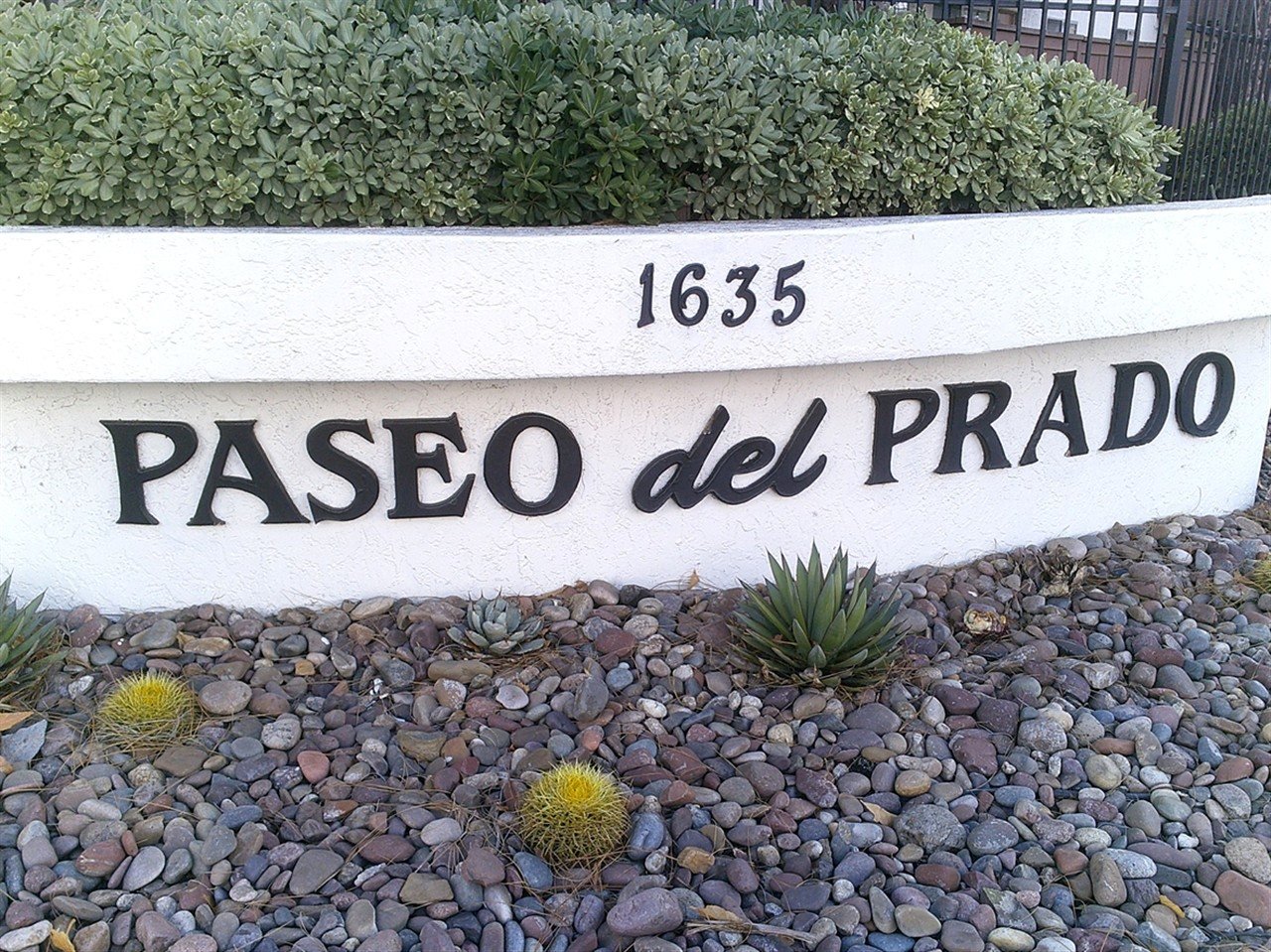
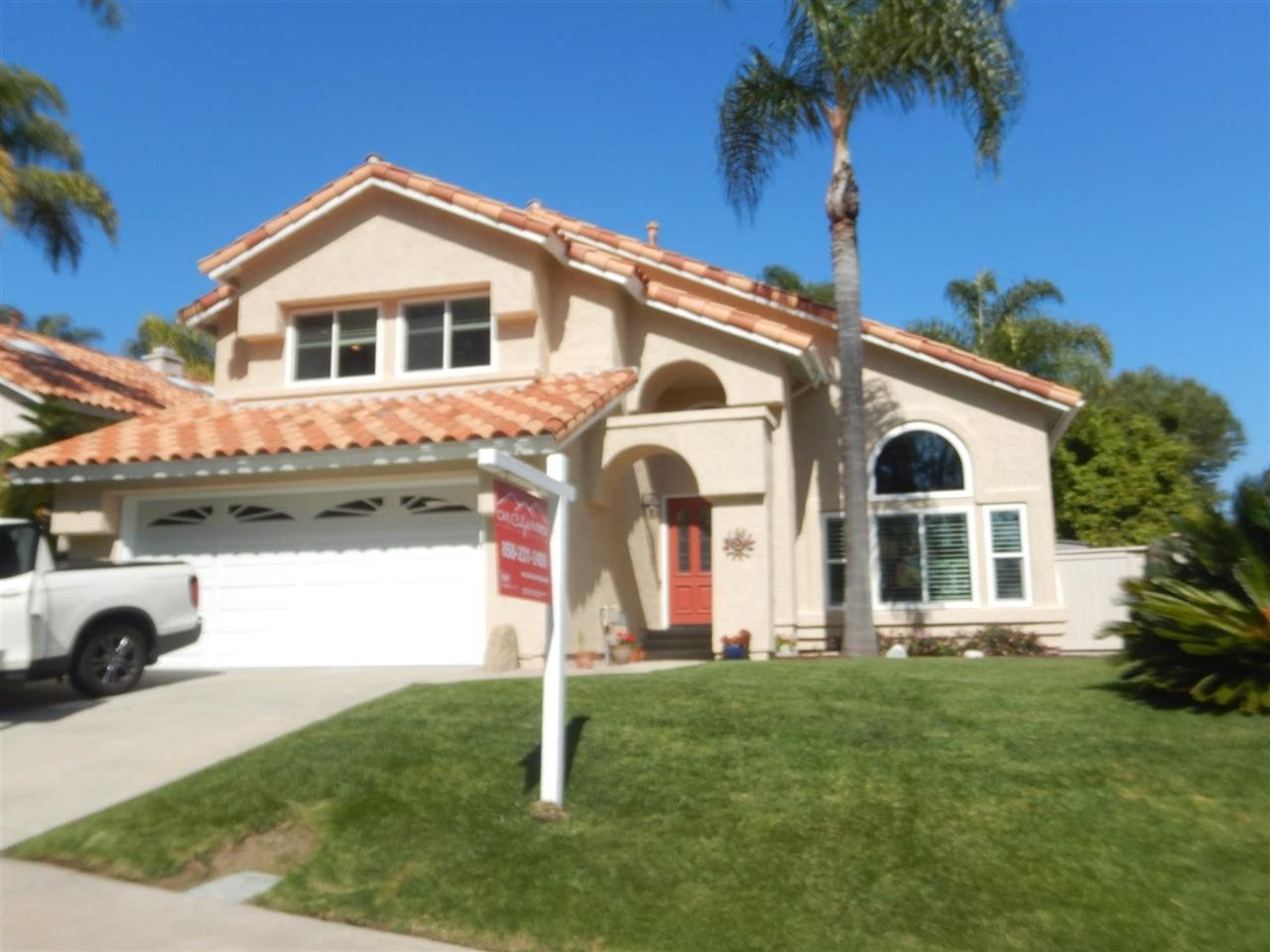
Multi-unit experience
Commercial and multi-unit properties we have inspected across San Diego County.
More inspections in Julian
- Warranty inspection in Julian
- Commercial roof cleaning in Julian
- Pool and spa inspection in Julian
- Sewer scope inspection in Julian
- Home inspection in Julian
Nearby and countywide
Were You Happy With Your Inspection?
We are proud of our 4.9-star rating across 100+ Google reviews. If Joseph and the team did right by you, a quick Google review helps other San Diego County buyers and sellers find us.