
Home Inspection in Julian, CA
Julian sits near 4,200 feet in the Cuyamaca-Volcan high country, and the housing here carries a century of gold-rush and apple-ranch history that no tract builder ever touched. Behind Main Street, up Whispering Pines and Pine Hills, out along Wynola, Banner Grade, and the orchard lanes toward Volcan Mountain, you find board-and-batten cabins, hand-built ranch houses on multi-acre orchards, restored Victorians, and getaway places rented to weekenders most of the year. Nearly all of them pull water from a private well, treat waste through a septic field, burn propane or cordwood for heat, and stand inside a fire-prone forest that still remembers the 2003 Cedar Fire. We inspect the home that's genuinely there on the parcel, keeping the altitude, the snow line, and the apple-country setting in view.
This page is for booking a real-estate inspection in Julian and seeing exactly what falls inside our scope, how the findings land in your hands, and which mountain systems we examine ourselves versus route to a specialist. Want the longer neighborhood read before you book? Start with our Julian mountain home inspection guide. With a contingency deadline approaching, call (619) 752-4399 or request a quote and we'll set a date.
Call (619) 752-4399 Schedule an Inspection
What does a Julian home inspection cover?
Every assignment follows the InterNACHI Standards of Practice, a published scope spanning the readily accessible systems from rooftop to crawlspace. On a Julian cabin, orchard ranch, or restored Main Street home, that becomes a hands-on review of the components most stressed by altitude and weather:
- Foundation and structure - perimeter footings, raised wood floors, stone or pier supports under older cabins, and settlement clues on the granite-and-decomposed-rock pads common here
- Roof surface and penetrations - standing-seam metal, comp shingle, chimney flashing, and how the covering sheds snow and clears needle litter
- Electrical - service entrance, panel make and condition, bonding and grounding, and GFCI/AFCI protection
- Plumbing - supply lines, drains, fixtures, and the water heater feeding off a well system
- Heating - propane furnaces, wall units, and any wood stove or insert we can watch run
- Interior, attic, and ventilation - doors, windows, insulation depth, and any trace of moisture finding its way in
We photograph every item and sort what we find into three buckets: true safety issues, items needing a licensed specialist, and routine upkeep you can pace on your own schedule.
Which Julian-specific concerns do we focus on?
Owning a home at this elevation in apple country produces conditions a coastal or valley property never meets, so these draw concentrated attention on every Julian job:
- Hard-freeze and snow exposure - subfreezing nights up here burst unprotected hose bibs, exterior supply runs, and attic piping. We point out lines that belong on heat tape or under insulation, and we hunt for prior freeze ruptures and ice-dam staining at the eaves.
- Well equipment - we observe the pressure tank, reachable piping, and whether the pump cycles. We don't measure draw-down, recovery, or potability; a driller's flow test and a certified lab panel for bacteria and nitrates cover that, and Julian-area groundwater earns the test.
- Septic indicators - we note surfacing effluent, soft ground over the drainfield, and slow-draining fixtures. Pumping and certifying the tank is a separate visit by a septic contractor, which we'll push you to arrange on an orchard parcel.
- Wood stoves and chimneys - cordwood heat is the rule, not the exception, here. We check clearances, hearth condition, and the visible flue, and recommend a Level 2 chimney evaluation where a stove or fireplace sees regular use.
- Wildfire-interface readiness - roof class, ember-prone vents, and leaf litter or firewood stacked against siding all bear on whether a Julian home stays insurable along the forest edge.
What are the common findings in Julian homes?
A handful of write-ups surface again and again across these mountain properties, and knowing them ahead of time helps your report read clearly:
- Owner-built and unpermitted work - Julian's do-it-yourself ranch heritage means added rooms, sleeping lofts, deck additions, and re-wired outbuildings that were never inspected and don't always match code.
- Vacation-rental wear - cabins rented to weekend guests collect heavy fixture use, scuffed finishes, and seasonal vacancy problems like dried plumbing traps and rodent entry between bookings.
- Sun and snow punishment on decks and siding - thin high-altitude air and freeze-thaw cycles split deck boards, loosen railings, and weather exterior finishes faster than down the grade.
- Aging mechanicals - older Julian homes often still run an original propane furnace, an undersized or obsolete electrical panel, and galvanized supply lines near the end of their service life.
- Slope drainage and crawlspace moisture - snowmelt and runoff steering toward raised foundations, plus ground-contact dampness inviting fungal decay and wood-boring activity beneath the floor.
None of it tanks a purchase by itself. It's negotiating leverage and a maintenance roadmap you walk in already holding.
How do we work and what does your report look like?
A typical Julian single-family home takes a few hours on site, longer for sprawling orchard ranches or parcels with detached garages, guest cabins, and barns. We want you walking through with us - that's when you learn where the well pressure tank sits, where the septic risers hide under the duff, and how the propane shutoff and wood-stove damper operate.
You receive a clean HomeGauge report with captioned photos grouped by system and the concerns called out up front, so you and your agent can act fast. Turnaround runs same day or next day in most cases, which matters when a mountain escrow is tight on time. The report carries a built-in request tool your agent can use to draft a repair addendum straight off the findings. Where a licensed specialist is warranted - a structural engineer for slope movement, a septic outfit, a well driller - we name it plainly. We document observed condition and don't attach repair bids, because we inspect the home rather than sell work on it.
Why do Julian buyers and sellers choose us?
An inspection is only as good as the person doing it. Owner and lead inspector Joseph Romeo holds the InterNACHI Certified Professional Inspector (CPI) credential and carries CSLB General Contractor License #1113143. That builder's background lets him read how a mountain home was actually framed, sheathed, and plumbed - and how decades of snow load, intense sun, and freeze-thaw have worn it down.
Over 20-plus years and more than 10,000 inspections across San Diego County, including the eastern high country, he's seen the failure patterns that show up at this altitude. Our company holds a 4.9-star rating from 106 Google reviews. Every job runs to InterNACHI's Standards of Practice and Code of Ethics, and we put findings in plain language so first-time buyers and seasoned orchard investors alike leave understanding the property. For termite or wood-destroying-organism work, we coordinate or refer a licensed pest-control company instead of performing it ourselves.
Which related inspections do we offer in Julian?
Many Julian properties benefit from add-ons scheduled alongside the general inspection, so a single trip up the mountain covers everything:
- Thermal / infrared imaging - surfaces hidden moisture, thin attic insulation, and electrical hot spots, valuable in a cold-climate cabin
- Roof inspection - a focused look when roof age, snow performance, or wildfire rating is the open question
- Sewer scope - for the uncommon Julian home tied to a sewer line, we camera the lateral for roots and breaks
- Foundation and slab evaluation - extra scrutiny on sloped, granite-strewn orchard lots
- 4-point inspection - the roof, electrical, plumbing, and HVAC snapshot insurers increasingly demand for older mountain homes
- Pool and spa inspection - equipment and safety barriers where a parcel includes one
- Commercial property inspection - for Main Street storefronts, tasting rooms, and lodging buildings
Tell us what's under contract and we'll recommend the right combination.
Julian Home Inspection FAQs
How much does a home inspection in Julian cost?
Do you test the well, septic, and water quality?
Do you check wood stoves and freeze damage?
Should I attend the walk-through?
How fast will I get the report?
Do you handle termite or pest inspections?
What we document
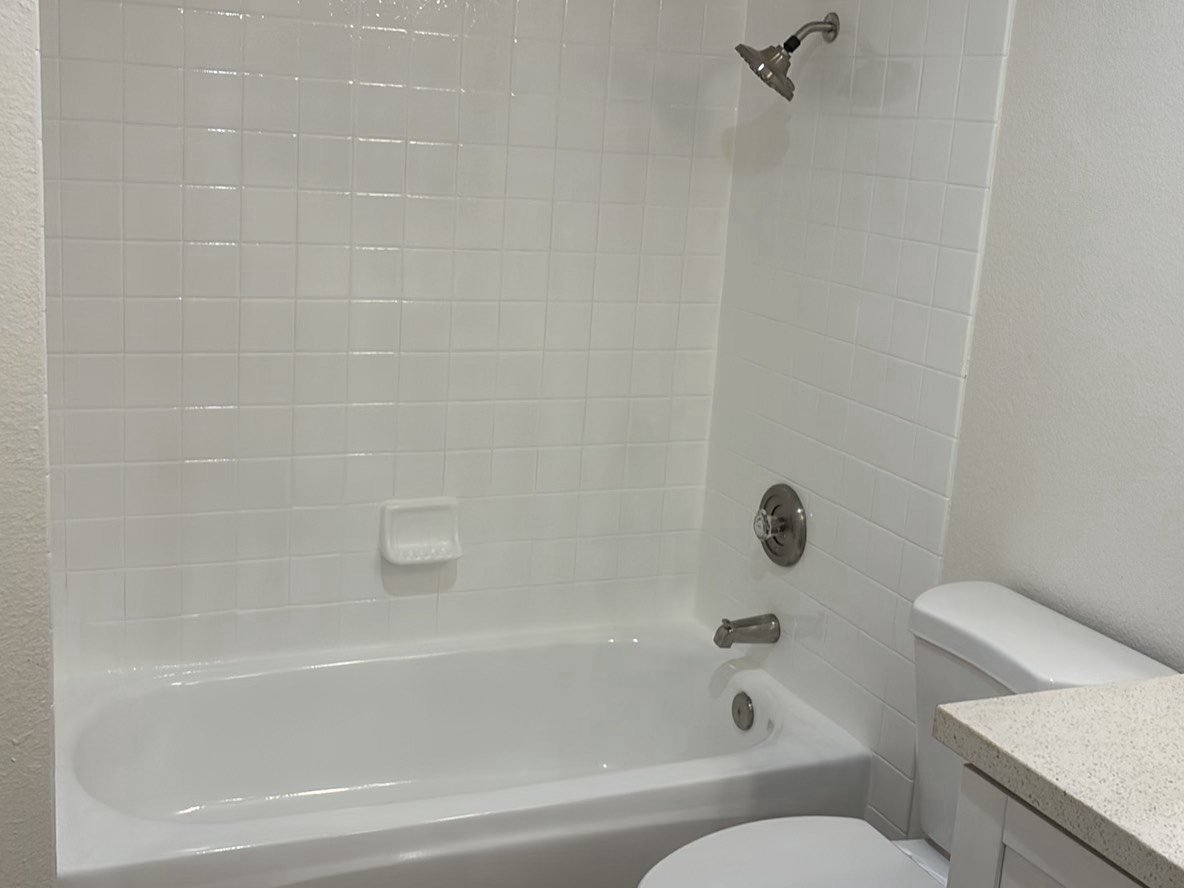
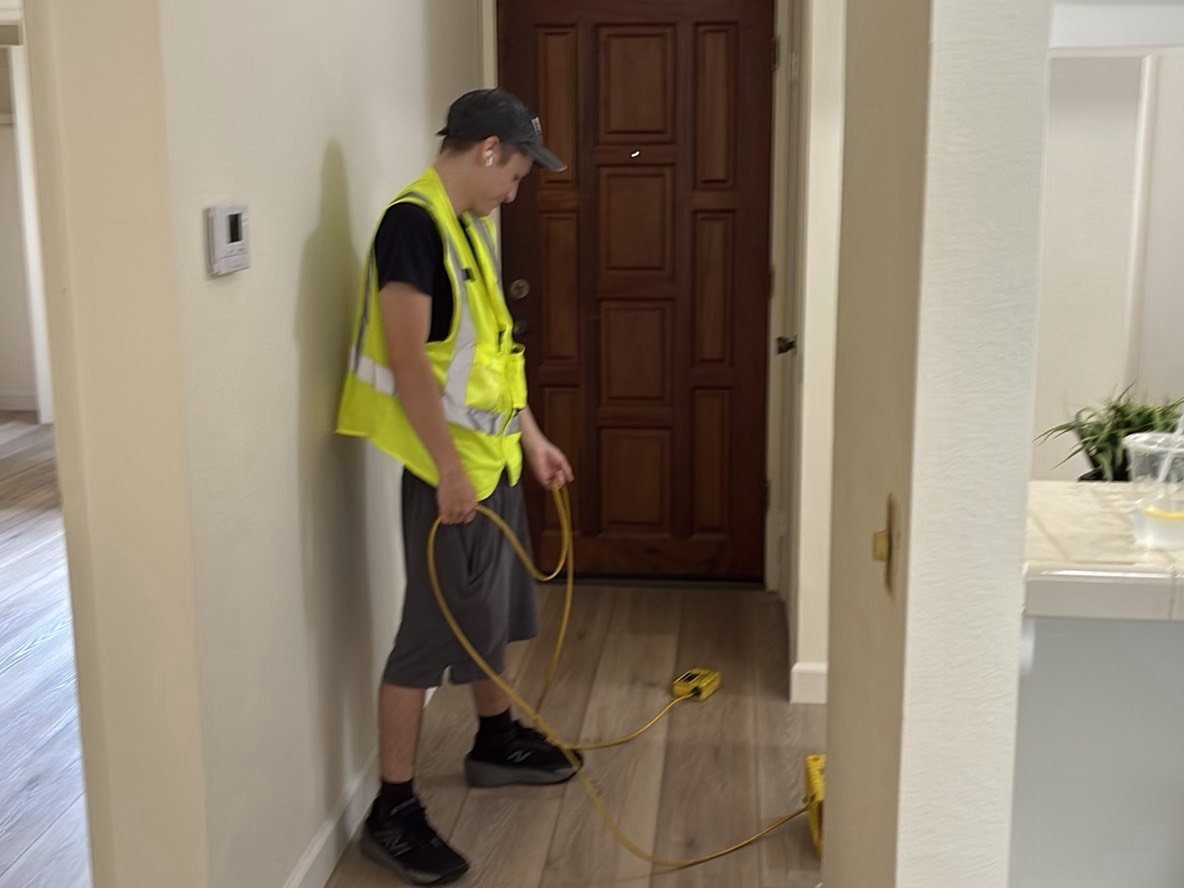
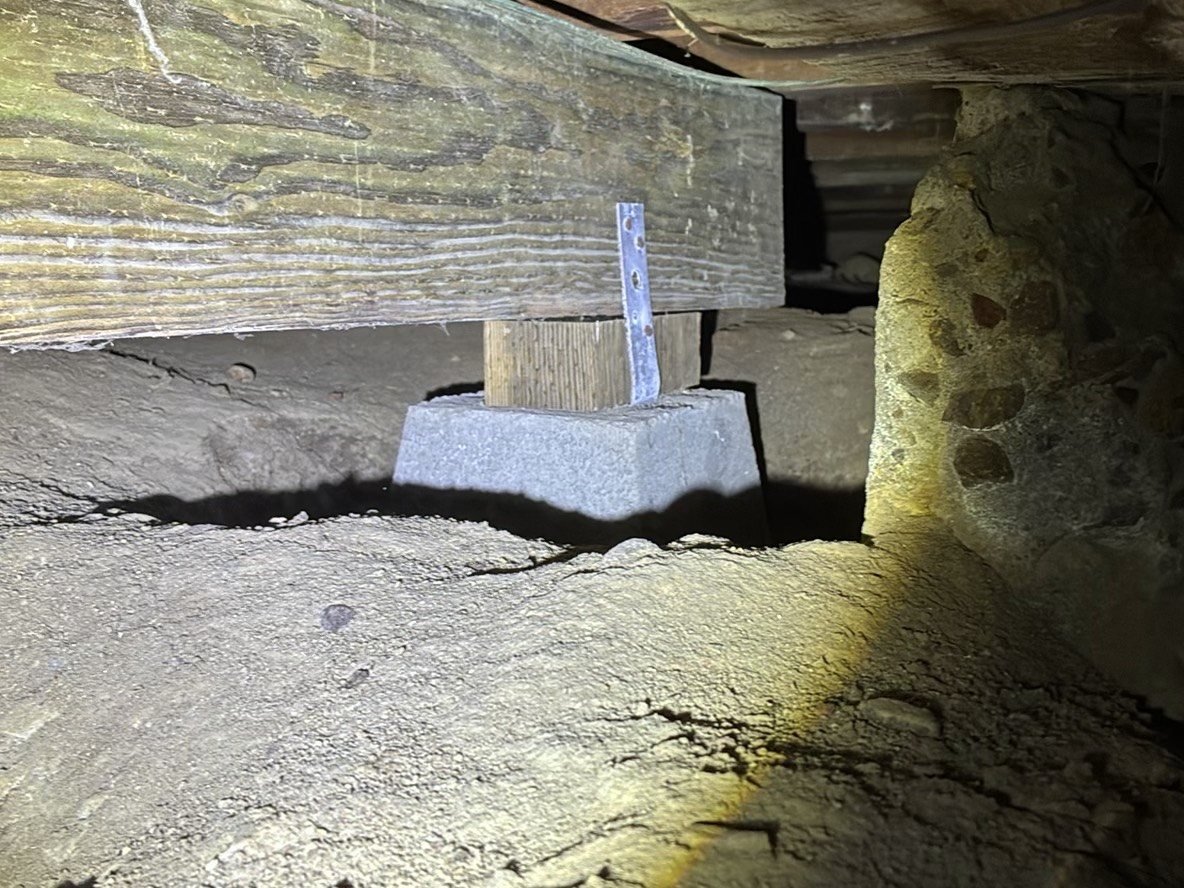
Photos from recent home inspections across San Diego County.
Inspection services in Julian
- 4-point inspection in Julian
- Commercial inspection in Julian
- Commercial roof cleaning in Julian
- Foundation slab survey in Julian
- Pool and spa inspection in Julian
- Roof inspection in Julian
- SB 326 balcony inspection in Julian
- SB 721 balcony inspection in Julian
- SB 721 exemption letter in Julian
- Seller inspection in Julian
- Sewer scope inspection in Julian
- Thermal imaging in Julian
- Warranty inspection in Julian
Nearby areas we serve
Were You Happy With Your Inspection?
We are proud of our 4.9-star rating across 100+ Google reviews. If Joseph and the team did right by you, a quick Google review helps other San Diego County buyers and sellers find us.