
Seller's Pre-Listing Inspection in Julian, CA
Julian property doesn't sell the way coastal tract homes do, and the inspection shouldn't be treated the same either. A seller's pre-listing inspection is the full home inspection you commission before the listing goes live, so the first hard look at the place is yours and not the buyer's. Up here in apple country at around 4,200 feet, a sale tends to ride on the parts city buyers aren't used to: the woodstove and its chimney, the well and pressure tank, the septic and leach field, the propane that heats the house, and a century of mountain winters worked into old framing. I'm Joseph Romeo — an InterNACHI Certified Professional Inspector and a CSLB-licensed General Contractor (#1113143) — and across 20-plus years and more than 10,000 inspections I've walked everything from gold-rush-era cabins off Main Street to apple-ranch homes out toward Wynola and Volcan. Get the report first, read it without a clock running, and decide what to repair, what to disclose, and how to price — while you still set the terms. The Julian home inspection hub covers the buyer's side.
Call (619) 752-4399 Schedule an Inspection
What does the pre-listing inspection reach in Julian?
This is the same full inspection a buyer would order, run to InterNACHI's Standards of Practice — not a quick once-over. The only thing that changes is who reads the report first. On a Julian property I work the whole place with the mountain systems documented up front:
- Roof, eaves, and exterior — covering, flashing, fascia, and the drainage that has to clear snowmelt off the structure rather than back into it
- Foundation and structure — raised foundations, pier-and-post, and the additions older Julian cabins tend to grow over the decades
- Woodstove and chimney — clearances to combustibles, hearth, flue, and cap, since wood heat is a primary source up here, not a decorative extra
- Electrical — service, panel, grounding, and the owner-run branch circuits common in homes that predate modern permitting
- Plumbing and well water — supply and drain materials, fixtures, water heater, and on well-served homes the visible pump, pressure tank, and pressure at the taps
- Propane and heating — most homes here burn propane, so I note the visible tank, supply line, and the furnace or appliances it feeds
You see what a buyer's inspector will, weeks ahead. I report observed condition with photos; I don't bid repairs or perform them.
Which mountain conditions will a Julian buyer test?
What unsettles a Julian deal usually isn't the kitchen — it's the realities of selling a home on a wooded mountain parcel that an out-of-area buyer, their lender, and their insurer all dig into. These belong in your report first:
- Freeze and snow load: overnight lows sit below freezing for long stretches, so exposed hose bibs, under-floor supply lines, and pressure tanks carry a history of bursts and patch repairs. Snow on roofs and decks tests fascia, railings, and framing in ways coastal homes never face.
- Private well: on a well-served parcel a buyer wants flow, recovery, and water quality settled before they commit. I document the visible pump, pressure tank, and delivered pressure so you know where you stand, and you can schedule flow and potability testing on your own time rather than under escrow.
- Septic system: with no sewer in town, the tank and leach field are a top concern. I note surface signs, but the tank inspection and pump-out are a specialist's job I'll help you line up early.
- Wood heat: woodstoves and old fireplaces draw close scrutiny for clearances, hearth protection, and chimney condition — the items most likely to surface on a buyer's report.
- Wildfire exposure: Julian sits deep in wildland, so roof condition, ember-resistant venting, and cleared defensible space increasingly decide whether a buyer can even insure the place.
What do I commonly turn up before Julian homes list?
The same findings repeat across the pre-listing visits I run up here — and each is far simpler to handle now than as a buyer's repair demand after you've signed an offer:
- Unpermitted additions and wiring — the owner-built sleeping porch, the rewired outbuilding, the cabin that grew room by room, all of which a buyer's agent will press on
- Freeze damage — cracked hose bibs, stressed under-floor plumbing, and pressure tanks past their useful life
- Woodstove and chimney issues — tight clearances to combustibles, missing or rusted caps, and hearths that don't meet protection requirements
- Snow-and-debris roof wear — oak and pine litter trapping moisture, worn flashing, and rot at eaves and valleys where snowmelt lingers
- Septic and well age — soggy ground or odor over the field, short-cycling pumps, and dated pressure tanks a buyer will want explained
- Weathered decks — softened boards and loose railings from years of freeze, sun, and snow on exposed mountain framing
I separate the genuine deal-breakers from the cosmetic and the old-but-sound, so your repair dollars land where they actually protect the price.
How does the inspection run and what report do you get?
It starts with a call to (619) 752-4399 or an email with your Julian address and your listing timeline. On a mountain parcel the runway counts — well-flow tests and septic service take scheduling, and winter access can slow things — so we inspect early enough that you can act on what turns up, ideally several weeks before the sign goes in.
On site I do the inspection myself, no rotating crew. I work the property the way a buyer's inspector will: roof and attic, the woodstove and chimney, the panel and water heater, the well pump and pressure tank, the propane tank and its supply, then the interior, exterior, decks, and drainage. I point things out as I go and talk through what a buyer is likely to seize on versus what's minor, so you get the reasoning and not just a list.
The deliverable is a full HomeGauge report with photos and plain-language condition notes, usually same day or the next, ready before you list. Use it three ways: as a repair punch list on your schedule, as a disclosure document, or as a clean copy you hand buyers and agents to head off a second inspection. I report observed condition only — no bids, no repairs — which keeps the report credible to a buyer wary of anything the seller ordered. Where an item needs a specialist — well flow, septic, pest, or a structural question — I tell you plainly and coordinate the right licensed pro. For pricing, I'll point you to the published fee schedule.
Why do Julian sellers make the call?
A pre-listing report is only as good as the judgment behind it — knowing whether a settled pier is cosmetic or structural, or whether a pressure tank is simply old or actually failing. I'm an InterNACHI Certified Professional Inspector (CPI) and I hold a California CSLB General Contractor license (#1113143). That builder's background is what serves a seller most on an old mountain home: I read framing, foundations, and decades of additions the way someone who has built them does, so when I flag something I can tell you whether it's a weekend fix or a real project before you choose to repair, disclose, or price it in.
- 20+ years and 10,000+ inspections across San Diego County, including Julian's in-town cabins and the apple-ranch homes out toward Wynola and Volcan
- 4.9 stars across 106 Google reviews
- Independent and conflict-free — I don't sell repairs, so nothing in the report is steered toward work I'd profit from; it's an honest baseline you can stand behind with a buyer
A report carrying a recognized local inspector's name is far harder for a buyer's side to pick apart, which is exactly what keeps a Julian escrow holding together. Reach me directly at joe@sandiegohomeinspection.com or the number above.
Which inspections should you pair with your Julian listing?
The pre-listing inspection covers the whole house, but a few targeted add-ons answer the questions Julian buyers raise most — clearing them up front keeps a rural escrow from stalling:
- Sewer / septic-line scope: a camera run the standard inspection can't reach, useful where mature oaks and granitic soil work against buried laterals
- Roof inspection: a closer read on remaining service life when the walk shows a roof worn by snowmelt and trapped debris
- Thermal / infrared imaging: surfaces hidden moisture behind walls and around fixtures before a buyer's inspector finds the stain
- Well and septic coordination: flow, recovery, and tank service arranged with licensed specialists ahead of escrow rather than during it
- Specialist referrals: where a structural question, a pest evaluation, or a leak that needs pressure testing comes up, I coordinate the right licensed trade rather than pretend the inspection covers it
Not sure what your listing needs? Send the address and timeline and I'll tell you what's genuinely worth doing — see all inspection services we offer or get a quote through contact.
Julian Seller's Pre-Listing Inspection FAQs
Why get a pre-listing inspection before selling in Julian?
Is a pre-listing inspection the same scope as a buyer's inspection?
Do you test the well and septic on Julian parcels?
How does Julian's weather affect what you inspect?
Do I have to fix everything the inspection finds before listing?
Do you handle termite, structural, or engineering certifications?
Pre-listing documentation
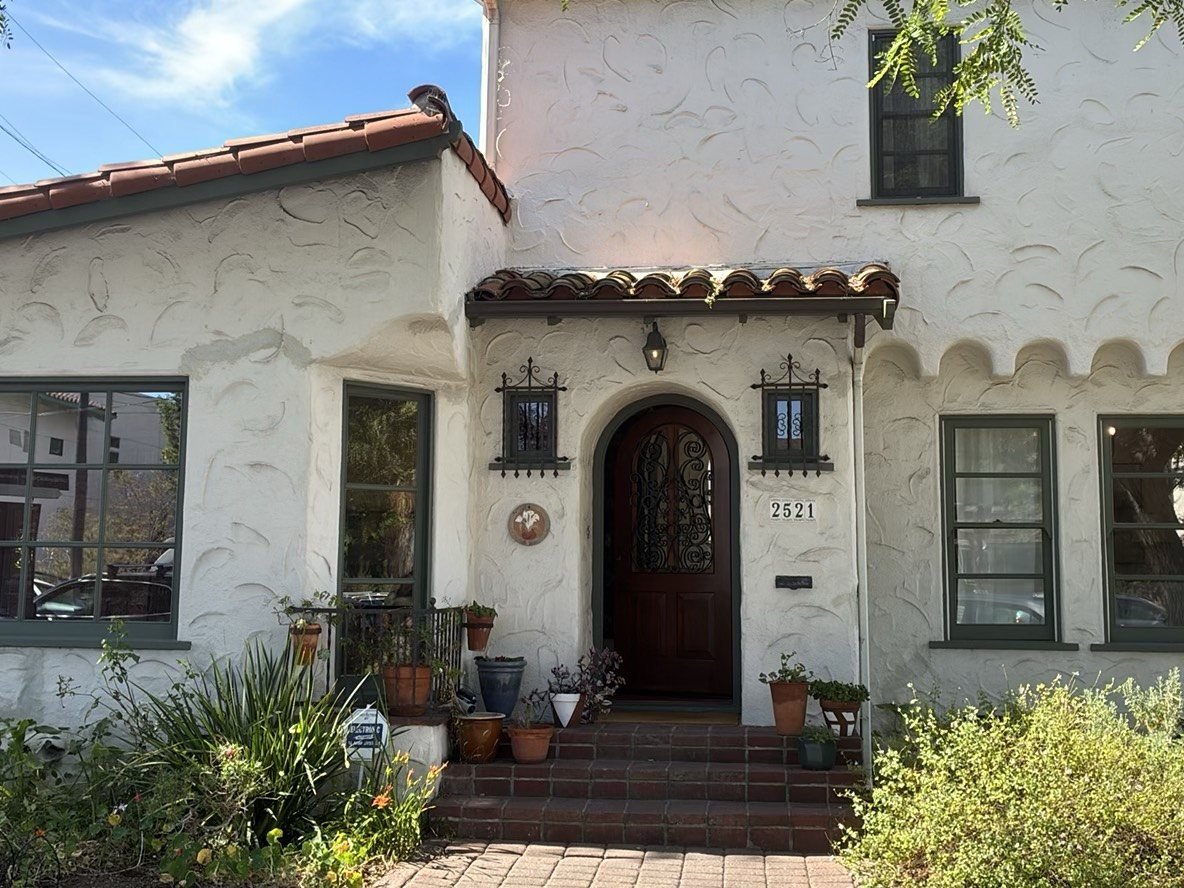
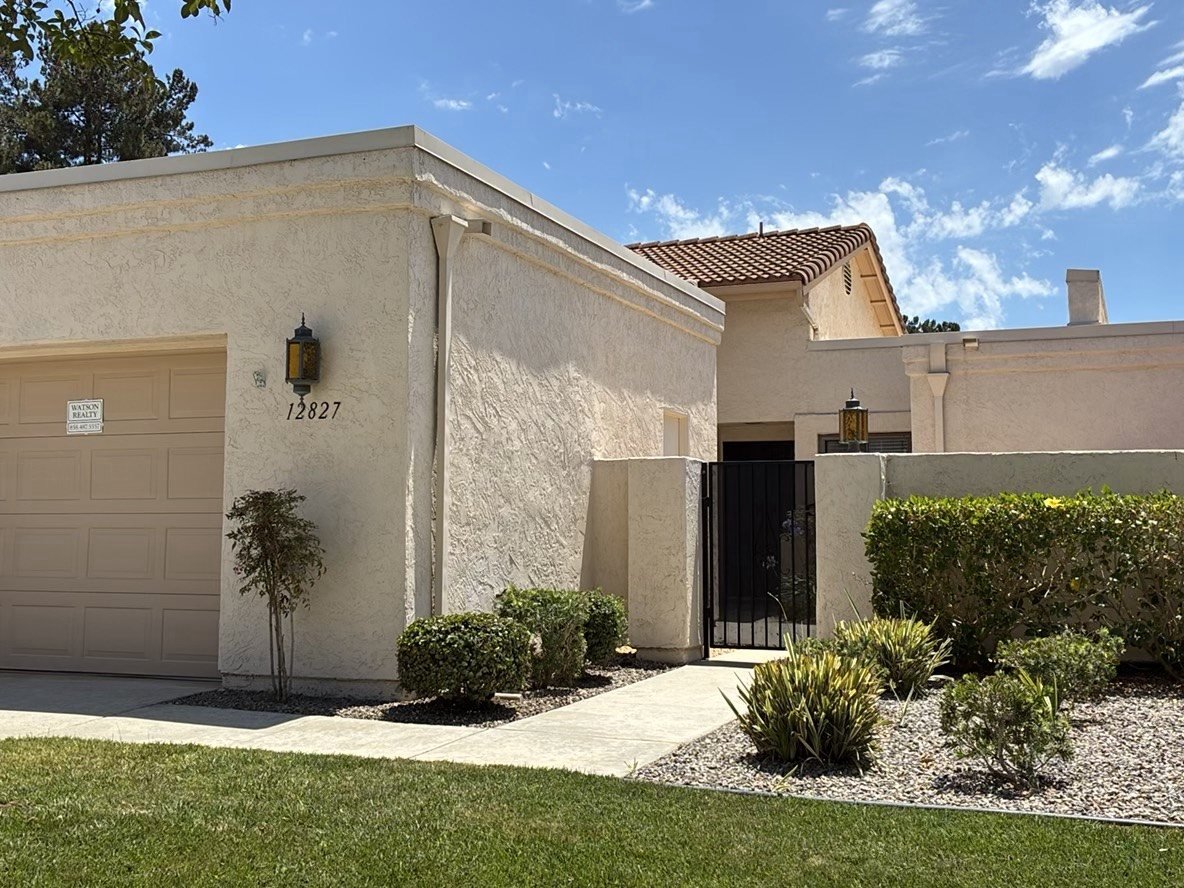
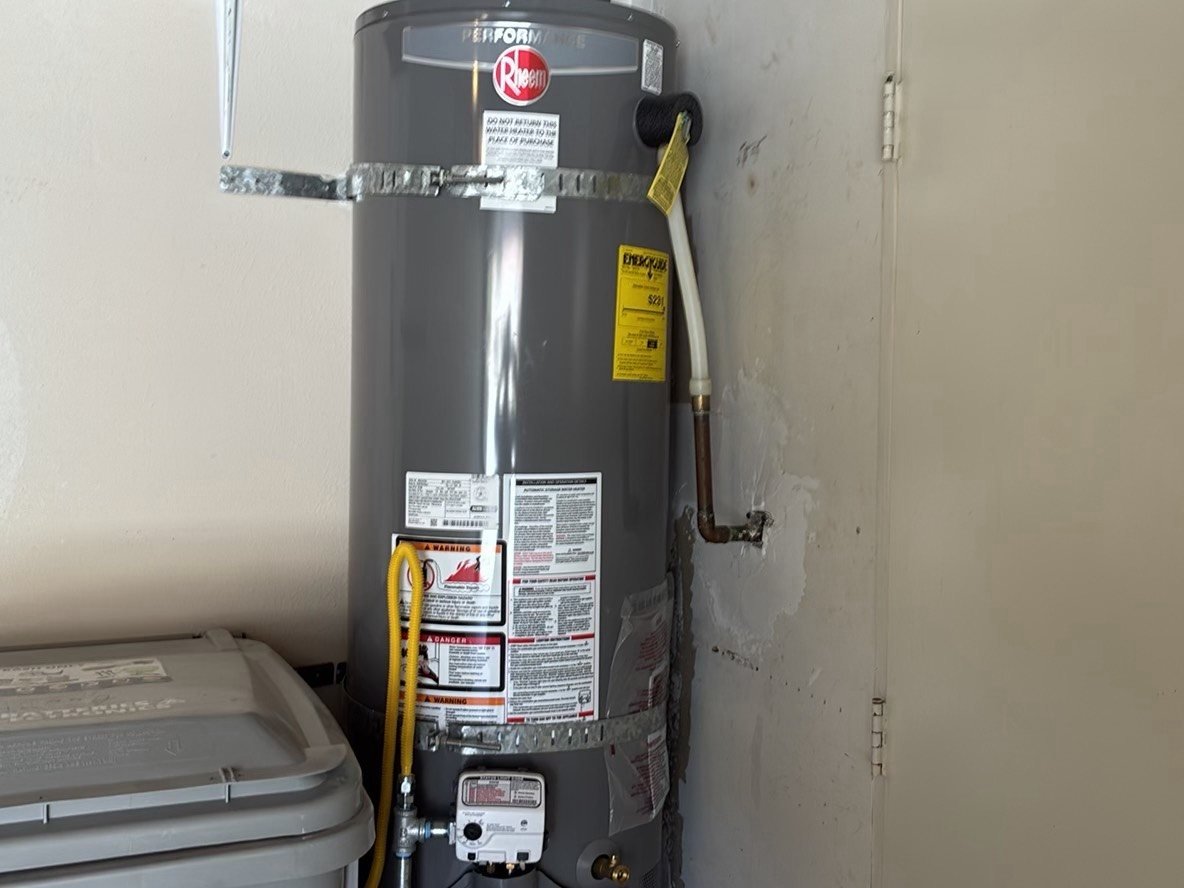
Pre-listing inspection photos from across San Diego County.
More inspections in Julian
- Sewer scope inspection in Julian
- 4-point inspection in Julian
- Roof inspection in Julian
- Thermal imaging in Julian
- Home inspection in Julian
Nearby and countywide
Were You Happy With Your Inspection?
We are proud of our 4.9-star rating across 100+ Google reviews. If Joseph and the team did right by you, a quick Google review helps other San Diego County buyers and sellers find us.