
11-Month Warranty Inspection in Julian, CA
Julian is an old apple-country town in the mountains east of San Diego, perched near 4,200 feet, and most of what gets built up here is new construction wedged between hundred-year-old cabins and orchard homesteads. If yours is one of the new ones, the first year is the year the mountain teaches the house its lessons — snow on the roof, hard freezes after dark, a propane heating season that runs long, and a well and septic carrying the load no town utility carries for you. Your builder's first-year warranty is the single stretch where the defects that surface get repaired on the builder's account rather than landing in your lap.
I'm Joseph Romeo. An 11-month warranty inspection is a full home inspection I time to land near the end of that warranty year, generally in month 10 or 11. The depth matches a buyer's inspection — roof, structure, electrical, plumbing, heat, drainage, finishes — but I organize every finding so it points at something the builder committed to fixing, and you file it before the twelve-month window shuts. What follows: the scope, the high-country conditions that make Julian its own animal, the defects I keep finding on year-old homes here, how the visit and report work, and the credentials standing behind the call. If you're buying or selling instead, start at the Julian home inspection hub.
Call (619) 752-4399 Schedule an Inspection
What's inside a Julian 11-month warranty inspection?
A new house earns no shortcut from me. I work the whole property the way I would for a buyer, then translate each defect into language a builder's warranty office can act on. On a year-old Julian home the walk covers:
- Roof, attic, and snow load — metal, tile, or composition covering for slipped, split, or under-fastened pieces; flashing at chimney, vents, and valleys; and attic insulation depth and ventilation that earn their keep where snow sits and nights drop below freezing.
- Structure and interior finish — drywall separation at corners and seams, nail pops as framing lumber dries at altitude, and door and window reveals that drifted as the pad took its first wet, freezing winter.
- Plumbing and freeze protection — supply and waste connections, water-heater operation, fixture seals, and whether exposed runs, hose bibs, and the pressure setup were actually detailed for a town that freezes hard rather than a frost-free coastal lot.
- Electrical — panel directory, GFCI and AFCI coverage, grounding, and the outlets, switches, and fixtures that get wired in a hurry during the final push to handoff.
- Heat sources — the propane furnace in operation with venting and combustion air in view, plus any wood stove or insert the builder installed, its clearances, hearth, and flue — common up here and worth a careful look in year one.
- Exterior, grade, and runoff — siding, stucco, and trim; weep-screed or skirting clearance above soil; and how the lot moves snowmelt and storm runoff away from the foundation on mountain terrain.
Each item reaches the report with a location and a photo a warranty rep can use straight off. I record observed condition only — I don't price or perform corrections.
How do Julian mountain conditions bring builder defects to light?
A new home reveals its flaws on its own schedule, and Julian's elevation and weather speed that schedule up well past what the valleys see. These are the local stresses that surface workmanship problems squarely inside the warranty year, which is the whole reason to time the inspection well here:
- Snow, freeze, and thaw: At roughly 4,200 feet, Julian takes real winter snow and overnight lows deep below freezing. That first cold run is brutal on caulk lines, exposed plumbing, hose bibs, and any pipe the builder ran without freeze detailing — failures you want on paper while coverage holds.
- Propane and wood heat: Homes here heat with propane rather than piped natural gas, and many add a wood stove or insert for the long cold season. The opening winter is when regulator, gas line, venting, combustion air, stove clearances, and flue installation all get their first genuine test.
- Well and septic: Most Julian parcels draw from a private well and discharge to an on-site septic field. I note the visible builder-installed tie-ins and components; the well pump, water quality, and the septic system proper sit outside a standard inspection and route to a specialist I'll coordinate or refer.
- High wildfire exposure: Julian sits in a severe fire zone with the 2003 Cedar Fire still in living memory, so new homes carry ember-resistant vents, boxed eaves, and defensible-space grading. Year one is when you confirm those were finished as drawn, not left short behind the trim.
- Apple-country and forested lots: Sloped, wooded, sometimes orchard-adjacent parcels mean leaf and needle litter in valleys and gutters, long utility runs, and grading cut into mountain ground that has to shed snowmelt downhill — first-year settlement and drainage misses turn up here often.
What findings recur on year-old Julian builds?
Across the newer homes I document up here the findings settle into a familiar pattern. Most look minor, a fair share are genuinely the builder's to fix, and a few carry more weight than their looks suggest. Logging the full list now is what protects next year's repair budget:
- Drywall and ceiling cracks — at door corners and wall-to-ceiling joints, the standard first-winter signature as a mountain pad settles.
- Freeze-vulnerable plumbing — hose bibs and exposed lines left uninsulated or unprotected, plus joints that wept once the first deep cold rolled through.
- Heating shortfalls — cold rooms off the propane furnace, loose duct connections, unfinished combustion-air or venting details, or a wood stove set with clearances and hearth short of spec.
- Roof and flashing misses — slipped or cracked covering, backed-out fasteners, and thin sealant at penetrations after a season of high-altitude sun, snow, and ice.
- Grading pitched toward the house — soil settled or sloped back at the foundation instead of carrying snowmelt away, a real concern on cut mountain lots.
- Siding, stucco, and screed gaps — hairline cracking at windows and corners, and weep screed or skirting set too tight to grade.
- Loose close-out items — unsealed grout, drips under sinks, GFCI omissions, and fixtures left loose in the rush to hand over the keys.
I sort ordinary first-year movement from a defect the builder genuinely owes, so the list you submit reads as credible documentation instead of a homeowner gripe sheet.
How does the visit run and what do you hand the builder?
It opens with a call to (619) 752-4399 or an email carrying the Julian address, the builder's name, and your closing date. That close date drives the whole deadline, so book a few weeks ahead of the twelve-month mark — that cushion leaves room to inspect, write it up, submit, and let the builder's crew schedule repairs before coverage lapses. If your builder runs its own claim form or sets an earlier cutoff, tell me up front and I'll shape the punch list to fit it.
On site I work the complete home: up onto the roof and into the attic, through every room reading finish and settlement movement, at the panel and the GFCIs, under the sinks and at the water heater, and through the propane furnace and any wood stove with venting and clearances in mind. I read the siding, the weep screed, and the lot grading against Julian's slope, snowmelt, and forest soils. A full inspection takes the hours a full inspection takes — a new house doesn't buy an abbreviated visit.
You get a complete HomeGauge report, usually same day or the next, each item located and photographed in plain language a warranty department can act on without translating. Most Julian owners forward it straight to the builder as their submission. It documents condition only — I'm not the one patching drywall or re-grading the lot, which keeps the findings independent of whoever ends up doing the repairs.
Why do Julian owners have me make the call?
A warranty report is only as good as the judgment behind each line — knowing whether a crack is harmless first-winter movement or a framing defect, whether a cold room is a damper tweak or an undersized propane furnace, comes from years in the field, not a checklist. I'm an InterNACHI Certified Professional Inspector (CPI), and I also hold a California CSLB General Contractor license (#1113143). That builder's-side license is the real edge on a warranty inspection: I know how the house went together, so I can tell a cosmetic settlement crack from a grading, structural, or fuel-system defect the builder is bound to correct — and word it so it holds up.
- 20+ years and 10,000+ inspections across San Diego County, Julian and the surrounding mountain and backcountry communities included.
- 4.9 stars across 106 Google reviews.
- Independent and conflict-free — I don't perform the repairs my report names, so nothing on your list is padded toward work I'd profit from; it reflects what the builder truly owes.
When a finding calls for a specialist — a structural read on a forested-pad settlement, a well or septic evaluation, a propane-system or wood-stove flue check, a termite or wood-destroying-organism inspection — I coordinate or refer the right licensed professional instead of stretching the inspection past its scope. Reach me directly at joe@sandiegohomeinspection.com or the number above.
What related inspections fit new Julian homes?
The 11-month inspection anchors your warranty submission, but a few companion checks pair naturally with a year-old mountain home, and I can line them up around one visit:
- Full home inspection: buying a resale or an old cabin rather than closing out a warranty? Begin at the Julian hub for the same whole-house scope written for a buyer.
- Thermal / infrared imaging: surfaces hidden moisture behind a first-year stucco crack or thin attic insulation before the snow season finds it.
- Septic coordination: on parcels tied to an on-site field, I'll help arrange the specialist evaluation that sits outside a standard warranty walk.
- Roof-focused inspection: a closer read when the covering shows fastener or flashing trouble after a high-altitude winter.
- Well-system referral: for Julian homes on a private well, a pointer to the right licensed pro for pump and water quality, both outside my scope.
- Foundation evaluation: worth it when first-year cracking on a cut mountain pad raises a structural question.
Send the address, the builder, and your close date and I'll tell you which of these actually apply before you spend on any — see all inspection services we offer or reach out through our contact page.
Julian 11-Month Warranty Inspection FAQs
When should I schedule my 11-month warranty inspection in Julian?
Does Julian's snow and freeze really affect a new-home warranty?
Is this the same inspection I had before closing on the home?
My Julian home runs on a well and septic. Are those included?
Do you check a wood stove or propane heating in a new Julian build?
What does an 11-month warranty inspection cost in Julian?
New-home documentation
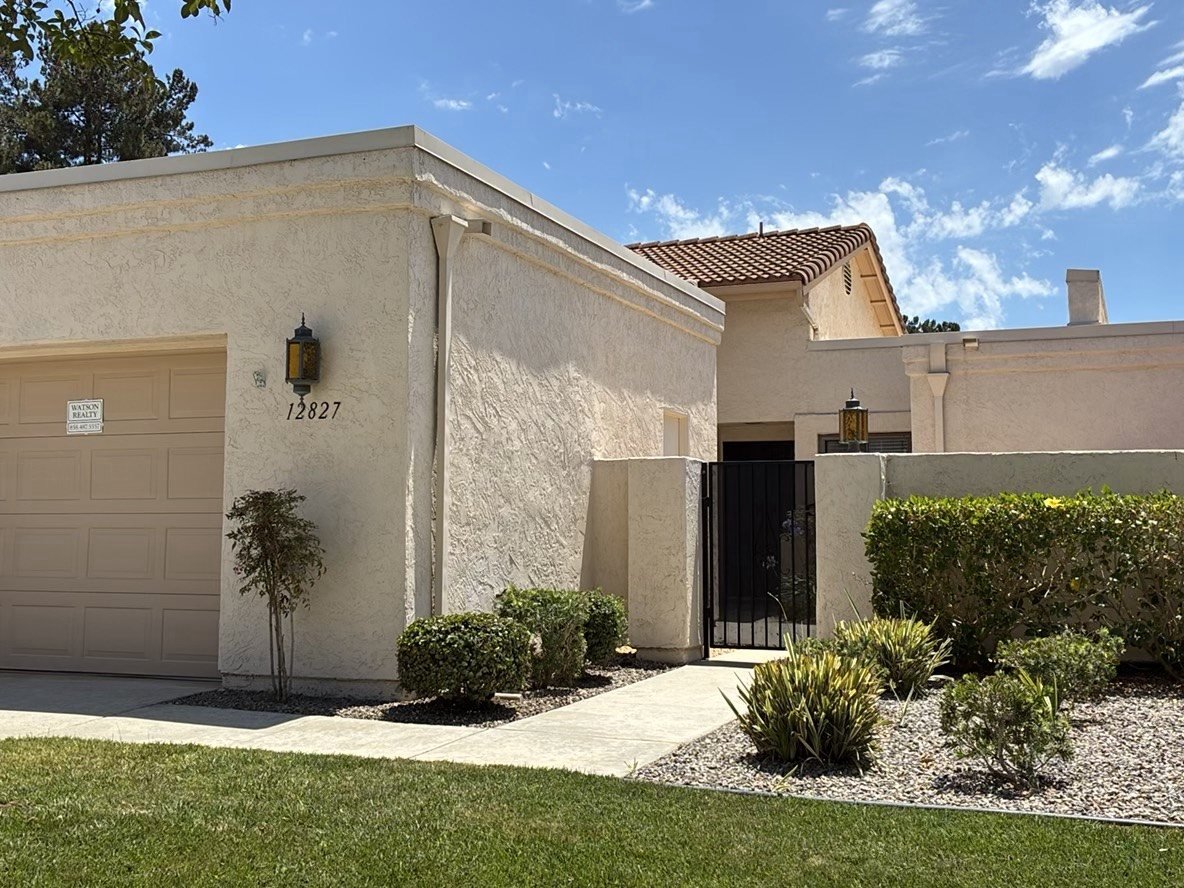
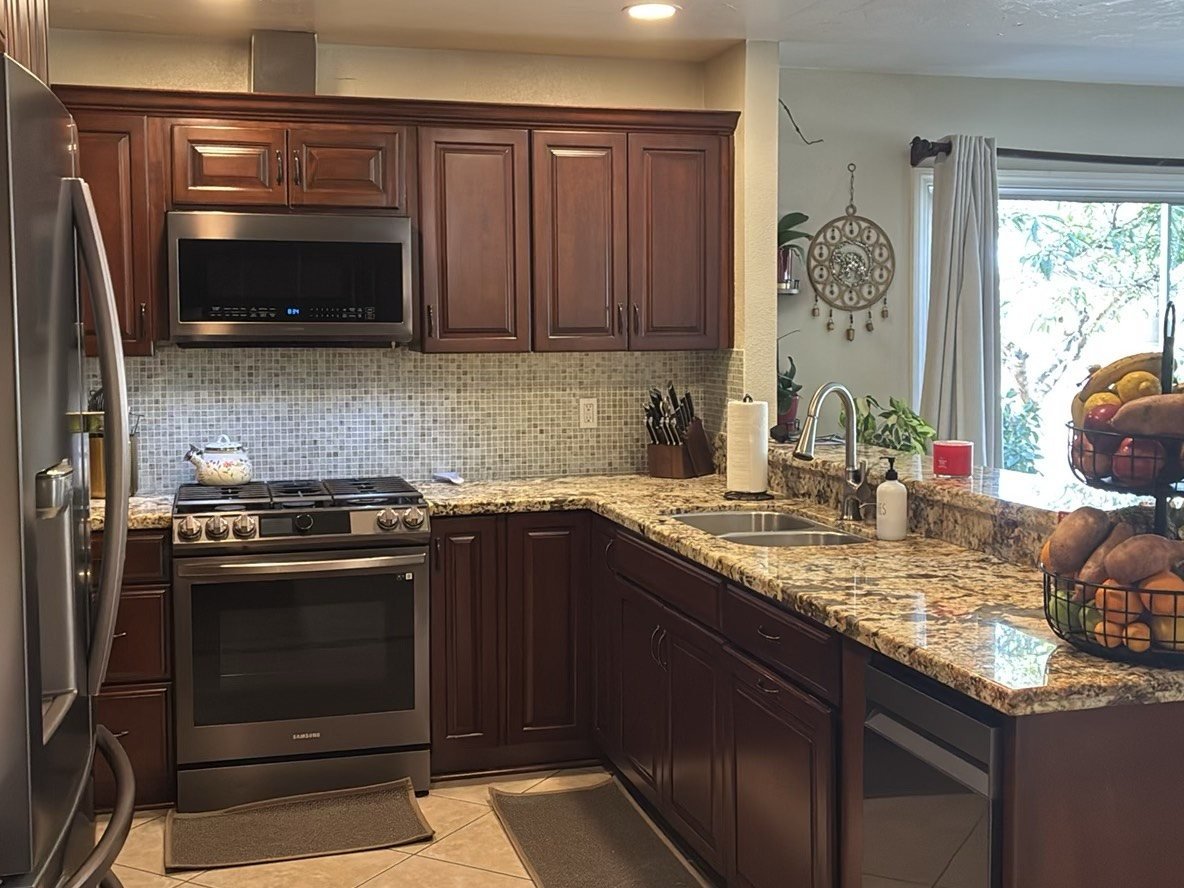
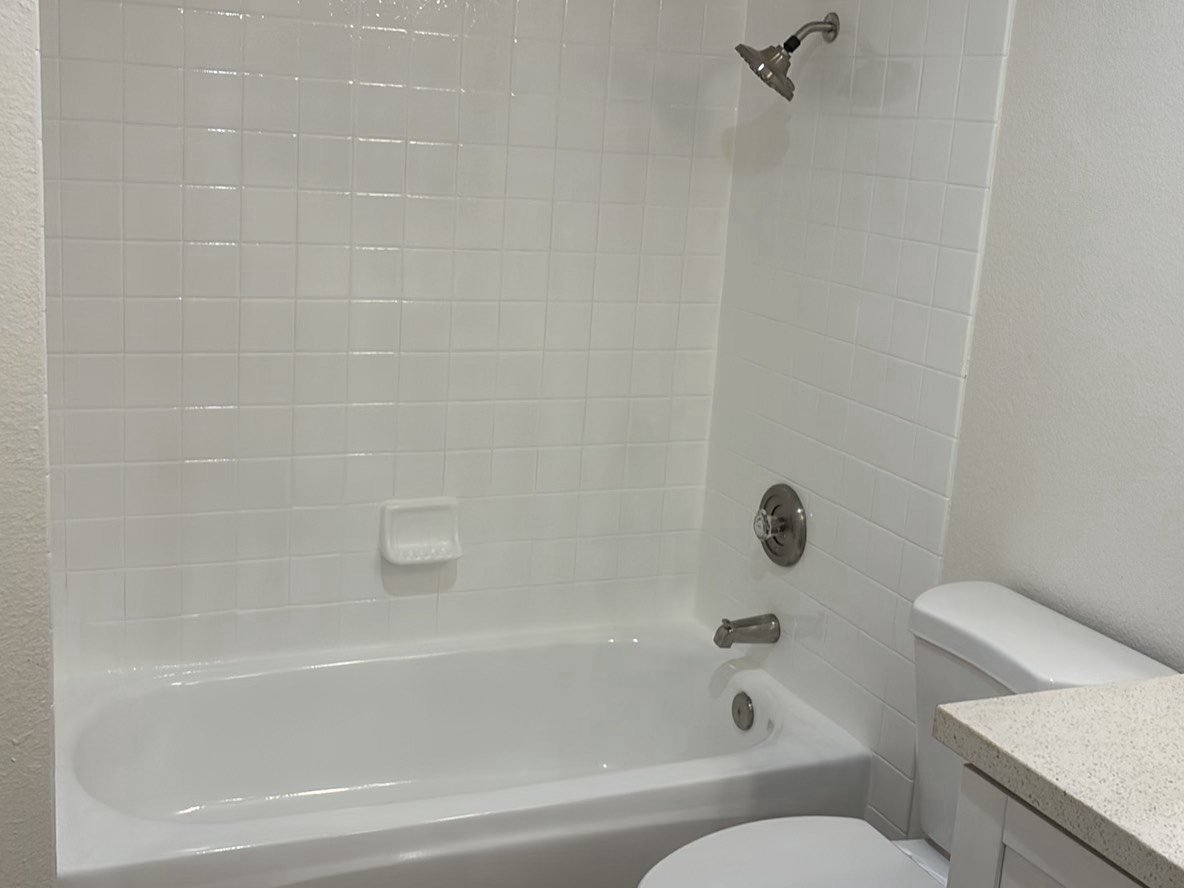
Photos from 11-month builder warranty inspections of newer San Diego homes.
More inspections in Julian
- Seller inspection in Julian
- Commercial roof cleaning in Julian
- Commercial inspection in Julian
- Pool and spa inspection in Julian
- Home inspection in Julian
Nearby and countywide
Were You Happy With Your Inspection?
We are proud of our 4.9-star rating across 100+ Google reviews. If Joseph and the team did right by you, a quick Google review helps other San Diego County buyers and sellers find us.