
11-Month Warranty Inspection in Pine Valley, CA
Pine Valley sits up around four thousand feet in the oak country east of San Diego, and a brand-new home spends its first twelve months learning what that elevation does to building materials. Real winter cold with snow and hard overnight freezes, dry forest-fire summers, propane appliances cycling through a long heating season, and a private well and septic doing the work no city utility handles — a year of that pushes the weak points in any new build to the surface. Your builder's first-year warranty is the only stretch where those weak points get fixed on the builder's dime instead of yours.
My name is Joseph Romeo, and an 11-month warranty inspection is a complete home inspection I schedule near the close of that warranty year, usually in month 10 or 11. It runs the same full scope as a purchase inspection — roofing, framing, electrical, plumbing, heat, drainage, finishes — but the report is organized so each defect ties to something the builder agreed to repair, and you submit it before the twelve-month clock runs out. The sections below cover what the inspection includes, the mountain conditions unique to Pine Valley, the defects that keep showing up on first-year homes here, how I run the visit and write the report, and the credentials behind it. Buying or selling instead? Start at the Pine Valley home inspection hub.
Call (619) 752-4399 Schedule an Inspection
What does the 11-month inspection cover on a Pine Valley build?
Being new earns the house no shortcuts. I inspect the entire home the way I would for a buyer, then frame every defect in terms a builder's warranty coordinator can act on. On a year-old Pine Valley property, that walk runs through:
- Roof and attic — tile or composition covering for slipped, cracked, or fastener-backed pieces, flashing at every penetration, and attic insulation depth and ventilation that carry real weight at an elevation that sees snow load and sub-freezing nights
- Framing and interior finish — drywall separation at corners and seams, nail pops from lumber drying out, and door and window reveals that shifted as the building cured and the pad took its first wet winter
- Electrical — panel labeling, GFCI and AFCI protection, and the receptacles, switches, and fixtures that get rushed during the final days before handoff
- Plumbing and freeze defense — supply and waste connections, water-heater function, and whether exposed runs, hose bibs, and the pressure setup were detailed for a community that genuinely freezes, not a frost-free coastal tract
- Propane heating and cooling — furnace operation, combustion-air and venting provisions on propane-fired equipment, duct connections, and how evenly heat reaches each room after a hard mountain winter
- Exterior, grade, and runoff — stucco and trim, weep-screed clearance above soil, and how the lot moves snowmelt and storm runoff away from the structure
Every item lands in the report with its location and a photo a warranty rep can use directly. I record what I observe — I don't price or perform the corrections.
Which Pine Valley conditions expose builder defects?
A new home settles and reveals its flaws on its own timeline, and Pine Valley's high-country setting accelerates that timeline well past anything the coastal flats impose. These are the local forces that tend to surface workmanship problems right inside the warranty window, which is exactly why timing the inspection here matters:
- Snow and hard freezes: At roughly 4,000 feet, Pine Valley gets winter snow and overnight lows well below freezing. That first cold season punishes caulk lines, unprotected plumbing, hose bibs, and any pipe the builder ran without freeze detailing — failures best documented while coverage still applies.
- Propane appliances: Homes up here burn propane, not piped natural gas. The opening heating season is when regulator, line, venting, and combustion-air details face their real test, and where any cut corner on the fuel side first announces itself.
- Well and septic systems: Many Pine Valley parcels draw from a private well and discharge to an on-site septic field. I note the visible builder-installed tie-ins and components, but the well pump, water quality, and the septic system proper sit outside a standard inspection and get referred to a specialist.
- Wildfire-zone detailing: Pine Valley sits deep in a high wildfire band, so new homes carry ember-resistant vents and enclosed-eave construction. Year one is when you verify those were finished as drawn rather than left incomplete behind the trim.
- Oak-forest and rural lots: Wooded, sloped parcels mean leaf and needle litter in valleys and gutters, long utility runs, and grading cut into forest terrain that has to carry snowmelt downhill — first-year settlement and drainage misses show up here often.
What defects recur on first-year Pine Valley homes?
The findings fall into a repeatable pattern across the newer homes I document up here. Most read as minor, a good share are genuinely the builder's responsibility, and a few matter more than their appearance suggests. Capturing the whole list now is how you keep next year's repair budget intact:
- Drywall and ceiling cracking — at door corners and wall-to-ceiling joints, the standard first-winter signature as a forest pad settles
- Freeze-exposed plumbing — hose bibs and exposed lines left without insulation or frost protection, plus joints that wept once the first deep cold arrived
- Propane heating shortfalls — cold rooms, loose duct connections, or combustion-air and venting details left unfinished to spec
- Roof and flashing misses — slipped or cracked tiles, backed-out fasteners, and thin sealant at penetrations after a season of high-elevation sun and snow
- Grading drifting toward the house — soil settled or sloped back at the foundation instead of carrying snowmelt away, a genuine concern on cut forest lots
- Stucco hairlines and screed clearance — cracking at windows and corners, and weep screed set too tight to grade or hardscape
- Loose finish and electrical items — unsealed grout, drips beneath sinks, GFCI gaps, and fixtures left loose in the close-out rush
I separate ordinary first-year movement from a real defect the builder owes you, so the list you hand over reads as credible documentation rather than a homeowner's complaint sheet.
How does the visit run and what goes to the builder?
It begins with a call to (619) 752-4399 or an email carrying the Pine Valley address, the builder's name, and your closing date. That close date sets the deadline that governs everything, so book a few weeks ahead of the twelve-month anniversary — that cushion leaves room to inspect, write, submit, and let the builder's crew schedule repairs before coverage lapses. If your builder uses its own claim form or imposes an earlier submission window, flag it up front and I'll shape the findings to fit.
On site I work the complete home: up onto the roof and into the attic, through every room reading finish and settlement movement, at the panel and the GFCIs, beneath the sinks and at the water heater, and through the propane furnace running with venting and combustion air in mind. I read the stucco, the weep screed, and the lot grading against Pine Valley's slope, snowmelt, and forest soils. A full inspection takes the hours a full inspection takes — new construction doesn't earn an abbreviated visit.
You receive a complete HomeGauge report, typically same day or next day, with each item located and photographed in language a warranty department can act on without interpretation. Most Pine Valley owners forward it straight to the builder as their submission. It documents condition only — I'm not the one patching drywall or re-grading the lot, which keeps the findings independent of whoever ends up doing the work.
Why do Pine Valley owners have me write the report?
A warranty report is only as strong as the judgment behind each line — knowing whether a crack is harmless first-year movement or a framing defect, whether a cold room is a damper adjustment or an undersized propane furnace, comes from experience, not a checklist. I'm an InterNACHI Certified Professional Inspector (CPI), and I also carry a California CSLB General Contractor license (#1113143). That builder's-side license is the real edge on a warranty inspection: I understand how the house was put together, so I can tell a cosmetic settlement crack from a grading, framing, or fuel-system defect the builder is bound to correct — and write it so it stands up.
- 20+ years and 10,000+ inspections across San Diego County, including Pine Valley and the surrounding mountain and backcountry communities
- 4.9 stars across 106 Google reviews
- Independent and conflict-free — I don't perform the repairs my report calls for, so nothing on your list is padded toward work I'd profit from; it reflects what the builder genuinely owes
When a finding calls for a specialist — a structural opinion on forest-pad settlement, a well or septic evaluation, a propane-system check, or a pest inspection — I coordinate or refer the right licensed professional rather than stretch the inspection past its scope. Reach me at joe@sandiegohomeinspection.com or the number above.
What related inspections suit new Pine Valley homes?
The 11-month inspection anchors your warranty submission, but a handful of companion checks pair naturally with a year-old mountain home, and I can arrange them around one visit:
- Full home inspection: buying a resale rather than closing out a warranty? Begin at the Pine Valley hub for the same whole-house scope written for a buyer
- Thermal / infrared imaging: reveals hidden moisture behind a first-year stucco crack or thin attic insulation before the snow season finds it
- Septic-system coordination: on parcels tied to an on-site field, I'll help line up the specialist evaluation that sits outside a standard warranty walk
- Roof-focused inspection: a closer read when the tile or composition roof shows fastener or flashing problems after a high-elevation winter
- Well-system referral: for Pine Valley homes on a private well, a pointer to the right licensed pro for pump and water quality, which fall outside my scope
- Foundation and slab evaluation: useful when first-year cracking on a cut forest pad raises a structural question
Send the address, the builder, and your close date and I'll tell you which of these actually apply before you spend on any — see all inspection services we offer or reach out through our contact page.
Pine Valley 11-Month Warranty Inspection FAQs
When should I schedule my 11-month warranty inspection in Pine Valley?
Does Pine Valley's snow and freeze risk really affect a new-home warranty?
Is this the same inspection I had before closing on the home?
What does an 11-month warranty inspection cost in Pine Valley?
My Pine Valley home runs on a well and septic. Is that included?
Do you repair the items the warranty inspection turns up?
New-home documentation
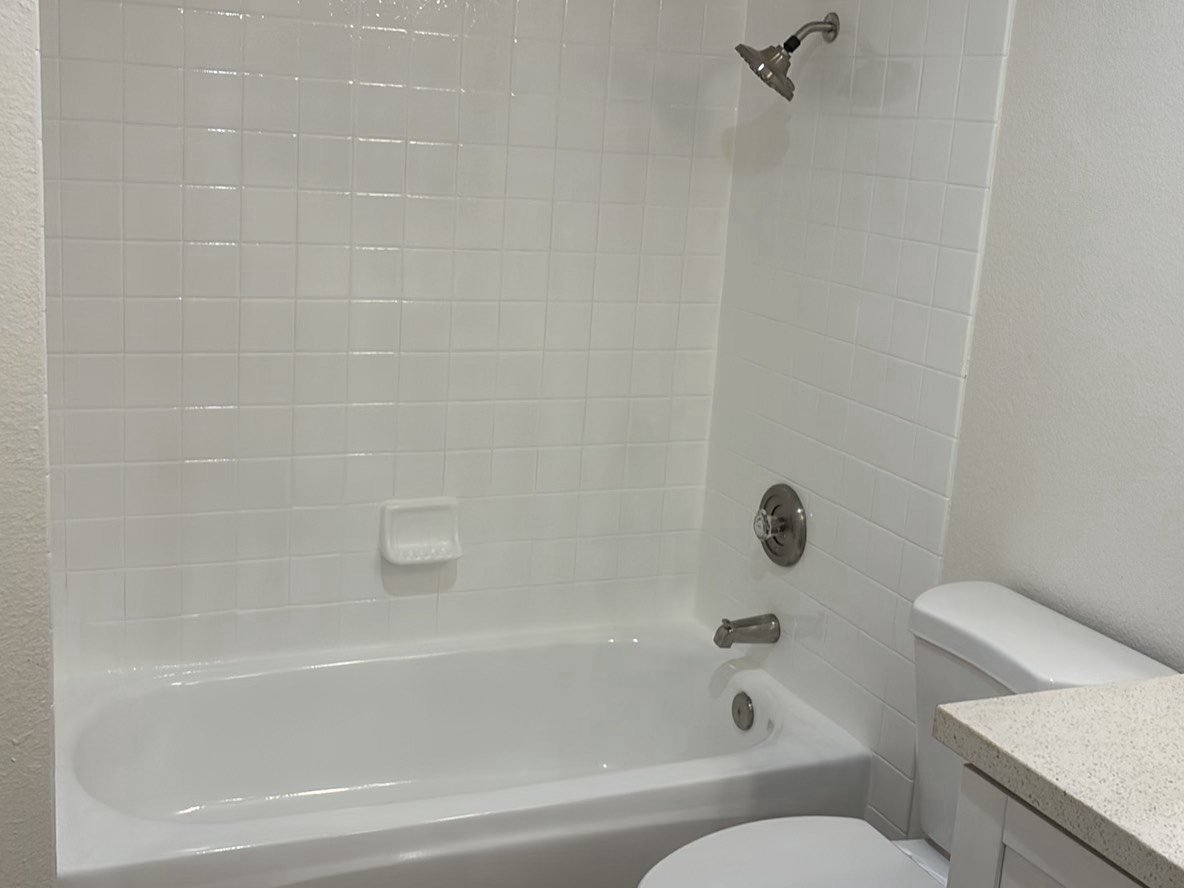
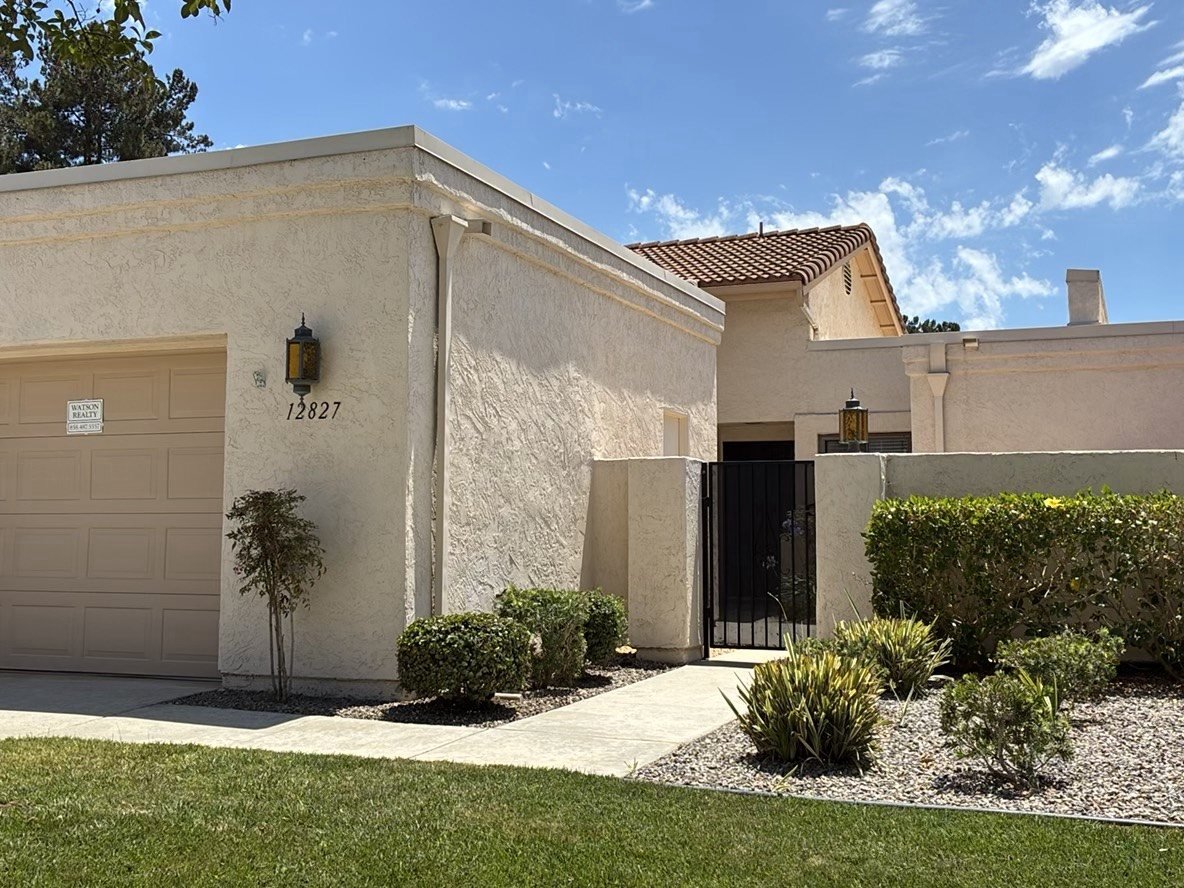
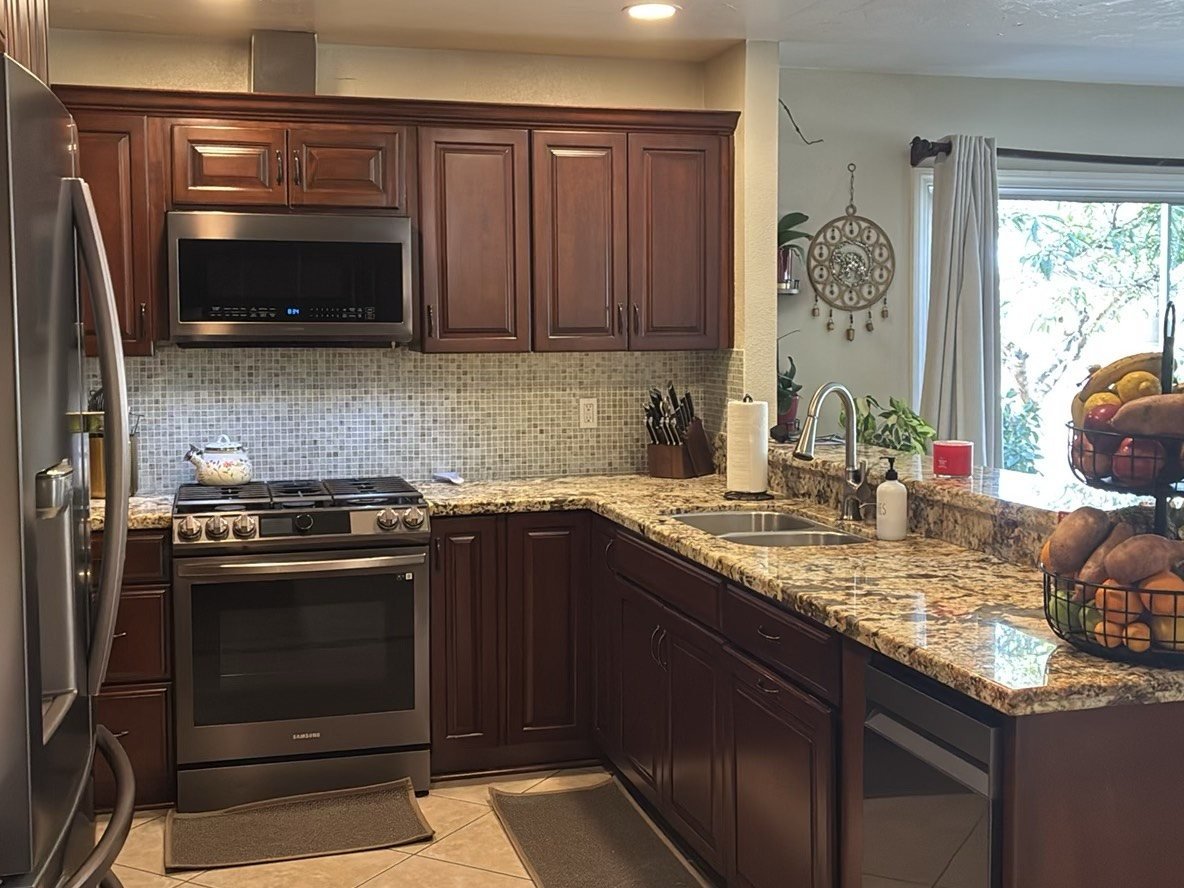
Photos from 11-month builder warranty inspections of newer San Diego homes.
More inspections in Pine Valley
- Commercial inspection in Pine Valley
- Pool and spa inspection in Pine Valley
- Sewer scope inspection in Pine Valley
- 4-point inspection in Pine Valley
- Home inspection in Pine Valley
Nearby and countywide
Were You Happy With Your Inspection?
We are proud of our 4.9-star rating across 100+ Google reviews. If Joseph and the team did right by you, a quick Google review helps other San Diego County buyers and sellers find us.