
Sewer Scope Inspection in Pine Valley, CA
At 4,000 feet in the Laguna foothills, a Pine Valley home almost never drains to a public sewer. The pipe leaving the house heads underground to a private septic tank set somewhere on the parcel — a cabin lane off Old Highway 80, an acreage spread toward Sunrise Highway, a place tucked against the Cleveland National Forest oak. That buried lateral is the one part of the property a buyer can't see, can't smell, and won't learn anything about by running a faucet during the walkthrough.
I'm Joseph Romeo. A sewer scope ends the guesswork by sending a waterproof, self-leveling camera down that line. I enter at a cleanout and steer the head toward the septic tank inlet — or the main, on the rare connected lot — recording every foot. You see the pipe material, the joints, the spots where mountain oak root has worked in, and whether the line carries waste cleanly or holds it in a low pocket. The Pine Valley home inspection hub handles the house; this page is only about the line buried under the dirt and pine duff.
Call (619) 752-4399 Schedule an Inspection
What does the camera reach on a Pine Valley lateral?
During a regular home inspection I watch sinks and tubs drain, but a slow basin won't tell you whether the trouble is a hair clog at the trap or forty feet of clay sagging toward the tank under the side yard. The scope draws that line. Entering from a cleanout, I steer the camera along the lateral and capture, on recorded video, what the buried run is actually doing on a Pine Valley parcel:
- Pipe material — vitrified clay, cast iron, Orangeburg (the tar-and-fiber pipe), or newer ABS/PVC, which up here is the clearest signal of how much service the line has left
- Root intrusion — the fine feeders and packed root balls that exploit a leaking joint, the headline finding under the oak and pine canopy on these lots
- Sags and low pockets — settled dips where waste stands instead of running downhill to the tank inlet
- Cracks, fractures, and shifted joints — broken pipe wall and sections nudged out of line by frost heave or slope creep
- Scale and corrosion — the rust channeling and flaking that eats an old cast-iron run from the inside out
- Debris, grease, and earlier patchwork — obstructions and the rough tie-ins where prior owners spliced new pipe onto old over the decades
I document condition as observed, on video. I don't dig, hydro-jet, or fix the line, and I don't open the septic tank — the camera reads the pipe into the tank, and a licensed plumber or septic specialist takes the rest. I can refer the right one.
Why does a Pine Valley sewer line earn the scope?
What sits under a Pine Valley lot is shaped by elevation, freeze, forest, and the fact that the line dead-ends at a tank rather than a curb. These are the local reasons the camera pays for itself:
- Septic instead of city sewer: nearly every Pine Valley home runs to a private tank, so a cracked or root-choked lateral is the owner's bill alone — there's no public main to split the cost, and a backup can push toward the leach field, the pricey end of the system.
- Freeze depth and frost heave: at 4,000 feet Pine Valley sees hard overnight freezes and occasional snow the coast never gets. Shallow-buried pipe and aging joints take the freeze-thaw cycle season after season, and that movement cracks pipe and lifts joints into offsets.
- Forest oak and pine root: these parcels border the Cleveland National Forest, and the native oaks, pines, and decades-old plantings drive aggressive roots straight at any weeping joint in a clay line to the tank.
- Granite and decomposed-granite ground: the rocky, DG-heavy soil up here drains fast but settles and slips on a grade, dropping a pipe section into a low pocket or tipping a joint apart — the same ground that heaves a deck pier works on the lateral beside it.
- Cabins and pre-1975 pipe: many Pine Valley cabins and older homes were plumbed in clay or cast iron, with Orangeburg in certain mid-century builds. Clay splits, iron scales shut, Orangeburg flattens to an oval — and none of it shows when you flush.
What does the footage commonly show in Pine Valley?
Across the cabins, ranch homes, and forest-edge acreage I scope around Pine Valley, the video settles into a familiar pattern. Reading it before your contingency lifts lets you fold the cost into the offer instead of meeting it the first winter you own the place:
- Root at the clay joints — from a few feeder strands still passing water to a mass plugging the run, traced to the forest oak and pine shading the line; the most frequent find
- Low pockets in settled DG — standing water mid-run where the ground dropped a section, so waste pools and slow backups begin
- Frost-opened cracks and offsets — joints worked apart by repeated freeze-thaw at elevation, catching debris and inviting more root
- Flattening Orangeburg — the fiber pipe gone oval and delaminating, a line effectively on borrowed time
- Channeled cast iron — the floor of an old iron run corroded into a trough with scale closing in above it
- No reachable cleanout — common on older cabins never fitted with one, which I flag because it complicates both this scope and any future service
None of it is automatically a deal-killer. The report sorts an old-but-flowing line you simply keep an eye on from a collapsed run to the tank that needs a plumber now — so the number you negotiate matches what truly drives cost.
How does the scope run and what do you receive?
It begins with a call to (619) 752-4399 or an email carrying the Pine Valley address and a few notes on the home — its age, whether you know of a cleanout, and that it's almost certainly on septic. That lets me locate the access ahead of time, which matters when the property is a long drive up the grade. The scope usually rides with the full home inspection on one trip so you're not paying for two visits up the mountain.
On site I find a cleanout or accessible entry, feed the camera in, and steer it toward the tank inlet (or the main, on a connected lot) while the run records. You're welcome to stand at the monitor with me. Watching root spill from a joint, or water sit in a low pocket, in real time tells you more than any written line — and it's the moment to separate what's urgent from what you simply monitor. If the cabin has no reachable cleanout, I'll walk you through the access options before the day so nothing gets sprung on you.
The deliverable is a HomeGauge report with the recorded video, still captures of the key spots, the pipe material identified, and each problem called out plainly and placed along the run. In most cases it lands same day or next day, packaged so you can hand the footage straight to a plumber for a repair bid.
Why do Pine Valley buyers have me run the camera?
A scope is only worth as much as the read on the screen — telling a seasonal root trim from a full dig-and-replace is judgment, not raw footage. I'm an InterNACHI Certified Professional Inspector (CPI) and I hold a California CSLB General Contractor license (#1113143). That contractor's background is what lets me tell you whether you're looking at a one-time clearing, a spot repair, or replacement of the whole run to the tank — and roughly what each path involves — so you negotiate from knowledge rather than a guess.
- 20+ years and 10,000+ inspections across San Diego County, including the cabins, ranch homes, and septic acreage of the Laguna and Cuyamaca backcountry
- 4.9 stars across 106 Google reviews
- Independent and conflict-free — I document the line and don't dig, jet, or bid the repair, so nothing on the video is steered toward selling you work
For the hydro-jetting, excavation, lining, or septic-tank work the camera points to, I coordinate or refer the right licensed plumber or septic pro rather than pretend a scope covers it. Reach me directly at joe@sandiegohomeinspection.com or the number above.
What other inspections pair with a Pine Valley sewer scope?
The sewer scope settles one buried question. On a Pine Valley home — usually rural, often a cabin or acreage parcel — a handful of companion inspections are worth folding into the same trip up the grade:
- Full home inspection: the house above the line — roof, electrical, plumbing, HVAC, and structure — run the same day; start at the Pine Valley home inspection hub
- Well and septic coordination: I scope the lateral to the tank inlet and refer a septic specialist for the tank and leach field, plus a well evaluation on parcels drawing private water
- Foundation and slab review: useful where the same DG settlement and frost movement that pockets the sewer line shows under the house and on pier-and-post cabins
- Thermal / infrared imaging: surfaces hidden moisture from a leaking drain or supply line behind walls and under floors
- Roof inspection: Pine Valley's snow load, sun, and freeze swings are hard on these roofs, and it pairs naturally with a same-trip scope
- Propane and heating review: noted as part of the home inspection, since most homes up here heat with propane and woodstove rather than gas
Send me the address and the home's age and I'll tell you which of these genuinely apply — browse all inspection services we offer or get a quote through contact.
Pine Valley Sewer Scope Inspection FAQs
What does a sewer scope inspection in Pine Valley cost?
Almost every Pine Valley home is on septic. Can you still scope it?
Does Pine Valley's elevation and freeze affect the sewer line?
Why does an older Pine Valley cabin especially need a scope?
What if the Pine Valley home has no accessible cleanout?
Do you clear roots or repair the line if you find a problem?
What the camera sees
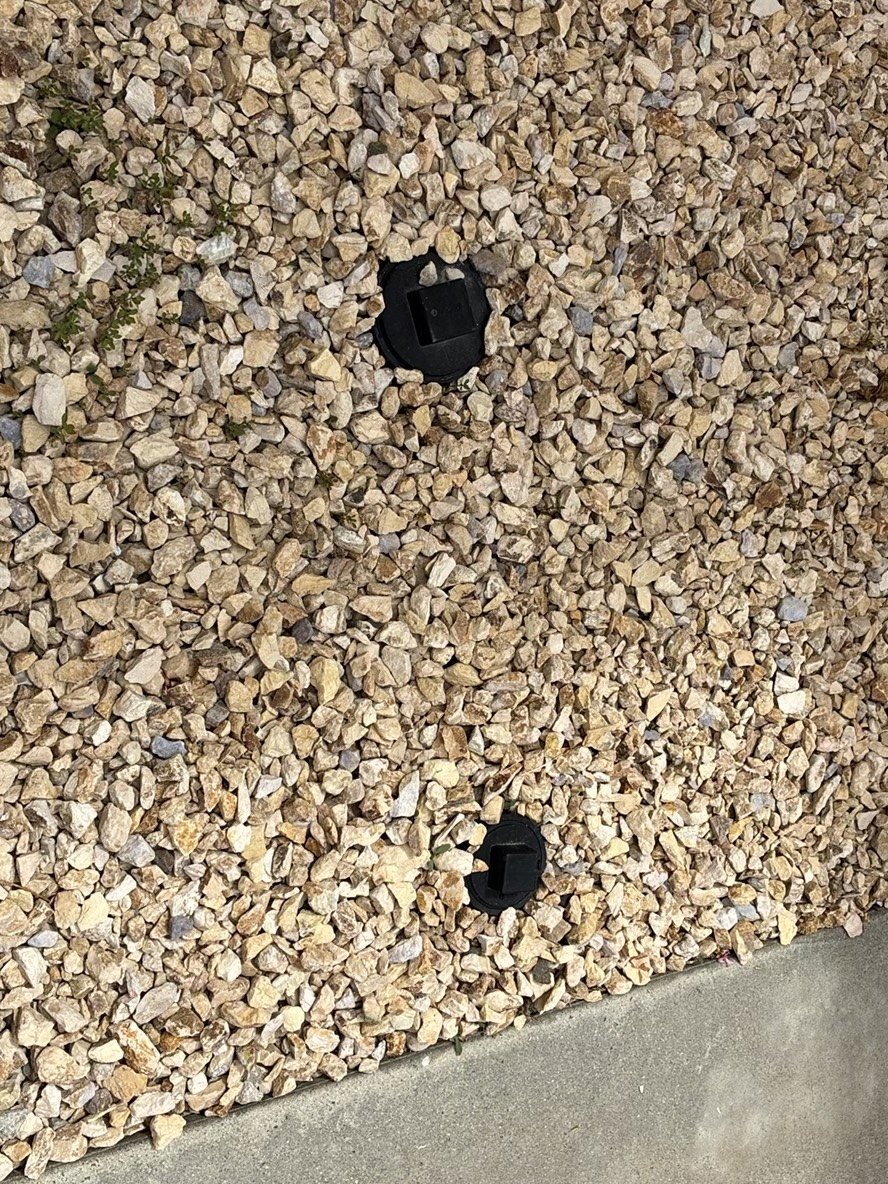
Sewer scope documentation from recent San Diego County inspections.
More inspections in Pine Valley
- Foundation slab survey in Pine Valley
- SB 721 balcony inspection in Pine Valley
- SB 326 balcony inspection in Pine Valley
- SB 721 exemption letter in Pine Valley
- Home inspection in Pine Valley
Nearby and countywide
Were You Happy With Your Inspection?
We are proud of our 4.9-star rating across 100+ Google reviews. If Joseph and the team did right by you, a quick Google review helps other San Diego County buyers and sellers find us.