
SB-721 Exemption Letter in Pine Valley, CA
If you own a small rental up in Pine Valley and a letter shows up ordering an SB-721 balcony inspection, the first thing worth doing is comparing the demand against the actual building. The law driving that notice targets a narrow thing: apartment properties of three units or more that hold wood-framed, load-bearing surfaces raised more than six feet off the ground — balconies, open stairways, landings, walkways suspended above grade. A great deal of the mountain rental stock at 4,000 feet carries none of those. Entries open onto a porch built flat to the slope, cabins sit close to the dirt, and the few stepped landings are concrete poured against the grade. When the structure plainly doesn't fit the statute, the answer isn't to commission an inspection of balconies you don't have. It's a documented letter establishing why the requirement never attached to the property.
I'm Joseph Romeo, and I handle these determinations personally — I drive up to the property, make the applicability judgment on site, and sign the conclusion. The sections below explain what the letter formally establishes, how Pine Valley's high-country housing pattern produces legitimate exemptions, the situations I encounter walking parcels up here, and how the document is constructed to satisfy a County reviewer, a lender, or an insurer. The full range of local work sits on the Pine Valley inspection hub. The honest line I lead with every time: I assess the building and document what I find — I cannot and will not erase a real legal duty, and if your property genuinely falls under SB-721, I'll tell you so before I leave.
Call (619) 752-4399 Schedule an Inspection
What does this exemption letter document, and what does it not?
An exemption letter is the mirror image of a standard inspection report. Where a deficiency report itemizes splitting wood, corroded hardware, and overloaded connectors, this document records the affirmative case — backed by measured heights and photographs — for why SB-721 has no hold on your Pine Valley building. The applicability judgment turns on a short list of factual questions:
- Does the unit count even reach the trigger? The statute only activates at three or more dwelling units; many mountain rentals sit below that line entirely.
- Is there any qualifying elevated surface? I look for load-bearing, wood-framed walking surfaces lifted beyond six feet above the grade directly underneath.
- What is the assembly made of? Concrete, masonry, and steel stairs or landings sit outside the wood-framed construction the legislature was writing about.
- Which balcony law actually governs? Rental apartments answer to SB-721; condominium and association-managed buildings answer to SB-326 instead.
- Will the County follow the reasoning? The conclusion is framed for an unincorporated San Diego County reviewer to read without a follow-up call.
The deliverable is a signed letter with photographic support, stating the building's status and the basis for it. It belongs in the owner's records, and it is the thing you produce the moment a lender, insurer, or code official wants proof that the exemption is real. What it is not: a waiver. I document the building's condition and structure honestly. I do not nullify any obligation the law actually imposes.
Why does Pine Valley's high-country housing produce exemptions?
Pine Valley generates exemptions for reasons baked into how a mountain town at roughly 4,000 feet got built. This is freeze-and-snow country on the eastern edge of the county — oak forest, well-and-septic parcels, propane service, cabins and rural homes spread across wildfire-prone terrain off the old highway and Pine Valley Road. Apartment-style density was never the pattern up here, and the rental inventory shows it:
- Cabins and single-level rentals on grade: a large share of what gets leased in Pine Valley is a cabin, a converted residence, or a small one-story unit where the front door opens at or near ground level. Nothing clears the six-foot threshold.
- Concrete steps poured to the slope: where buildings do step up the hillside, the runs are frequently poured concrete or block set against the grade — non-combustible work the statute was not drafted to catch.
- Parcels below three units: the mountain is full of duplexes, guest cabins, accessory units, and lone rentals on acreage that never reach the dwelling count that turns SB-721 on.
- Association-run pockets: the handful of attached or shared-ownership developments tend to be governed by an HOA, which routes them onto SB-326 and out from under the landlord statute.
The well casing, the septic field, the propane tank, the defensible-space clearing, and the winter freeze risk that shape a Pine Valley rental have no bearing on the SB-721 calculation one way or the other. But they are precisely the kind of detail that makes a clean, on-file exemption letter worth its cost when an insurer scrutinizing an older mountain building begins asking what is exempt and on what grounds.
What situations do you encounter walking Pine Valley parcels?
An applicability survey is narrow and efficient — but it is a real walk of the property, not a verdict delivered from the truck. Across Pine Valley rentals, the determinations tend to settle into a few recognizable patterns:
- Nothing within scope — a cabin or single-level unit where every entry, porch, and step rests on or just above grade, with no raised wood walking surface anywhere on the lot.
- Concrete mistaken for a balcony — a poured landing or block stoop that looks elevated from the drive but is non-combustible construction the law never named.
- An HOA building under the wrong statute — a shared-ownership or condominium structure whose recorded form and association control place it under SB-326, not the landlord rule.
- A split property — mostly at grade except for one rear wood stairway or a single raised deck that genuinely qualifies, where I tell you plainly that the inspection, not a letter, is the correct call.
- Below-count lots — the duplexes, granny cabins, and single rentals on Pine Valley acreage that simply never reach three units.
I record what exists and what is absent with the same care, and on the sloped, often snow-touched lots up here I physically measure the heights that sit close to the six-foot line rather than guess at them. A letter only earns a place in your file if its reasoning can withstand the person who eventually questions it.
How does the visit go and what document do you walk away with?
Begin with a call to (619) 752-4399 or an email carrying the property address, the unit count, and a sentence describing the building — cabin, single-level court, stair-served unit, or condo. From the address and a quick look at the structure, I can usually tell you before I make the drive up the grade whether you are looking at an exemption or a full inspection, which keeps you from paying for a trip that points the wrong way.
On site I walk every exterior surface and doorway, measure wherever the six-foot line is genuinely in question, note construction material, and confirm both the dwelling count and the ownership structure. You are welcome to walk the property alongside me — standing at a landing while I explain why a concrete-on-grade step falls outside SB-721 gives the finished letter more weight than a file that just appears in your inbox.
What you receive is a signed exemption letter with supporting photographs, written so a San Diego County reviewer, a lender, or an insurer can read the basis for exemption without me there to narrate it. Reports go out same day or next day in most cases. And if the building turns out to trip SB-721 after all, you get a straight answer and a clean handoff to the inspection it actually requires — no upsell, just the right next step.
Who signs the determination, and what backs it?
An applicability call is only as good as the structural knowledge of the person signing it. I'm an InterNACHI Certified Professional Inspector (CPI) and I hold a California CSLB General Contractor license (#1113143). That contractor's background is the whole reason an exemption question lands well: I have framed the decks, stairways, and landings the statute describes, so I can separate a load-bearing wood-framed balcony from a poured landing or a decorative feature — the exact distinction the letter rises or falls on.
- 20-plus years and 10,000-plus inspections across San Diego County, the mountain rentals and rural parcels of Pine Valley and the eastern backcountry among them
- 4.9 stars over 106 Google reviews
- Independent, with nothing riding on the verdict — I don't bid or perform repairs and I don't sell balcony work, so nothing tilts the determination toward billable hours
I assess and document; I do not waive any legal requirement, and I won't put my signature on an exemption the building hasn't earned. Reach me directly at joe@sandiegohomeinspection.com or the number above.
What related inspections suit Pine Valley multifamily owners?
The exemption letter answers one question cleanly. Depending on the building and what triggered the notice, a focused add-on often makes sense, and I can fold these into the same trip up the mountain:
- SB-721 balcony inspection: the full elevated-element evaluation for properties that genuinely carry qualifying balconies, stairs, or walkways
- SB-326 balcony inspection: the parallel requirement for condominium and HOA-governed buildings — the right track when yours turns out to be a common-interest development
- Multi-unit property inspection: a broader read on the roofs, systems, and units of an older Pine Valley complex ahead of a sale or refinance
- Roof inspection: a closer look at coverings stressed by mountain sun, wind, and occasional snow load over Pine Valley's buildings
- Well and septic coordination: for the rural Pine Valley parcels still off any public main, evaluated through a licensed specialist we refer out to
- Thermal imaging: to find hidden moisture behind stucco and at deck-to-wall joints on older buildings exposed to freeze-thaw cycling
Not certain what your property needs? Send the address and unit count and I'll tell you what is genuinely worth doing — see the full list of services if you want to browse first.
Pine Valley SB-721 Exemption Letter FAQs
How do I know whether my Pine Valley building needs an exemption letter or the actual SB-721 inspection?
My Pine Valley rental is a single-story cabin sitting on grade. Am I still obligated?
Does an exemption letter settle the matter for good?
My Pine Valley property is a shared-ownership condo. Doesn't SB-326 cover it instead?
Will San Diego County or my insurer accept the letter?
What does an SB-721 exemption assessment in Pine Valley cost?
Properties we evaluate
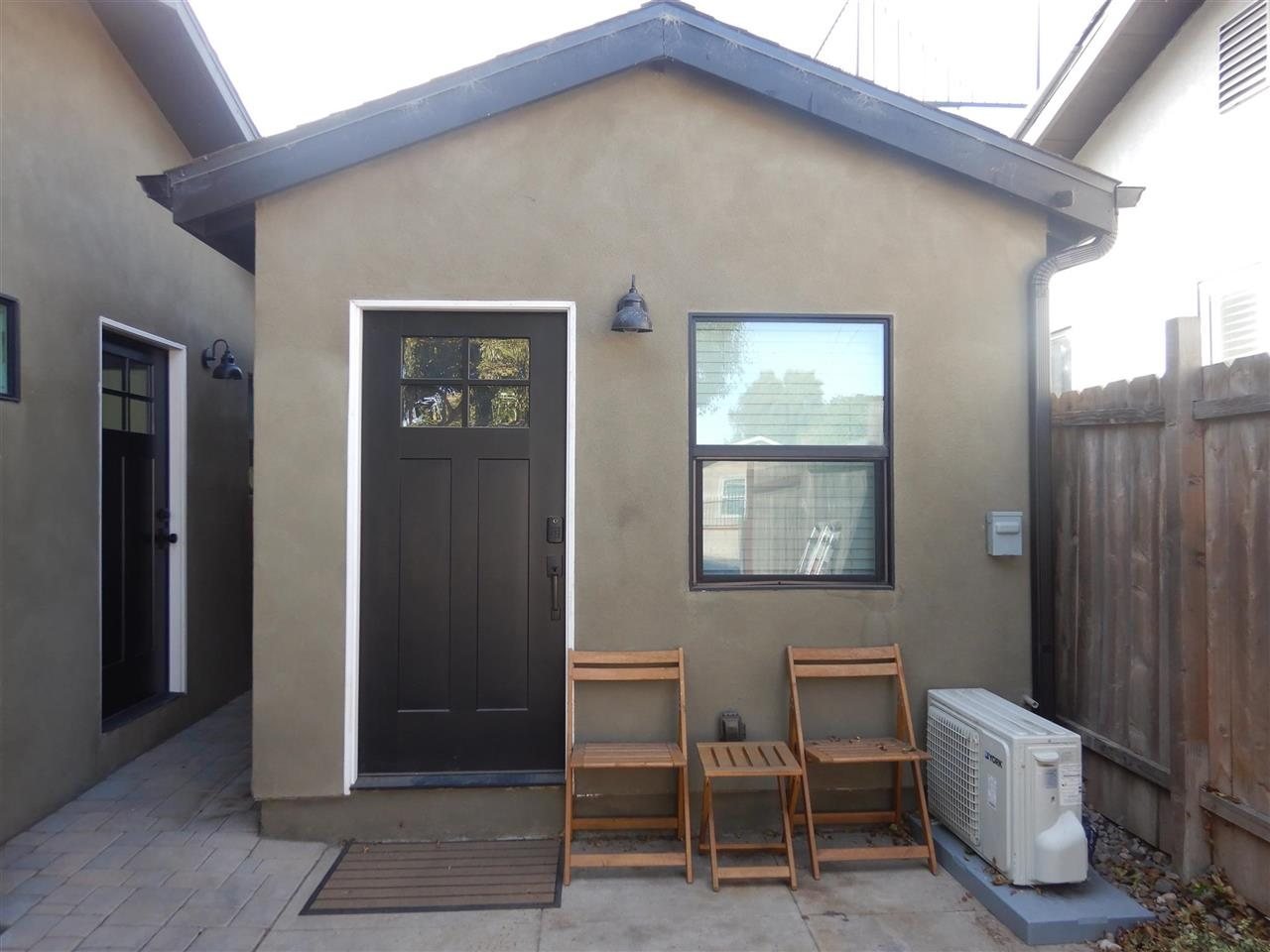
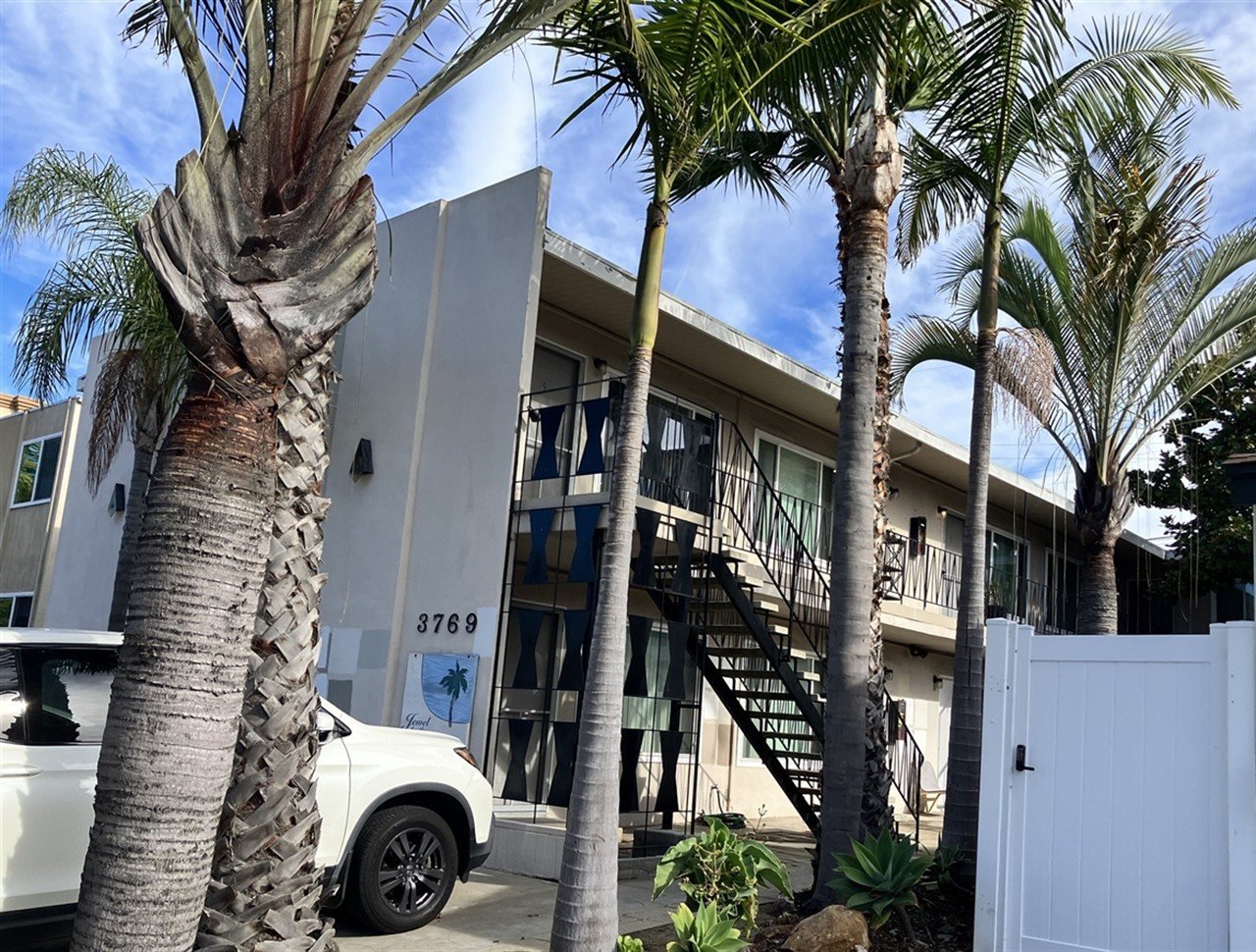
Properties evaluated for SB 721 exemption letters across San Diego County.

More inspections in Pine Valley
- Warranty inspection in Pine Valley
- Commercial roof cleaning in Pine Valley
- Commercial inspection in Pine Valley
- Pool and spa inspection in Pine Valley
- Home inspection in Pine Valley
Nearby and countywide
Were You Happy With Your Inspection?
We are proud of our 4.9-star rating across 100+ Google reviews. If Joseph and the team did right by you, a quick Google review helps other San Diego County buyers and sellers find us.