
SB-721 Exemption Letter in Jamul, CA
Plenty of Jamul property owners open a letter demanding an SB-721 balcony inspection and look at a building with no balcony anywhere on it. The statute behind that notice was aimed at apartment complexes of three or more units that carry wood-framed, load-bearing surfaces lifted more than six feet over the ground — decks, exterior staircases, landings, elevated walkways. Backcountry rental stock frequently has none of that. Doors open onto decomposed-granite paths, porches sit on grade, and the rare raised step is poured concrete. When the building doesn't fit the law, the move isn't to buy a balcony inspection you don't owe. It's a written letter that lays out, point by point, why SB-721 never reached the property to begin with.
My name is Joseph Romeo. I drive out to the Jamul building, make the applicability call in person, and sign the determination myself. Below I cover what the letter proves, why Jamul's spread-out rural housing produces so many genuine exemptions, what I run into surveying parcels in the area, and how the document is built to hold up with a lender, an insurer, or the County. For the wider service picture, see the Jamul inspection hub. One straight caveat up front: I assess and document — I don't erase a legal obligation, and if your building genuinely falls under SB-721, you'll hear that from me plainly.
Call (619) 752-4399 Schedule an Inspection
What does the SB-721 exemption letter actually prove?
An exemption letter runs opposite to a typical inspection report. Instead of cataloging rot, rust, and failed fasteners, it records — with photos and measured heights — the specific reasons SB-721 has no claim on your Jamul building. The determination comes down to a handful of questions:
- Unit count: confirming whether the property even hits the three-dwelling-unit threshold that switches the statute on in the first place
- Elevated-surface walk: a deliberate search for any load-bearing, wood-framed walking surface raised above the six-foot mark relative to the grade beneath it
- Construction type: noting where stairs, stoops, and landings are concrete, block, or steel — materials the law was never drafted to reach
- Right statute: distinguishing landlord-owned apartments under SB-721 from condominium and HOA-managed buildings, which answer to SB-326 instead
- Jurisdiction-ready wording: framing the conclusion so a reviewer in San Diego County's unincorporated offices can follow the logic without a phone call
What lands in your file is a signed, photo-backed letter stating where the building stands and the reasoning underneath it — a record to keep and a document to hand over the day anyone asks you to prove the exemption is real.
Why do Jamul's backcountry rentals land outside the statute?
Jamul generates exemptions because of how a rural east-county community develops. Spread across rolling hills and oak canyons east of the 94, the area built out as large-parcel ranch and country property — well-and-septic lots, propane tanks, decomposed-granite drives, defensible space cleared back from the brush. Apartment-style density never took hold the way it did in the incorporated cities, and the rental picture reflects that:
- Ground-level country units: the small rental clusters near Jamul's commercial stretch on Campo Road tend to be single-story, with every entrance opening onto grade — nothing rises past the six-foot trigger.
- Concrete and masonry stairwork: where older backcountry buildings do step up, the runs are often poured or block, which sit outside the wood-framed scope the statute was written to address.
- Below-threshold parcels: Jamul is dense with duplexes, guest casitas, accessory units, and lone rentals on acreage that never reach three dwellings.
- HOA and condo enclaves: the attached developments that exist are commonly association-run, which shifts them onto the SB-326 track and out from under SB-721 completely.
The well, the septic leach field, the wildland-interface clearances, and the propane service that define a Jamul rental don't change the SB-721 math one bit — but they're exactly the kind of detail that makes a clean exemption letter worth having when an insurer reviewing an older rural building starts pressing on what's exempt and why.
What do I run into surveying Jamul parcels?
An applicability survey stays focused, but it's no glance from the truck window. Across Jamul rentals, the determinations tend to fall into a few recurring shapes:
- Nothing in scope — a single-level country complex where each entry, porch, and step sits at or just above grade, with no raised wood surface on the parcel at all
- Concrete reading as a balcony — a poured landing or block stoop that looks elevated from the driveway but is non-combustible work the statute simply never named
- Association-governed buildings — condos whose recorded structure and HOA control put them under SB-326 rather than the landlord requirement
- Mixed cases — a property mostly at grade except for one rear wood stair or a single raised landing that does qualify, where I tell you outright that an inspection, not a letter, is the honest call
- Under-count lots — the duplexes, granny flats, and single rentals on Jamul acreage that never touch three units
I document what's there and what isn't with equal care, and on Jamul's sloping decomposed-granite lots I measure the heights that hover near the six-foot line rather than eyeball them. A letter only earns its place in your file if the reasoning behind it can survive the person who eventually challenges it.
How does the visit work and what do you receive?
It starts with a call to (619) 752-4399 or an email with the property address, the unit count, and a sentence about the building — ground-level court, stair-served complex, or condo. From the address and a quick look at the structure, I can often tell you before I ever drive out the 94 whether you're facing an exemption or a full inspection, so you're not paying for a trip that heads the wrong direction.
On the parcel I walk every exterior surface and doorway, measure wherever the six-foot line is genuinely close, record construction material, and confirm both the dwelling count and the ownership structure. You're welcome to walk the property with me — standing at a landing while I explain why a concrete-on-grade step sits outside SB-721 gives the finished letter more weight than a PDF that simply shows up in your inbox.
You get a signed exemption letter with supporting photos, written so a San Diego County reviewer, a lender, or an insurer can read the basis for exemption without me there to walk them through it. In most cases the turnaround is same day or next day. And if the building turns out to trigger SB-721 after all, you get a plain answer and a clean handoff to the inspection it actually needs — no upsell, just the right next step.
Why do Jamul owners hand me the determination?
An applicability call only holds if the person signing it knows how the building was assembled. I'm an InterNACHI Certified Professional Inspector (CPI) and I hold a California CSLB General Contractor license (#1113143). That builder's background is the entire point on an exemption question: I've framed the decks, stairs, and landings the statute describes, so I can tell a load-bearing wood-framed balcony from a concrete landing or a decorative add-on — the precise distinction the letter stands or falls on.
- 20+ years and 10,000+ inspections across San Diego County, the backcountry rentals and country parcels of Jamul and the east county very much included
- 4.9 stars across 106 Google reviews
- Independent, with nothing riding on the verdict — I don't bid or perform repairs and I don't sell balcony work, so nothing is steering the call toward billable hours
I assess and document; I don't waive any legal requirement, and I won't put my name on an exemption a building hasn't earned. Reach me directly at joe@sandiegohomeinspection.com or the number above.
Which related inspections suit Jamul multifamily owners?
The exemption letter settles one question. Depending on the building and what prompted the notice, a targeted add-on often makes sense, and I can stack these onto the same trip out to Jamul:
- SB-721 balcony inspection: the full elevated-element evaluation for properties that genuinely carry qualifying balconies, stairs, or walkways
- SB-326 balcony inspection: the matching requirement for condominium and HOA-run buildings — the correct track if yours turns out to be a common-interest development
- Multi-unit property inspection: a wider read on the roofs, systems, and units of an older Jamul complex ahead of a sale or refinance
- Roof inspection: a closer look at coverings worn by backcountry sun, wind, and wildfire-zone exposure over Jamul's buildings
- Well and septic coordination: for Jamul multifamily and mixed parcels still off any public main, evaluated through a licensed specialist we refer out to
- Thermal imaging: to track hidden moisture behind stucco and at deck-to-wall joints on older inland buildings
Unsure which fit your property? Send the address and unit count and I'll tell you what's genuinely worth doing.
Jamul SB-721 Exemption Letter FAQs
How do I know if my Jamul building needs an exemption letter or the full SB-721 inspection?
My Jamul rental is single-story with everything on grade. Am I still on the hook?
Does the exemption letter settle this permanently?
My Jamul property is a condo development. Doesn't SB-326 govern it instead?
Will San Diego County or my insurer accept the letter?
What does an SB-721 exemption assessment in Jamul cost?
Properties we evaluate
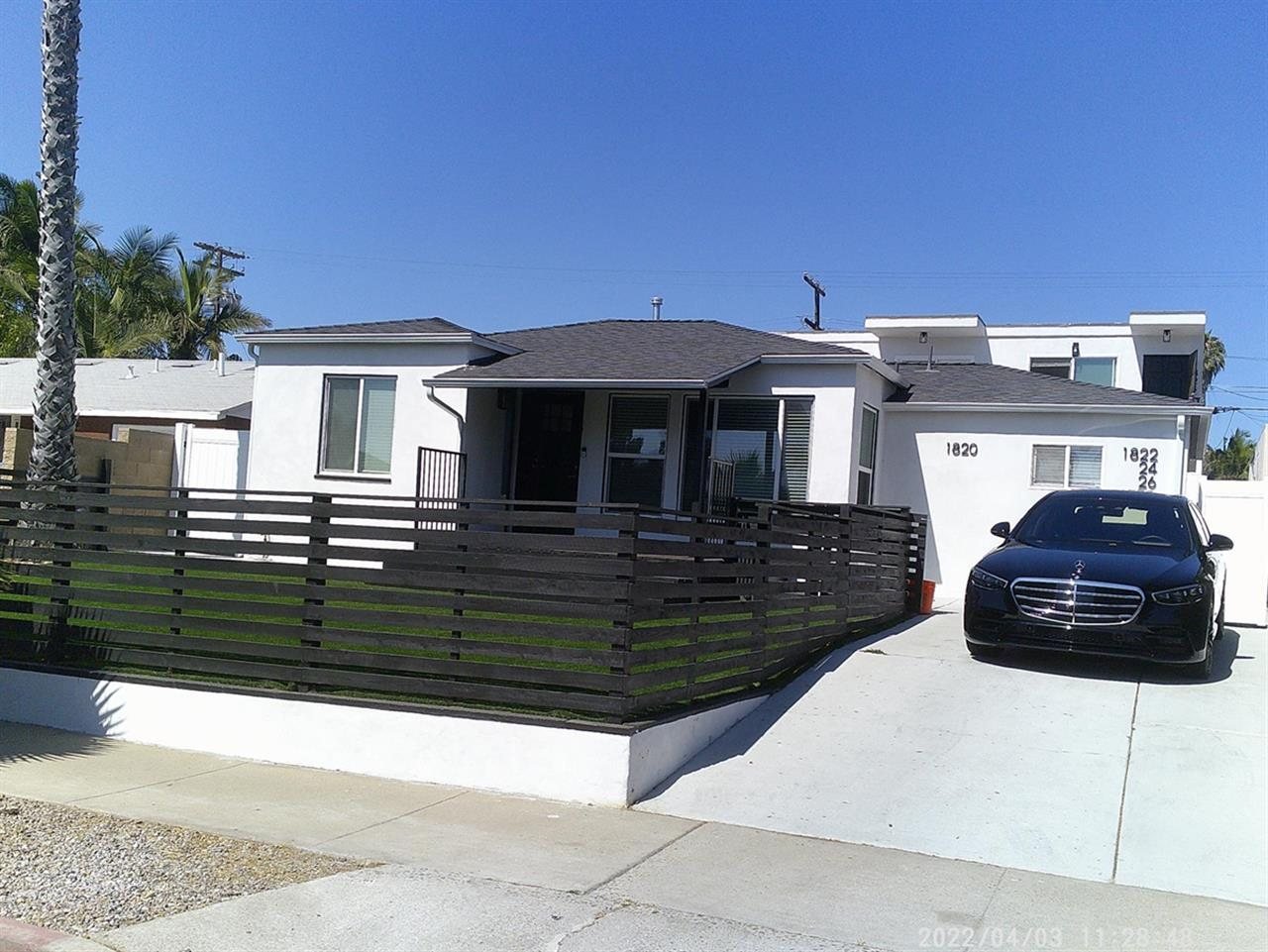
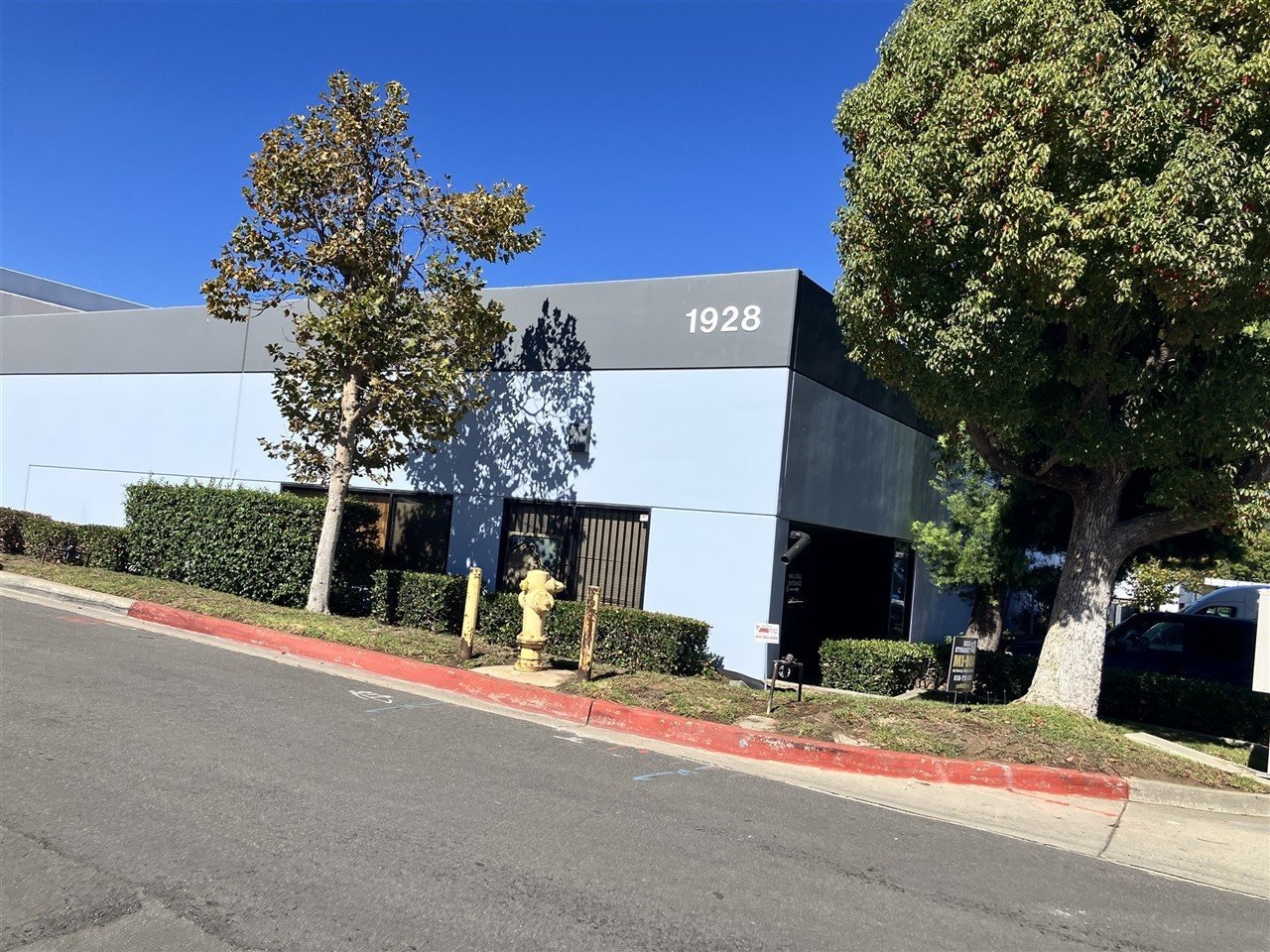
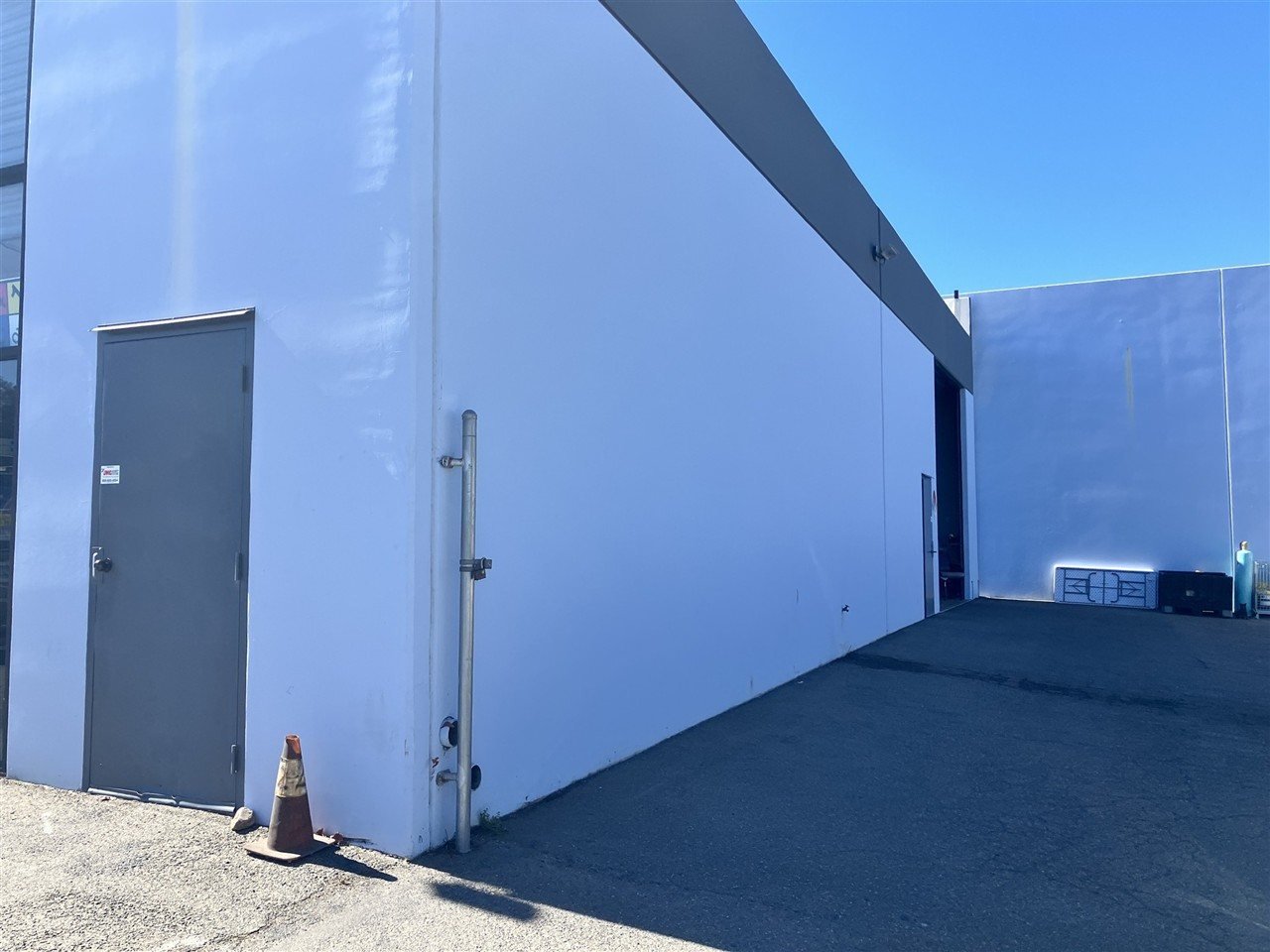
Properties evaluated for SB 721 exemption letters across San Diego County.
More inspections in Jamul
- Commercial roof cleaning in Jamul
- Commercial inspection in Jamul
- Pool and spa inspection in Jamul
- Sewer scope inspection in Jamul
- Home inspection in Jamul
Nearby and countywide
Were You Happy With Your Inspection?
We are proud of our 4.9-star rating across 100+ Google reviews. If Joseph and the team did right by you, a quick Google review helps other San Diego County buyers and sellers find us.