
SB-721 Balcony Inspection in Jamul, CA
Jamul is large-parcel backcountry, so it isn't where you picture rows of apartment buildings — but the multifamily that does exist out here still answers to the state. The small wood-framed complexes near the highway corridor, the older triplexes and fourplexes on big rural lots, the converted multi-unit buildings on well and septic toward Honey Springs and Lyons Valley: if a property holds three or more dwelling units and carries any elevated balcony, exterior stair, landing, or walkway, California's SB-721 reaches it. The statute targets the load-bearing exterior wood your tenants stand on and the waterproofing that keeps that wood dry. The opening inspection came due January 1, 2026 once AB 2579 pushed the date out a year, and it cycles every six years thereafter.
My name is Joseph Romeo, and I make the drive into Jamul to handle these inspections myself rather than send a tech. An SB-721 inspection is not a real-estate buyer's inspection — it is a code-mandated safety review of the exterior elevated framing and its weather protection, finishing in a documented report you keep on file and produce for the County when asked. Below I lay out what the inspection examines, the backcountry conditions in Jamul that age these elements, what tends to surface here, how my report reaches you, and the hard edge of my scope. The Jamul inspection hub covers residential and everything else I do out this way.
Call (619) 752-4399 Schedule an Inspection
What falls under an SB-721 inspection on a Jamul building?
The law draws a tight boundary. SB-721 governs what the code names Exterior Elevated Elements — the EEE — the load-bearing pieces of a three-or-more-unit building raised more than six feet off the ground that rely on wood framing, together with the assemblies that hold moisture back from that wood. On a Jamul property, here is what I put my hands and a moisture meter on:
- Balconies and raised decks — joists, the ledger bolting the balcony back to the wall, the support posts, and the walking surface of each upper-unit balcony or shared deck
- Open exterior staircases — the stringers, treads, and anchor points on the outdoor stair runs that reach second-floor units, plus the footing they land on
- Landings and elevated walkways — entry platforms and any shared upper-level walkway carrying tenants between units
- Guards and handrails — pressed for solid attachment and load resistance, since the rail is the final barrier before a fall onto sloped, rocky ground
- Waterproofing and weatherproofing — the flashing, deck coatings, membranes, caulk joints, and drainage that govern whether water ever reaches the framing
The work is mostly visual, performed on a representative sample of each element type the way the statute requires. Where the visible evidence points to damage I can't see, the law permits an intrusive look — opening a small section to read the concealed wood directly instead of guessing. Every element gets called safe or unsafe and backed with photographs. I record observed condition only; I do not design or build the repair, and the report states that plainly.
Which Jamul backcountry conditions wear balconies down?
What ends a balcony in Jamul looks nothing like what ends one near the water. Out in the east-county hills, here are the local forces I'm weighing on each elevated element:
- Wide daily temperature swing: dry inland days that climb hot and nights that fall cold drive deck coatings and sealant joints through a constant expand-and-contract cycle, checking and splitting them years ahead of steadier coastal weather and opening the seams that let water in.
- Decomposed-granite dust and grit: the DG soils everywhere in Jamul kick up fine abrasive dust that settles into deck drains, scupper throats, and stair landings, packing them until water sheets across the wood instead of clearing it.
- Wildfire-interface exposure: nearly all of Jamul sits in a WUI fire zone, and the same dry exterior stairs, landing corners, and deck edges SB-721 covers double as ember catchers. Brittle, sun-baked wood and packed brush debris are worth flagging well beyond the balcony statute itself.
- Hard, wind-pushed seasonal rain: backcountry storms arrive in heavier bursts and get shoved sideways by hill wind, forcing moisture into ledger flashing and wall junctions a soft coastal drizzle would never test.
- Older rural framing vintages: a lot of Jamul's multi-unit stock predates current deck-waterproofing detailing, which is precisely the era where ledgers and membranes are surrendering right now.
What tends to surface on Jamul stairs and balconies?
Across the apartments and small multi-unit buildings I inspect around Jamul, a recurring short list of defects keeps showing up. Knowing them ahead of the deadline lets an owner budget and sequence the work instead of reacting the day an element returns unsafe:
- Heat-checked deck coatings — walking surfaces where the daily temperature swing cracked the membrane, so it no longer sheds water and has begun wicking it into the framing underneath
- Failed ledger connections — where a balcony ties into the building, dried and wind-driven flashing lets water run behind the membrane into the ledger, the single most dangerous failure these inspections exist to catch
- Punky stringer bottoms — the base of outdoor stairs where splash and slope runoff keep the wood damp enough to probe soft at the connections
- Wobbling guardrails — rails that shift under hand pressure because the wood behind the anchors has gone soft or the fasteners have rusted, the most frequent safety flag I write up
- Corroded hangers and lag bolts — rusted steel connectors at joists, landings, and stair stringers, worse anywhere moisture lingers against the metal
- Grit-clogged drainage — deck scuppers and landing drains choked with DG dust and brush litter, ponding water against the very wood the coating was meant to shield
I separate cosmetic weathering from a genuine load-bearing or safety defect, and I photograph each one so you and the County are reading evidence rather than an opinion.
How does the visit run and what do Jamul owners get back?
It starts with a call to (619) 752-4399 or an email with the property address, the unit count, and a rough tally of how many balconies, stairs, and elevated walkways the building carries. That fixes the representative-sample size SB-721 calls for and lets me tell you what to expect before I make the run out to Jamul. We sort out access to upper units and shared landings ahead of time so the whole thing wraps in one trip.
On site I work each elevated element by hand: reading the flashing and probing for soft framing at the ledger connections, checking the coating and the drainage across the walking surfaces, pressing the rails for attachment, and getting underneath the stairs and landings to examine stringers, posts, and connectors. When something points to concealed trouble — a stain, a soft spot, a coating split open by heat — I'll walk you through opening a small section for an intrusive look rather than guess at the wood behind the finish. That is what the statute allows and what keeps a rotted ledger from slipping past.
You get a written HomeGauge report that marks each inspected element safe or unsafe, records the waterproofing condition, and supports every call with photos in the format your files and the County need. It usually arrives same day or next day. It documents observed condition — I don't engineer or build the fix. The report names which elements need a licensed engineer or contractor and how urgently, and once a hazardous element is identified the statute starts the repair clock.
Why do Jamul owners and managers bring me in?
An SB-721 report is only worth the judgment behind the safe-or-unsafe call, and a wrong call hurts both directions — a missed rotted ledger is a liability, a false alarm is a needless repair bill. I'm an InterNACHI Certified Professional Inspector (CPI), and I also hold a California CSLB General Contractor license (#1113143). That builder's background is exactly what these assemblies ask for: I've framed and repaired decks, ledgers, exterior stairs, and waterproofing systems, so when I write that a connection is unsafe I know what sits behind the finish and what setting it right actually involves.
- 20+ years and 10,000+ inspections across San Diego County, the east-county backcountry around Jamul included
- 4.9 stars across 106 Google reviews
- Independent and conflict-free — I inspect and document; I don't bid the balcony repair, so nothing in the safe-or-unsafe call points toward work I'd earn from
For the structural repair design and the work the report calls out, I coordinate or refer the right licensed engineer or contractor instead of pretending the inspection covers it. Reach me directly at joe@sandiegohomeinspection.com or the number above.
Which related inspections suit Jamul multifamily owners?
SB-721 settles the balcony-safety mandate. If you own or are buying a multi-unit building in Jamul, a few companion inspections are worth folding into the same trip out:
- SB-326 balcony inspection: the parallel EEE law for condominium and HOA-governed buildings — if your Jamul property is a common-interest development rather than an apartment, that standard applies in place of SB-721
- Full property inspection: roof, electrical, plumbing, and structure when you want a buyer's-grade read on the entire building, not just its elevated elements
- Septic inspection: nearly every Jamul multifamily parcel runs on septic instead of sewer, and a failing system is a costly surprise the EEE inspection never touches
- Well and water inspection: for the rural buildings drawing on a private well, a separate check on the source, pressure, and storage
- Propane system check: with no natural-gas main out here, many Jamul buildings run on propane, so the tank, lines, and connections are worth eyes during the same visit
- Thermal / infrared imaging: to help pinpoint concealed moisture behind deck coatings and at ledger connections before any intrusive opening
Send me the address, the unit count, and whether the building is an apartment or a condo, and I'll tell you which of these genuinely apply before you spend on any of them. Browse all inspection services or look over the fee schedule.
Jamul SB-721 Balcony Inspection FAQs
Which Jamul buildings need an SB-721 inspection?
When was the SB-721 inspection due for Jamul apartments?
Does Jamul's backcountry climate really affect a balcony?
Will you cut into the balcony framing during the inspection?
What happens if an element comes back unsafe?
What does an SB-721 inspection in Jamul cost?
Properties we inspect
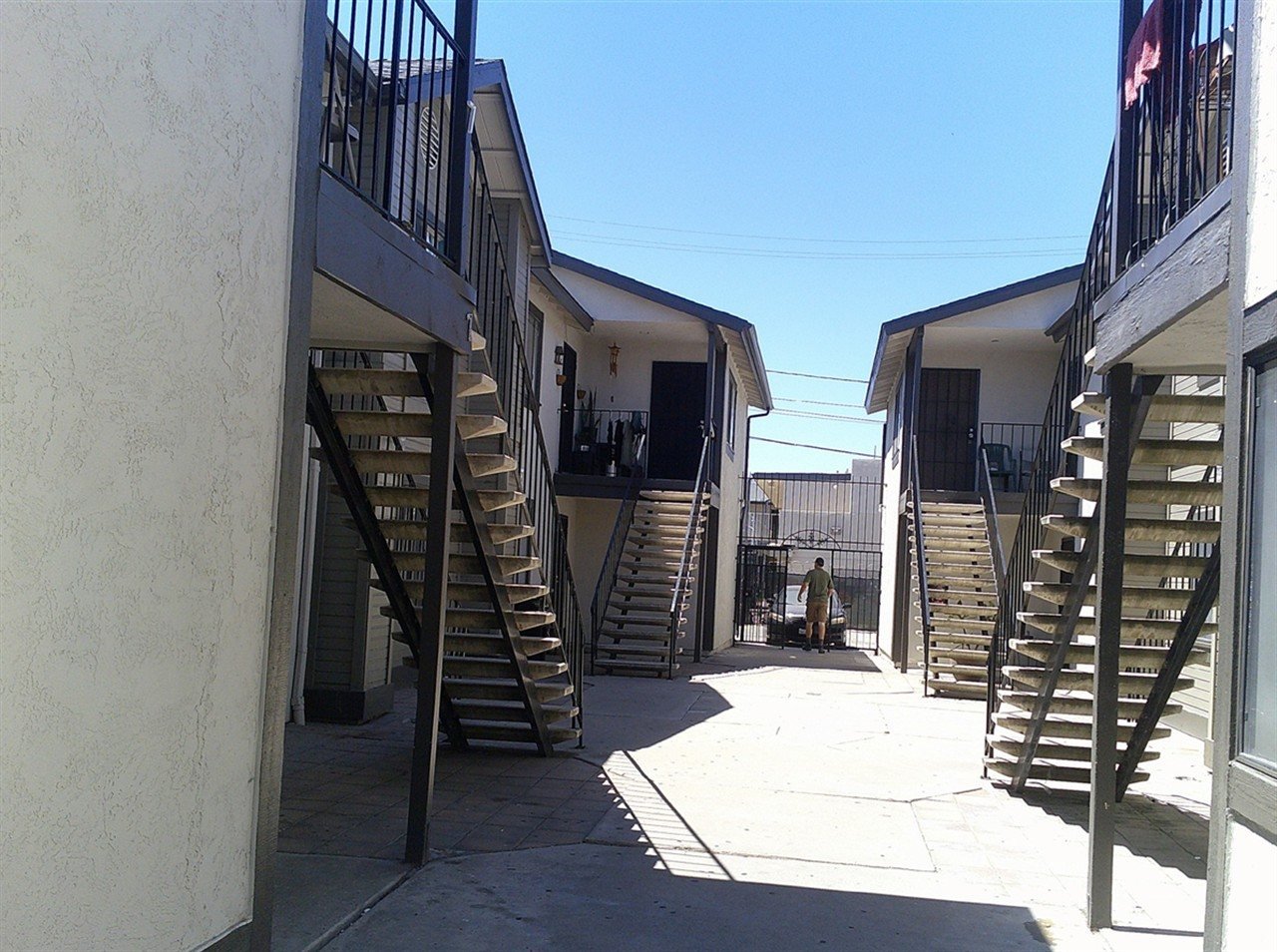
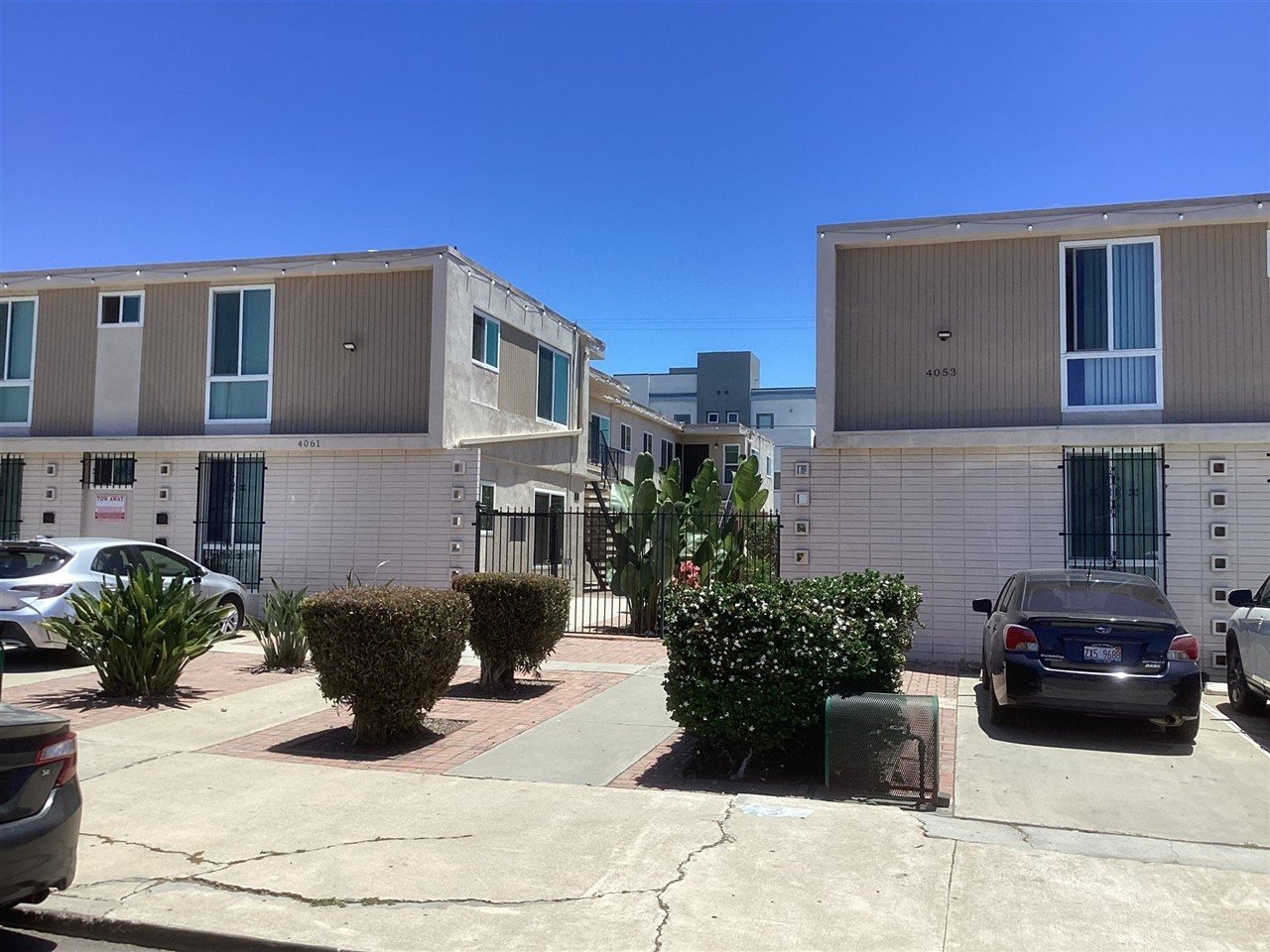
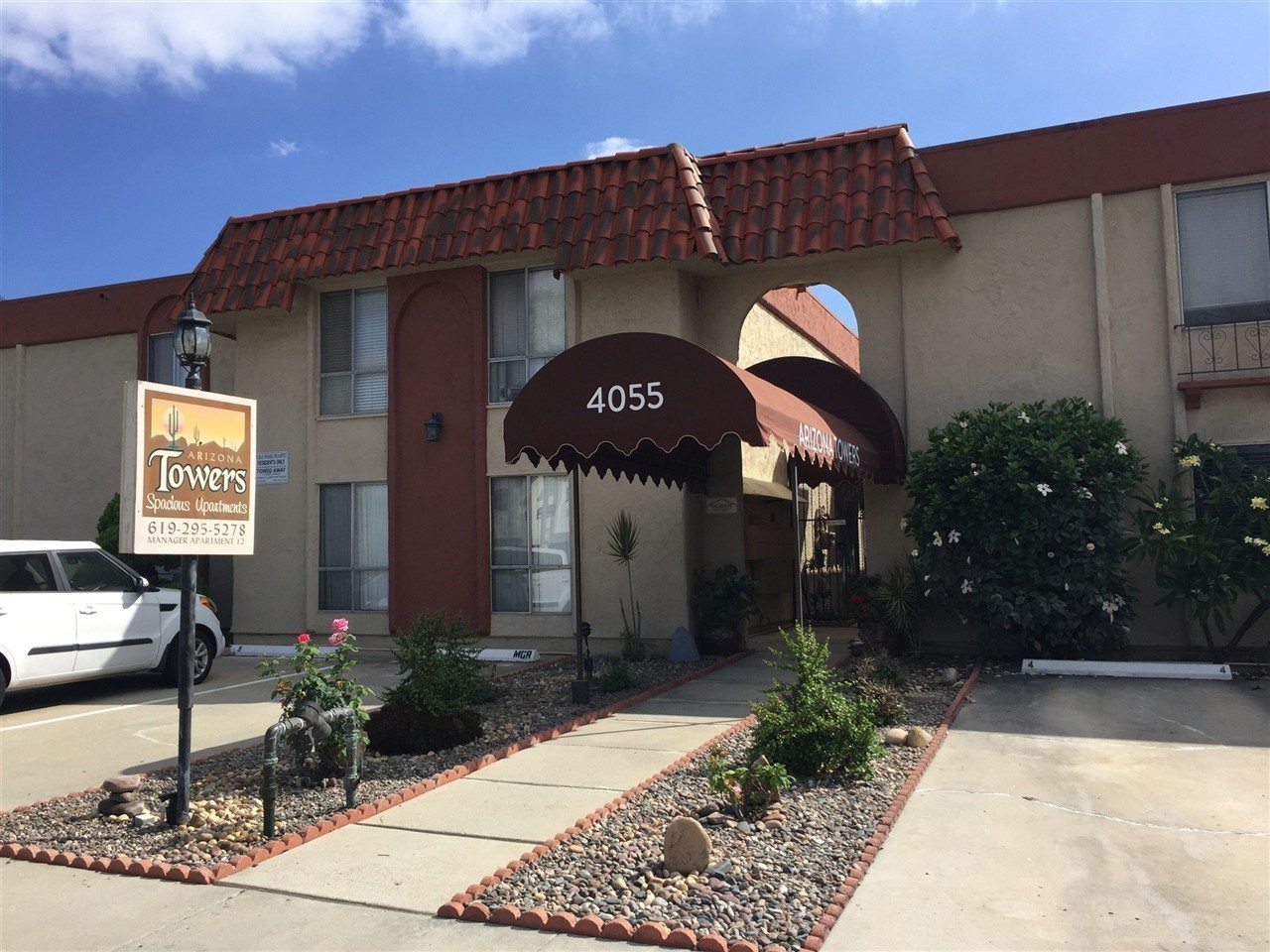
Multi-unit properties documented for SB 721 balcony compliance across San Diego County.
More inspections in Jamul
- Pool and spa inspection in Jamul
- Sewer scope inspection in Jamul
- 4-point inspection in Jamul
- Roof inspection in Jamul
- Home inspection in Jamul
Nearby and countywide
Were You Happy With Your Inspection?
We are proud of our 4.9-star rating across 100+ Google reviews. If Joseph and the team did right by you, a quick Google review helps other San Diego County buyers and sellers find us.