
Home Inspection in Jamul, CA
Property in Jamul rarely looks like anything an inspector trained on stucco tracts would expect. Along Highway 94, up Lyons Valley Road, out toward Skyline Truck Trail and the Dulzura line, you find acreage homesteads, horse properties with barns and tack rooms, 1980s custom builds on graded granite pads, and the occasional older ranch house that predates most of the county's grading codes. A large share sit far past the nearest water main, drawing from private wells, running their waste to on-site septic, and heating with propane trucked up the hill. We size every inspection to the actual parcel, not a one-page template.
Use this page to book a real-estate inspection in Jamul and to see precisely what we evaluate, what we report, and which backcountry systems we examine ourselves versus hand off to a licensed specialist. Working against a contingency clock? Call (619) 752-4399 or send a quote request with the address and we'll get you scheduled.
Call (619) 752-4399 Schedule an Inspection
What's included in a Jamul home inspection?
Each inspection follows the InterNACHI Standards of Practice, giving you a repeatable, whole-house review of every readily accessible system. On a Jamul parcel that means walking the roof where footing allows or assessing it from the eaves, getting into the attic and any crawlspace, and operating what can be operated safely.
- Foundation and framing - stem walls, slabs, post-and-pier supports, and evidence of soil-driven movement on cut-and-fill hillside pads
- Roof covering and drainage - tile, composition, underlayment clues, vents, and how runoff sheds off long backcountry rooflines
- Electrical service - main panel, subpanels feeding barns or shops, breakers, bonding, and GFCI/AFCI coverage
- Plumbing - supply lines, drains, the water heater, and fixture function
- Heating and air - furnace operation, cooling capacity for triple-digit inland afternoons, and duct condition
- Interior, insulation, ventilation - windows, doors, attic insulation depth, and moisture indicators
Findings get documented with photographs and sorted for you into safety concerns, items needing a specialist, and ordinary maintenance you can budget over time.
Which backcountry systems get the hardest look in Jamul?
Rural acreage carries exposures a suburban condo never sees, so these draw close attention on every Jamul assignment:
- Well components - we observe the pressure tank, the visible wellhead piping, and whether the pump builds and holds pressure through a cycle. We don't gauge yield, depth, or potability; that requires a well driller's flow test plus a certified lab panel, and backcountry groundwater here can run high in nitrates, iron, or hardness.
- Septic clues - we watch for effluent breaking the surface, spongy ground above the leach field, sluggish drains, and odor. Opening and certifying the tank is a separate pump-down inspection by a septic contractor, and on the rocky granite soils around Jamul a tired leach field is an expensive fix, so we push you to order one.
- Propane systems - we check exposed gas lines, appliance connectors, and combustion at the furnace, range, and water heater. Pressure-testing the buried tank and underground service line belongs to the propane supplier, who will also confirm whether the tank is owned or rented.
- Outbuilding power and water - barns, shops, and well houses often have their own feeds and add-on plumbing; we trace what's accessible and flag amateur or unpermitted work.
What do we typically find in Jamul homes?
Certain patterns recur across these hills, and recognizing them helps you make sense of your report:
- Decomposed-granite settlement - the loose granitic soil under much of Jamul moves with moisture and drought, surfacing as diagonal cracks in masonry, hairline slab fractures, and floors reading out of level in older ranch homes.
- Drainage and retaining failures - large lots depend on swales, culverts, and retaining walls; clogged weep holes and uphill sheet flow steering toward the house is a regular write-up after winter storms.
- Post-fire and aging materials - this corridor burned in the 2007 Harris Fire, so you'll see a mix of rebuilt newer structures alongside untouched homes still on their first-generation panels, heaters, and ducting.
- Wildfire-hardening gaps - unscreened or oversized vent openings, combustible wood decks and fencing tied into the structure, and chaparral crowding the walls, all of which now weigh on whether a carrier will write the policy.
- Long water-heater and pump runs - distance from systems to fixtures means lukewarm delivery and oversized recirculation setups worth understanding before you close.
None of this is automatically a deal-breaker; it's leverage for negotiation and a roadmap for your maintenance budget.
How does our process work and what report do you receive?
A standard single-family Jamul home runs a few hours on site, more when there's acreage, a guest unit, or multiple outbuildings to cover. We want you at the walk-through. It's the moment to learn where the pressure tank sits, where the septic cleanouts are buried, and how the propane shutoff and main disconnect operate.
You receive a modern HomeGauge report with labeled photos, grouped by system, and concerns summarized up top so you and your agent can move quickly. Most reports land the same day or the next - decisive when an inspection contingency is ticking. The report carries a built-in request-list tool your agent can use to draft a repair addendum straight from the findings. When a licensed specialist is warranted - a structural engineer for slope movement, a septic outfit, a well contractor - we name it directly. We report observed condition and don't attach repair bids, because we inspect homes, we don't bid the work.
Why do Jamul buyers, sellers, and agents hire us?
An inspection is worth exactly what the inspector brings to it. Owner and lead inspector Joseph Romeo holds InterNACHI's Certified Professional Inspector (CPI) credential and carries CSLB General Contractor License #1113143. That builder's background means he reads how a backcountry home was actually framed, graded, and plumbed - and how those choices fail across decades of heat, dust, and shifting granite.
Across 20-plus years and more than 10,000 inspections throughout San Diego County, including the East County backcountry, Joseph has cataloged the failure modes that surface out here. The company holds a 4.9-star rating from 106 Google reviews. We apply InterNACHI's Standards of Practice and Code of Ethics on every job and translate findings into plain language, so a first-time buyer and a seasoned investor both leave understanding the property. For termite or wood-destroying-organism work we coordinate or refer a licensed pest company rather than performing it in-house.
Which add-on inspections suit Jamul properties?
Many Jamul purchases benefit from specialty inspections booked alongside the general one, so you keep it to a single trip up the hill:
- Thermal / infrared imaging - surfaces hidden moisture, gaps in attic insulation, and electrical hot spots across sprawling single-story floor plans
- Roof inspection - a focused evaluation when the covering's age or fire-class rating is in question
- Pool and spa inspection - equipment, surfaces, and barrier safety on properties with a backyard pool
- Sewer scope - for the rare Jamul home tied to a sewer line, a camera run checking for root intrusion and breaks
- Foundation and slab evaluation - deeper scrutiny on cut-and-fill and expansive-soil parcels
- 4-point inspection - the roof, electrical, plumbing, and HVAC snapshot many insurers now require on older backcountry homes
- Detached structure review - barns, ADUs, shops, and well houses common on Jamul acreage
Tell us what's under contract and we'll recommend the right mix.
Jamul Home Inspection FAQs
How much is a home inspection in Jamul?
Do you inspect the well, septic, and propane?
How soon will I get the report?
Should I attend the inspection?
Do you check wildfire and insurance readiness?
Do you do termite or pest inspections?
What we document
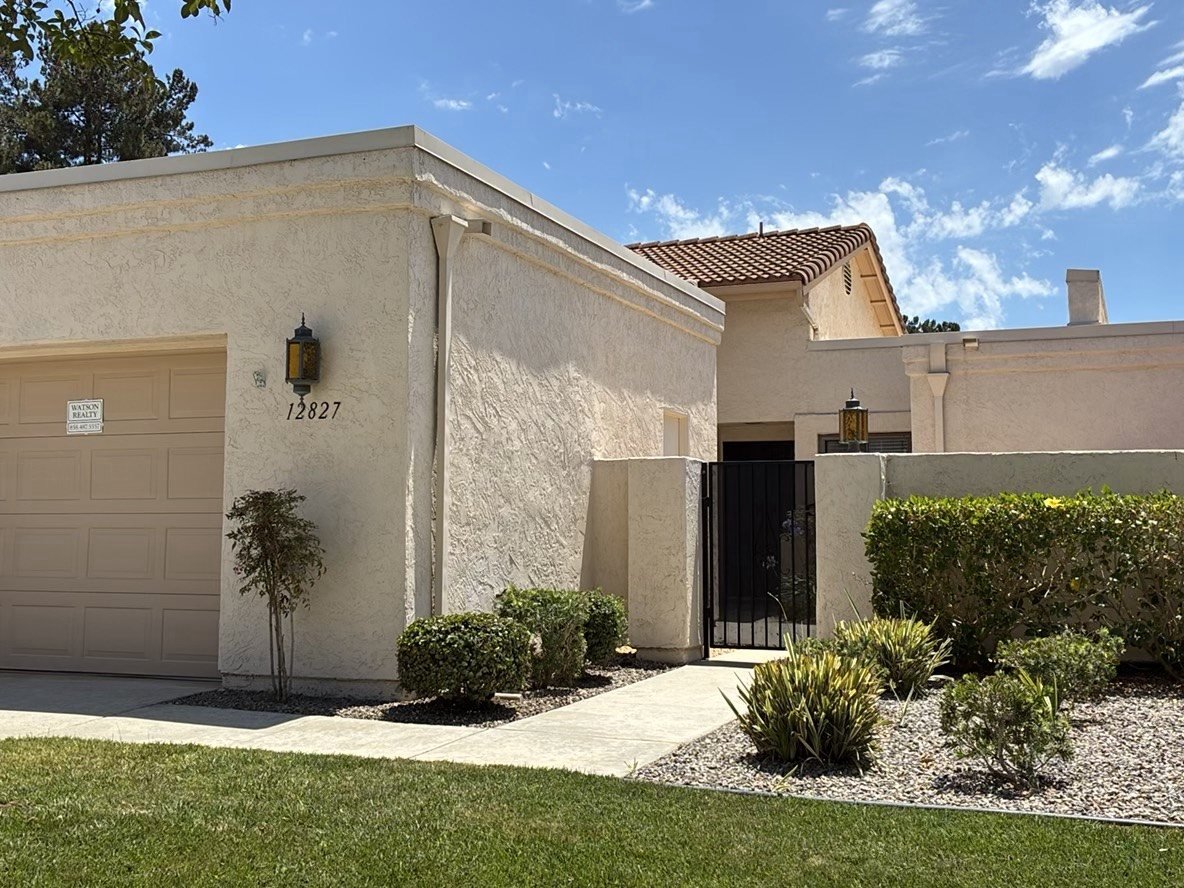
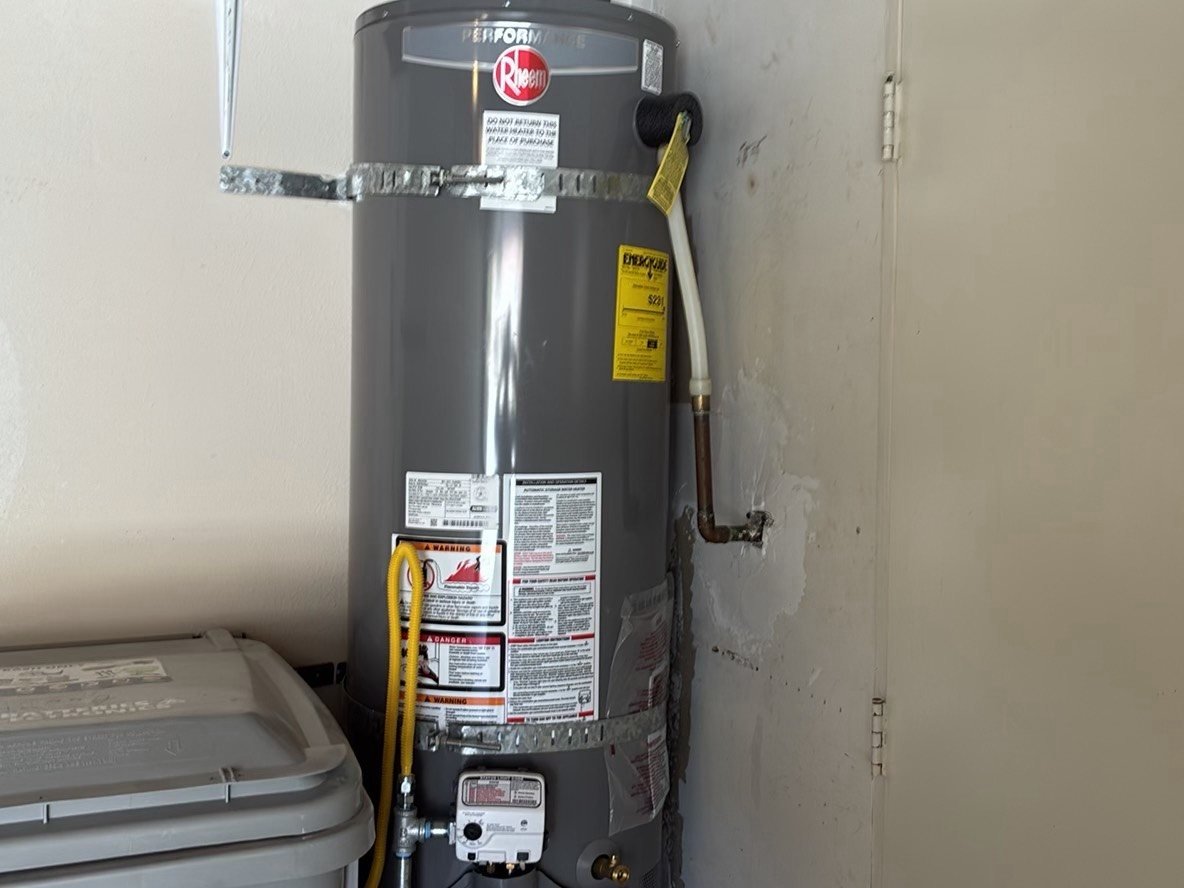
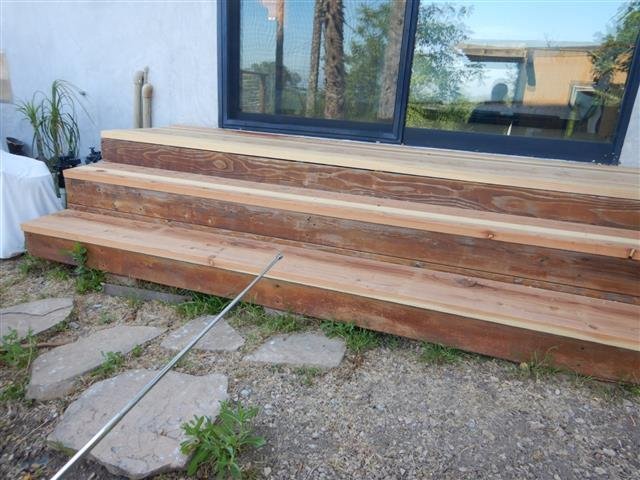
Photos from recent home inspections across San Diego County.
Inspection services in Jamul
- 4-point inspection in Jamul
- Commercial inspection in Jamul
- Commercial roof cleaning in Jamul
- Foundation slab survey in Jamul
- Pool and spa inspection in Jamul
- Roof inspection in Jamul
- SB 326 balcony inspection in Jamul
- SB 721 balcony inspection in Jamul
- SB 721 exemption letter in Jamul
- Seller inspection in Jamul
- Sewer scope inspection in Jamul
- Thermal imaging in Jamul
- Warranty inspection in Jamul
Nearby areas we serve
Were You Happy With Your Inspection?
We are proud of our 4.9-star rating across 100+ Google reviews. If Joseph and the team did right by you, a quick Google review helps other San Diego County buyers and sellers find us.