
Pool & Spa Inspection in Jamul, CA
A Jamul pool sits on its own piece of east-county ground — a ranchette off Lyons Valley Road, an acre or two up Skyline Truck Trail, a hilltop spread out toward Honey Springs. These are large rural parcels, most on a private well and septic, heated with propane because no gas main runs out here, and built into decomposed-granite hillside that drains fast and shifts on slope-cut pads. Summers run hot in this inland pocket, which is exactly why so many of these homes have a pool in the first place — and that same baking heat is hard on plaster, so the surfaces age quicker than a buyer expects. On a property this spread out, the pool is usually the system that has gone the longest without a careful set of eyes on it.
I'm Joseph Romeo. A pool & spa inspection from me is a focused visual review of the entire setup: the shell and finish, the deck and coping, the tile and waterline, the visible circulation plumbing, the pump-filter-heater equipment, the electrical bonding and GFCI protection, and the safety fencing, gates, and anti-entrapment drain covers that stand between a child and the water. I document what is visible and operable. I do not pressure-test for leaks or balance chemistry — that is pool-specialist territory, and I will say so directly when it is time to call one. For everything beyond the backyard, begin at the Jamul home inspection hub.
Call (619) 752-4399 Schedule an Inspection
What does a Jamul pool & spa inspection cover?
I treat the pool as four overlapping systems — structure, hydraulics, equipment, and safety — and I record the accessible, visible condition of each. On a Jamul property that breaks down to:
- Shell and interior finish — plaster, pebble, or quartz on the pool and the spa interior, read for cracking, hollow spots, surface etching, and the mineral staining that well water and hard inland sun tend to leave behind.
- Deck, coping, and waterline tile — the surrounding deck, the expansion-joint mastic, the coping, and the tile band, checked for the lifting and separation that decomposed-granite hillside soil drives on a graded pad.
- Visible circulation plumbing — skimmers, returns, valves, and the exposed runs at the pad, looked over for weeping joints, corrosion, and prior repairs. Buried pipe is not pressure-tested; I report only what I can see and operate.
- Equipment set — pump, filter, and heater cycled through normal operation where the controls permit, with attention to age and wear, plus automation, any salt-chlorine generator, and the propane heater and its supply that does the job of a gas main out here.
- Bonding and GFCI — the equipotential bonding grid tying the metal parts together and the GFCI protection on the pump and pool circuits, which is the single most important safety check I make on any pool.
- Barriers and anti-entrapment — perimeter fencing, self-closing and self-latching gates, any door alarms, and VGB-compliant drain covers that satisfy California's anti-entrapment and drowning-prevention rules.
Wherever a line is buried, an enclosure is locked, or a heater cannot be safely fired, I put that limitation in writing instead of implying I confirmed something I did not.
What stands out on Jamul pools?
The rural, hot, hillside setting that makes a Jamul backyard worth owning is also what runs a pool down. These items pull extra attention on the walk out here:
- Inland heat and tired plaster. Jamul's summer temperatures push hard on a pool surface. Plaster etches, mottles, and goes hollow sooner than a coastal pool would, so on older builds I read the finish closely for whether it is heading toward a resurface.
- Propane-fired heat. With no gas main reaching these parcels, Jamul spas and pools run on propane. I look at the heater type, the regulator and accessible supply line, the venting and clearances, and the corrosion or scorching a propane unit shows when it has been run hard.
- Well water on the fill line. Topping a pool from a private well brings hard, mineral-laden water. I check for the calcium scale and the iron and manganese staining that quietly accumulates at the tile line, inside the heater, and on a salt cell where one is fitted.
- Decomposed-granite movement. The granitic hillside soil under most Jamul lots drains quickly but erodes and settles, and on slope-cut pads that surfaces as deck cracking, coping that has pulled away, voids beneath the deck, and shell cracks worth reading with care.
- Wildfire interface around the pad. Jamul sits squarely in the wildland-urban interface. I note brush and combustible debris crowding the equipment, exposed propane components, and clearances that matter when embers are moving — and I will point out where the pool doubles as an on-site water source.
- Rural power gaps. Public-safety shutoffs and back-country outages leave equipment dark for stretches, which stalls circulation and, in a cold backcountry snap, leaves a pool exposed with no pump running. I note how vulnerable the system is to that.
Which findings repeat on Jamul pool properties?
Across the rural east-county parcels in this market, the write-ups tend to land in the same places. Seeing the pattern before your contingency closes lets you budget or negotiate instead of discovering it the first hot month after the keys change hands:
- Sun-worn finishes — etched, hollow, or stained plaster on pools that have run past their resurface window under the inland heat.
- Bonding gaps and missing GFCI — an equipotential bond corroded, broken, or never reconnected after an equipment swap, plus pump and light circuits with no GFCI. These are real shock hazards, and I never wave them through.
- Mineral scale and staining — calcium, iron, and manganese from well water building on the surface, the tile, the heater, and the salt cell.
- Aging propane heaters — corroded, scaled, or poorly vented units, along with regulator or supply-side issues on the propane line.
- Out-of-date drain covers — flat, cracked, or expired main-drain covers that no longer meet VGB anti-entrapment standards.
- Deck and coping movement — heaved or cracked decking, separated coping, and trip hazards traced to granitic-soil settlement on graded slope lots.
- Barrier shortfalls — gates that fail to self-latch, fencing with climbable gaps, and a missing alarm on the slider that opens to the pool.
Few of these end a deal by themselves. The value is in sorting them — the report separates the safety hazards and the costly repairs from routine upkeep, so the numbers you bring to the table reflect what genuinely costs money.
How do I run it and what do you receive?
It begins with a call to (619) 752-4399 or an email with the address and a quick note on what is back there — in-ground pool, attached spa, propane heater, salt system. The pool & spa inspection usually pairs with the home inspection on the same trip, and on Jamul's large parcels I scope the time to what is actually present. For full access the equipment should be powered and the pad reachable; if a gate code, a locked equipment enclosure, or a cover stands in the way, let me know in advance so nothing has to be deferred.
On site I cycle the pump, filter, and heater through normal operation where the controls allow, walk the entire barrier and gate layout, sound and examine the shell and waterline, and verify bonding and GFCI at the points I can reach. You are welcome to walk it with me, and I push for it — standing at a broken bond lug or a hollow patch of plaster while I explain it lands better than any line item, and it is the moment to separate safety-now from maintenance-later.
What you get is a photo-documented HomeGauge report, arranged by system, with the safety-critical items — bonding, GFCI, anti-entrapment covers, and barriers — lifted into a summary at the top. I deliver it same day or next day in most cases, so your contingency clock never stalls on me. I report observed condition only and never bid or perform the repairs I flag, so nothing in the report carries a conflict. Two services sit outside this scope and I am plain about it: pressurized leak detection and water-chemistry balancing are specialist work, and where the evidence points that way I send you to a licensed pool specialist.
Why do Jamul buyers bring me to the pool?
A pool is a structure, a machine, and an electrical circuit all at once, and reading it well favors an inspector who understands how the whole assembly was put together. Your inspection is led by Joseph Romeo, an InterNACHI Certified Professional Inspector (CPI) who also carries a California CSLB General Contractor license (#1113143). On Jamul's rural pools — propane-heated, well-fed, and dug into granitic hillside — the builder's perspective is what pays off: I can see how the thing was actually constructed, how it was piped, where the bond was run, how power was brought in, and tell you whether a finding is a weekend fix or a tear-out bill in real dollars.
- 20+ years and more than 10,000 inspections across San Diego County, coast to backcountry, including Jamul's rural and hillside parcels.
- 4.9 stars across 106 Google reviews from buyers, sellers, and agents.
- Independent and conflict-free — I report the pool's condition and do not bid or perform the repairs, so nothing gets steered toward selling you work.
- Straight talk on what is a safety issue, what is deferred maintenance, and what is cosmetic — no scare tactics on a backyard you are trying to enjoy.
For anything beyond a visual pool inspection — a pressurized leak test, a structural opinion on a failing bond beam, or a pest report on the surrounding structure — I coordinate or refer the right licensed specialist. Reach me directly at joe@sandiegohomeinspection.com or the number above.
Which related inspections pair with a Jamul pool?
A pool seldom stands alone on a Jamul parcel, and most of these fold neatly into one coordinated visit:
- Full home inspection — the whole-house review of roof, structure, electrical, plumbing, and HVAC that the pool inspection most often rides along with. Begin at the Jamul home inspection hub.
- Well and septic coordination — on the private water and waste systems nearly every Jamul parcel runs, which matters when a pool draws on the well and you do not want equipment set over the leach field.
- Roof inspection — the coverings and flashing that age fast under the same inland sun that wears the pool plaster.
- Thermal / infrared imaging — reads hidden moisture around the equipment pad, the deck, and any attached spa or water feature, plus overheating connections on pool circuits.
- Sewer scope — a camera run of the line on the rare Jamul parcel tied to sewer rather than septic, where older lines hide roots and offsets.
- Specialist coordination — pressurized leak detection, water-chemistry, and structural or pest reports arranged through the right licensed providers when the evidence calls for it.
Not sure what your address actually needs? Send it over with a note on what is in the backyard and I will tell you what is worth doing before your contingency closes — see all the inspection services we offer for the full menu.
Jamul Pool & Spa Inspection FAQs
What does a pool & spa inspection in Jamul cost?
Do you inspect the propane heater on a Jamul pool?
Does Jamul's well water affect the pool?
Why does the soil matter for a pool out here?
Do you check the safety fence, gates, and drain covers?
Do you test the pool for leaks or balance the chemistry?
Pools and equipment
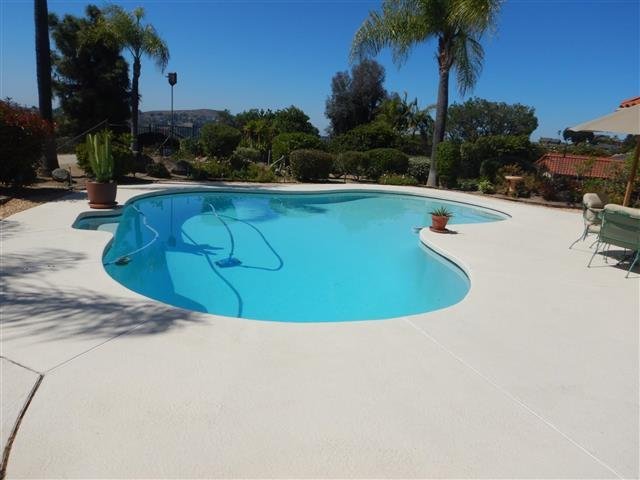
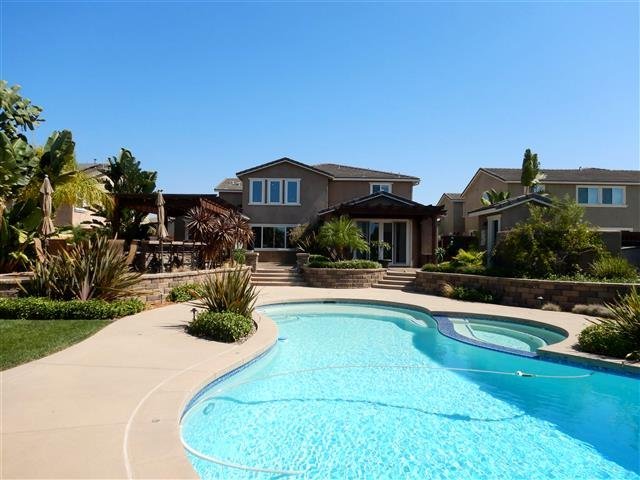
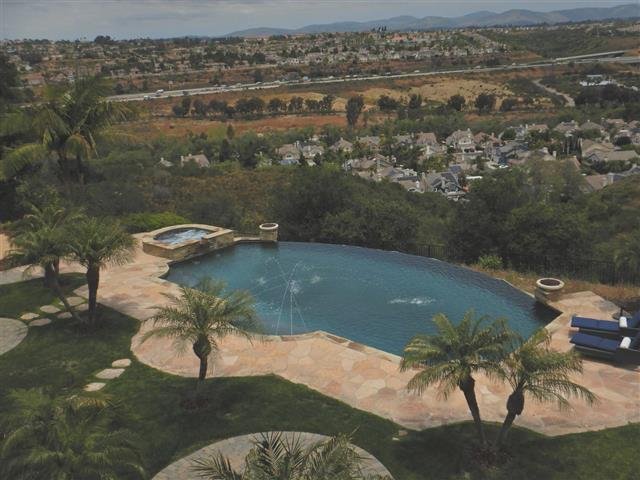
Pools, spas and equipment photographed during recent inspections.
More inspections in Jamul
- SB 326 balcony inspection in Jamul
- SB 721 exemption letter in Jamul
- Seller inspection in Jamul
- Warranty inspection in Jamul
- Home inspection in Jamul
Nearby and countywide
Were You Happy With Your Inspection?
We are proud of our 4.9-star rating across 100+ Google reviews. If Joseph and the team did right by you, a quick Google review helps other San Diego County buyers and sellers find us.