
Seller's Pre-Listing Inspection in Jamul, CA
A Jamul listing lives or dies on the things city sellers never think twice about: where the water comes from, where the waste goes, what feeds the heat, and whether the parcel reads as ready for fire season. Those four answers belong to you before the sign goes in the yard — not to a buyer's inspector after they're already in contract and looking for reasons to claw back price. A seller's pre-listing inspection flips the order. I run the full inspection for you, ahead of the offer, so every finding is yours to handle before it becomes a credit you're negotiating away.
I'm Joseph Romeo. I've worked backcountry property across east San Diego County for more than two decades, including the large lots off Skyline Truck Trail, the parcels down Lyons Valley and Honey Springs, and the homes ringing Jamul Indian Village along Highway 94. A pre-listing inspection is the same complete, InterNACHI Standards-of-Practice inspection a buyer would book — the only thing that moves is the timing and who reads it first. You get the report weeks ahead of listing, while you still have room to repair, gather bids, or disclose and price accordingly. Below: what the inspection reaches on a Jamul property, the rural conditions that actually decide your sale, the findings that recur out here, how the report works, and where my scope hands off. The Jamul home inspection hub handles the buyer side.
Call (619) 752-4399 Schedule an Inspection
What do I inspect on a Jamul property before it lists?
Nothing about a pre-listing inspection is trimmed down — it is the same full inspection, run to InterNACHI's Standards of Practice, that a buyer's inspector would perform. On a Jamul parcel, the rural systems simply carry more weight, and they get documented for you first:
- Roof and exterior — covering, flashing, eaves, and fascia, read against Jamul's hard inland sun and the wind that whips up the canyons
- Foundation and structure — slab, raised, and stepped foundations on hillside lots, evaluated over the decomposed-granite and boulder-strewn ground common across the area
- Electrical — main panel, grounding, branch circuits, plus the subpanels, well-pump feeds, and detached-building circuits that come with acreage
- Plumbing and water source — supply and drain materials, fixtures, the water heater, and on a well, the visible pump, pressure tank, and delivered pressure at the taps
- Propane and heating — there's no gas main out here, so I note the tank's placement, the visible supply line, and the furnace, wall heater, or stove it serves
- Interior, attic, and ventilation — windows, doors, insulation, attic access, and moisture, where a rural home's real condition tends to hide
You see exactly what a buyer's inspector will. I document observed condition with photographs; I do not bid the work or perform it, which is what keeps a seller-ordered report believable.
Which Jamul conditions decide whether your sale holds?
Out here a deal usually doesn't unravel over the kitchen. It unravels over the systems that come with rural backcountry living, and those are exactly what a buyer's inspector, appraiser, and insurer all bear down on. Getting them on paper first means you frame the conversation instead of reacting to it:
- The well: on a well-served Jamul lot, a buyer needs flow, recovery, and water quality settled before they'll commit, and a lender often agrees. I document the pump, pressure tank, and pressure at the fixtures during the inspection, so you can arrange flow and potability testing on your own calendar rather than scrambling under escrow.
- The septic system: no sewer reaches these parcels, so the tank and leach field are a headline buyer concern. I note surface signs, but the tank inspection and pump-out are a specialist's job I'll line up early — a tired field discovered mid-escrow is a classic backcountry deal-breaker.
- Wildfire and the WUI: Jamul sits in the wildland-urban interface, and the 2007 Harris Fire is still in living memory for insurers here. Roof condition, ember-resistant vent screening, and defensible space increasingly govern whether a buyer can even bind a policy.
- Decomposed granite and rock: the DG soils and granite outcroppings move water fast and shift over time, surfacing as foundation cracks, settled flatwork, and grading that aims runoff at the house.
- Propane on the lot: tank distance from the structure, the visible supply line, and the appliances it feeds are all items a buyer checks on a rural property and never on a city one.
What recurs on Jamul homes I inspect before listing?
Run enough pre-listing visits across Jamul and the same items keep surfacing. Each one is far cheaper to handle now, on your terms, than as a buyer's repair demand after you've signed an offer:
- Strained well equipment — pressure tanks past their service life, pumps that short-cycle, and pressure that sags at the far fixtures, all of which a buyer will want tested and explained
- Septic warning signs — damp ground or odor over the leach field, or a system long overdue for service, which I flag for a specialist before it stalls escrow
- Sun-spent roofs — Jamul's dry inland heat ages composition shingle quickly, so a roof can read shorter on remaining life than its age alone suggests
- Movement on granite soil — foundation cracking and settled flatwork that look alarming to a buyer until they're documented and put in proper context
- Defensible-space and venting gaps — unscreened eave and attic vents and brush crowding the structure, the kind of thing an insurer can hang a coverage decision on
- Dated electrical and propane gear — older panels, detached-structure feeds, and aging propane appliances that inspectors reliably write up
My job is to separate the genuine deal-killers from the cosmetic and the old-but-sound, so your repair budget lands where it actually protects your number.
How does the visit run and what lands in your report?
It begins with a call to (619) 752-4399 or an email with your Jamul address and a target listing date. On acreage, lead time matters — well-flow tests and septic service both take scheduling — so we aim to inspect early enough that you can act on whatever turns up, ideally several weeks out.
On site I move through the property the way a buyer's inspector will: roof and attic, panel and water heater, the well pump and pressure tank, the propane tank and its run, then the interior, exterior, and site grading. I point things out as I go and talk through what a buyer is likely to fixate on versus what's minor — you get the reasoning behind each call, not just a box checked.
The deliverable is a full HomeGauge report with photos and plain-language notes on condition, usually same day or the next, in hand before your listing goes live. Put it to work three ways: as a punch list to repair from on your own schedule, as a disclosure document, or as a clean copy you hand buyers and agents to discourage a second inspection and the lowball credits that follow one. I report observed condition only — no bids, no repairs — which is what keeps the report independent in a wary buyer's eyes. Where an item needs a specialist, like well flow, septic certification, or a pest evaluation, I'll say so and coordinate the right licensed pro.
Why do Jamul sellers and their agents make the call?
A pre-listing report is only worth the judgment standing behind it — knowing whether a crack in granite soil is cosmetic or structural, or whether a pressure tank is simply old versus on its way out. I'm an InterNACHI Certified Professional Inspector (CPI) and I carry a California CSLB General Contractor license (#1113143). That builder's side is where a seller gets the most value: when I flag something on your Jamul home, I can tell you whether it's a weekend fix or a real project before you choose to repair, disclose, or price it in.
- 20+ years and 10,000+ inspections across San Diego County, including Jamul's hillside acreage and its well-and-septic backcountry parcels
- 4.9 stars across 106 Google reviews
- Independent and conflict-free — I don't sell repairs, so nothing in the report points toward work I'd profit from, which is precisely what makes a seller-ordered inspection credible to a cautious buyer
When a finding needs a specialist before you list — a well, septic, or propane pro — I coordinate or refer the right licensed trade rather than pretend the standard inspection covers it. Reach me at joe@sandiegohomeinspection.com or the number above.
Which inspections pair well with your Jamul listing?
The pre-listing inspection covers the whole house, but a few targeted add-ons answer the questions Jamul buyers raise most often — settling them up front keeps a rural escrow from snagging:
- Sewer / septic-line scope: a camera run down the line the standard inspection can't see inside, useful where mature oaks and granitic soil work against buried laterals
- Roof inspection: a closer read on remaining service life when the pre-listing walk shows a roof worn thin by Jamul's inland sun
- Thermal / infrared imaging: surfaces hidden moisture behind walls and around fixtures before a buyer's inspector finds the stain first
- Foundation and slab evaluation: a focused look when granite-soil movement shows in the cracking or flatwork
- Well and septic coordination: flow, recovery, and tank service arranged with licensed specialists ahead of escrow instead of during it
Not sure what your listing actually needs? Send the address and timeline and I'll tell you what's genuinely worth doing — see all inspection services we offer or get a quote through contact.
Jamul Seller's Pre-Listing Inspection FAQs
What does a seller's pre-listing inspection cost in Jamul?
Do you test the well and septic on Jamul acreage?
Is a pre-listing inspection the same scope as a buyer's inspection?
Will a pre-listing inspection help my Jamul home sell?
Do I have to fix everything found before listing?
Does wildfire risk affect selling a home in Jamul?
Pre-listing documentation
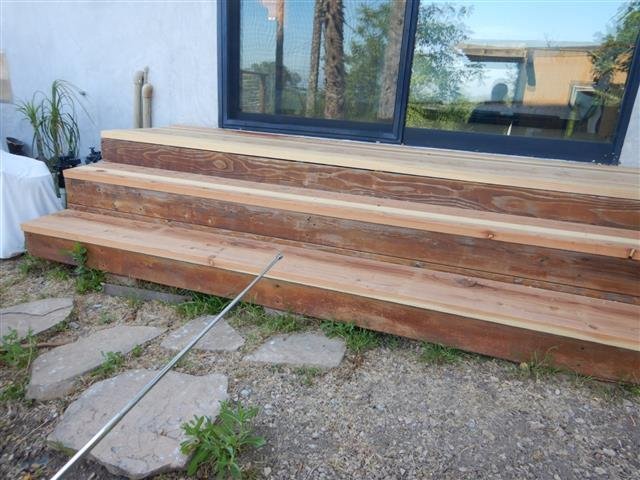
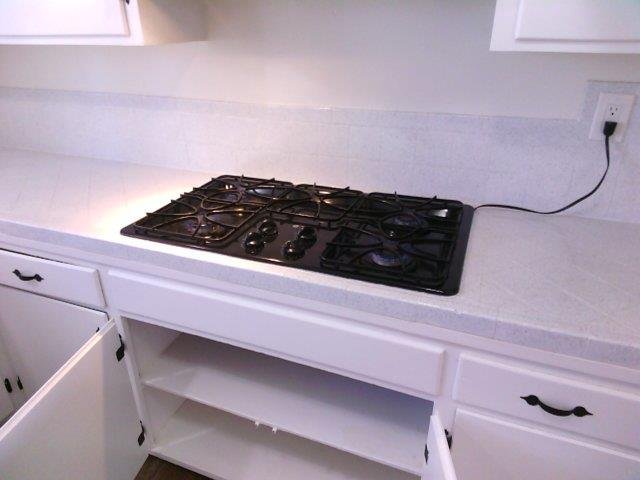
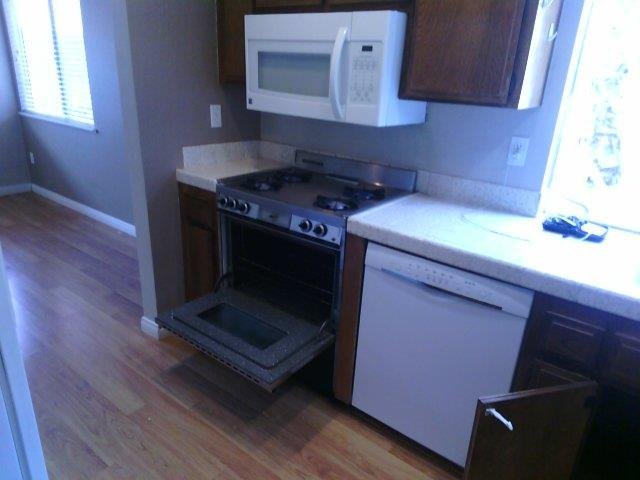
Pre-listing inspection photos from across San Diego County.
More inspections in Jamul
- Thermal imaging in Jamul
- Foundation slab survey in Jamul
- SB 721 balcony inspection in Jamul
- SB 326 balcony inspection in Jamul
- Home inspection in Jamul
Nearby and countywide
Were You Happy With Your Inspection?
We are proud of our 4.9-star rating across 100+ Google reviews. If Joseph and the team did right by you, a quick Google review helps other San Diego County buyers and sellers find us.