
SB-326 Balcony Inspection in Jamul, CA
SB-326 is the elevated-element law written for condominium associations and common-interest developments, and if you serve on a board or manage property out in Jamul, it lands on you rather than your owners. The statute makes any association with three or more attached multifamily units have its load-bearing Exterior Elevated Elements (EEE) — the balconies, raised walkways, and exterior stairs people stand on — plus the waterproofing under them inspected by a licensed professional every nine years. The first cycle closed January 1, 2025. Around Jamul that touches the attached townhome and condo pockets near the Jamul village commercial node along Highway 94 and the handful of HOA-governed clusters tucked into the surrounding ranchland.
My name is Joseph Romeo and I run these association inspections in Jamul personally. SB-326 work is a licensed visual review of a representative random sample of your raised decks, stair flights, landings, and the membranes shielding their framing, written up for the board, the management company, and the reserve analyst. It is a different animal from a buyer's home inspection, and it is not the apartment-side SB-721 process — the SB-326 report lives with the association and drives the reserve study. Below I lay out the scope, how Jamul's backcountry conditions wear on exterior wood, the defects I keep grading here, and the way the finished report reaches your board. For everything outside the balcony mandate, the Jamul home inspection hub is the place to start.
Call (619) 752-4399 Schedule an Inspection
Which elements does SB-326 put under review in Jamul?
The law is narrow on purpose. It targets the wood-framed assemblies that carry people and the waterproofing that keeps those assemblies dry, generally where they sit more than six feet off the ground. On a Jamul association I pull a representative random sample from each of these categories:
- Private unit balconies and elevated decks — the framing joists, the ledger connection where the deck fastens to the wall, support posts, and the deck surface itself
- Raised walkways and breezeways feeding the upper units of Jamul's attached townhome and stacked-condo layouts
- Exterior stairways with their landings — stringers, posts, treads, and the connectors anchoring the run back to the structure
- Railings on every raised element — tested for solid anchorage and whether they still hold up under a genuine push, since the fall risk sits with the association
- Tied waterproofing — the deck membranes, surface coatings, metal flashing, sealant joints, and drainage that SB-326 explicitly bundles with the EEE
The sample has to be sized so the findings fairly stand in for every element of that kind across the project. I run the review visually as the default, and where what I see suggests rot or damage out of sight, the statute lets me call for opening a limited area to verify the framing. Each sampled element gets a condition grade, photo documentation, and language built for the reserve study. My role ends at inspect-and-report; the engineering or repair design is something I coordinate to a licensed specialist, not something I take on myself.
How does Jamul's backcountry climate work on exterior wood?
Jamul is rural east-county terrain — large parcels, oak-and-chaparral hillsides, decomposed-granite ground, and a temperature swing that the coastal condo stock never sees. That setting drives a wear pattern I keep front of mind on every SB-326 walk here:
- Wide day-to-night temperature swings: the backcountry heats hard by afternoon and cools sharply after dark. Coatings and sealants expand and contract through that daily cycle, and the repeated movement fatigues the membrane joints that are supposed to keep a shared deck watertight.
- Wildland-urban interface exposure: Jamul sits squarely in fire country, and the undersides of decks, wood stair runs, and breezeway corners double as ember traps. I flag combustible buildup and broken-down surfaces that matter to both the SB-326 scope and the association's defensible-space picture.
- Propane service routed near the EEE: most Jamul properties run on propane, not piped utility gas. Tanks, regulators, and supply lines that pass beneath balconies or alongside exterior stairs are worth the board's eyes even though they sit next to the EEE mandate rather than inside its letter.
- Well and septic moisture at grade: with well-fed irrigation and leach fields keeping the soil damp around post bases and stair-stringer footings, the concealed decay that a passing glance never catches gets a steady supply of moisture.
- Decomposed-granite settlement: the loose DG soils common here shift under landings and walkway slabs, flattening the drainage slope so water sits against framing instead of running off.
Which defects do I keep grading on Jamul decks and stairs?
On Jamul's townhome rows and ranchland HOA projects the failures tend to surface in a familiar sequence. A board that recognizes the order can fund the right reserve line deliberately instead of scrambling when an element comes back graded for action:
- Weather-checked deck coatings — cracked, blistered, or chalked membranes on balconies and breezeways aged past their service life by the daily thermal cycling
- Opened sealant at wall ties and post bases — the first joint to surrender once a wet season has worked at it, and the entry route I trace most often
- Hidden ledger and rim rot where water has tracked behind paint that still looks sound at the deck-to-building connection — the single defect SB-326 was written to catch
- Rusted hangers, lag bolts, and post anchors, corroding faster anywhere irrigation or a leach field keeps the wood wet
- Loose railings on balconies and shared stairs that no longer take their rated load — a recurring safety grade on Jamul association sites
- Standing water on landings and walkways where DG settlement has killed the slope and left puddles against the framing
- Clogged deck drains and breezeway pockets packed with debris that traps moisture and, out here, also feeds embers
I keep a clear line between cosmetic age and a real structural or safety defect, and I photograph both so the board and the reserve analyst are reading evidence rather than my opinion.
How does the job run and what lands on your board's desk?
It opens with a call to (619) 752-4399 or an email carrying the association name, the Jamul address, the unit count, and a rough headcount of balconies, walkways, stair flights, and landings across the property. That tally fixes the representative random sample SB-326 requires and lets me scope the work and line up access — through the board or the management company — before I make the drive out.
On site I work each sampled element by hand: reading flashing and probing for soft wood at the ledger ties, checking coating and drainage across the walking surfaces, pushing on every railing to test anchorage, and inspecting stringers, posts, and connectors beneath the stairs and landings. Where the visual pass turns up a warning sign — a stain, a spongy spot, a failed seam — I'll recommend opening a small section to confirm the framing rather than guess at a buried connection. The statute permits it, and on Jamul's older attached stock that is precisely where a rotten tie would be hiding.
What you get back is a HomeGauge report that grades each sampled element, records the waterproofing condition, and supports every finding with photographs in the format your board and reserve analyst keep on file. SB-326 reports stay in-house with the association — there's no city filing step the way SB-721 carries one — and they feed straight into the reserve study and the nine-year cycle. I turn most of these around same day or next day. The report states observed condition and tells the board which elements need a licensed engineer or contractor and how soon; I don't design the repair or perform it.
Why do Jamul boards and managers bring me in?
SB-326 restricts who may sign the inspection to licensed architects, engineers, and qualified inspectors — and a bad grade hurts an association both ways. A missed rotten ledger is liability the board is left holding; a false positive is a special assessment nobody had to levy. I hold an InterNACHI Certified Professional Inspector (CPI) credential, and I also carry a California CSLB General Contractor license (#1113143). That builder's license is what these assemblies actually call for: I've framed and repaired the decks, ledgers, exterior stairs, and waterproofing I'm now grading, so when I flag a connection I know what sits behind the finish and roughly what the correction will pull from reserves.
- 20+ years and 10,000+ inspections across San Diego County, the Jamul backcountry and its attached HOA pockets included
- 4.9 stars from 106 Google reviews
- Independent and conflict-free — I document condition and don't bid the repairs I write up, so no grade is bent toward work I'd profit from, which is exactly the posture a fiduciary board should want behind the report
For the structural design and the work the report calls out, I coordinate or refer the appropriate licensed engineer or contractor instead of pretending the inspection already covers it. Reach me directly at joe@sandiegohomeinspection.com or the number above.
Which companion inspections suit Jamul associations?
SB-326 settles the condo balcony question. If you govern or manage a Jamul common-interest development, a few related services are worth rolling into the same trip out the hill:
- SB-721 balcony inspection: the matching EEE law for rental apartment buildings — if any slice of your Jamul holdings is multifamily rental rather than an HOA condo, that standard governs it instead
- Roof inspection: the common-area roof membrane and flashing feed the same waterproofing system that guards your upper walkways and balconies, and they age together out here
- Thermal / infrared imaging: to pin down moisture trapped under deck coatings and at ledger ties before anything gets opened up
- Whole-building condition assessment: roof, electrical, plumbing, and structure when the board wants a fuller read for the reserve study rather than the elevated elements alone
- Sewer scope: a camera run through the shared laterals on older Jamul condo lots — outside the EEE scope entirely, but a line that fails on the association's dime when it goes
Not sure which of these fit your project? Send the association name, the Jamul address, and a sense of how many elevated elements it carries, and I'll tell the board what's genuinely worth booking before any reserve dollars get committed. You can browse all inspection services or pull up the fee schedule.
Jamul SB-326 Balcony Inspection FAQs
Is my Jamul HOA actually subject to SB-326?
What was the SB-326 deadline, and what happens now?
Why doesn't every balcony get inspected under SB-326?
Do Jamul's backcountry conditions really matter for these decks?
Does the SB-326 report get filed with the county or a city?
What will an SB-326 inspection run for a Jamul association?
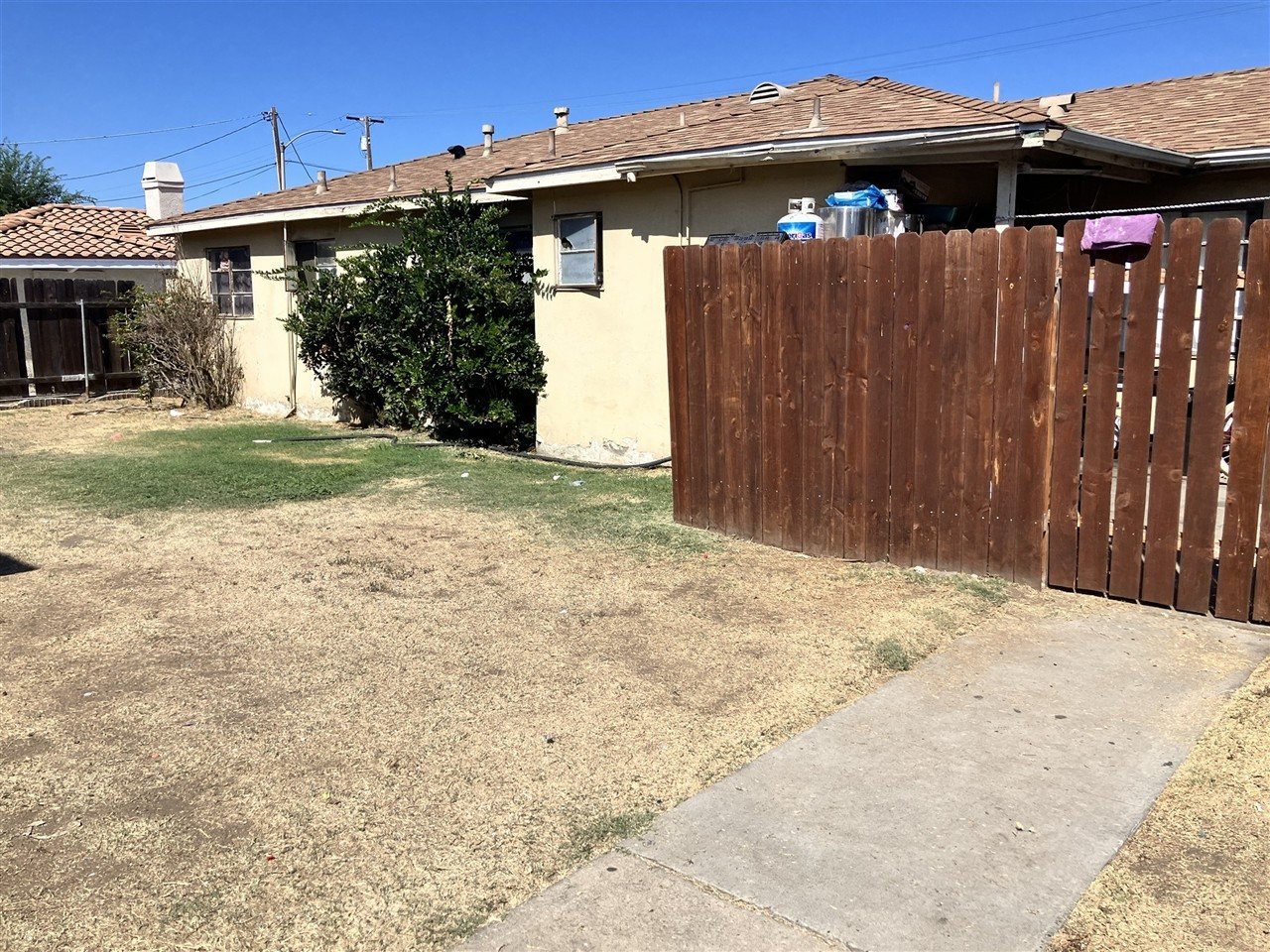
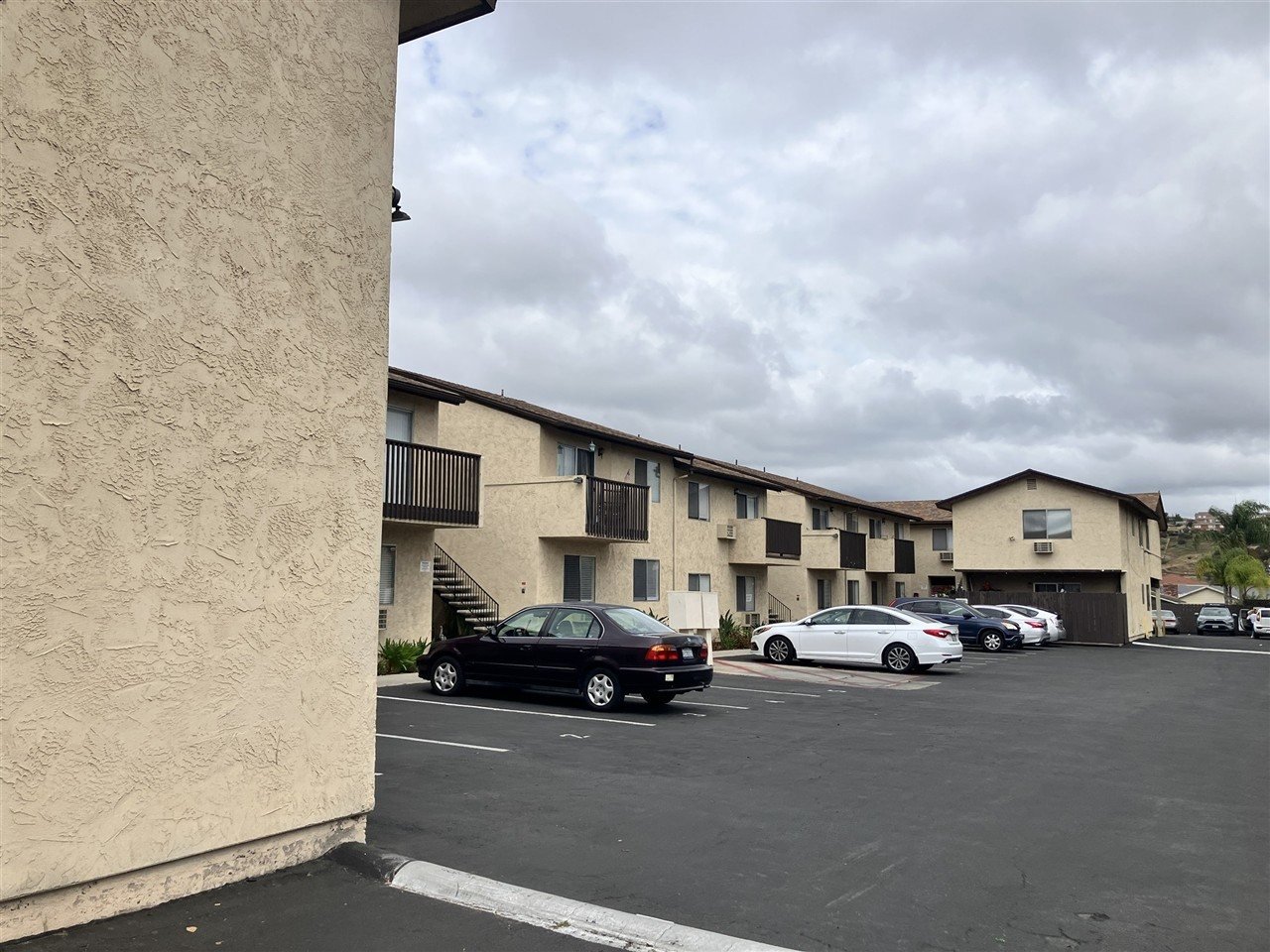
HOA properties we inspect
Condominium properties documented for SB 326 balcony compliance across San Diego County.
More inspections in Jamul
- SB 721 balcony inspection in Jamul
- SB 721 exemption letter in Jamul
- Seller inspection in Jamul
- Warranty inspection in Jamul
- Home inspection in Jamul
Nearby and countywide
Were You Happy With Your Inspection?
We are proud of our 4.9-star rating across 100+ Google reviews. If Joseph and the team did right by you, a quick Google review helps other San Diego County buyers and sellers find us.