
Sewer Scope Inspection in Jamul, CA
Out here in Jamul, the drain line that should worry a buyer almost never reaches a street. On a parcel off Lyons Valley Road, a custom home up Skyline Truck Trail, or acreage out toward Honey Springs and Dulzura, the waste line leaves the house and heads for a buried septic tank somewhere on the property. That run threads through decomposed-granite ground, often passes beneath oaks and chaparral, and sits on a parcel measured in acres rather than feet — and no part of a standard walkthrough ever looks at it. When it fails on a rural lot, there's no municipal crew and no shared main; the repair is entirely yours.
I'm Joseph Romeo. A sewer scope is the only test that reads that buried line before the close. I push a waterproof, self-leveling camera in from a cleanout and drive it toward the septic tank inlet — or the main, on the handful of connected lots — while the whole pass records to video. You see what I see on the monitor: the pipe material, every joint, where roots have forced their way in, and whether the line moves waste or holds it. This page is about that pipe under the dirt; the Jamul home inspection hub handles the house standing over it.
Call (619) 752-4399 Schedule an Inspection
What does the camera read on a Jamul waste line?
On a typical Jamul home the camera tracks the lateral from the house out to the septic tank inlet — a route that bends and dips across the lot rather than running straight to a curb. During the home inspection I'll watch sinks and tubs empty, but a slow drain never reveals whether the trouble is a clog at the trap or sixty feet of cracked clay buried beyond the foundation. The scope is what settles it. Feeding in from a cleanout, I capture on recorded video:
- Pipe material — vitrified clay, cast iron, Orangeburg (the old compressed tar-fiber pipe), or newer ABS/PVC, which is the clearest indicator of how many years the line has left on a Jamul property
- Root intrusion — the fine feeder strands and full root balls that thread into the joints, the leading discovery where oaks and chaparral shade the run to the tank
- Bellies and low spots — settled dips in granular soil where effluent stands rather than carrying downhill to the tank
- Cracks, fractures, and shifted joints — broken pipe wall and sections nudged out of line with each other by ground that moves on a grade
- Corrosion, scale, and patchwork repairs — the channeling that eats out an old iron run from inside, plus the rough tie-ins where prior owners spliced new pipe into old
I document what the line is actually doing, on video, and stop there. I don't dig, hydro-jet, or repair anything, and the tank and leach field are their own specialty — I scope the pipe up to the tank inlet and bring in a licensed septic pro or plumber for the rest.
Why are Jamul backcountry lines worth scoping?
Whatever is buried under a Jamul lot was shaped by septic plumbing, granular foothill soil, and how long the place has weathered out here in the WUI. These are the local reasons the camera pays for itself:
- Septic across nearly the whole community: almost every Jamul home runs to a private tank, not a public sewer. The line into that tank is what the scope reads, and a single root mass or sag will back the house up regardless — with the entire bill landing on the owner, since there's no city main to share.
- Decomposed granite that shifts and erodes: Jamul sits on DG and rocky foothill ground that drains quickly but creeps, washes, and settles on a slope. That movement is exactly what drops a pipe section into a belly or tilts a joint into an offset — the same forces that loosen a propane-tank pad or a retaining wall are working on the lateral beside it.
- Mature oaks and heavy chaparral: the native oaks and decades of plantings on these large parcels are aggressive, thirsty root systems, and on acreage the run to the tank can pass directly beneath them. Roots find any seeping joint in a clay line.
- Older custom and ranch homes: many Jamul houses pre-date the mid-1970s and were plumbed in clay or cast iron, with Orangeburg turning up in certain mid-century builds. Clay fractures and admits roots, cast iron scales closed, Orangeburg deforms and collapses — and none of it shows at a faucet.
- Long runs and elusive access: on a multi-acre backcountry parcel the line to the tank can stretch a long way and the cleanout may be buried, capped over, or never installed. Learning that before the contingency lifts is half the reason to scope early.
What does the footage usually show on Jamul parcels?
Across the ranch homes, custom builds, and backcountry acreage I scope around Jamul, the video settles into a familiar pattern. Reading it before you release your contingency lets you fold the cost into your offer rather than meeting it your first month as owner:
- Roots packed into clay joints — from a few strands still passing water to a mass choking the run, almost always tied to the oaks over the line; the find I expect most here
- Bellies in granular DG soil — standing water mid-run where settlement dropped a section, so waste pools and the slow backups begin
- Orangeburg gone oval — the tar-fiber pipe flaking and deforming into an egg shape, a line effectively on borrowed time
- Cast iron channeled out — the floor of an aging iron run corroded into a trough with scale pinching the flow above it
- Separated and offset joints — sections shoved out of alignment by moving ground, snagging paper and inviting still more root
- No reachable cleanout — common on older Jamul homes re-plumbed piecemeal, which I flag because it complicates any future service
None of this is an automatic deal-killer. The report draws a clear line between an old-but-flowing pipe you simply keep an eye on and a collapsed run to the tank that needs a plumber now — so your negotiating number tracks what actually drives the cost.
How does the scope go and what report do you receive?
It begins with a call to (619) 752-4399 or an email carrying the Jamul address and a few notes on the home — roughly its age, that it's on septic (almost all are), and whether you know of a cleanout. That lets me locate access ahead of time, which matters when the property is a drive out into the backcountry. The scope normally rides along with the full home inspection on the same trip so you're not paying for two separate visits to a remote parcel.
On site I find a cleanout or a workable entry point, feed the camera in, and drive the line toward the tank inlet — or the main, on a connected lot — while it records. You're welcome to stand at the monitor with me. Watching root spill from a joint or water sit in a belly as it happens tells you more than any written line, and it's the moment we sort the urgent from the merely worth watching. If the home has no reachable cleanout — not unusual on older Jamul places — I'll walk you through the options before we start so nothing turns into a day-of surprise.
What you get is a HomeGauge report with the recorded video, still captures of the key spots, the pipe material identified, and each problem called out plainly and pinned to its location along the run. In most cases it reaches you same day or next day, packaged so you can hand the footage straight to a plumber for a repair bid.
Why do Jamul buyers and agents bring me out?
A scope is only worth as much as the read on the screen — separating a few feeder roots from a structural collapse is judgment, not just footage. I'm an InterNACHI Certified Professional Inspector (CPI) and I hold a California CSLB General Contractor license (#1113143). That contractor's background is what lets me tell you whether a finding points to a one-time root cut, a localized spot repair, or a full dig-and-replace out to the tank — so you head into negotiations knowing which one you're dealing with.
- 20+ years and 10,000+ inspections across San Diego County, including Jamul's large rural parcels and custom backcountry homes on septic
- 4.9 stars across 106 Google reviews
- Independent and conflict-free — I document the line's condition and never dig, jet, or bid the work, so nothing on the video is angled toward selling you a repair
When the line needs clearing or replacement, I refer a licensed plumber who can quote straight off the footage, and I coordinate a septic specialist for the tank and leach field it drains into. Reach me directly at joe@sandiegohomeinspection.com or the number above.
Which related inspections suit Jamul properties?
The sewer scope clears up one buried question. On a Jamul property — usually acreage, often a drive out into the WUI — a handful of companion inspections are worth folding into the same trip:
- Full home inspection: everything above the line — roof, electrical, plumbing, HVAC, and structure — run the same day; start at the Jamul home inspection hub
- Well and septic coordination: since nearly every Jamul home is on septic and many draw from a private well, I scope the pipe to the tank inlet and refer a licensed specialist for the tank, leach field, and well evaluation
- Thermal / infrared imaging: surfaces hidden moisture from a slab leak or a drain backing up beneath the floor
- Foundation and slab review: valuable when the same DG movement that bellies the sewer line also shows in the slab, stem walls, and retaining structures on the grade
- Roof inspection: Jamul's inland sun, wind, and wildfire exposure age these roofs hard, and the inspection pairs naturally with a same-trip scope
- Propane and heating systems: standard out here where homes run on propane rather than piped gas, reviewed as part of the broader home inspection
Not sure what your address calls for? Send it with the home's age and I'll tell you which of these genuinely apply — see all inspection services we offer or request a quote through contact.
Jamul Sewer Scope Inspection FAQs
What does a sewer scope inspection in Jamul cost?
Almost every Jamul home is on septic. Can you still scope it?
Does an older Jamul ranch or custom home really need a scope?
What if the Jamul property has no accessible cleanout?
Will the scope tell me what my pipe is made of?
Do you clear the roots or fix the line if you find a problem?
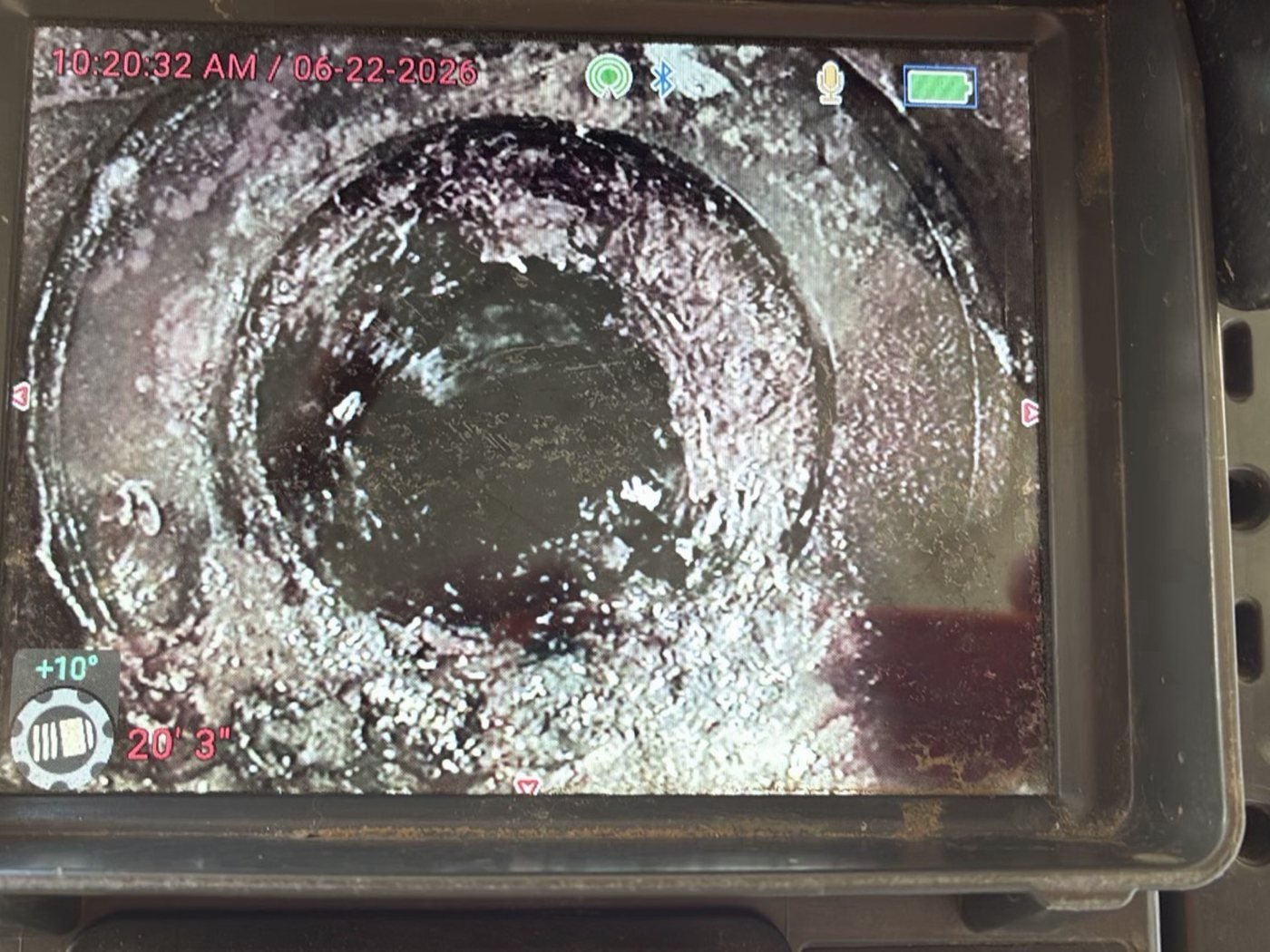
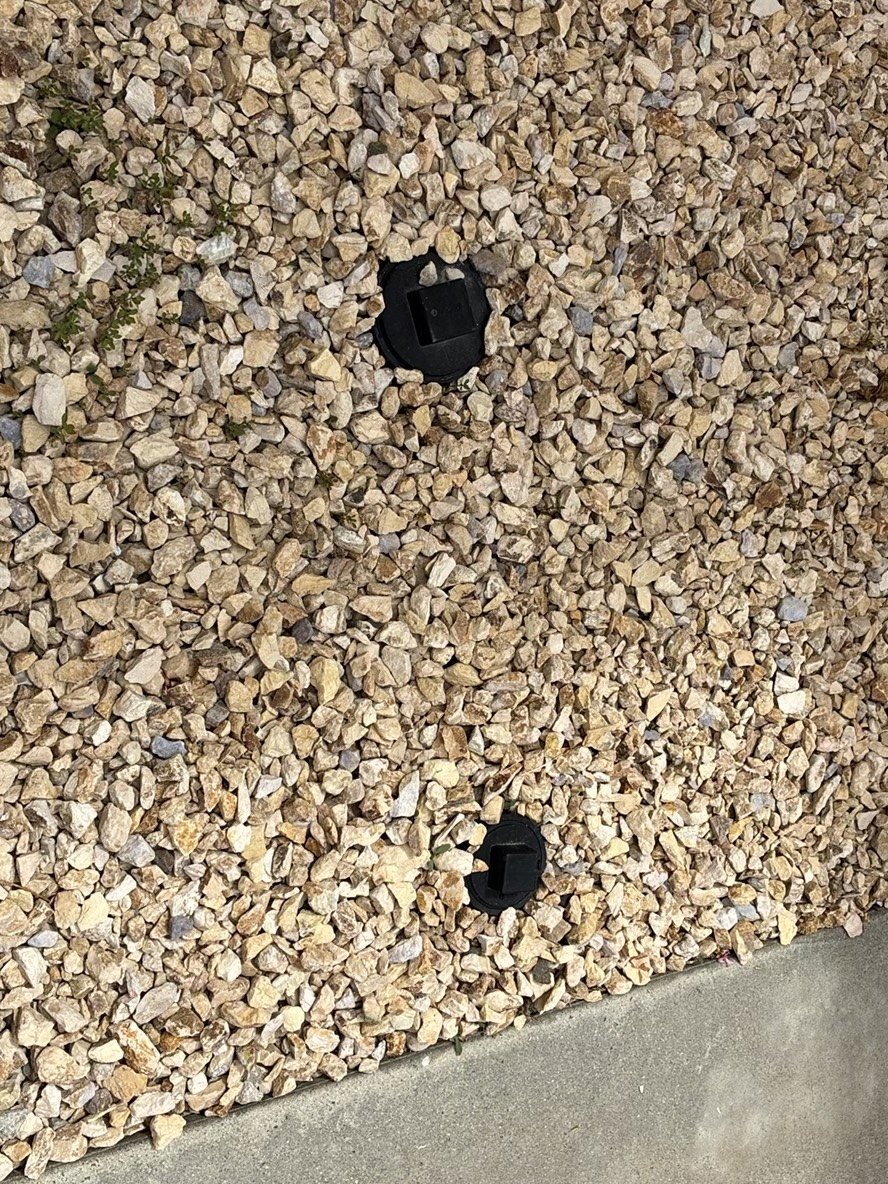
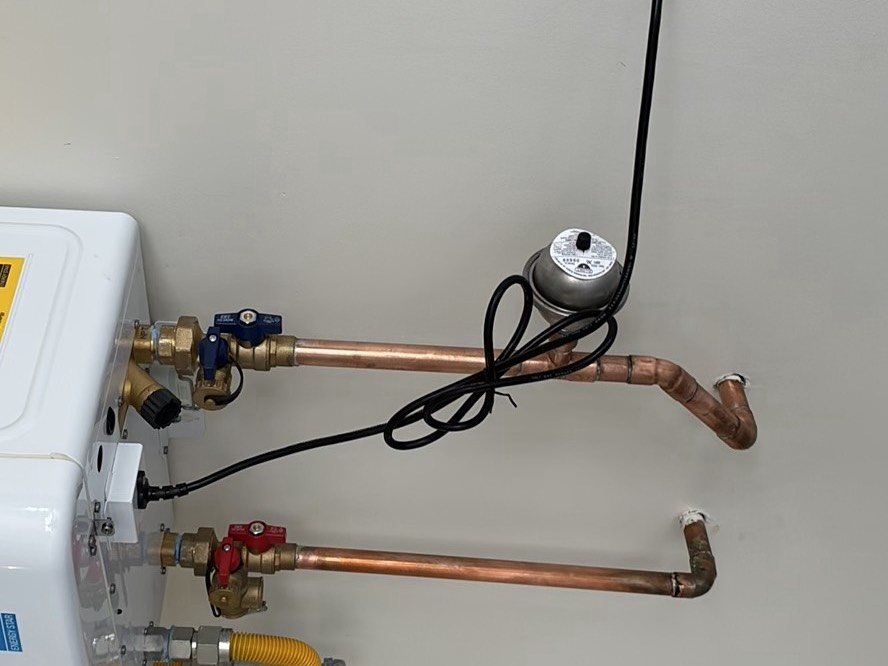
What the camera sees
Sewer scope documentation from recent San Diego County inspections.
More inspections in Jamul
- SB 721 exemption letter in Jamul
- Seller inspection in Jamul
- Warranty inspection in Jamul
- Commercial roof cleaning in Jamul
- Home inspection in Jamul
Nearby and countywide
Were You Happy With Your Inspection?
We are proud of our 4.9-star rating across 100+ Google reviews. If Joseph and the team did right by you, a quick Google review helps other San Diego County buyers and sellers find us.