
Foundation & Slab Inspection in Jamul, CA
Jamul properties sit on big rural parcels east of the suburbs, where the ground tells its own story. Homes spread out along Skyline Truck Trail, Lyons Valley Road, and Steele Canyon stand on decomposed granite over hard metavolcanic and gabbro rock, with custom houses perched on graded benches carved into the hillsides. A horse property on ten acres, a 1970s slab ranch near the highway, and a newer post-tension build above Otay Lakes each rest on the dirt in a different way — and each leaves its own fingerprint on the concrete when the soil shifts. The real question every Jamul buyer or owner brings me is simple: did this house move, is it still moving, and does the movement matter?
I'm Joseph Romeo. A foundation & slab inspection is a targeted visual read of where your Jamul home meets the earth. I name the foundation type — poured slab, a raised floor over a crawlspace, or a post-tension slab on the newer custom lots — and I catalog the distress that movement creates: cracks in the slab and stem walls, floors that pitch, doors and windows that drag, drywall splitting at the corners, and the grading, drainage, and soil moisture feeding it. I describe what I see in plain language, and where a finding signals active structural movement I bring in a licensed structural engineer for certification or repair design. The Jamul home inspection hub handles everything else on the property.
Call (619) 752-4399 Schedule an Inspection
What does a Jamul foundation & slab inspection cover?
This is a visual condition assessment. I don't drill cores, trench the soil, or run load calculations — I read the foundation and the structure riding on it for the telltale pattern backcountry ground leaves behind. On a Jamul lot the starting point is always the foundation type, because each one breaks down on its own terms:
- Slab-on-grade — the poured pad beneath most of Jamul's ranch-era and tract-style homes. I scan the exposed slab edge and stem walls for cracking, separation, and any clue the pad has lifted or dropped.
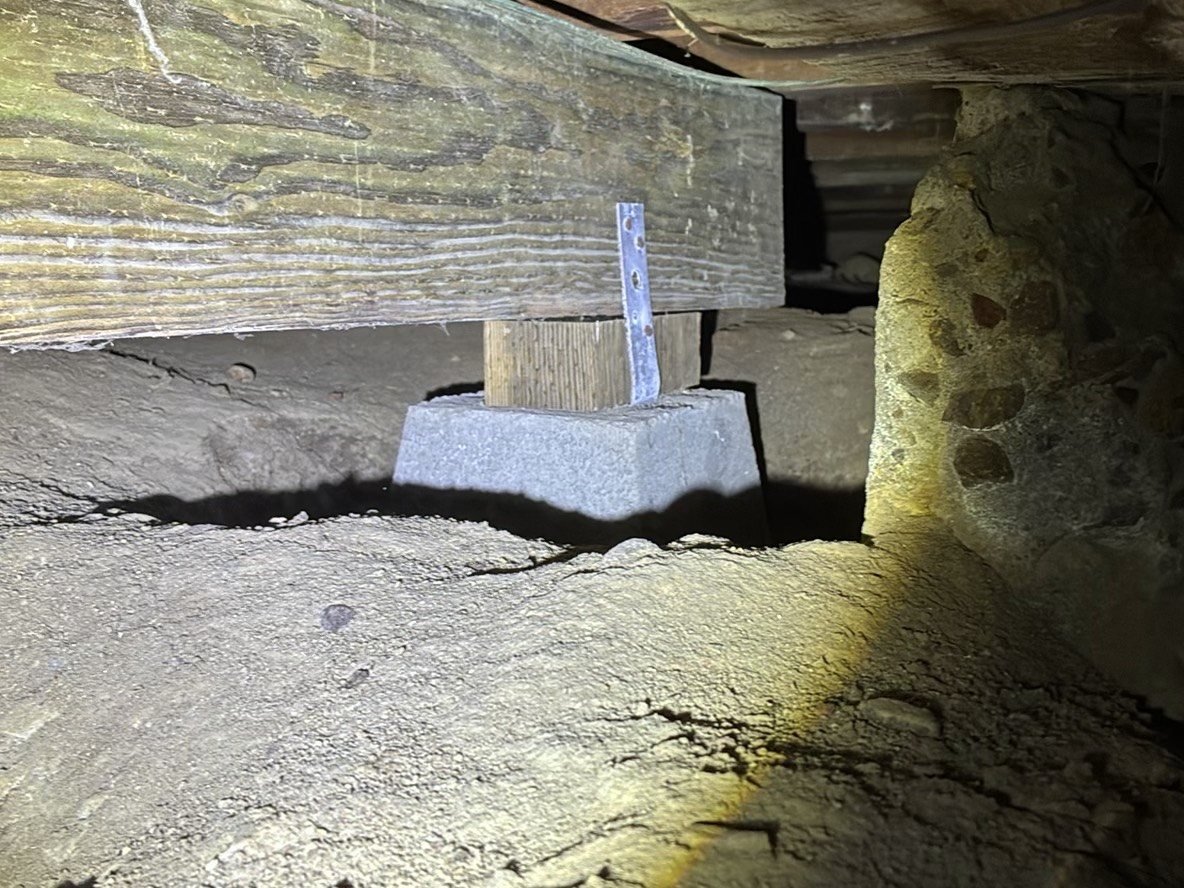
- Raised over a crawlspace — typical of the older homesteads and rural builds on acreage. Where I can get underneath, I read the piers, posts, girders, and mudsill for shifting, decay, and weak support — and on these remote parcels I keep an eye out for the rodent and snake activity that comes with backcountry crawlspaces.
- Post-tension slab — common on Jamul's newer custom and semi-custom homes. I flag it on sight, since the cables threaded through the pour dictate how any crack can be handled.
From there I trace the record the soil writes through the house: the width, direction, and offset of slab and stem-wall cracks; floors that tilt or feel springy; doors and windows that jam or won't catch; and the diagonal drywall cracks that run off opening corners. Just as telling, I read what is driving the movement — how the building pad is graded, where roof and surface water runs on a lot with no curb or storm drain, and whether a leach field, a well line, or hand-watering is keeping one patch of soil soaked. You leave with a documented read on observed condition. I don't certify the foundation, and I don't design the fix.
How do backcountry ground, slopes, and acreage shape what I find?
You can't judge a Jamul foundation without judging the land it stands on, and this stretch of east county hands you conditions the coast never sees. Here's what I'm weighing on every call out here:
- Decomposed granite that creeps: Most of Jamul rides on DG over fractured bedrock. It drains quickly, but on any grade it slides slowly downslope and washes out, so a foundation set into or below a hillside feels that steady tug — the cracking tends to run with the fall of the land.
- Cut-and-fill benches: Plenty of Jamul custom homes occupy a pad notched into one side of a slope and built up with fill on the other. When the fill half settles more than the cut half, the crack pattern and the gaps over the doors tell me which side is sinking.
- Well and septic, never city water: Jamul runs entirely on private wells and septic systems. A leach field, a weeping well line, or irrigation clustered near the house can saturate one band of soil while the rest stays bone dry — and that lopsided moisture is the classic engine of differential movement on these lots.
- Wildfire WUI exposure: Jamul sits deep in the wildland-urban interface, and a burn strips the slope of the roots holding the dirt in place. The wet season that follows can drive sharp erosion and slope failure that work against a downhill foundation, so on post-fire parcels I read the grade above and below the house closely.
- Propane, outbuildings, and big lots: Acreage means detached garages, barns, and casitas — each on its own footing — plus a buried propane tank and long water runs. More structures and more buried lines mean more places for grading and drainage to push soil against concrete.
What findings show up again and again on Jamul lots?
Across Jamul's blend of hillside customs, slab ranches, and older homesteads on acreage, the findings cluster into a familiar set. Sorting cosmetic from structural before you waive a contingency or sign off on a repair is the whole reason for the visit:
- Differential settlement on graded benches — one corner dropping where a cut-and-fill pad has moved unevenly, with cracking and door gaps that taper toward the corner doing the sinking.
- Slab and stem-wall cracks — the thin shrinkage lines that come with age and concrete curing versus the wider, displaced cracks where one side has heaved or settled, which read very differently on DG.
- Pitched and uneven floors — visible dips and slopes, frequent on raised homesteads and on customs built into a grade.
- Binding doors and racked windows — units that stick or won't latch, telling me an opening has gone out of square as the foundation shifted.
- Crawlspace trouble on older homes — shimmed or settled piers, moisture and rot at the mudsill, undersized support, and the pest intrusion that comes with rural sites.
- Drainage and septic-fed moisture — gutterless roof runoff dumping at the foundation, grading that slopes water back toward the house, and leach-field or irrigation moisture soaking the dirt against the slab.
None of that automatically spells a failed foundation. A good share of what I document on Jamul homes is ordinary shrinkage or a drainage correction begging to be made. My job is to draw the line between the cosmetic and the items that point to real, active movement — and to call each one for what it is.
How do I run the inspection and what does the report deliver?
It opens with a call to (619) 752-4399 or an email with the Jamul address, the home's age, and what's prompting the look — a crack you've been watching widen, a door that suddenly drags, a floor that feels off, or an acreage lot you're under contract on. That backstory tells me where to dig in.
On site I confirm the foundation type, then work the house from both sides: the slab edge and stem walls, the crawlspace where one exists and I can reach it, the floors for pitch, the doors and windows for binding, and the walls and ceilings for the crack lines that map back to movement. Outside I walk the full perimeter and read the grading and drainage hard — on Jamul's DG slopes, and around a septic leach field, that's nearly always where the cause is hiding. Every finding gets photographed and written up.
You receive a HomeGauge report spelling out the foundation type, the conditions I observed, and a plain-language verdict on what's cosmetic versus what suggests active structural movement, with a photo behind every call. I deliver it same day or next day in most cases. Where the evidence earns it, I'll recommend a licensed structural engineer for certification or a repair design — I assess and document observed condition; I don't certify the foundation, engineer the fix, or perform the repair, and that separation keeps the read honest.
Who reads the foundation behind a Jamul inspection?
Joseph Romeo reads every Jamul foundation himself. A foundation call is where judgment counts the most. Flag a harmless shrinkage crack as a structural failure and you can blow up a deal; miss genuine movement on a hillside acreage lot and the bill comes due later, much larger. Telling them apart on Jamul's decomposed granite and graded benches is earned experience, not a box to tick. I'm an InterNACHI Certified Professional Inspector (CPI), and I carry a California CSLB General Contractor license (#1113143). That contractor background is exactly what lets me read a crack pattern for what it actually means — soil and drainage you can fix, or movement that needs an engineer.
- 20+ years and more than 10,000 inspections across San Diego County, including Jamul's hillside customs, its slab ranches, and the older homesteads scattered across the backcountry
- 4.9 stars from 106 Google reviews
- Independent, with no conflict — I don't sell foundation repair, underpinning, or drainage work, so nothing in the report steers you toward work you may not need
When a finding calls for it, I hand you off to a licensed structural engineer who can certify the foundation or design a repair around exactly what I documented — you're never left staring at a crack with no next move. Reach me directly at joe@sandiegohomeinspection.com or the number above.
Which related inspections suit Jamul properties?
Foundation movement seldom travels alone — the same soil and water that stress a slab tend to leave marks elsewhere on the property, and I can stack these around a single Jamul visit:
- Full home inspection: the whole-house evaluation this foundation read lives inside — begin at the Jamul hub if you're buying
- Sewer / septic-line scope: on Jamul's septic parcels the buried lines run through the same moving DG, so scoping the lateral to the tank catches offsets and root intrusion that also drive soil movement
- Thermal / infrared imaging: reveals hidden moisture along a foundation or beneath a slab that a leach field or poor drainage can leave behind
- Roof inspection: gutterless roof runoff is a top cause of the foundation moisture swings I find, and Jamul's wildfire exposure and sun make a roof's condition worth confirming
- Pool & spa inspection: common on Jamul's larger lots, where a leaking pool shell or deck drain can soak the soil against a nearby footing
Not sure what your parcel needs? Send the address and I'll tell you what's worth doing — browse all inspection services we offer or request a quote through contact.
Jamul Foundation & Slab Inspection FAQs
What does a foundation inspection cost in Jamul?
Are foundation cracks in a Jamul home always a problem?
Why do Jamul's hillside parcels cause foundation movement?
Does a well or septic system affect the foundation?
Do you certify the foundation or only inspect it?
I'm buying a custom home on a Jamul slope. What should I watch for?
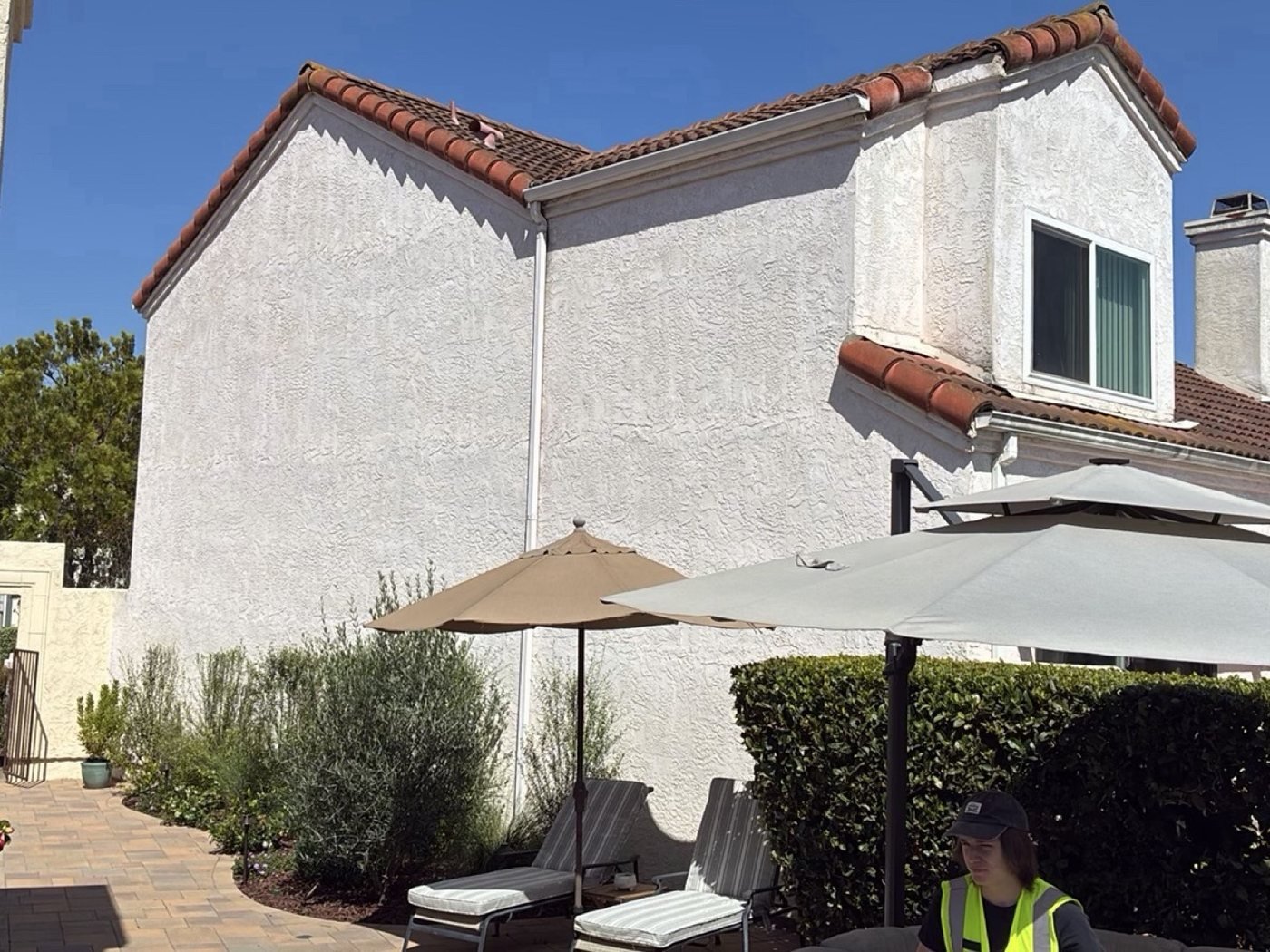
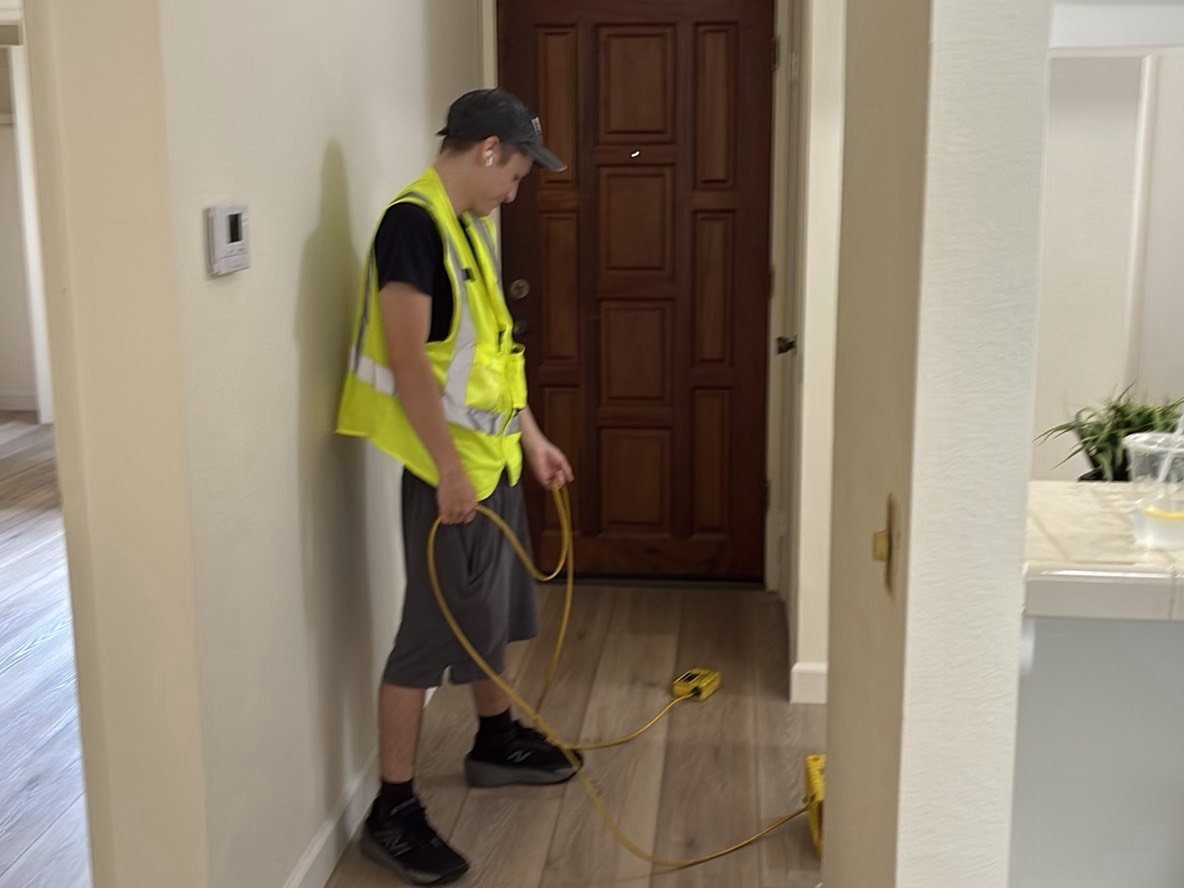
Slab surveys in action
ZipLevel altimeter measurements and foundation documentation from recent surveys.
More inspections in Jamul
- SB 326 balcony inspection in Jamul
- SB 721 exemption letter in Jamul
- Seller inspection in Jamul
- Warranty inspection in Jamul
- Home inspection in Jamul
Nearby and countywide
Were You Happy With Your Inspection?
We are proud of our 4.9-star rating across 100+ Google reviews. If Joseph and the team did right by you, a quick Google review helps other San Diego County buyers and sellers find us.