
Commercial Property Inspection in Jamul, CA
There is no downtown high-street in Jamul, and that is exactly why commercial due diligence here demands a different eye. The income property in this community is spread thin along Highway 94 — the roadside retail and service buildings near Jamul Drive, the small office and medical suites, the feed, equipment, and equestrian-support structures, the contractor and storage yards, and the larger pads tied to the casino and the Rancho Jamul commercial parcels. Nearly all of it sits on big rural lots running off a well, a septic field, and a propane tank rather than a meter and a sewer main. Underwrite one of these buildings like a coastal tilt-up and you will miss what actually costs money out here.
My name is Joseph Romeo, and I personally walk and write up Property Condition Assessment-style inspections on Jamul commercial buildings — for purchasers, 1031 exchange investors, landlords repositioning a lease, and tenants weighing a long term. Every walkthrough is built on the ASTM E2018 reference and delivers a photo-supported account of each building system and the life left in it. The Jamul home-inspection hub handles the residential side of the area; here I stay strictly on commercial — what I cover, the backcountry risks I lean on hardest, the report you receive, and where I hand off to a specialist.
Call (619) 752-4399 Schedule an Inspection
What do I walk on a Jamul commercial building?
Commercial work is more granular and more system-driven than a residential inspection, because a Highway 94 retail pad, a metal equipment building, or a mixed-use parcel is really several independent assemblies, each aging on its own schedule. On a Jamul property I examine, visually and hands-on wherever it is safe to reach:
- Roofing and membrane — the low-slope TPO, modified-bitumen, or built-up coverings on the roadside retail and office buildings, the standing-seam and corrugated metal common on Jamul's shop, barn, and equipment structures, plus parapets, terminations, drains, and ponding history
- HVAC, rooftop and split — the packaged RTUs on the commercial pads and the split and mini-split equipment on smaller suites, evaluated for age, refrigerant, curb and economizer condition, and actual field wear rather than the nameplate
- Electrical service and distribution — service capacity and configuration, occasionally three-phase on the larger shops and casino-adjacent buildings, the main disconnect, panels and subpanels, visible branch circuits, and the long rural feeders and on-site transformers typical out here
- Plumbing, water heating, and supply source — supply and drain lines, commercial water heaters, pressure tanks, backflow devices, and confirmation of whether the building draws from a private well or a small water district instead of municipal service
- Propane and fuel gas — the tank siting and clearances, the regulator, and visible lines that serve most Jamul commercial buildings where natural gas never reached
- Fire and life-safety — visible sprinkler heads and risers, alarm panels, extinguishers, exit and emergency lighting, reviewed visually rather than certified by a fire marshal
- Site, paving, and accessibility — asphalt, decomposed-granite drives and lots, grading and drainage, and a visual read of accessible parking, striping, signage, and path of travel
- Envelope and structure — stucco, masonry, and metal cladding, visible framing, and slabs, read for movement, separation, and water entry
This is a visual evaluation against the ASTM E2018 framework, not destructive or invasive testing. A Phase I Environmental Site Assessment and any engineered structural certification are entirely separate scopes — routine on Jamul's contractor yards, ag parcels, and former fueling sites — and I bring in or refer the appropriate licensed specialist for those.
Which rural Jamul factors get extra time on the walk?
Jamul's east-county geography, its WUI exposure, and its off-grid utilities shape a tight list of items that earn the most attention. These are where a Jamul transaction tends to unravel if nobody looked closely:
- Wildfire interface (WUI): almost the whole community sits in a very high fire hazard severity zone, and Jamul has burned before. On a commercial building I scrutinize ember-prone roof edges, eaves, and vent openings, brush and combustible storage crowding the structure, and the defensible-space gaps that drive commercial insurance pricing — or a refusal to write the policy at all.
- Well capacity and septic load: the great majority of Jamul commercial parcels are off public water and sewer. I document whether the building runs on a private well versus a water district and whether waste goes to a septic system, then flag it — an underperforming well or an undersized commercial leach field directly caps tenant count and rules out many changes of use.
- Propane in place of gas mains: with no natural-gas service in most of Jamul, I check the propane tank's location and setbacks, the regulator and gauge, and the visible gas lines feeding heaters and water heating.
- Decomposed-granite ground and slope: Jamul's large parcels sit on DG and rock that sheds water quickly but erodes and shifts. I read slab and floor cracking, settlement at DG drives and parking, retaining walls, and whether site drainage steers runoff away from the building and its bays.
- Inland heat and dust on the roof: the backcountry sun bakes low-slope membranes and runs rooftop units hard, while blowing DG dust clogs condensers and condensate routes. I look for membrane shrinkage, seam separation, and the genuine remaining life on each RTU.
What findings recur on Jamul commercial properties?
Across the Highway 94 retail and service buildings, the metal shops and equestrian and ag structures, and the mixed-use and yard parcels, the write-ups tend to repeat. Recognizing the pattern lets you price the risk into your offer instead of absorbing it after escrow closes:
- Worn and patched roof systems — aging modified-bitumen and built-up membranes on the roadside buildings, and corrosion, backed-out fasteners, and failed lap sealant on metal shop and barn roofs
- RTUs and split units run past their life — rusted cabinets, weak compressors, and short-cycling after years of inland heat and DG grit, almost always with no service log behind them
- Buildout electrical that skipped the permit — added subpanels, surface circuits, and junctions from successive tenant improvements, plus dated panels and long rural service runs feeding the site
- Well, septic, and propane unknowns — uncertain well yield and pump condition, septic age and capacity for the intended use, and propane tanks or lines needing relocation or replacement
- DG-driven cracking across shop slabs, drives, and parking, sorted into cosmetic versus structural so the number is honest
- Life-safety lapses — painted-over or obstructed sprinkler heads, expired extinguisher tags, and exit and emergency lighting that has quietly failed
- Accessibility shortfalls — non-conforming slopes and striping, missing van-accessible signage, and obstructed path of travel, all recorded as visual observations
- Envelope and water entry at parapets, window heads, tired stucco, and metal-wall penetrations
I split the safety and major capital items from ordinary upkeep, so your reserve math and your repair-or-credit ask rest on what truly moves the cost.
How does the inspection run and what lands in your report?
It opens with a call to (619) 752-4399 or an email carrying the address, the building type, and approximate square footage. A single metal shop on a Jamul back road is a different day than a multi-tenant Highway 94 retail building with roof access and a propane system to coordinate, so I size the time and the flat fee to the asset and to your due-diligence calendar — lining up roof access, tenant-bay entry, and confirmation that utilities, the well pump, and propane are live before I arrive.
On site I move through the building one system at a time and get onto the roof anywhere it can be reached safely. Bring your broker, your partner, or your lender's representative — I want you on the walk. Standing at the well's pressure tank while I explain what an unproven yield means for your tenant plan, or up on the roof as I point out an open seam and a corroded RTU curb, conveys far more than a PDF ever can. That is also the moment to separate genuine deal-breakers from line items you can reserve for.
What you receive is a HomeGauge report carrying a photo on every finding, organized system by system, with safety and big-ticket capital items broken out from routine maintenance. In most cases it is in your hands the same day or the next — structured so your attorney, your lender, and your contractor can each lift what they need without a go-between. It is an ASTM E2018-style condition assessment, not a Phase I Environmental Site Assessment and not an engineered structural certification, and the report states that without ambiguity.
Why do Jamul buyers and owners put me on the building?
A condition assessment is only as sharp as the person reading the structure, and a backcountry building reads nothing like a coastal one. I hold the InterNACHI Certified Professional Inspector (CPI) designation, and I also carry a California CSLB General Contractor license (#1113143). On a rural commercial deal that license is decisive: I have actually built and repaired the roofs, services, well-fed plumbing, and rooftop equipment I am judging, so when I flag something I can tell you whether it is a modest maintenance line or a major capital outlay — the line between a building you take on and one you pass on.
- 20-plus years and more than 10,000 inspections across San Diego County, the Jamul corridor and the surrounding rural backcountry included
- A 4.9-star rating built on 106 Google reviews
- Independent and conflict-free — I report the building's condition and I never bid the repairs on it, so nothing in the write-up is angled to sell you work
When a scope reaches past a visual walkthrough — environmental, structural engineering, well yield, septic capacity, or termite and WDO — I coordinate or refer the correct licensed specialist instead of pretending one visit covers it. Reach me directly at joe@sandiegohomeinspection.com or the number above.
Which related inspections fit Jamul commercial properties?
The commercial walkthrough addresses the building's systems. Given Jamul's rural setting, a handful of focused add-ons and coordinated specialists usually belong on the same due-diligence list, and I can arrange them around one visit:
- Roof-only deep dive: a closer examination of a large low-slope membrane or a metal shop roof when remaining service life is the pivotal question on the deal
- Thermal / infrared imaging: to surface hidden roof moisture, envelope leakage at parapets and stucco, and overheating terminations in a panel or three-phase service
- Well and septic evaluation: coordinated with a licensed specialist for the many Jamul parcels off public water and sewer — yield, water quality, and leach-field capacity for your planned use
- Sewer or septic-line camera scope: running the lateral on buildings tied to septic or an older drain where root intrusion and offsets stay hidden
- Phase I Environmental Site Assessment: a separate environmental scope I coordinate with a qualified firm — standard on contractor yards, ag and equestrian parcels, and former fueling or auto-use sites
- Structural / engineering review: referred to a licensed engineer when a metal-frame, masonry, retaining-wall, or foundation question outruns a visual read
- Accessibility observations: a visual path-of-travel and parking review to flag what a buildout or change of use will need to resolve
Send me the address and the building type, and I will tell you which of these actually apply to your property before you spend a dollar on any of them.
Jamul Commercial Property Inspection FAQs
What does a commercial property inspection in Jamul cost?
Is this the same thing as a Phase I Environmental Site Assessment?
Most Jamul parcels run on a well, septic, and propane. Do you cover those?
Can you inspect a metal shop, barn, or equestrian building in Jamul?
Does the wildfire exposure in Jamul change what you look at?
Do you certify ADA or fire-sprinkler compliance for a Jamul commercial building?
Multi-unit experience
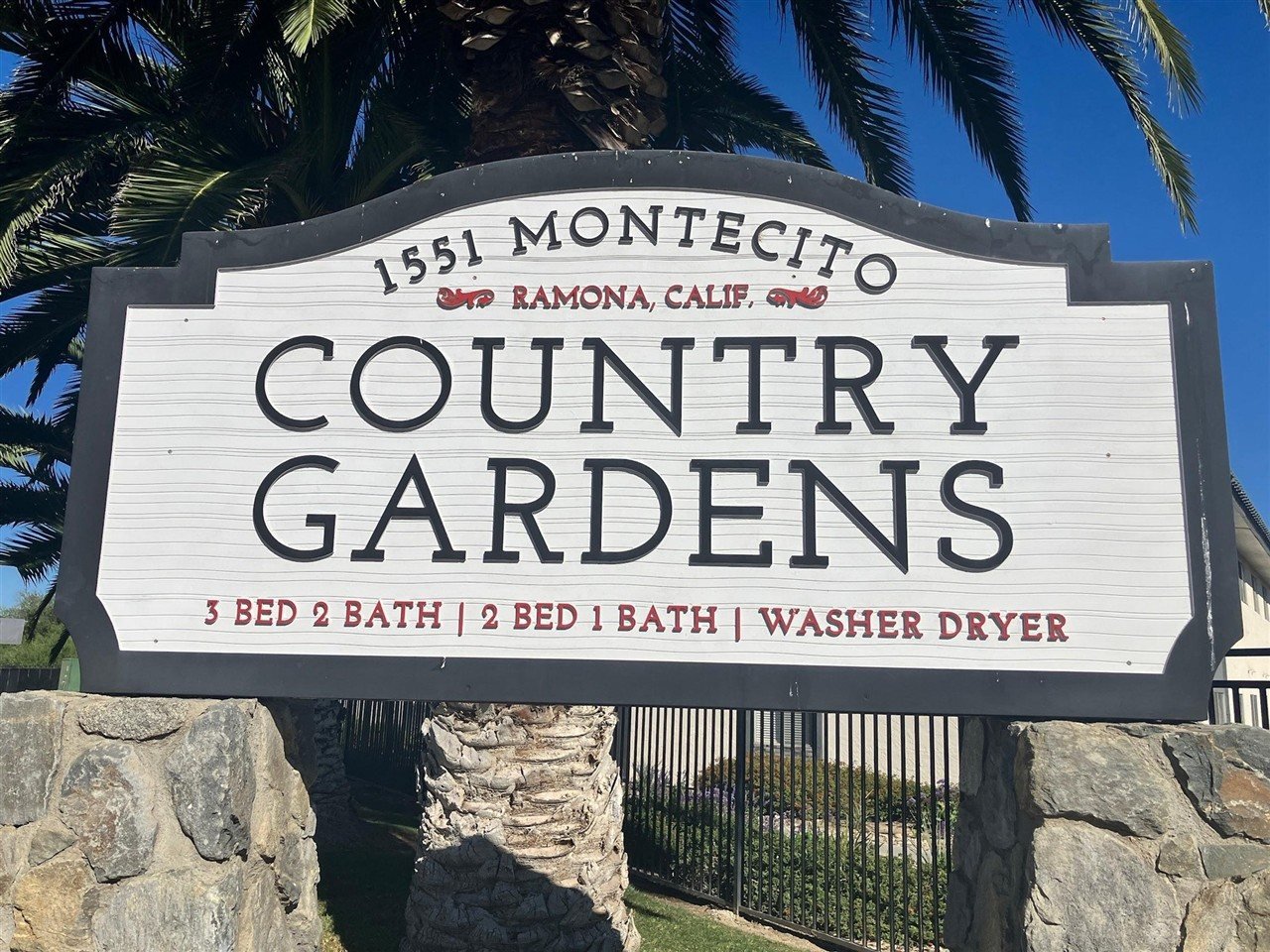
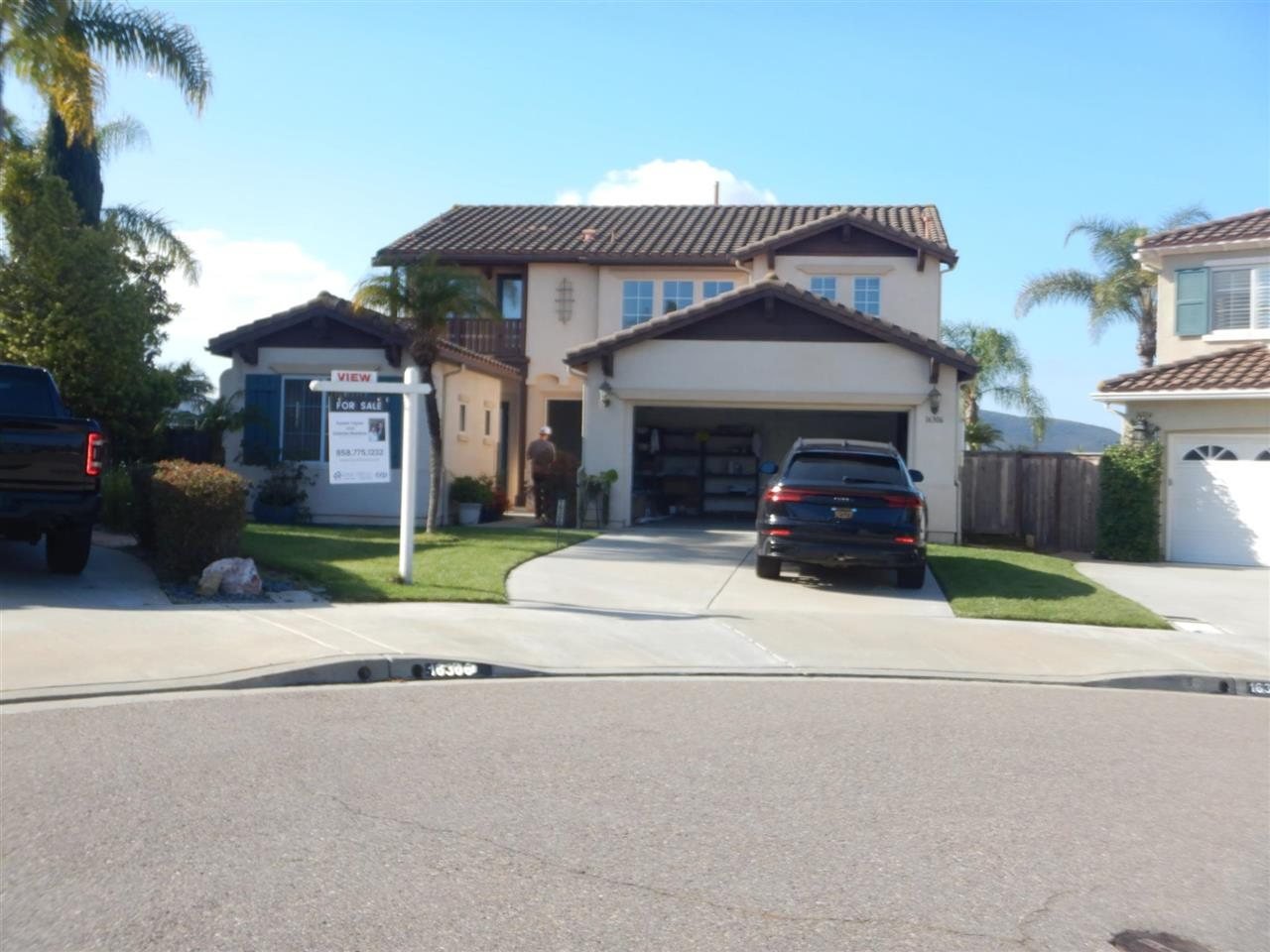
Commercial and multi-unit properties we have inspected across San Diego County.
More inspections in Jamul
- Foundation slab survey in Jamul
- SB 721 balcony inspection in Jamul
- SB 326 balcony inspection in Jamul
- SB 721 exemption letter in Jamul
- Home inspection in Jamul
Nearby and countywide
Were You Happy With Your Inspection?
We are proud of our 4.9-star rating across 100+ Google reviews. If Joseph and the team did right by you, a quick Google review helps other San Diego County buyers and sellers find us.