
SB-326 Balcony Inspection in Pine Valley, CA
If you sit on a condominium board or manage a common-interest development around Pine Valley, the nine-year SB-326 deadline is on your calendar whether you like it or not. The first compliance window closed January 1, 2025, and associations that own multifamily buildings with elevated wood-framed balconies, landings, stairs, and walkways are now responsible for keeping these inspections current. At The Real Estate Inspection Company, we perform the visual SB-326 inspection your association needs: a licensed inspector examines a statistically significant random sample of load-bearing exterior elevated elements (EEE) and their waterproofing, then documents condition in a report your board and reserve analyst can act on.
Owner and lead inspector Joseph Romeo carries an InterNACHI Certified Professional Inspector credential and a CSLB General Contractor license (#1113143), backed by more than 20 years and over 10,000 inspections across San Diego County. We inspect and report; any repair work is handled separately by a licensed contractor. Below is what an SB-326 balcony inspection covers in a mountain town like Pine Valley, what we tend to see at roughly 4,000 feet, and how our report fits the way a board actually makes decisions.
Call (619) 752-4399 Schedule an Inspection
What does SB-326 require, and what do we actually inspect?
SB-326 is the HOA-side companion to SB-721. Where SB-721 governs privately owned apartment buildings, SB-326 amended the Davis-Stirling Act to cover community associations: condominiums and other common-interest developments with three or more multifamily units. The law requires a visual inspection of exterior elevated elements at least once every nine years, performed by a licensed architect, structural engineer, or qualified inspector, with the results folded into the association's reserve study.
The scope is specific. We look at load-bearing components made of wood or wood-based products that are elevated more than six feet above ground and rely on the building envelope's waterproofing to stay sound: balconies, decks, exterior stairways and landings, walkways, and their supporting framing and railings. We assess a random sample sized so the findings represent the whole development with statistical confidence, and we examine the associated waterproofing systems, flashing, and drainage that protect those members from moisture intrusion. We report observed condition only. We do not bid, repair, or certify structures.
Why do Pine Valley buildings get a different look?
Most SB-326 guidance is written with coastal stucco mid-rises in mind. Pine Valley sits near 4,000 feet in the eastern county, and that elevation rewrites the failure list. Winter brings genuine freeze cycles and occasional snow, so water that soaks into a deck ledger or a stair stringer during a storm can freeze, expand, and pry fasteners and joints apart in a way you never see down the hill. We pay close attention to anywhere standing water can collect and then freeze: flat landing surfaces, blocked scuppers, and the underside of cantilevered framing.
The building stock is different too. Many elevated structures here are tied to cabins, rural multifamily clusters, and wood-heavy mountain construction shaded by oak and pine. Heavy tree cover keeps surfaces damp longer, drops debris that clogs drainage, and accelerates rot at connections. Wildfire exposure adds another reason to care about exterior wood condition, since dry-rotted, gapped members behave differently in an ember storm than tight, sound framing. We factor all of this into where we sample and how hard we look.
What do we commonly find on mountain elevated elements?
On elevated elements in this climate, the recurring problems cluster around water and the cold that follows it. The most frequent finding is failed or aged waterproofing at deck surfaces and at the wall-to-deck transition, where coatings have cracked, flashing has lifted, or a previous repair was caulked instead of properly detailed. Once water gets behind that line, the ledger connection and rim framing are the first to suffer.
We also routinely document soft or punky wood at stair stringers and landing edges, corroded or under-sized fasteners and connectors, railings that have loosened where their posts meet rotted blocking, and drainage that no longer sheds water away from framing. In tree-shaded developments we see moss and organic buildup holding moisture against wood, and freeze-thaw splitting at end grain. None of these is a verdict on its own; we describe the condition, its location, and severity so your board and reserve analyst can prioritize. Where a finding suggests hidden structural damage or a question outside a visual scope, we say so and recommend the appropriate licensed specialist rather than guess.
How does the process work and what report does your board get?
We start by reviewing the development's building count, unit mix, and any prior inspection or repair history so we can size a defensible random sample. On site, the inspector works through the selected elements methodically, photographing each one and noting waterproofing, framing, connections, and drainage. Because mountain access can mean steep lots and snow-season scheduling, we coordinate timing with your manager so common areas and unit balconies are reachable.
You receive a written report delivered through HomeGauge, typically same or next day. It identifies the components inspected, the condition of the EEE and waterproofing, photo documentation, and clear notes on anything needing further evaluation or repair. The format is built to drop into your reserve study and to give the board a record that the nine-year obligation was met. If repairs are warranted, that work goes to a licensed contractor; we keep our role to independent inspection and reporting so there's no conflict between who finds the issue and who profits from fixing it.
Why do associations choose us for SB-326 work?
SB-326 lets a qualified inspector perform this work, and the qualification matters. Joseph Romeo holds an InterNACHI Certified Professional Inspector designation and a CSLB General Contractor license (#1113143). That contractor background is genuinely useful on EEE work: knowing how a deck is actually framed, flashed, and fastened sharpens what a visual inspection can catch. With 20-plus years and more than 10,000 inspections in San Diego County, plus a 4.9-star rating across more than 100 Google reviews, we bring a track record boards can verify.
To be straight about scope: we are InterNACHI CPI and CSLB-licensed, not ASHI or CREIA members, and we do not perform termite or wood-destroying-organism reports, Phase I environmental work, or engineering certifications. When a finding points to one of those, we coordinate a referral to the right licensed professional. You get an inspector who knows mountain construction, communicates plainly, and writes a report the board can use.
What related inspections do Pine Valley properties need?
An SB-326 inspection answers one specific question for the association, but Pine Valley properties often need more. Many of the same buildings benefit from a full condition assessment of roofs, decks, and the building envelope, and individual owners buying or selling a unit usually want a standard home inspection. Because so much of the area runs on wells, septic systems, and propane rather than municipal utilities, those systems deserve their own attention outside the SB-326 scope.
If your association or a unit owner needs work beyond elevated elements, our broader services cover whole-home and component inspections across the county. We can scope a single visit or a coordinated set, and we'll tell you plainly when something falls outside our credentials so you can bring in the right specialist. Reach out and we'll map the inspections your Pine Valley property actually needs.
Pine Valley SB-326 Balcony Inspection FAQs
Does my Pine Valley HOA need an SB-326 inspection?
When was the SB-326 deadline?
Do you inspect every balcony in the development?
Will you repair the problems you find?
How much does an SB-326 inspection cost?
How fast do we get the report?
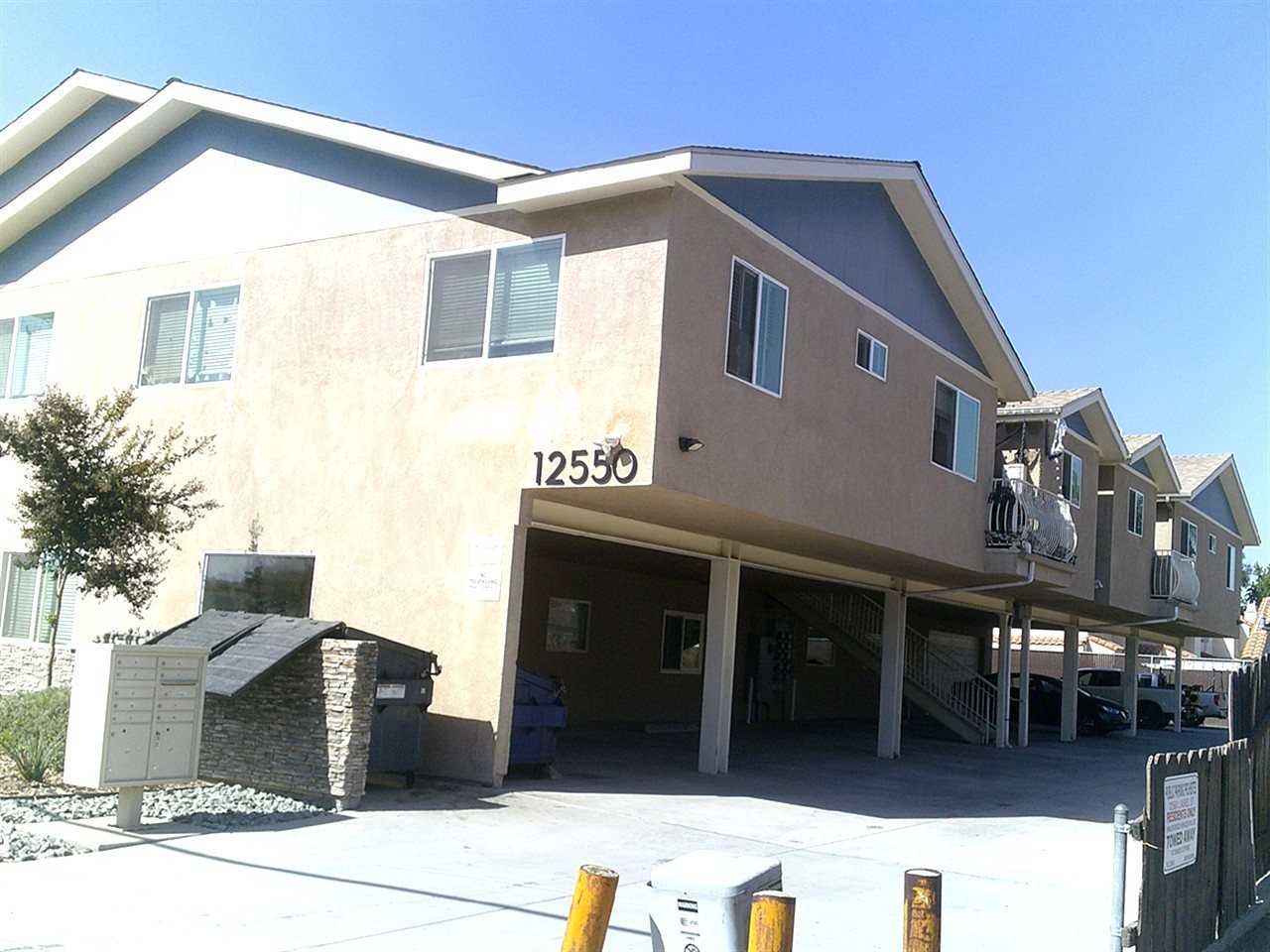
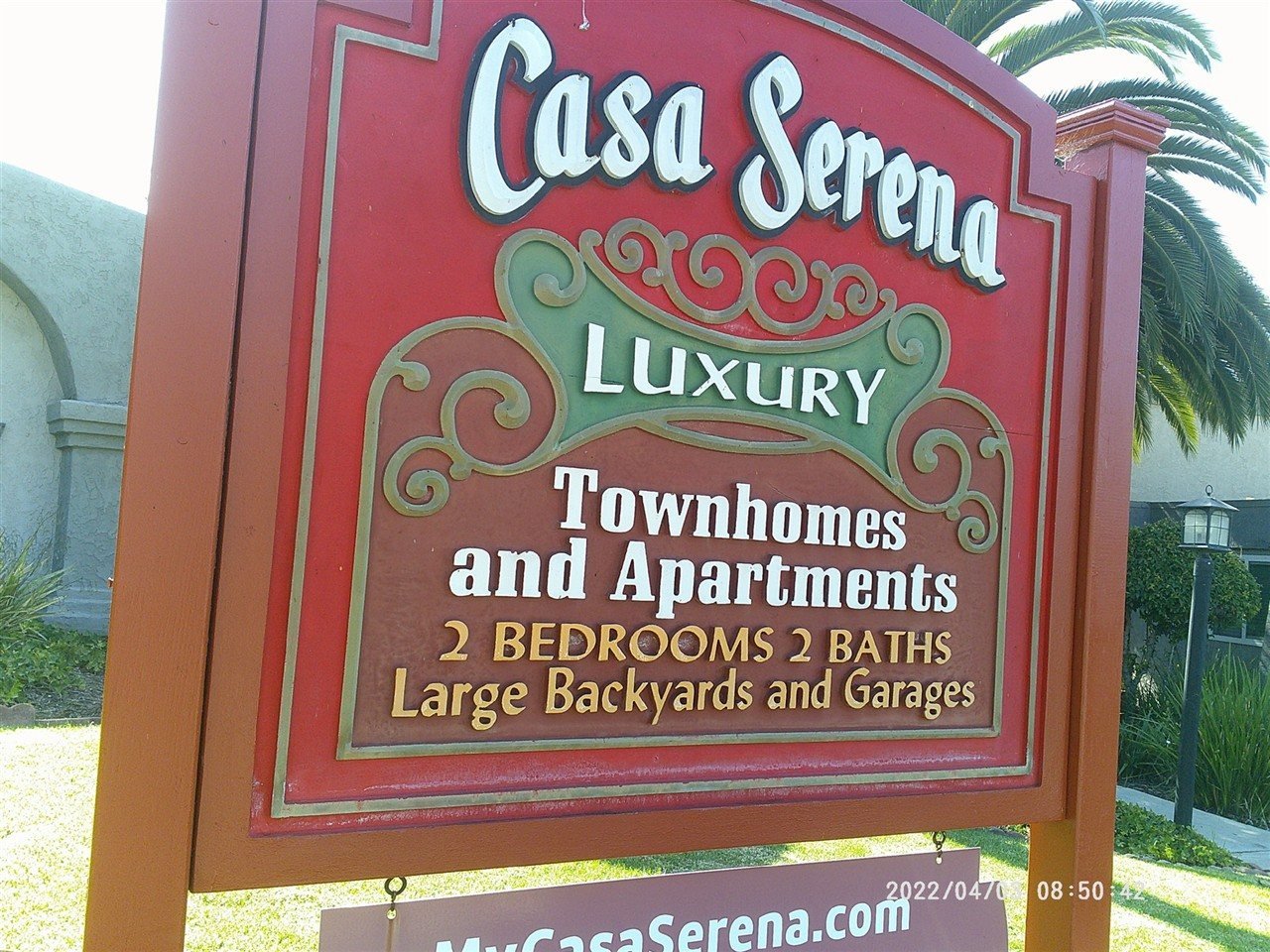
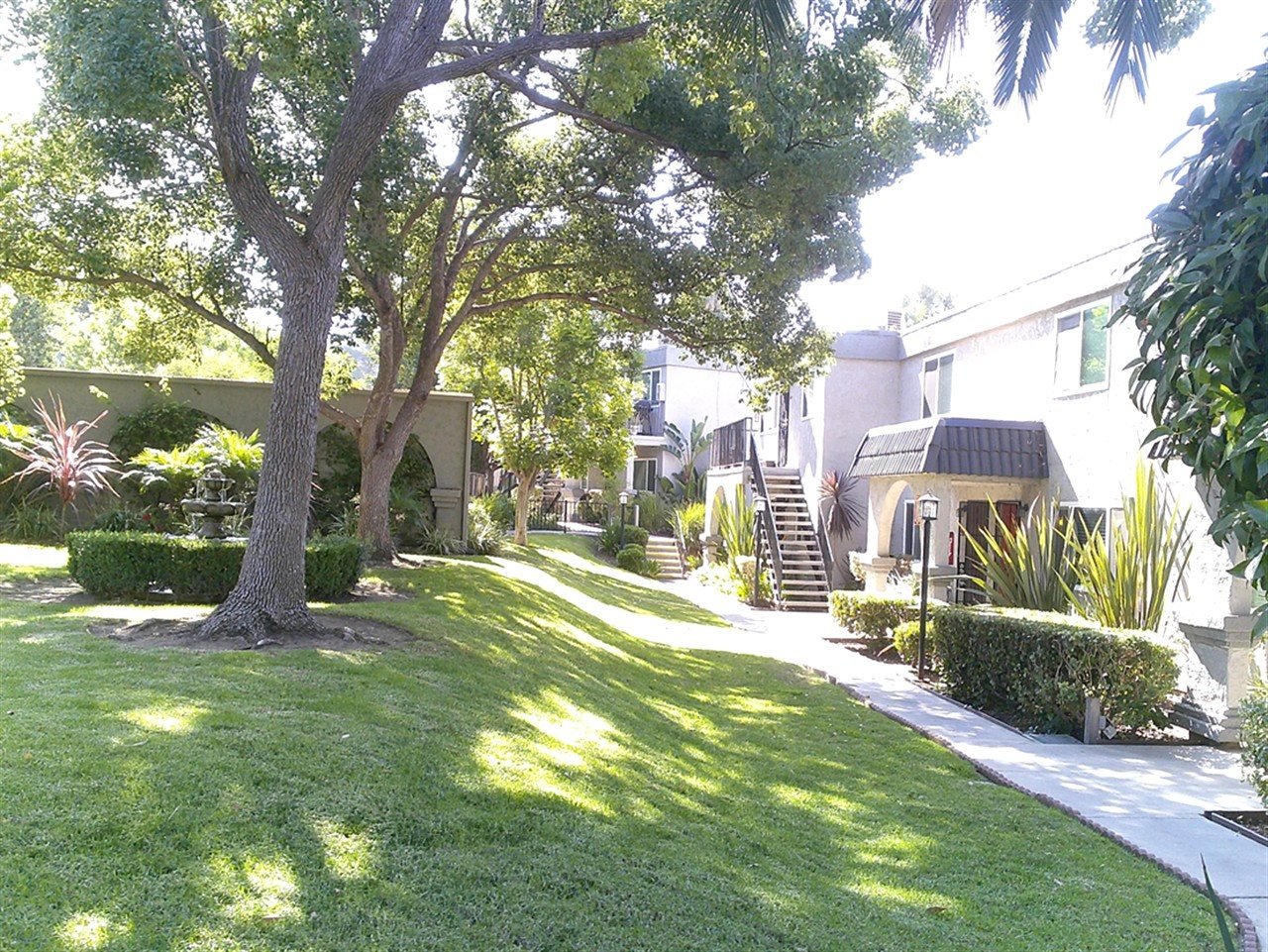
HOA properties we inspect
Condominium properties documented for SB 326 balcony compliance across San Diego County.
More inspections in Pine Valley
- 4-point inspection in Pine Valley
- Roof inspection in Pine Valley
- Thermal imaging in Pine Valley
- Foundation slab survey in Pine Valley
- Home inspection in Pine Valley
Nearby and countywide
Were You Happy With Your Inspection?
We are proud of our 4.9-star rating across 100+ Google reviews. If Joseph and the team did right by you, a quick Google review helps other San Diego County buyers and sellers find us.