
Commercial Roof Cleaning in Pine Valley, CA
Pine Valley sits near 4,000 feet, and a flat commercial roof at that height lives in a different climate than anything down in the county. Real snow lands here. Nights drop well below freezing for weeks at a stretch. The Jeffrey pines and Engelmann oaks that give the town its name drop needles and acorns onto every roof within reach, and the mix of mountain UV, wind, and weeks of standing snowmelt works on a membrane far harder than the coast ever could. The cafe, market, lodge, or shop underneath stays dry right up until a packed drain holds meltwater on a low spot — then it finds a seam.
I'm Joseph Romeo. Commercial roof cleaning and maintenance is the plain, repeating work of keeping a flat or low-slope roof clear and draining: stripping needles, leaves, and biological growth off the membrane, opening scuppers, drains, and overflow outlets so water and snowmelt run off instead of pooling, and photographing the roof's condition while I'm up there. The payoff is a roof that lasts longer, a warranty that stays intact, and a small fault caught before it leaks. I clean and document — recoating, reseaming, and patching belong to a licensed roofer. This page covers the scope on a Pine Valley building, what 4,000 feet does to these roofs, what I keep running into, and where my work ends. The Pine Valley home inspection hub covers the building as a whole.
Call (619) 752-4399 Schedule an Inspection
What's covered in a Pine Valley commercial roof cleaning?
This is upkeep and documentation for flat and low-slope commercial roofs — TPO and other single-ply systems, modified bitumen, built-up gravel and cap-sheet (BUR), and sprayed polyurethane foam. On a Pine Valley building the visit takes in:
- Surface debris removal — raking off pine needles, acorns, oak leaves, bark, cone debris, and the wind-driven forest litter that mats into low areas and along parapet bases, where it traps moisture and rots against the membrane.
- Drain, scupper, and overflow clearing — freeing roof drains, strainer baskets, through-wall scuppers, and overflow outlets so rain and snowmelt have a clear exit instead of backing up onto the field.
- Biological growth cleanup — lifting the moss, lichen, and algae that thrive in the cool, slow-drying shade behind walls and on the north flank of rooftop units up here.
- Close work at flashings, curbs, and penetrations — clearing litter wedged at base flashings, HVAC and heater curbs, flue and vent penetrations, and the crickets and saddles that are meant to steer water toward the outlets.
- Condition record — dated photos and straight notes on the membrane field, seams, flashings, ponding evidence, and drainage, leaving you proof of the roof's state right after service.
You finish with a roof that's clear and draining and a candid read on where it stands. What I won't touch is welding a seam, recoating foam, or patching the membrane — that's licensed roofing work, and the report tells you and that roofer precisely where it's needed.
What does 4,000 feet do to a Pine Valley commercial roof?
Pine Valley is mountain country, and its weather has almost nothing in common with the rest of San Diego County. These are the local realities that make cleaning and drainage upkeep matter so much on a commercial roof here:
- Snow and snowmelt: Pine Valley genuinely gets snow. A low-slope roof holds it, and as it melts in the day and refreezes at night the water has to find a clear drain or it sits, soaks, and works into seams. A scupper packed with needles is the difference between melt that runs off and melt that floods the field.
- Hard overnight freeze: Winter nights routinely fall below freezing for long stretches at this elevation. Water trapped in a blocked drain or a ponded low spot freezes, expands, and pries at laps and flashings — a mountain failure mode crews from the flatlands rarely build for. Open outlets keep water from lingering long enough to freeze.
- Pine and oak forest litter: The Jeffrey pines, oaks, and cedars that surround the town's commercial parcels bury these roofs in needles, cones, and acorns year-round, and the canyon wind packs it into every drain and cricket — far and away the leading cause of a Pine Valley roof drain quitting.
- Thin-air UV and wide temperature swings: At 4,000 feet the sun is more direct and the daily hot-to-freezing swing is wider, so coatings chalk, foam cracks, and membranes fatigue from constant expansion and contraction faster than they would near sea level.
- Wildfire interface: Much of Pine Valley's commercial stock sits inside the wildland-urban interface, hard against the Cleveland National Forest. Dry needle litter on a roof and in its drains isn't only a clog — it's ember fuel, and clearing it is part of hardening the building against fire.
What do you keep running into on Pine Valley roofs?
The same handful of problems show up again and again on Pine Valley's flat-roofed markets, eateries, lodges, and shops. Finding them on a maintenance visit is a lot cheaper than meeting them as a soaked ceiling after a thaw:
- Needle-packed drains and scuppers — roof drains and through-wall outlets jammed solid with pine needles, cones, and acorns so meltwater and rain back up onto the field, by far the most common thing I clear.
- Ponding rings on the low side — mineral staining and growth circles marking where snowmelt and rain stand for days, telling you the slope or the drainage isn't moving it.
- Freeze-split seams and flashings — laps and base flashings lifted or cracked where trapped water froze and expanded over past winters, usually buried under litter until a cleaning uncovers them.
- Sun- and swing-fatigued membrane — chalked foam and dried, alligatored modified bitumen aged early by thin-air UV and the daily temperature swing, the kind of thing a roofer should scope for recoating.
- Growth in the cold corners — moss and lichen thick in the shaded, slow-drying pockets behind parapets and beside rooftop units, darkening the surface and creeping into laps.
- Litter against flue and heater vents — debris piled around propane heater flues and equipment curbs, both a clearance concern and a spot where water hangs up at the penetration.
None of that is a repair sentence by itself. I keep the housekeeping a cleaning resolves separate from a membrane or flashing condition that needs a roofer's eyes, and I photograph each so the report rests on what's actually up there.
How does the visit go and what lands in your hands?
It opens with a call to (619) 752-4399 or an email with the Pine Valley address, the roof type if you know it, and what's prompting the visit — routine upkeep, getting ahead of the snow season, a warranty file, or a check before a sale or lease. That tells me what roof access and gear to bring, and whether you want a single clearing or a standing schedule.
On site I work the roof in sequence: clear the field, the low spots, and the equipment surrounds of needle litter and growth, then open every drain, strainer, scupper, and overflow so water has a route off the roof before the next storm or thaw. While I work I read what the debris was hiding — the membrane and foam for UV and freeze-thaw fatigue, the seams and base flashings for split and lift, the outlets for whether they truly carry water, the low spots for ponding history, and the penetrations for clearance and seal. I keep methods matched to the system so I'm not forcing water into seams or scuffing a foam coating.
What you get is a photo-documented HomeGauge report — condition in plain language, the drainage cleared and noted, and any membrane or flashing problem flagged for your roofer, with a photo behind every line. It usually arrives same day or next day, which helps when you need a dated maintenance record for a warranty binder or an out-of-area property manager. Where I find something past cleaning — a frost-split lap, a chalked coating due for recoat, a chronic ponding area — I steer you to a licensed roofer. I clean and document; I don't bid or perform the repair, so the report stays free of anyone selling the work.
Why do Pine Valley owners bring me up there?
Telling a roof that only wants clearing and draining apart from one that's truly failing takes judgment, not a guess. I'm an InterNACHI Certified Professional Inspector (CPI) and I hold a California CSLB General Contractor license (#1113143). That construction background is what makes the documentation worth filing: I know how a TPO seam, a mod-bit lap, a foam coating, and a scupper detail are supposed to behave, so when I flag a lifted flashing or a freeze-split seam, I can tell you whether it's housekeeping or it's pointing toward a recoat or repair before any roofer quotes a number.
- 20+ years and 10,000+ inspections across San Diego County, including the mountain commercial buildings up the I-8 corridor with their flat membrane and foam roofs
- 4.9 stars across 106 Google reviews
- Independent and conflict-free — I clean the roof and document what's there; I don't sell roofing, coatings, or repairs, so nothing in the report is bent toward work you don't need
When the roof needs a licensed roofer's hands — recoating a sun-spent foam roof, resealing a frost-lifted seam, fixing a low spot that ponds every winter — I coordinate or refer the right trade instead of pretending a cleaning covered it. Reach me directly at joe@sandiegohomeinspection.com or the number above, and see our flat-fee schedule for what service runs.
What related services suit Pine Valley commercial buildings?
A roof cleaning is one part of keeping a Pine Valley commercial building tight through the seasons. Depending on the property, a few companion services are worth rolling into the same trip up the hill:
- Commercial building inspection: a documented walk of the wider structure — framing, envelope, electrical, plumbing, and HVAC — for a purchase, lease, or due-diligence file
- Roof condition assessment: a deeper standalone read on the membrane, seams, and remaining service life when you're weighing a recoat against a tear-off before winter
- Thermal / infrared imaging: turns up trapped moisture under a membrane or behind a parapet — including snowmelt that has tracked into the deck below — that a surface cleaning can't reveal
- Pre-winter maintenance scheduling: recurring clear-and-document visits timed before the first mountain storms and freeze nights so the drains are open when the snow comes
Send me the Pine Valley address and what you're trying to protect, and I'll tell you which of these actually apply — see all inspection services we offer or start through contact.
Pine Valley Commercial Roof Cleaning FAQs
How often should a Pine Valley commercial roof be cleaned?
Does Pine Valley's snow really affect a flat roof?
Can clearing the drains cut down freeze damage?
Does cleaning keep my roof warranty valid?
Will you repair the roof if you find a problem?
What roof types do you service in Pine Valley?
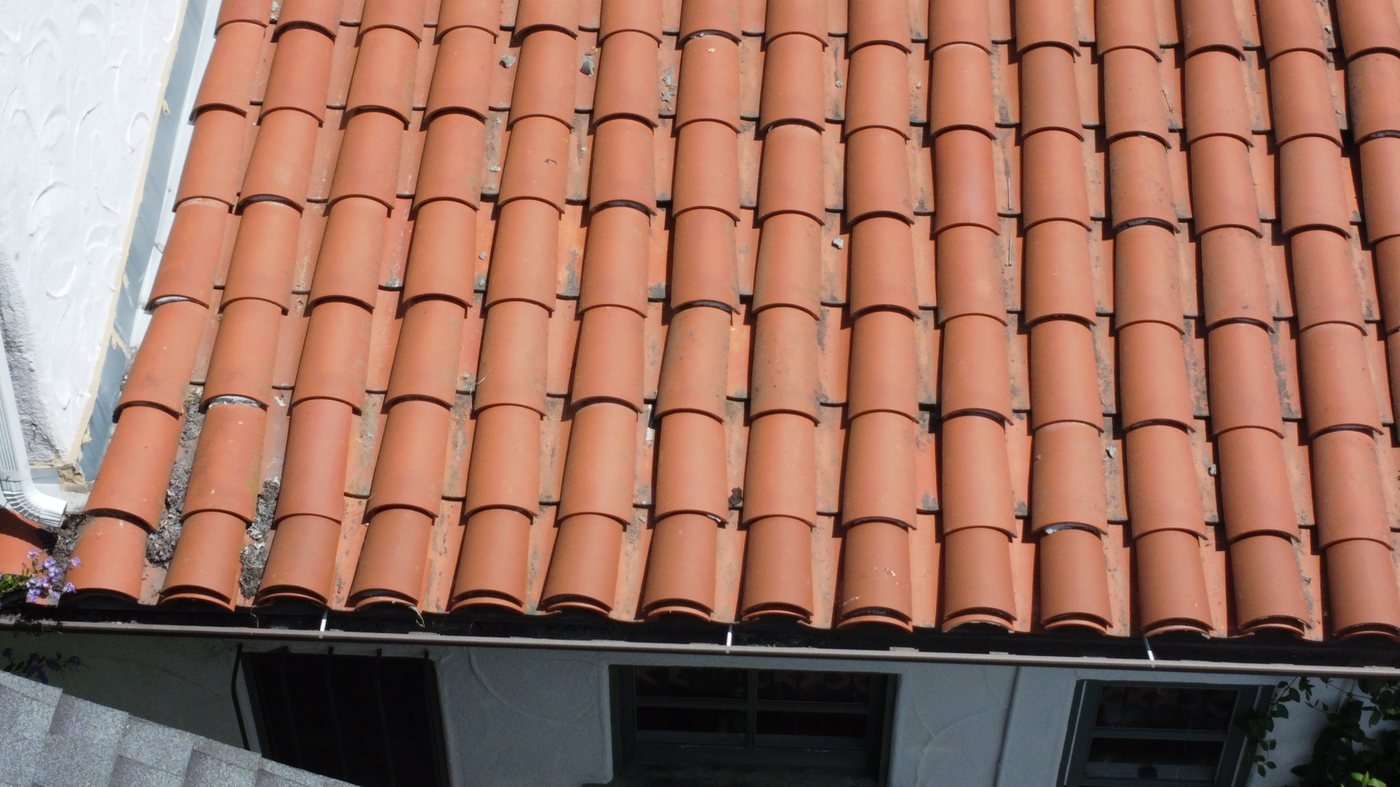
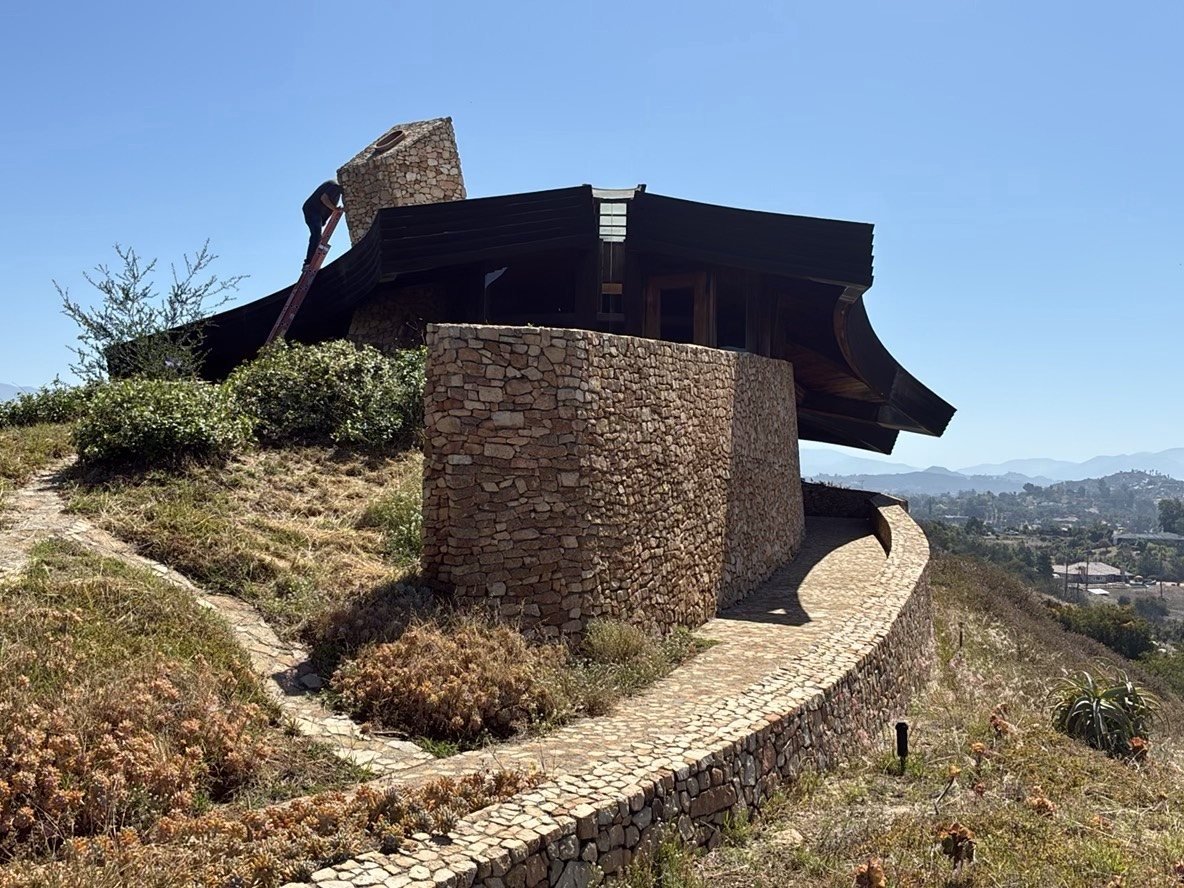
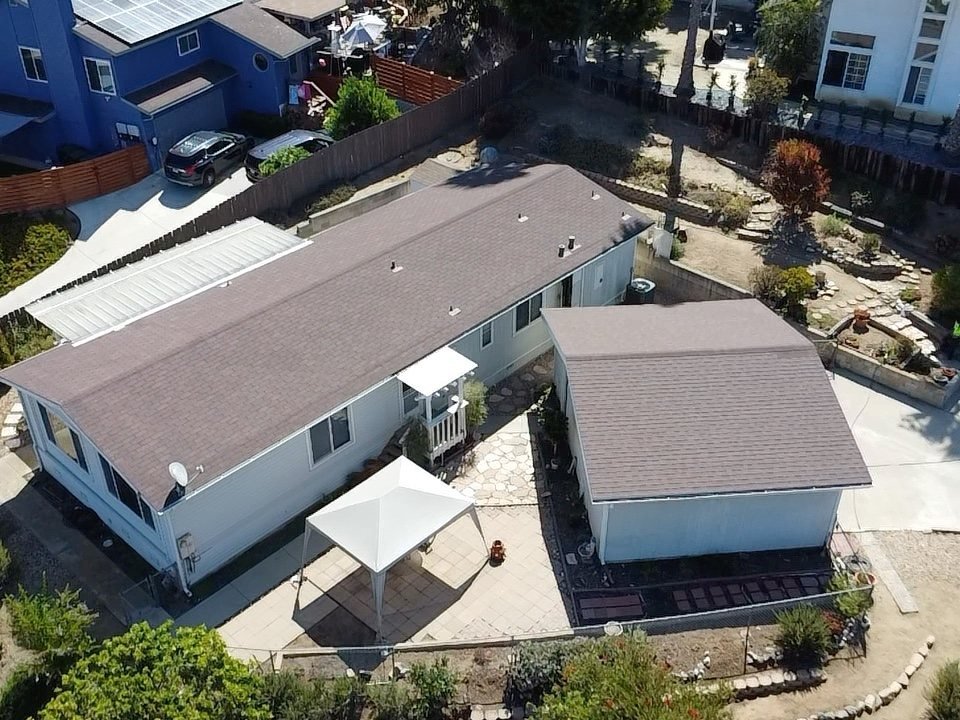
Large rooftops, handled
Flat and low-slope commercial roofs we access, document and maintain.
More inspections in Pine Valley
- Commercial inspection in Pine Valley
- Pool and spa inspection in Pine Valley
- Sewer scope inspection in Pine Valley
- 4-point inspection in Pine Valley
- Home inspection in Pine Valley
Nearby and countywide
Were You Happy With Your Inspection?
We are proud of our 4.9-star rating across 100+ Google reviews. If Joseph and the team did right by you, a quick Google review helps other San Diego County buyers and sellers find us.