
SB-721 Balcony Inspection in Pine Valley, CA
Pine Valley sits high in the Cleveland National Forest at roughly 4,000 feet, and multifamily housing here is thin on the ground — a few apartment buildings near the Old Highway 80 corridor, the occasional triplex or fourplex among the cabins, and the rented units attached to larger mountain parcels off Pine Creek Road. Sparse as that stock is, any building with three or more dwelling units that carries a balcony, an exterior stairway, a landing, or an elevated walkway falls squarely under California's SB-721. The statute reaches every load-bearing exterior elevated element more than six feet off the ground, together with the waterproofing that keeps the framing dry. AB 2579 pushed the first compliance date to January 1, 2026, and the cycle repeats every six years from there.
My name is Joseph Romeo, and I make the mountain drive up the 8 to handle these inspections in person. SB-721 work is a different animal from a buyer's home inspection — it is a code-mandated safety evaluation that closes with a documented report for the owner and the County. The sections below lay out the elements I examine, why Pine Valley's snow-and-freeze elevation reshapes how those elements fail, the defects I run into up here, the way the report is delivered, and the firm boundary of what I do and don't take on. The Pine Valley home-inspection hub covers single-family and the rest of my mountain work.
Call (619) 752-4399 Schedule an Inspection
Which building parts does the SB-721 law reach?
The statute is deliberately narrow. It governs what the code names Exterior Elevated Elements — the load-bearing portions of a three-or-more-unit building set higher than six feet above grade and carried by wood framing, plus every system that diverts water away from that wood. On a Pine Valley building, the elements I put hands and eyes on are these:
- Upper-unit balconies and raised decks — the framing joists, the ledger where the assembly fastens back into the wall, the posts beneath it, and the surface tenants walk on
- Open exterior stair runs — the stringers, treads, and anchor points on the outdoor stairs that reach the second-floor units common to the area's small two-story buildings
- Entry landings and shared walkways — the platforms at unit doors and any elevated walkway that links a row of apartments
- Guards and handrails — pushed and load-checked for solid attachment, since the rail is the final barrier before a fall onto the slope or rock below
- The weatherproofing assembly — flashing, deck coatings, membranes, caulked joints, and drainage, because at this elevation it is water finding the wood, not age alone, that ends an element's service life
SB-721 calls for a visual look at a representative sample of each element type, and where the surface evidence points toward hidden trouble it permits an intrusive step — opening a measured section to read the concealed framing rather than guess at it. I tag each element safe or unsafe and anchor the determination with photographs. The report records condition; designing or carrying out the repair sits outside my scope and I say so directly.
How does 4,000 feet of mountain weather attack elevated wood?
A balcony does not wear out in Pine Valley the way it does down on the coastal mesas, and the difference is altitude. At about 4,000 feet in the oak-and-pine high country, the assemblies face stresses no seaside building ever meets. Here is what I am weighing on each trip up the mountain:
- Hard winter freezes and snow load: Pine Valley sees real snow and sustained sub-freezing nights. Meltwater seeps into a hairline crack in a deck coating or an open sealant bead, freezes solid, and jacks the assembly apart a fraction more with every cold cycle — a destruction mode the coast simply never experiences.
- Standing snowmelt against framing: snow that piles on a north-facing landing or stair tread sits and melts slowly, keeping the wood and its connectors saturated for days at a stretch instead of draining off the way a quick rain would.
- Brutal high-elevation UV: thinner mountain air lets far more ultraviolet through, and it bakes south- and west-facing coatings, rail caps, and membranes brittle and chalky faster than valley sun does — pre-cracking the exact seams the next freeze then pries wide.
- Pine and oak duff in the drainage: the surrounding forest drops needles and leaf litter that pack into scuppers and deck drains, trapping snowmelt against the framing and, in a town deep in wildfire country, building an ember bed worth flagging on its own.
- Older cabin-grade construction: a good share of the area's multi-unit framing went up decades ago, before modern deck-waterproofing detailing existed — precisely the vintage of ledger and membrane that is surrendering now.
What defects surface on Pine Valley balconies and stairs?
On the mountain multi-unit buildings I inspect, failures gather in a predictable set of spots, driven by that freeze-thaw-and-bake pattern unique to the elevation. Spotting them ahead of a re-inspection lets an owner schedule and budget the work instead of scrambling once an element is flagged:
- Frost-jacked deck surfaces — walking coatings where meltwater crept into a crack, froze, and widened it season after season until the surface no longer sheds and starts wetting the joists underneath
- Water-tracked ledgers — the wall connection where weather-beaten flashing lets moisture run behind the membrane and rot the ledger, the most hazardous failure the whole law was written to intercept
- Saturated stair and landing bases — the lower stringers and post feet that sit in lingering snowmelt and probe spongy at their connections
- Slack guardrails — rails that give under hand pressure because the wood behind their anchors has gone soft or the fasteners have rusted through, the safety flag I write most often up here
- Corroded steel connectors — rusted joist hangers, lag screws, and post bases wherever freeze-melt moisture has parked against the metal
- Choked drainage — deck and landing drains stuffed with pine needles and oak litter, ponding the next melt right where the coating was meant to protect the wood
I keep a hard line between surface weathering and a true load-bearing or safety defect, so an unsafe mark reflects an actual hazard rather than a tired finish — and each determination is photographed for your file and the County's.
How does the inspection run and what report do owners get?
The process opens with a call to (619) 752-4399 or an email carrying the property address, the dwelling-unit count, and a rough tally of balconies, stair runs, and elevated walkways on the building. That tally fixes the representative sample SB-721 demands, tells me whether your Pine Valley property is a quick visit or a longer one, and lets me plan the mountain drive and arrange unit and landing access in advance so it happens in a single trip.
On the building I work each element by hand: at the ledgers, reading the flashing and probing for soft framing; on the surfaces, checking the coating, slope, and drainage; at every guard, testing the attachment under load; and beneath the stairs and landings, inspecting stringers, footings, posts, and connectors. Where the visible evidence points to concealed rot — a stain, a soft patch, a coating split open by frost — I will walk you through opening a small section for the intrusive confirmation the law allows, because on the area's older cabin-grade buildings a questionable ledger is exactly where guessing gets dangerous.
What you receive is a HomeGauge report that classifies every inspected element safe or unsafe, records the condition of the waterproofing, and supports each call with photographs in the form your records and the County building authority expect. It typically arrives same day or the next. It captures observed condition and nothing more — anything marked unsafe is organized so a licensed engineer or contractor can step straight into the repair design, and because the law starts a repair clock the moment a hazard is named, that fast turnaround earns its keep on a remote mountain property.
Who makes the safe-or-unsafe call, and what backs it?
An SB-721 report lives or dies on the judgment behind each determination, and a wrong one cuts both ways on the mountain — a missed rotten ledger is a liability waiting to happen, while a false alarm is a needless repair bill for a small owner. I hold the InterNACHI Certified Professional Inspector (CPI) credential, and alongside it a California CSLB General Contractor license (#1113143). That builder's background is what these assemblies actually call for: I have framed and repaired decks, ledgers, exterior stairs, and waterproofing systems myself, so when I write that a connection is unsafe I understand what sits behind the finish and what setting it right truly involves.
- 20+ years and more than 10,000 inspections across San Diego County, including the long pulls east into the mountain and backcountry communities where Pine Valley's multi-unit buildings sit
- 4.9 stars from 106 Google reviews
- Independent and conflict-free — I inspect and document, and I never bid the balcony repair I flag, so nothing in a safe-or-unsafe call is bent toward work I would profit from
For the stamped repair design and the work the report identifies, I coordinate or refer the appropriate licensed engineer or contractor rather than pretend the inspection itself covers it. Reach me directly at joe@sandiegohomeinspection.com or the number above.
What companion inspections suit Pine Valley multifamily owners?
SB-721 settles the balcony-safety mandate and stops there. If you own or are buying a multi-unit building in Pine Valley, several related inspections are worth bundling into the same mountain trip while I am already up here:
- SB-326 balcony inspection: the companion EEE law for condominium and HOA-run buildings — if your Pine Valley property is a common-interest development instead of an apartment, that is the standard that governs it
- Whole-building inspection: roof, electrical, plumbing, and structure when you need a buyer's-grade read on the entire property rather than just its elevated elements
- Septic evaluation coordination: nearly every Pine Valley parcel runs on septic rather than sewer, which sits outside SB-721 — I can line up the right specialist for the same visit
- Well and water-system check: for the buildings drawing from a private well, a separate look at the source, pressure tank, and delivery is worth doing while I am on site
- Roof inspection: coverings and flashing chewed up by the same snow load and high-UV cycle that beats on the balconies, tying directly into the waterproofing that shields the upper walkways
- Thermal / infrared imaging: to help pinpoint hidden moisture behind a deck coating or at a ledger before any intrusive section is opened
Send me the address, the unit count, and whether the building is an apartment or a condo, and I will tell you which of these genuinely apply before your SB-721 window closes. Browse all inspection services or look over the fee schedule.
Pine Valley SB-721 Balcony Inspection FAQs
Which Pine Valley buildings need an SB-721 inspection?
When was the SB-721 deadline for Pine Valley apartments?
Does Pine Valley's snow and elevation really change a balcony inspection?
Will you open up the framing during the inspection?
What happens when an element is marked unsafe?
What does an SB-721 inspection in Pine Valley cost?
Properties we inspect
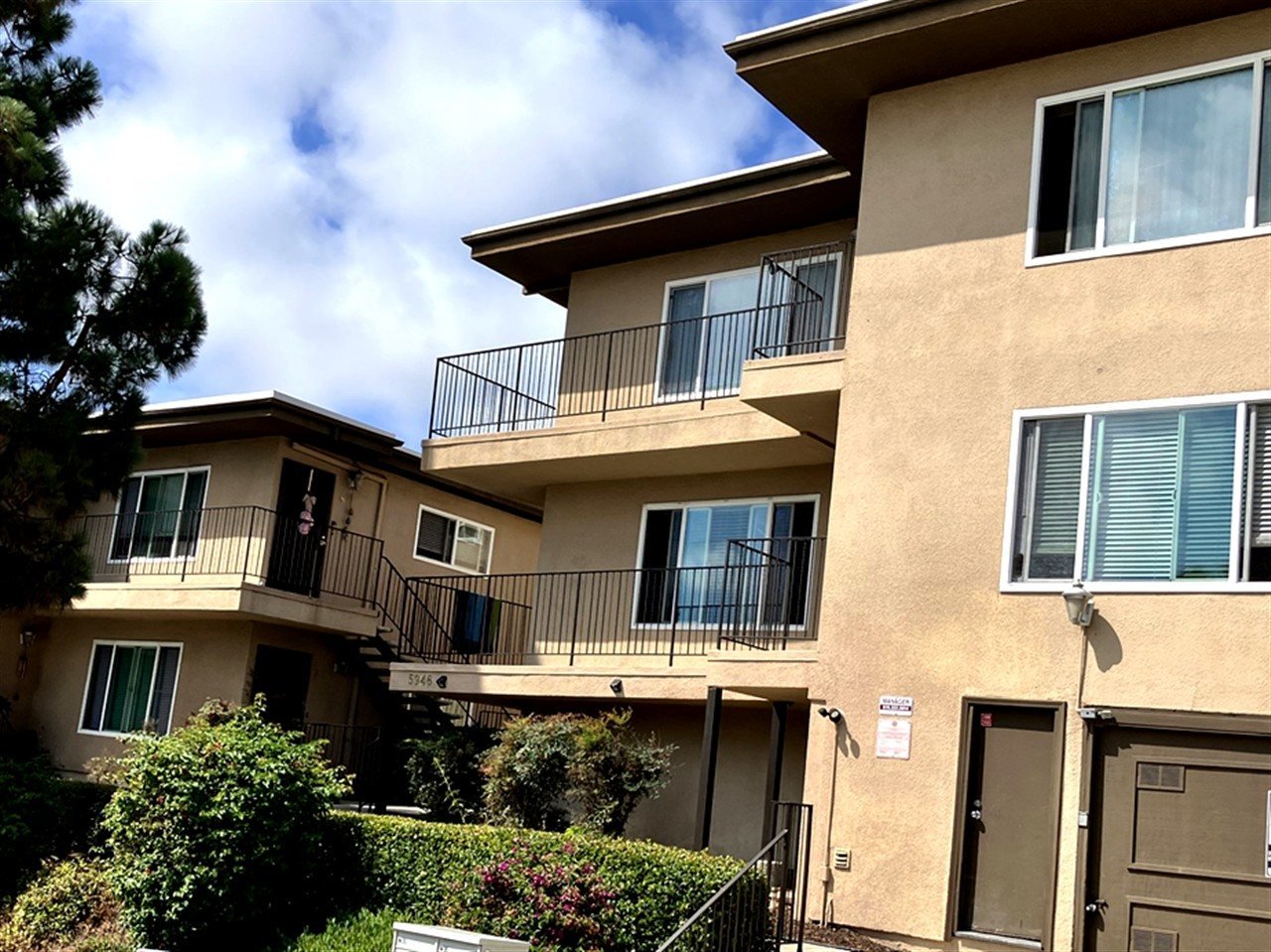
Multi-unit properties documented for SB 721 balcony compliance across San Diego County.
More inspections in Pine Valley
- Foundation slab survey in Pine Valley
- SB 326 balcony inspection in Pine Valley
- SB 721 exemption letter in Pine Valley
- Seller inspection in Pine Valley
- Home inspection in Pine Valley
Nearby and countywide
Were You Happy With Your Inspection?
We are proud of our 4.9-star rating across 100+ Google reviews. If Joseph and the team did right by you, a quick Google review helps other San Diego County buyers and sellers find us.