
Home Inspection in Pine Valley, CA
Pine Valley sits up around 4,000 feet on the eastern edge of the county, and a house here behaves nothing like one down the hill in Mission Valley. Along Old Highway 80, up the lanes off Pine Valley Road, and out toward Corte Madera and the Cleveland National Forest boundary, you'll find log-and-frame cabins, mid-century mountain retreats, full-time residences on multi-acre parcels, and the occasional weekend place that sits dark half the year. Most draw from a private well, run a septic system, heat with propane or wood, and tuck under a canopy of black oak and Jeffrey pine. We inspect the structure that's actually standing on the lot, with the elevation and the forest in mind.
Use this page to book a real-estate inspection in Pine Valley and see precisely what we evaluate, how the findings reach you, and which mountain systems we examine versus hand to a specialist. Prefer a deeper neighborhood read first? See our Pine Valley home inspection guide. When a contingency clock is ticking, call (619) 752-4399 or request a quote and we'll lock in a date.
Call (619) 752-4399 Schedule an Inspection
What's included in a Pine Valley home inspection?
We run every job to the InterNACHI Standards of Practice, a defined scope that covers the readily accessible systems from the roof down to the crawlspace. On a Pine Valley cabin or mountain home, that translates into a hands-on look at the parts most likely to suffer at altitude.
- Foundation and framing - pier-and-post supports, raised wood floors, slabs, and evidence of settlement on sloped, rocky forest pads
- Roof covering and penetrations - metal panels, comp shingle, chimney flashing, and how the surface handles snow load and pine-needle buildup
- Electrical system - main service, panel condition, grounding, and GFCI/AFCI devices
- Plumbing - distribution lines, drains, fixtures, and the water heater
- Heating - propane furnaces, wall heaters, and any wood stove or insert we can observe operating
- Interior, attic insulation, and ventilation - windows, doors, attic depth, and any sign of moisture intrusion
Each item gets photographed, and we separate genuine safety concerns from specialist referrals and from ordinary upkeep you can schedule on your own timeline.
Which mountain systems get extra attention in Pine Valley?
Living at 4,000 feet in an oak-and-pine forest creates conditions a valley tract never faces, so these get focused attention on every mountain job:
- Freeze and snow exposure - hard winter nights up here split unprotected hose bibs, exterior supply runs, and attic lines. We flag piping that should be heat-taped or insulated, and we look for past freeze damage and ice-dam staining along eaves.
- Well components - we observe the pressure tank, accessible piping, and whether the pump engages. We don't gauge depth, recovery rate, or potability; a well driller's flow test plus a certified lab panel for bacteria and nitrates handles that, and backcountry aquifers warrant it.
- Septic clues - we note surfacing effluent, spongy ground above the leach field, and sluggish fixtures. Opening and certifying the tank is a separate pump-out by a septic contractor, which we'll urge you to schedule on a forested lot.
- Wood-burning appliances and chimney - we check clearances, hearth condition, and visible flue, and recommend a Level 2 chimney sweep evaluation where a stove or fireplace is in regular use.
- Wildfire interface - roof class, ember-vulnerable vents, and pine litter or wood stacked against the walls all affect insurability against the forest edge.
What problems show up most often on Pine Valley properties?
Certain write-ups recur across these mountain parcels, and recognizing them helps you make sense of your report:
- Deferred cabin maintenance - seasonal and weekend homes that sit empty develop rodent intrusion, dried-out plumbing traps, and deck rot that a full-time residence would have caught early.
- UV and weather wear on decks and siding - intense high-altitude sun and snow cycles chew through deck boards, railings, and exterior finishes faster than down the hill.
- Original heating and electrical - older Pine Valley homes frequently still run their first propane furnace, knob-and-tube remnants, or undersized panels nearing replacement.
- Drainage and grading on slopes - runoff and snowmelt pushing toward a raised foundation, plus undersized culverts on the driveway approach.
- Pest and moisture in crawlspaces - forest humidity and ground contact invite fungal decay and wood-boring activity beneath raised-floor cabins.
None of this sinks a deal on its own; it's leverage for your negotiation and a roadmap for your budget.
How does the inspection work and when do you get the report?
A standard Pine Valley single-family home runs a few hours on site, more for larger log homes or parcels with detached garages, guest quarters, and barns. We want you at the walk-through - it's the moment you learn where the well pressure tank sits, where the septic risers hide under the pine duff, and how the propane shutoff and wood-stove damper work.
You receive a clean HomeGauge report with captioned photos sorted by system and the concerns summarized up front, so you and your agent can move quickly. Turnaround is same day or next day in most cases, which counts when a mountain escrow is short on time. The report includes a built-in request tool your agent can use to assemble a repair addendum straight from the findings. When a licensed specialist is warranted - a structural engineer for slope movement, a septic company, a well driller - we name it directly. We report observed condition and don't attach repair bids, because we inspect the home rather than sell work on it.
Why do Pine Valley clients choose this inspector?
An inspection is only as sharp as the inspector. Owner and lead inspector Joseph Romeo holds the InterNACHI Certified Professional Inspector (CPI) designation and carries CSLB General Contractor License #1113143. That builder's background means he reads how a mountain home was actually framed, sheathed, and plumbed - and how decades of freeze-thaw, sun, and snow load wear it down.
Across 20-plus years and more than 10,000 inspections throughout San Diego County, including the eastern mountains, he's encountered the failure patterns that surface up here. Our service holds a 4.9-star rating from 106 Google reviews. Every job follows InterNACHI's Standards of Practice and Code of Ethics, and we translate findings into plain language so first-time buyers and seasoned investors leave understanding the property. For termite or wood-destroying-organism work, we coordinate or refer a licensed pest-control company rather than performing it in-house.
What related inspections can you add in Pine Valley?
Plenty of Pine Valley properties benefit from add-ons booked with the general inspection, so you handle everything in one trip up the mountain:
- Thermal / infrared imaging - reveals hidden moisture, gaps in attic insulation, and electrical hot spots, which matters in a cold-climate cabin
- Roof inspection - a focused review when the roof's age, snow performance, or wildfire rating is in question
- Sewer scope - for the rare Pine Valley home tied to a sewer line rather than septic, we camera for roots and breaks
- Foundation and slab evaluation - added scrutiny on sloped, rocky forest lots
- 4-point inspection - the roof, electrical, plumbing, and HVAC snapshot insurers increasingly require for older mountain homes
- Pool and spa inspection - equipment and safety barriers where a property includes one
- Commercial property inspection - for Old Highway 80 storefronts and lodging buildings
Tell us what's under contract and we'll suggest the right mix.
Pine Valley Home Inspection FAQs
How much does a home inspection in Pine Valley cost?
Do you test the well, septic, and water quality?
Do you check for freeze and snow damage?
Can I attend the inspection walk-through?
How soon do I get the report?
Do you perform termite or pest inspections?
What we document
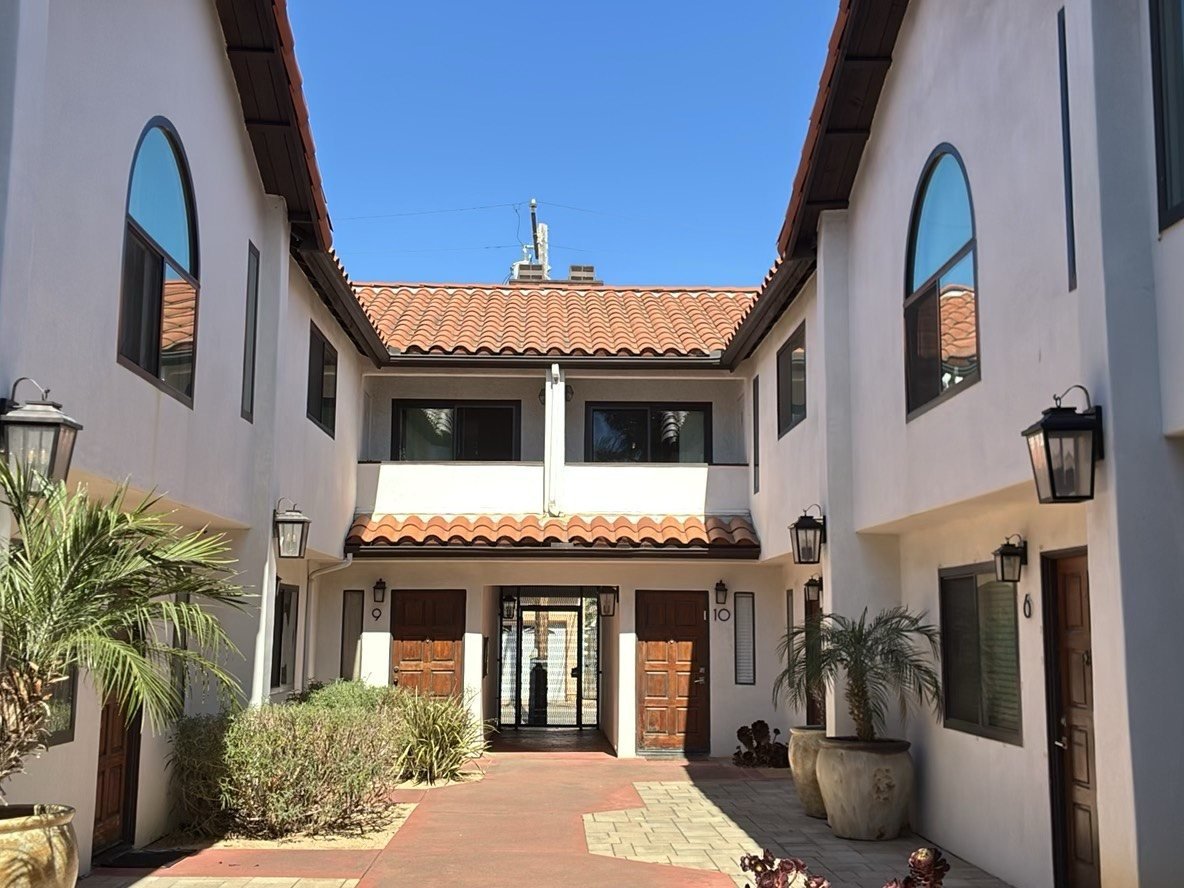
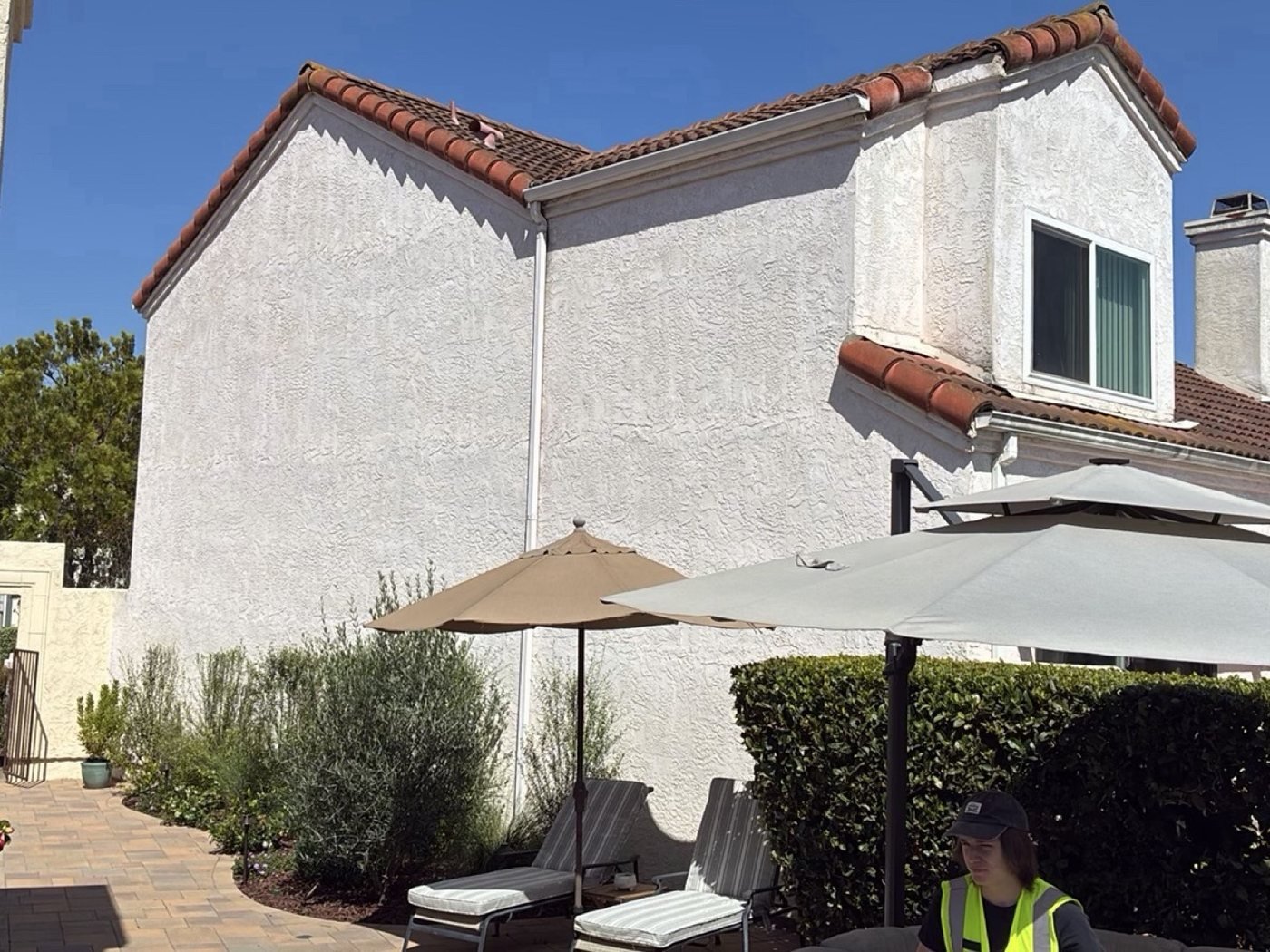
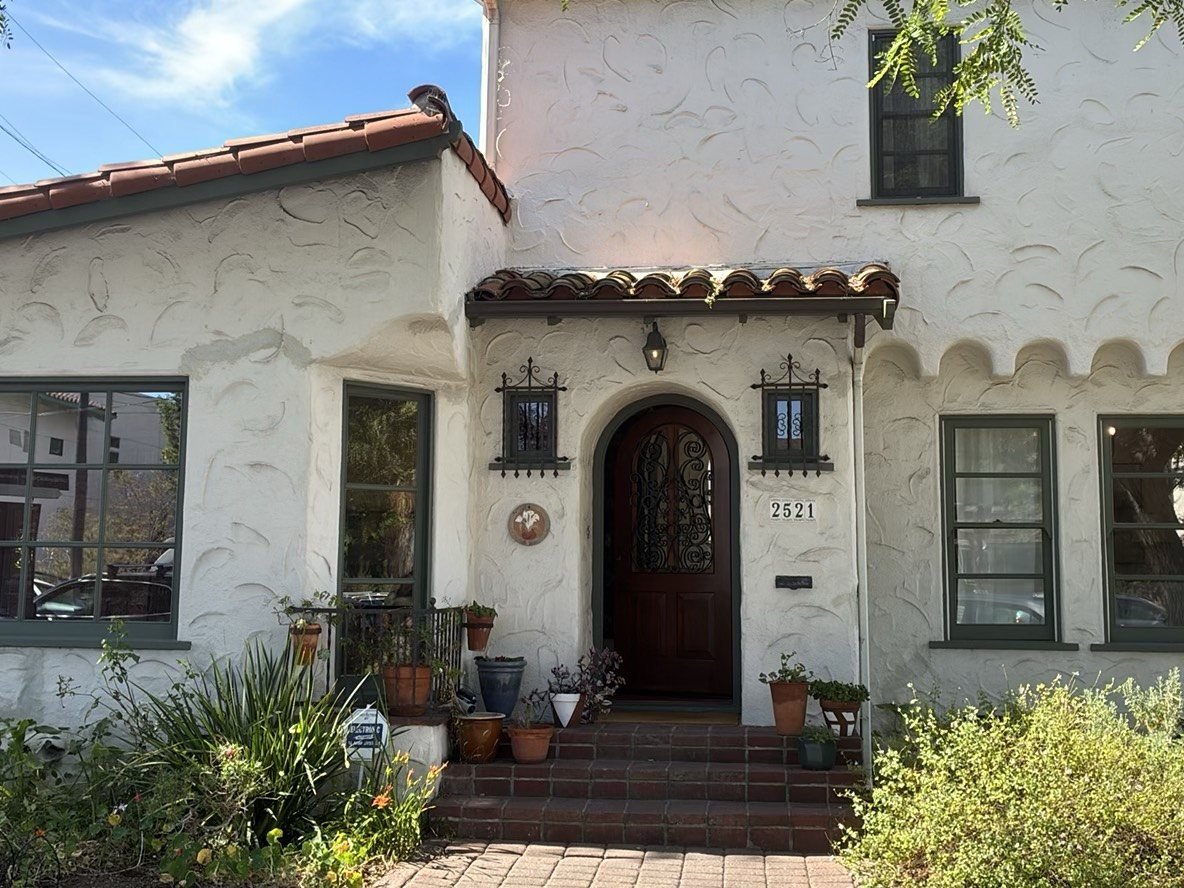
Photos from recent home inspections across San Diego County.
Inspection services in Pine Valley
- 4-point inspection in Pine Valley
- Commercial inspection in Pine Valley
- Commercial roof cleaning in Pine Valley
- Foundation slab survey in Pine Valley
- Pool and spa inspection in Pine Valley
- Roof inspection in Pine Valley
- SB 326 balcony inspection in Pine Valley
- SB 721 balcony inspection in Pine Valley
- SB 721 exemption letter in Pine Valley
- Seller inspection in Pine Valley
- Sewer scope inspection in Pine Valley
- Thermal imaging in Pine Valley
- Warranty inspection in Pine Valley
Nearby areas we serve
Were You Happy With Your Inspection?
We are proud of our 4.9-star rating across 100+ Google reviews. If Joseph and the team did right by you, a quick Google review helps other San Diego County buyers and sellers find us.