
Thermal Imaging Inspection for North Park Homes
Walk a block of 28th Street near the Dryden historic district and nearly every house you pass was framed before the Depression. North Park's craftsman bungalows and Spanish revival cottages are charming and opaque in equal measure: lath-and-plaster walls, original galvanized supply pipe, cast-iron drains, and wiring that may date to the year the water tower went up. Adding an infrared scan to your standard inspection gives me a way to read what those assemblies are doing right now. Evaporating moisture cools a surface. A struggling splice warms one. The camera maps both before escrow closes, not after.
Call (619) 752-4399 Schedule an Inspection
What does the infrared camera cover during a North Park inspection?
An infrared camera does not look through walls — it measures the temperature of every surface it sees, finely enough to expose problems invisible in ordinary light. My sweep takes in ceilings under bath and roof areas, plaster below window sills, the main panel and any subpanels while circuits carry load, attic insulation coverage, registers and duct runs with the HVAC operating, and the surfaces around water heaters and laundry hookups.
Four categories of defect show themselves this way: moisture intrusion and active plumbing leaks, insulation that is missing, slumped, or soaked, electrical terminations running hotter than their neighbors, and conditioned air leaking out of the duct system before it reaches a room. Each suspect area gets cross-checked — usually with a moisture meter — before it goes in the report. To be clear about the limits: infrared is not an x-ray and it cannot certify that nothing is hidden. It sharpens the inspection; it does not replace one.
Why does a century-old neighborhood reward a thermal scan?
North Park built out between roughly 1912 and the early 1930s, and original systems remain in service behind many of those plaster walls. Knob-and-tube circuits survive in attics off Pershing and through the blocks around Morley Field, frequently tied into modern cable by generations of handymen. Galvanized supply lines corrode shut from the inside; cast-iron and clay drains under the raised floors crack and weep at the hubs.
The climate cooperates with the camera here, too. The marine layer pushes up the mesa most mornings from May through July, and water finds its way past hundred-year-old wood windows and through the parapet caps on flat-roofed Spanish revival homes. Lots backing the fingers of Switzer Canyon sit on soils that move seasonally, flexing old drain lines and the slabs beneath rear additions.
One more North Park wrinkle: the ADU boom. Garages along the alleys are being converted and backyard units are going up everywhere, with workmanship ranging from excellent to improvised. A thermal pass over a new conversion verifies whether the insulation, ductwork, and wet walls were finished as carefully as the paint suggests.
Which anomalies do I keep recording between Morley Field and El Cajon Boulevard?
The same handful of signatures comes up over and over on North Park scans:
- Moisture blooms at parapet walls and roof-deck transitions on flat-roofed Spanish revival houses
- Energized knob-and-tube runs glowing through blown-in attic insulation that should never have covered them
- One breaker lug in a mid-century replacement panel running noticeably warmer than the rest of the bus
- Cool evaporative streaks under west-facing original wood windows after a foggy week
- Ceiling bays over converted garages and fresh ADUs with insulation gaps you could throw a hat through
- Crawlspace ducts on raised-foundation bungalows bleeding supply air at every joint
Most are fixable line items, not deal killers — but you want them on paper while you can still negotiate, not discovered your first winter in the house.
How do I run the scan, and what does your report show?
The scan happens during your regular inspection visit — no second trip, no separate report. I exercise plumbing fixtures early and get the heating or cooling system running so leaks have time to announce themselves and temperature contrast peaks before the camera comes out. Anything the lens flags gets physically verified, because plaster shadows, drafts, and sun-warmed walls can all mimic real defects.
Your HomeGauge report arrives the same or next day. Every confirmed anomaly appears as a paired set — thermal image beside a conventional photo of the same spot — with a plain-language note on what the pattern indicates and a specific next step. Where the evidence points to concealed wiring trouble or a suspected slab or supply leak, I refer the right licensed electrician, plumber, or leak-detection specialist for invasive testing; pressure-testing lines and opening walls fall outside a home inspection. And because I never bid on or perform repairs at properties I inspect, the findings carry no sales agenda.
Who is the inspector behind the camera?
I'm Joseph Romeo, owner and lead inspector at The Real Estate Inspection Company — an InterNACHI Certified Professional Inspector who also holds a CSLB General Contractor license (#1113143). Twenty-plus years and more than 10,000 inspections have included plenty of pre-1930 San Diego housing, and a contractor's eye tells you whether a warm stripe is a chimney chase doing its job or a junction box cooking under the insulation. Clients have rated the work 4.9 stars across 106 Google reviews, and agents working the North Park market know the reports arrive fast enough to fit a ten-day contingency. Reach me directly at (619) 752-4399 or joe@sandiegohomeinspection.com.
How does infrared pair with other North Park inspections?
Thermal imaging earns its keep as a layer on top of a complete evaluation, so start with the full North Park home inspection — roof, crawlspace, foundation, electrical, plumbing, and HVAC are the context every infrared finding needs. Given the age of the framing here, a wood-destroying-organism report is usually a smart companion; that is not a service we perform, but we coordinate a licensed termite specialist so your escrow timeline holds. The complete add-on lineup is on the services page, current pricing lives on the fee schedule, and you can contact us to lock in an inspection date.
North Park Thermal Imaging Inspection FAQs
Can an infrared scan catch a leaking cast-iron drain in a North Park bungalow?
Will the camera tell me whether my walls have any insulation at all?
Is thermal imaging worth it on a flipped or freshly remodeled house?
Should a brand-new ADU or garage conversion get scanned too?
What does the thermal imaging add-on cost?
What happens when the camera finds a hot spot in my electrical panel?
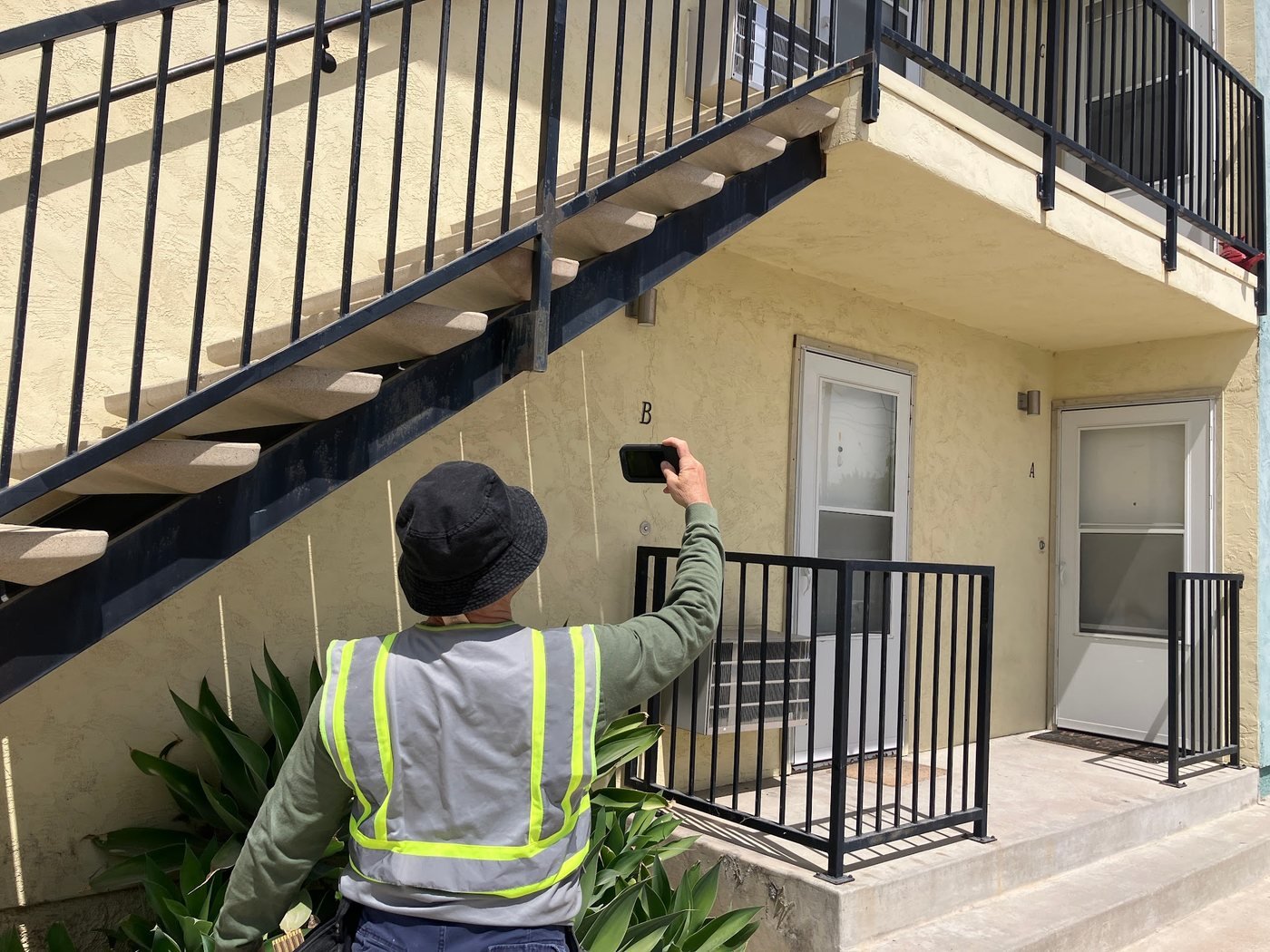
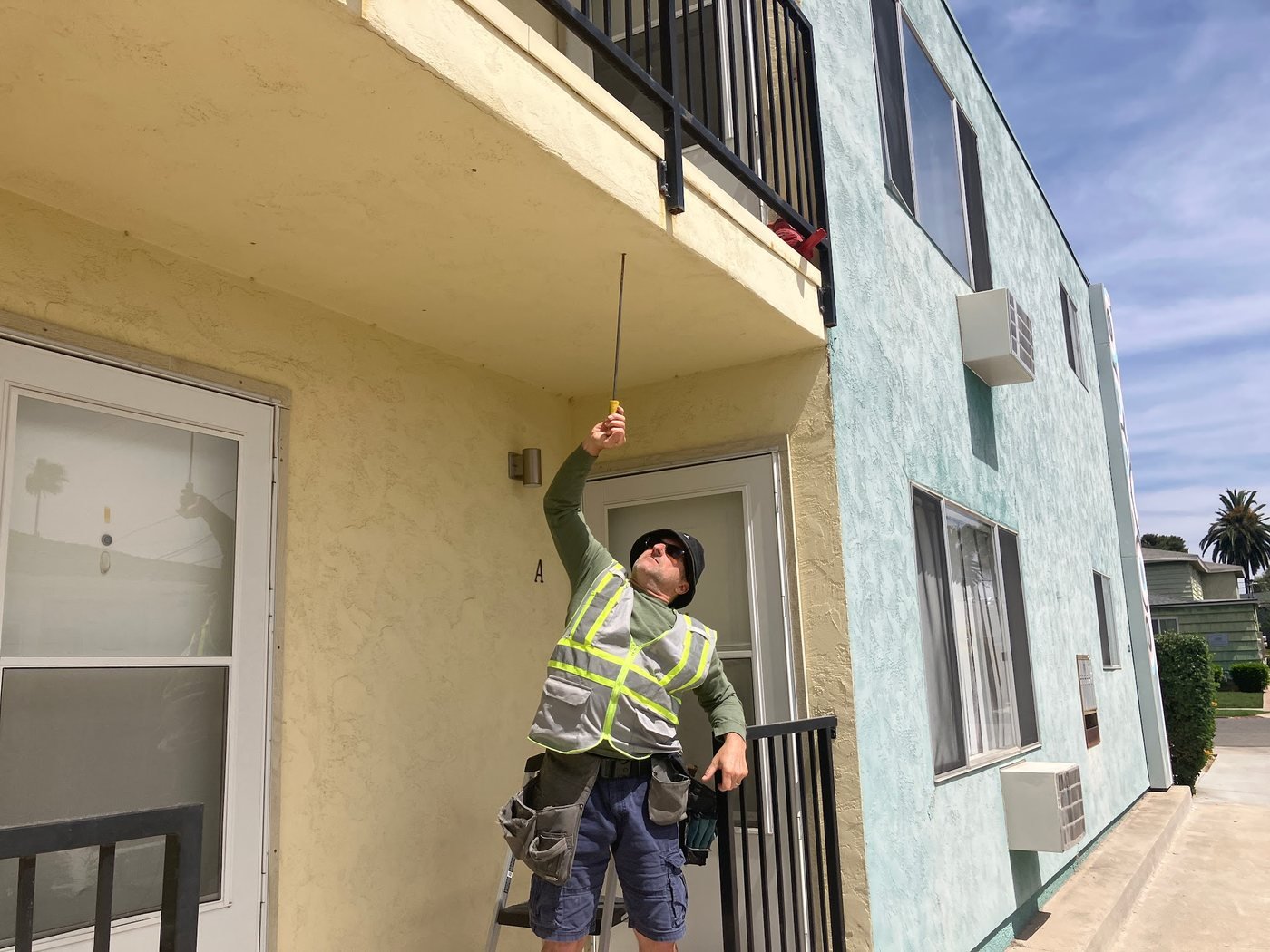
Thermal scanning in action
Our inspectors use FLIR thermal cameras to find moisture and heat issues hidden in walls and soffits.
More inspections in North Park
- Commercial inspection in North Park
- Pool and spa inspection in North Park
- Sewer scope inspection in North Park
- 4-point inspection in North Park
- Home inspection in North Park
Nearby and countywide
Were You Happy With Your Inspection?
We are proud of our 4.9-star rating across 100+ Google reviews. If Joseph and the team did right by you, a quick Google review helps other San Diego County buyers and sellers find us.