
11-Month Warranty Inspection in North Park
Most of North Park predates World War II — the craftsman bungalows around the water tower have been settling for a century. Yet this is also one of San Diego's busiest infill markets: row homes and podium townhouses along 30th Street and University Avenue, detached ADUs on alley lots behind 1920s bungalows, teardown rebuilds above Switzer Canyon. Each project came with a builder's first-year warranty, and that clock is running.
An 11-month warranty inspection is a top-to-bottom evaluation of the new construction, timed so the defect list lands on the builder's desk while the builder still owns the repairs. Miss the anniversary, and the identical list becomes your renovation budget.
Call (619) 752-4399 Schedule an Inspection
What does the 11-month warranty inspection cover?
We treat the eleven-month visit as a complete home inspection, weighted toward assemblies the builder must correct:
- Roof and rooftop decks — we evaluate the coating, scuppers, railing attachment, and the door threshold where most first-year leaks begin.
- Building envelope — stucco terminations, control-joint cracking, window flashing, and sealant joints that shrank through their first summer.
- Structure and foundation — new slabs examined for early movement, plus how the pad sheds water on lots falling toward Switzer Canyon.
- Electrical — panel workmanship, AFCI and GFCI coverage, EV-charger circuits, labeling that matches the breakers.
- Plumbing — every fixture run under load, tankless water heater installation and venting, and the tie-in where new pipe meets old infrastructure.
- HVAC — heat pumps and mini-splits cycled in both modes, condensate traced to a sensible termination.
- Interior finishes — racked doors, drywall cracking, grout separation: fit-and-finish items California law warrants for exactly one year.
Findings are written as warranty claims should be — photo, location, defect, and the standard the work falls short of.
Where does North Park's new construction go wrong first?
North Park's new builds get squeezed into a neighborhood platted before 1915, and the friction shows up in predictable places:
- Alley ADUs on century-old services. A detached unit behind a bungalow usually shares the original lot's sewer lateral and electrical service; the new build may be flawless while those connection points fail first, so we document both ends.
- Rooftop decks and parapets. Coating failures, ponding at scuppers, and railing posts that penetrate the membrane are the most common builder-owed defects we photograph in this zip code.
- Canyon-edge pads. Lots backing Switzer Canyon get cut-and-fill grading, and the first wet winter reveals whether the drainage plan was real.
- Zero-lot-line drainage. Small-lot builds leave inches between structures; we trace every downspout to its real destination.
- Historic-district adjacency. Projects near the Dryden district sometimes pair a preserved street-facing structure with new framing behind it — the seam is a recurring source of cracking and improvised flashing.
- Local builders, informal warranties. Much of this work comes from small contractors without a warranty department; your documentation is the entire claims process.
Which defects does a year of use produce on these new builds?
By month eleven, a dry summer has shrunk framing and sealant, and winter storms have tested every flashing decision. The recurring entries on North Park reports:
- Deck coating wear and ponding on roof decks that see real use.
- Hairline stucco cracks fanning off window corners on three-story builds — individually cosmetic, collectively a fit-and-finish claim worth submitting.
- Sliders and tall doors out of adjustment after framing shrinkage; multi-panel patio doors are the usual offenders.
- Condensate lines that quit — no slope, clogged at the first elbow, or terminating where a stucco stain is the only alarm.
- Drainage shortcuts — area drains never connected, landscape fabric over the inlet, hardscape that settled and now pitches at the building.
- Punch-list orphans — missing garage-ceiling insulation, a bath fan exhausting into the attic, anti-tip brackets never installed.
Equally important, we separate genuine defects from ordinary seasonal movement, so your submission carries weight instead of padding.
How do scheduling, the walkthrough, and your report work?
Work backward from your one-year anniversary — typically closing or certificate of occupancy. Calling around month ten leaves room to inspect, review, and file without racing the calendar. Some contracts demand written notice on the builder's own form; check yours — that date controls.
On site, Joseph Romeo works roof to slab, operating fixtures, cycling equipment, and walking decks wherever safe access allows. Join for at least the wrap-up; ten minutes at a ponding scupper teaches you more than any email thread will.
Your HomeGauge report lands the same day or next morning, organized so each item drops into a warranty submission as-is. Where a finding needs a specialist — a sewer camera, an engineer's opinion, a termite or wood-destroying-organism question — we refer the right licensed pro. We don't pressure-test concealed piping, and we don't bid or perform repairs; the report has no agenda beyond accuracy.
Which credentials stand behind the warranty claim?
The inspector is an InterNACHI Certified Professional Inspector who also holds CSLB General Contractor license #1113143. Builders take a defect list exactly as seriously as the person who signed it. Joseph Romeo is an InterNACHI Certified Professional Inspector who also holds a California general contractor license (CSLB #1113143) — he has framed, flashed, and finished the assemblies he now documents. The report explains what correct installation looks like, not just that something seems off.
- Twenty-plus years and 10,000+ inspections across San Diego County — bungalow to row home to alley ADU.
- 4.9 stars across 106 Google reviews, many citing reports that held up under negotiation.
- No repair upsell, ever; the fix is between you and your builder.
For the record: our credentials are InterNACHI CPI certification and the CSLB license — not ASHI or CREIA membership. Pricing isn't published on city pages; the fee schedule shows how fees scale.
Which other North Park inspections are worth knowing about?
One street over from any new build sits a craftsman pushing a hundred, so these services stay busy too:
- Buyer's home inspection — the workhorse for 1910s–30s housing: knob-and-tube remnants, galvanized supply pipe, cast-iron drains under original bathrooms. Start at our North Park home inspection page.
- Sewer scope coordination — the clay laterals under these blocks are over a century old; we arrange the camera work.
- Thermal imaging — locates missing insulation in pre-war walls and hidden moisture in new construction alike.
- Pre-listing inspection — sellers in a hot corridor clear the deck before the buyer's inspector arrives.
The complete menu is on our services page, or call (619) 752-4399 and describe the property.
North Park 11-Month Warranty Inspection FAQs
When is the right time to book a warranty inspection in North Park?
I bought a new row home with an HOA. What do you actually inspect?
Can the inspection cover just the new ADU behind my 1920s house?
The house still looks brand new. Is an inspection really worth it?
My builder calls the stucco cracks normal settling. How do you respond?
What does an 11-month warranty inspection cost in North Park?
New-home documentation
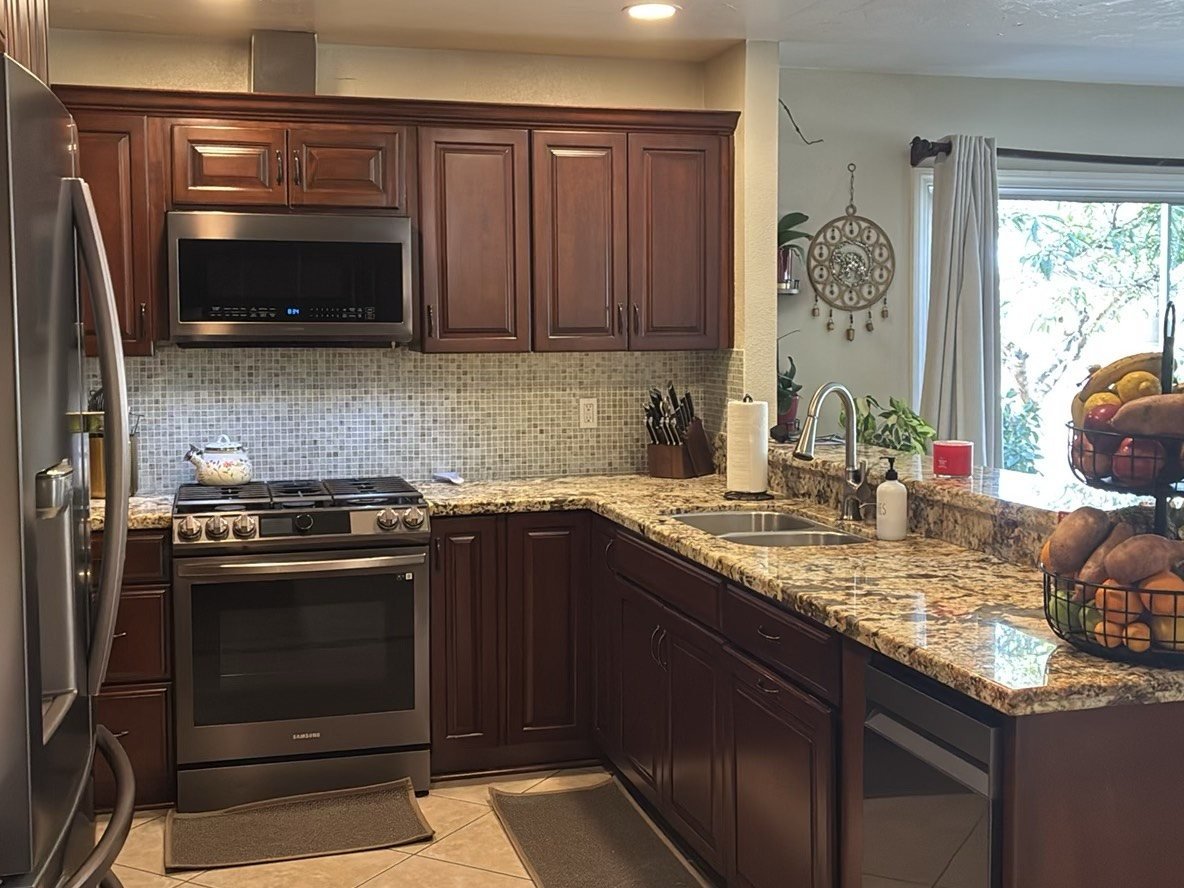
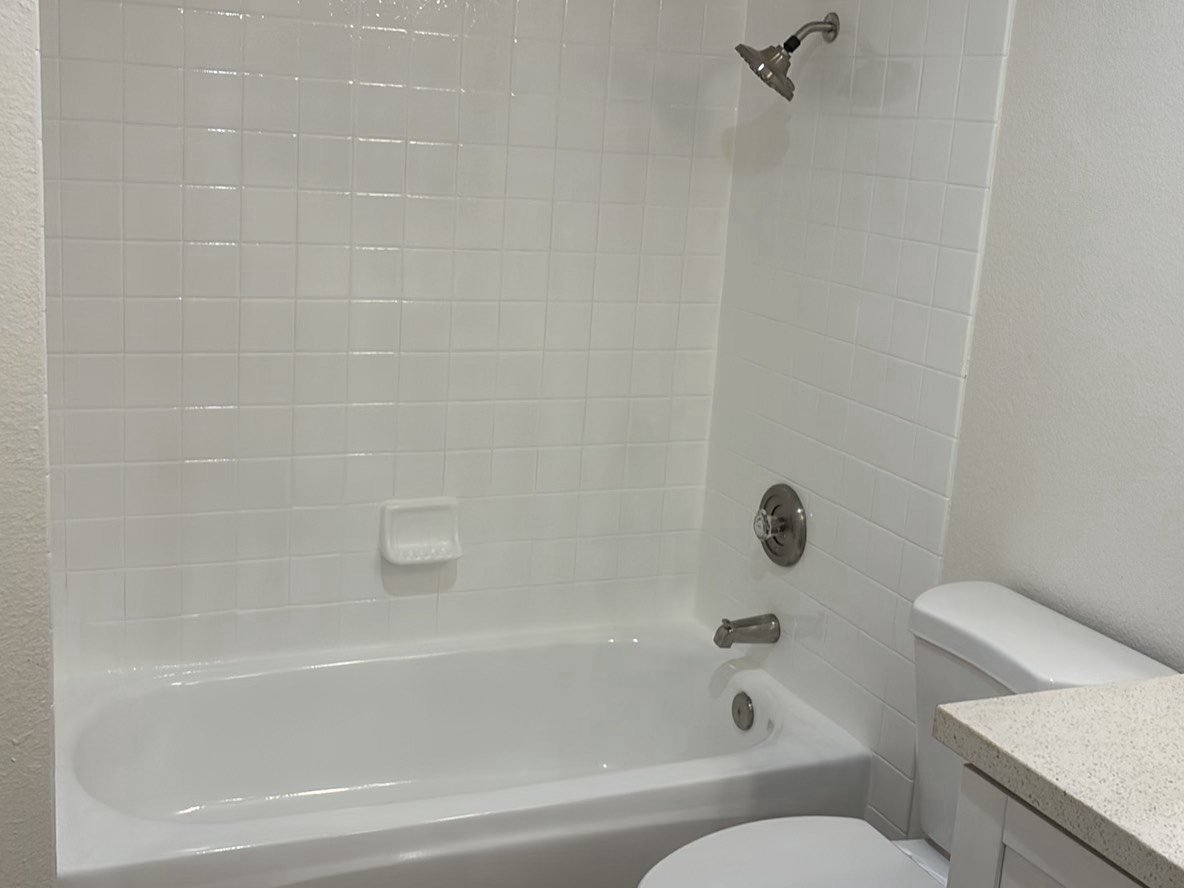
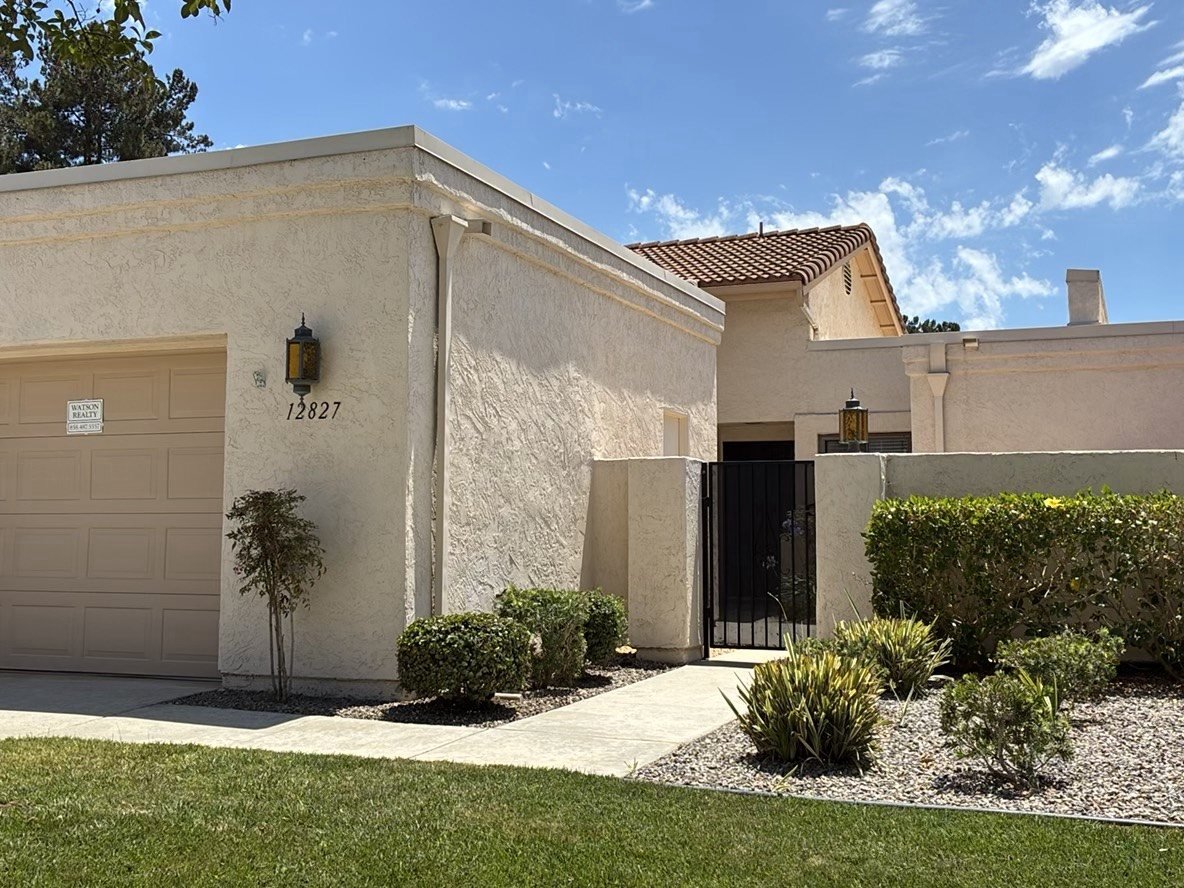
Photos from 11-month builder warranty inspections of newer San Diego homes.
More inspections in North Park
- Commercial roof cleaning in North Park
- Commercial inspection in North Park
- Pool and spa inspection in North Park
- Sewer scope inspection in North Park
- Home inspection in North Park
Nearby and countywide
Were You Happy With Your Inspection?
We are proud of our 4.9-star rating across 100+ Google reviews. If Joseph and the team did right by you, a quick Google review helps other San Diego County buyers and sellers find us.