
SB-721 Balcony Inspection in North Park
Between University Avenue and El Cajon Boulevard, North Park holds more rental housing per block than nearly any inland neighborhood in San Diego. The mix is unmistakable: craftsman duplexes and Spanish revival courtyard buildings from the 1910s through the 1930s, the stucco Huffman walk-ups that replaced many of them in the 1970s and 80s, and mixed-use podium projects climbing along 30th Street. Almost every one carries wood-framed balconies, exterior stairs, or open walkways somewhere on the lot, and where a building rents three or more units, California's SB-721 requires a qualified professional to evaluate those elements — the initial deadline of January 1, 2026 is already behind us. I'm Joseph Romeo, owner of The Real Estate Inspection Company, and North Park is one of the busiest neighborhoods on my SB-721 calendar.
Call (619) 752-4399 Schedule an Inspection
Which North Park buildings and elements fall under SB-721?
The law reaches apartment properties of three or more dwelling units, and within them, the exterior elevated elements: balconies, decks, stair systems, landings, and walkways framed substantially in wood, carrying occupant loads, with a walking surface higher than six feet off the grade below. Guards, handrails, and the waterproofing assemblies protecting all of that wood are inside the scope too. A sample of at least 15 percent of each element type must be examined, the findings go into a stamped-and-signed report, and the cycle repeats on a six-year clock now that AB 2579 has fixed the first due date.
North Park's housing history creates judgment calls. A craftsman bungalow whose rear addition became a triplex decades ago qualifies on unit count, though it may own nothing elevated beyond a back stair. A Spanish revival court of single-story casitas usually has zero qualifying elements. A 30th Street building with retail at the sidewalk and four apartments upstairs is covered — dwelling-unit count controls, not the storefront. Condominium associations, including North Park's many converted buildings, answer to the companion statute SB-326 instead. Send me an address and I'll tell you which law you're under before you spend a dollar.
How does a century of North Park construction shape balcony risk?
It puts wildly different assemblies on one route, each aging its own way — old-growth porches with no flashing, and stucco-sealed Huffman balconies that hide leaks for years. Few neighborhoods put a 1915 sleeping porch and a 1978 carport balcony on the same inspection route. North Park's prewar stock was built from old-growth Douglas fir that shrugs off decay better than anything milled since, but its weatherproofing details — tar paper, butt-jointed trim, paint as the only membrane — predate modern flashing entirely. The hardware on a surviving second-story porch is the same vintage as the knob-and-tube wiring and galvanized supply pipe inside, and corroded fasteners fail long before sound lumber does.
Then came Ray Huffman. His namesake walk-ups went in by the hundreds across North Park, and their signature detail — a projecting balcony framed into the wall above tuck-under parking — is precisely the assembly that motivated this statute, because the structural wood lives sealed inside stucco where leaks announce themselves only after years of damage.
Location adds its own pressures. North Park sits far enough inland that the marine layer burns off early, so ultraviolet exposure, not salt, is the dominant enemy: deck coatings chalk, split, and let winter rain into the seams. Properties backing Switzer Canyon hang decks over slope on tall posts, and the neighborhood's mature street trees — ficus especially — heave stair footings and shade side yards that never fully dry.
What do I actually find on North Park balconies and stairs?
On the Huffman buildings, the tell is underneath: a tea-colored stain ring, a hairline crack tracing a joist line, or rust bleeding through the soffit stucco above someone's parking space. Any of those earns moisture readings and, often, a borescope look at the framing before I'll grade the element. Sliding-door thresholds onto those balconies are the other chronic entry point — the original pans were minimal, and the subfloor inboard of the door tells the truth.
On the prewar properties, I expect rear stairs that have been rebuilt piecemeal by a string of owners, mixing redwood, pressure-treated lumber, and whatever the hardware store had that weekend, with bottom treads bearing on dirt or cracked pads. Porch guards from the 1920s frequently anchor into checked posts that grip a fastener but offer no real shoulder, and decorative rail heights from that era sit well below what current safety standards expect. In the narrow gangways between buildings, stringer feet and the lowest treads stay damp in the tree shade and rot from the ground up. Over Switzer Canyon, I look at post bases, knee bracing, and any guardrail that has drifted out of plumb — slope creep works slowly, but it never stops.
How does the job run from first call to finished report?
Reach me at (619) 752-4399 or joe@sandiegohomeinspection.com with the address, the unit count, and a rough inventory of balconies, stairs, landings, and walkways. From that I set the statutory sample, quote from the published fee structure, and tell you which units or carports need access — the typical North Park property wraps in half a day.
The fieldwork is hands-on. Every sampled element gets a close visual pass, moisture metering at stains, penetrations, and post bases, a test of guards and rails under real load, and probing of any suspect wood. Where the evidence points to concealed deterioration that can't be confirmed from the surface, I'll recommend a small intrusive opening — agreed with you first, sized for a borescope, easily patched. The deliverable is a photo-rich HomeGauge report in your inbox the same or next day, grading each element into one of three bins: performing as designed, due for repair within the statutory window, or an immediate hazard. That last grade requires the element to be closed off at once and carries notification duties to the local enforcement agency, and the report is structured so your contractor or engineer can price the fix straight from my photos and notes.
Why do owners hand this job to a contractor-inspector?
The statute lets several license types perform this evaluation. Mine is the pairing that earns its keep on buildings this old: InterNACHI Certified Professional Inspector plus an active California general contractor license, CSLB #1113143, with twenty-plus years and north of 10,000 inspections behind the clipboard. Grading a 1925 porch and a 1978 cantilever on the same morning takes someone who has built and repaired both assemblies, because the hard call is never whether the wood looks tired — it's whether the element still carries its load safely.
Just as important is what I don't do. I never bid or perform the repairs my findings create, so a tough grade buys me nothing, and when repair design crosses into engineering territory I say so and connect you with the right licensed professional. The track record is public: 4.9 stars across 106 Google reviews from owners, buyers, and property managers around the county.
Which related inspections do North Park properties need?
An SB-721 visit often opens a longer conversation about a building this age. The pairings I book most in North Park: sewer camera runs, because original clay and cast-iron laterals under these lots are a century old and the street trees have found every joint; full multifamily purchase inspections for buyers acquiring a court or walk-up, folding the knob-and-tube remnants, galvanized piping, and panel capacity questions into one document; and SB-326 evaluations for the neighborhood's converted condo buildings. Owners adding an ADU over a garage should know its new stair and landing join the SB-721 inventory at the next cycle. Termite and wood-destroying-organism reports come from a licensed pest operator I'll coordinate, not from me. The complete lineup lives on the services page, fees are published on the fee schedule, and the wider neighborhood picture — single-family, condo, and investment work — lives at the North Park home inspection hub. Booking runs through the contact page or a direct call.
North Park SB-721 Balcony Inspection FAQs
Does my North Park Huffman building need an SB-721 inspection?
Our building sits in a North Park historic district. Will the inspection harm original fabric?
We have shops at the sidewalk and four apartments upstairs on 30th Street. Are we covered?
The January 2026 deadline passed and we never inspected. What now?
What happens if an element gets the worst grade?
How is an SB-721 inspection priced in North Park?
Properties we inspect
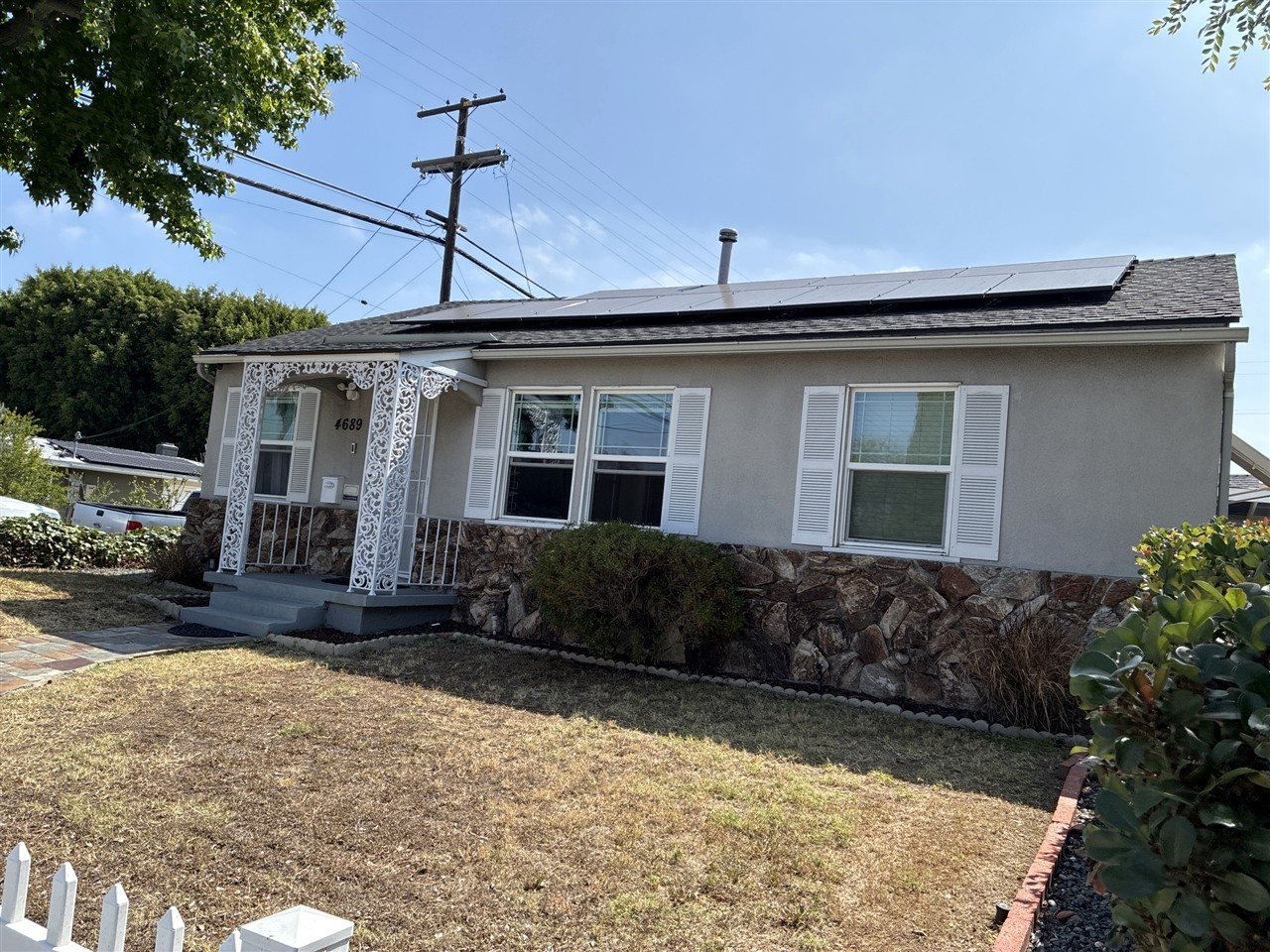
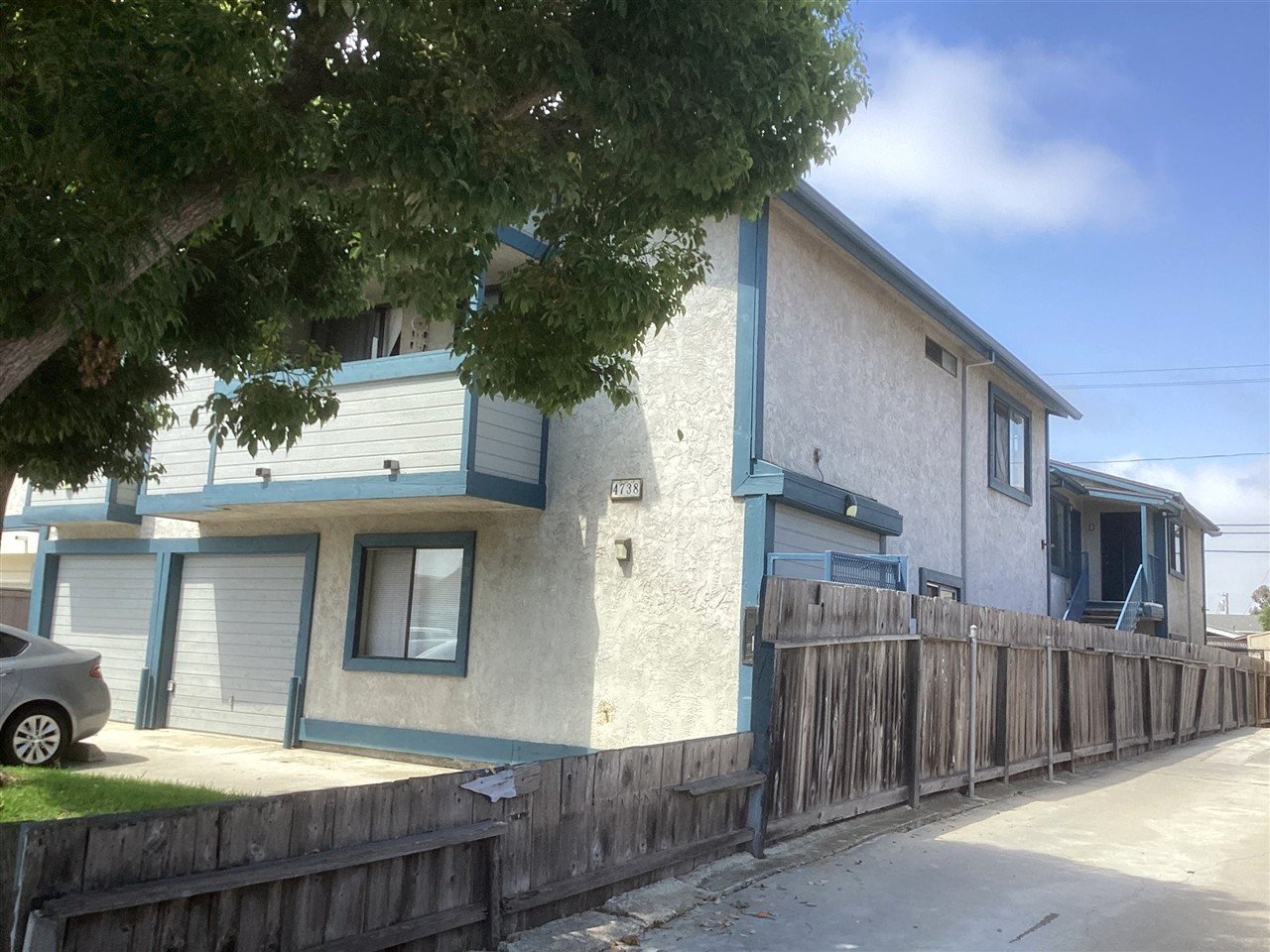
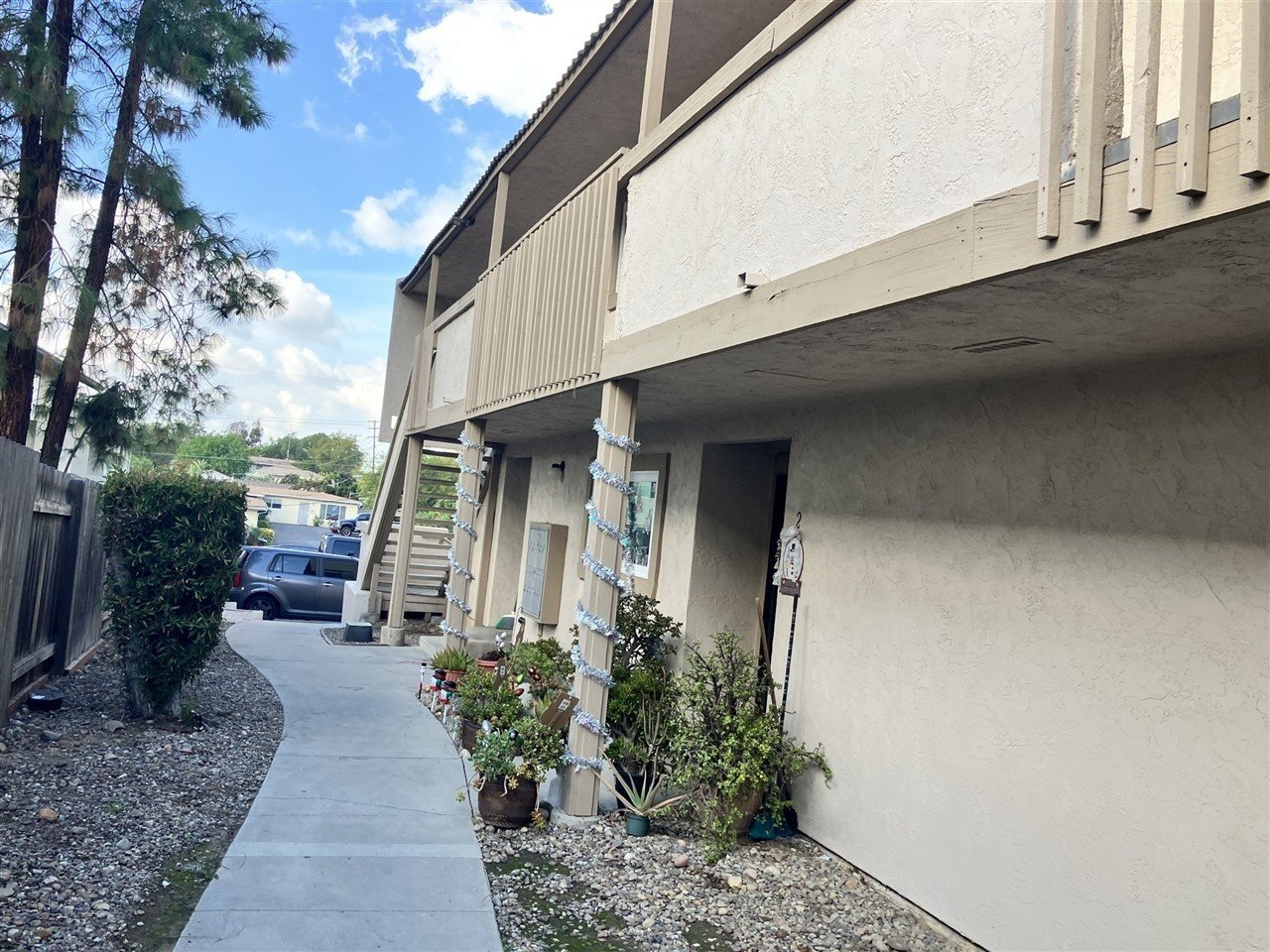
Multi-unit properties documented for SB 721 balcony compliance across San Diego County.
More inspections in North Park
- Pool and spa inspection in North Park
- Sewer scope inspection in North Park
- 4-point inspection in North Park
- Roof inspection in North Park
- Home inspection in North Park
Nearby and countywide
Were You Happy With Your Inspection?
We are proud of our 4.9-star rating across 100+ Google reviews. If Joseph and the team did right by you, a quick Google review helps other San Diego County buyers and sellers find us.