
Home Inspection in North Park, San Diego, CA
The water tower above Howard Avenue has stood over North Park since 1924, and a lot of the houses below it are older still. This was San Diego's streetcar suburb: craftsman bungalows rose along the University Avenue car line through the 1910s, Spanish revival cottages followed in the twenties and early thirties, and entire blocks — Dryden, Morley Field, the streets east of 28th — now hold historic designations or Mills Act contracts. Buying here usually means buying a hundred years of wiring, plumbing, and remodel decisions layered on top of each other, often with a freshly built ADU on the alley for good measure.
This page explains how we take that puzzle apart: the scope we work to, the North Park conditions we go hunting for, the defects that turn up again and again, and how the findings land in your hands while you can still negotiate. Call (619) 752-4399 or send the address through our contact page — tell us your contingency date and we schedule around it.
Call (619) 752-4399 Schedule an Inspection
What does the InterNACHI scope cover on a century-old North Park home?
Every inspection we perform follows the InterNACHI Standards of Practice — a written, published scope covering each major system that is visible and safely accessible. On a 1910s-30s North Park house, that scope translates into specifics:
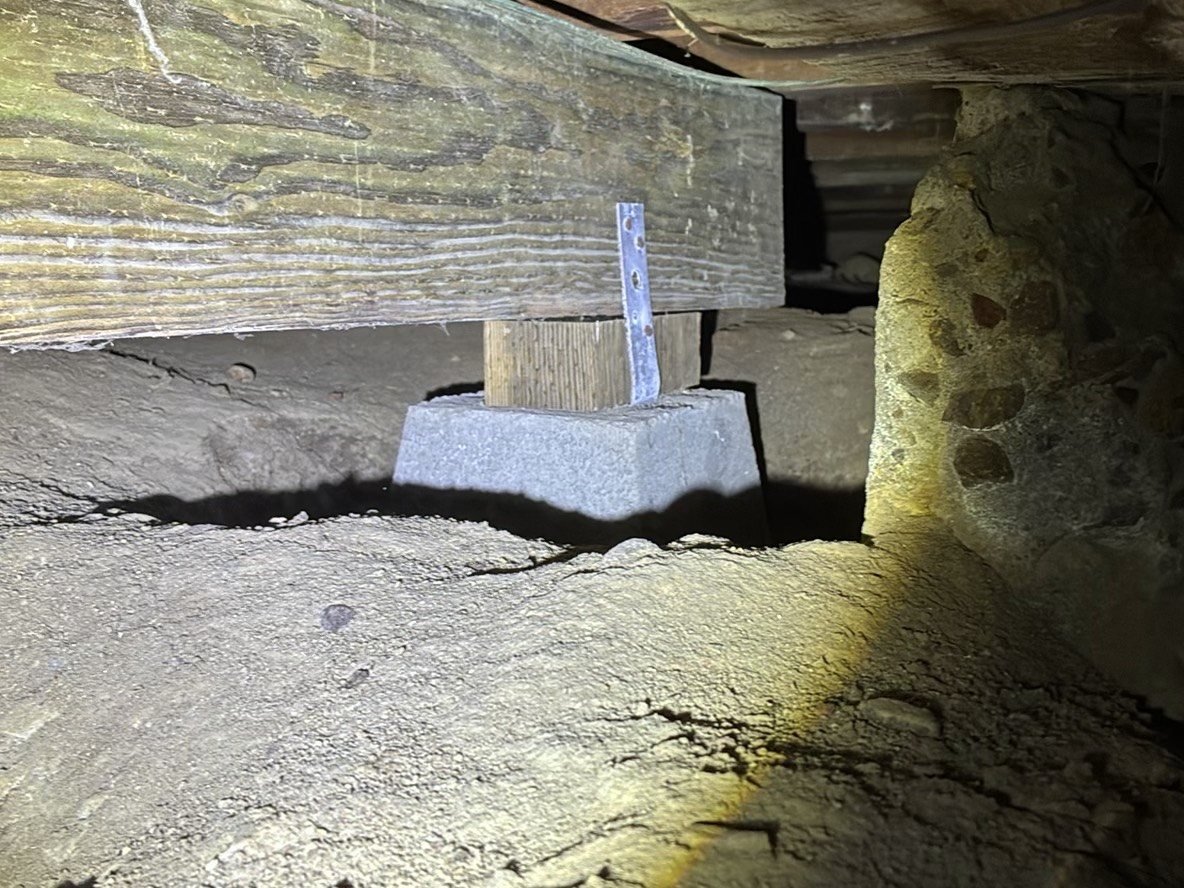
- Foundation and underfloor — perimeter stem wall condition, pier-and-post framing beneath the original floors, whether anyone has ever bolted the sill plates, and any dampness, fungal staining, or amateur framing repairs down in the crawl
- Roof system — how many shingle layers ride the original skip sheathing, parapet and flat-roof details on the Spanish revival stock, chimney flashing, and attic ventilation that often amounts to two gable vents and hope
- Electrical — service capacity, panel manufacturer, grounding path, GFCI protection, and the cloth-wrapped or knob-and-tube circuits this vintage hides above the lath
- Plumbing — original galvanized steel supply lines against later copper or PEX, cast-iron and clay drainage, functional flow testing, and the water heater's age, seismic strapping, and combustion venting
- Heating and cooling — surviving wall and floor furnaces, the retrofit mini-splits half the neighborhood has added, and duct condition where forced air was installed
- Exterior and interior — stucco that was troweled over original wood siding decades ago, vintage sash windows, porch structures, detached garages, and any alley-facing accessory unit
Where a finish, a stored household, or a safety hazard blocks access, the report says so plainly rather than guessing. The complete lineup of inspection types we offer is on our services page.
What does North Park's housing make us check first?
Work a neighborhood long enough and it hands you a checklist of its own. Ours for North Park looks like this:
- Historic designations and Mills Act contracts. Designated houses in Dryden and the surrounding districts carry obligations to preserve original fabric, which raises the stakes on every deteriorated window, porch column, and roofline detail. We document the condition of that fabric carefully, because future repairs may have to be done the harder, costlier, period-correct way.
- First-generation wiring. Some of this stock predates the 1920s, which means the earliest knob-and-tube installations, brittle cloth insulation, and circuits that have been spliced repeatedly across a century of ownership. We follow what is visible through the attic and crawl and map where modern Romex ties into hundred-year-old conductors.
- Stucco-over-siding reclads. Mid-century owners stuccoed over a great deal of original redwood siding here. Done poorly, the assembly traps moisture against the wood, and the damage stays invisible until probing at the base of walls tells the story.
- Canyon-edge lots. Properties backing Switzer Canyon and the ravines toward Burlingame sit on slopes where drainage, erosion, and deck or stair structures built over the hillside all deserve scrutiny.
- Marine-layer mornings. Even this far inland, May and June gray keeps shaded stucco walls and painted-shut sash windows damp into the afternoon. Bathrooms without exhaust fans — common in unrenovated bungalows — show it first as mildew at ceiling corners and window stools.
- Density and alley units. North Park's rental demand has converted garages and stacked new ADUs onto small parcels, sometimes sharing a single original sewer lateral and electrical service that were never sized for the load.
Which defects repeat in North Park homes, house after house?
Certain report entries here we could nearly write before knocking on the door:
- Obsolete or hazardous panels — Zinsco and Federal Pacific equipment from mid-century upgrades, occasionally a live fuse box behind them
- Ungrounded three-slot receptacles scattered through partially rewired rooms
- Supply pressure that collapses when a second fixture opens — the signature of galvanized pipe rusted nearly shut from within
- Cast-iron drains scaling and splitting at the bottom of the pipe, where decades of flow wore the metal thin
- Root-choked clay laterals under the mature parkway trees that give these streets their canopy
- No seismic hardware — unbolted sills and unbraced cripple walls on raised foundations that have never seen a retrofit
- Roofs at the end of a third layer, with the sheathing telegraphing every sag
- Attic bedrooms and rear additions framed without permits, short on headroom, egress, or honest structure
- Wall furnaces past their service life, scorched, unserviced, or abandoned behind furniture
- Bare-earth crawlspaces holding moisture under the shaded side of closely spaced houses
Almost none of this kills a purchase. Each item gets a severity rating in the report, which lets you and your agent split true safety problems from the ordinary backlog of a hundred-year-old home when the repair request gets written.
How does the process, timing, and HomeGauge report work?
Booking starts with the address, the property details — ADUs and converted spaces add time, so tell us up front — and your inspection contingency deadline. We review the listing and the seller's disclosures before arrival, which means we show up already curious about the "updated electrical" claim and the roof certification from 2014.
On site, a typical North Park bungalow or Spanish revival runs two and a half to three and a half hours. Come for the final 30 to 45 minutes if you possibly can; ten minutes at the electrical panel or the crawlspace hatch with the inspector beats an hour of reading later. Your HomeGauge report is delivered the same day or by the next morning — photo-documented, sorted by system, with a summary built for the negotiation table.
Specialty items go to specialists. Termite and wood-destroying-organism reports require a licensed structural pest operator in California, so we coordinate that visit alongside ours; lateral camera work, foundation engineering, and similar evaluations get referred the same way. We never bid on or perform the repairs we report, so nothing in the findings is selling you anything. For pricing, see the fee schedule — we confirm exact numbers once we know the property.
Why does a contractor's license matter on a North Park block?
A North Park house built in 1915 has survived ten or twelve owners, each with their own budget and their own handyman. Reading the result accurately is a builder's skill as much as an inspector's. Joseph Romeo, owner and lead inspector, is an InterNACHI Certified Professional Inspector (CPI) and holds CSLB General Contractor license #1113143 — he has framed, wired, and plumbed the kinds of assemblies he now evaluates.
- More than 20 years and 10,000+ inspections in San Diego County, heavy on exactly this pre-war urban stock
- 4.9 stars across 106 Google reviews, many from agents working the 30th Street and University Avenue corridors who order us by name
- Plain-language findings — what threatens safety, what is normal aging for 1925, and what belongs on your five-year plan instead of the repair request
North Park is a short drive from our base, and every community we cover is listed on the service-areas page.
Which inspections do North Park buyers add to the appointment?
Because of the age and density of this housing, a few add-ons earn their fee here more reliably than almost anywhere else we work, and all of them fold into a single visit:
- Sewer scope — on streets where the lateral is original clay under big trees, the camera is cheap insurance against a five-figure surprise in year one
- Thermal imaging — surfaces hidden moisture inside plaster walls, stucco-clad additions, and flat roof sections before it becomes visible damage
- ADU, duplex, and multi-unit inspections — for the income properties and alley units that drive so much North Park buying
- Pre-listing inspections — sellers of designated or simply old houses use these to answer the wiring and sewer questions before a buyer's inspector asks them mid-escrow
- 4-point inspections — the condensed roof, electrical, plumbing, and HVAC report some insurance carriers require before binding coverage on older homes
Tell us what your transaction calls for when you request a quote, and browse the full services menu to see everything that can ride along with the standard inspection.
North Park Home Inspection FAQs
What does a home inspection cost in North Park?
Does a Mills Act or historically designated house change the inspection?
How do you handle knob-and-tube wiring if you find it?
Should I pay for a sewer scope on a North Park bungalow?
Do you also do the termite inspection?
How fast will I have the report, and can my agent use it directly?
What we document
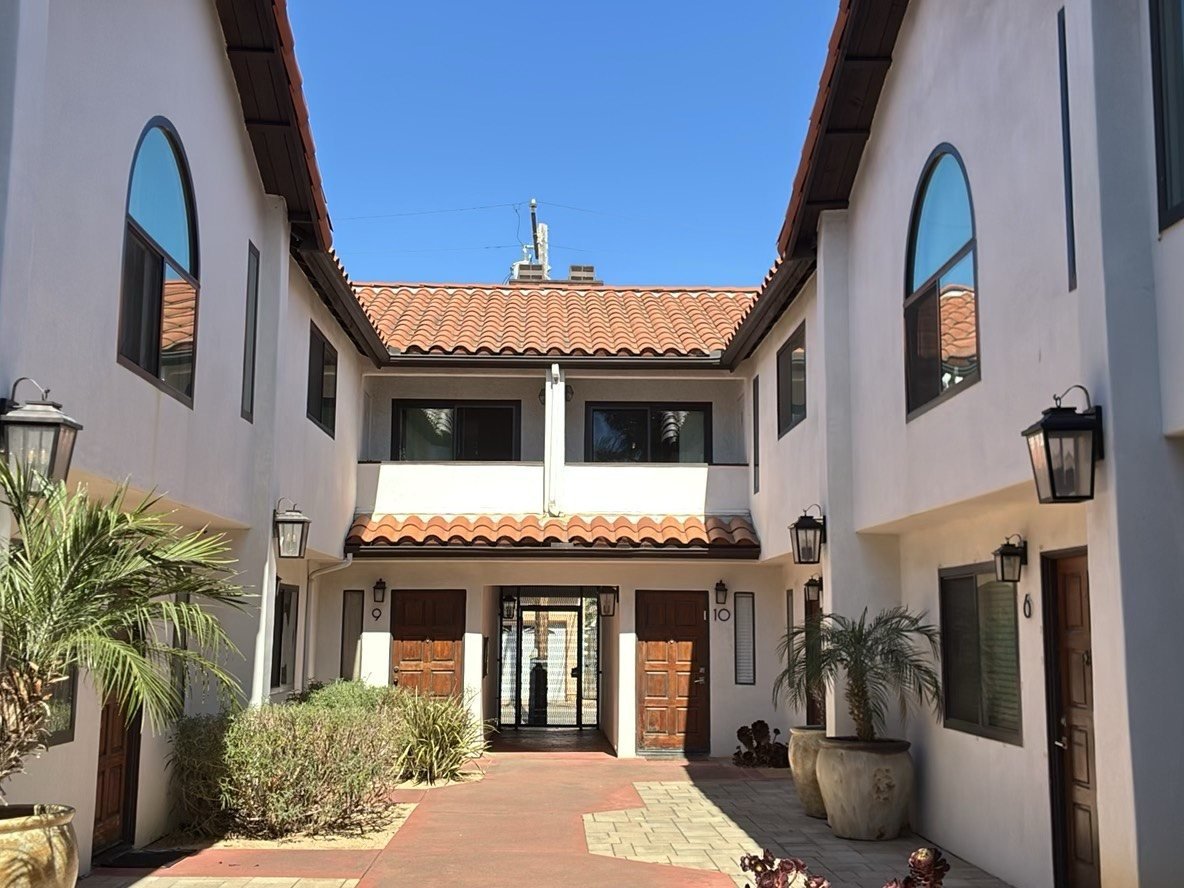
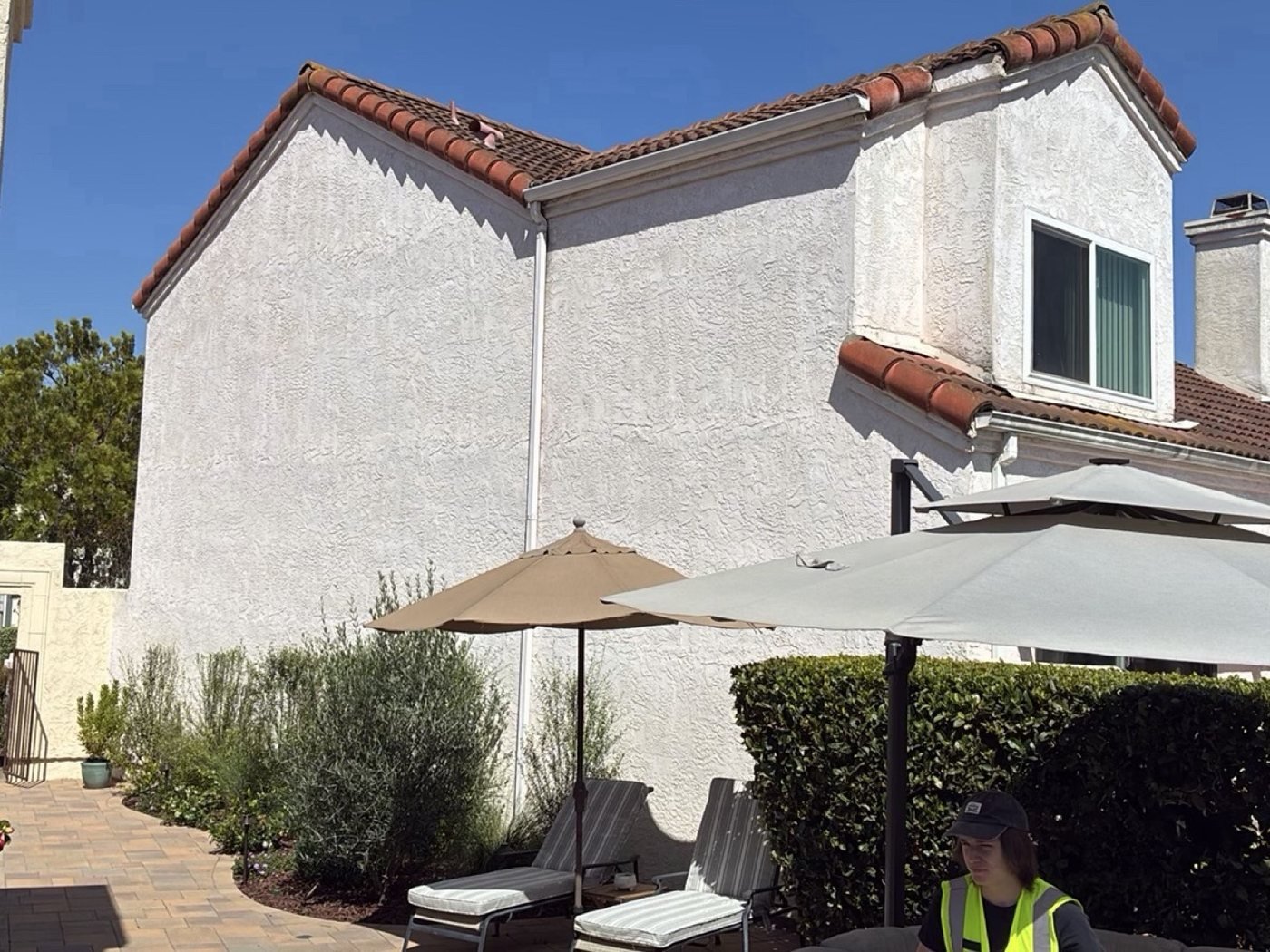
Photos from recent home inspections across San Diego County.
Inspection services in North Park
- 4-point inspection in North Park
- Commercial inspection in North Park
- Commercial roof cleaning in North Park
- Foundation slab survey in North Park
- Pool and spa inspection in North Park
- Roof inspection in North Park
- SB 326 balcony inspection in North Park
- SB 721 balcony inspection in North Park
- SB 721 exemption letter in North Park
- Seller inspection in North Park
- Sewer scope inspection in North Park
- Thermal imaging in North Park
- Warranty inspection in North Park
Nearby areas we serve
Were You Happy With Your Inspection?
We are proud of our 4.9-star rating across 100+ Google reviews. If Joseph and the team did right by you, a quick Google review helps other San Diego County buyers and sellers find us.