
Pool & Spa Inspection in North Park, San Diego
Private pools are the exception in North Park, not the rule. Between 30th Street and Morley Field, maybe one backyard in twenty holds water — typically a gunite rectangle dug in the '50s or '60s behind a 1915 craftsman, or a spa beside a converted alley garage. The Bud Kearns pool handled the neighborhood's swimming for generations, so a private pool or hot tub in a listing here was almost always grafted onto wiring and plumbing decades its senior.
That combination rewards a careful visual inspection: shell, deck, equipment pad, electrical bonding, GFCI protection, and the gates and VGB-compliant drain covers that stand between a toddler and the water. I document observable condition; leak pressure-testing and water chemistry go to a pool specialist when the evidence points that way. Most buyers bundle it with a complete North Park home inspection.
Call (619) 752-4399 Schedule an Inspection
What gets inspected on a North Park pool or spa?
Gunite pool, cocktail-size plunge, or hard-wired patio spa — the evaluation runs the same circuit:
- Shell and surface — pebble, quartz, or plaster checked for hollowness and delamination, separating structural cracks from cosmetic crazing
- Deck, coping, and tile band — loose caps, failed mastic, popped tile, crack geometry that hints at soil trouble
- What plumbing shows — skimmer, returns, valves, and the piping at the pad; buried runs sit beyond any visual evaluation
- Pump, filter, and heater — operated through a cycle when energized and reachable, weighed on age and workmanship
- Bonding and GFCI — the equipotential grid, ground-fault protection on motor and light circuits, and whatever panel feeds it all
- Drowning prevention — barrier height, self-closing and self-latching gates, required alarms, and main-drain covers compliant with the federal VGB entrapment law
- Spa-specific gear — jets, blower, control panel, cover, and how the unit draws power
Pressure-testing buried lines and balancing chemistry belong to pool specialists; the report names the referral when warranted.
Why do retrofit pools on craftsman lots cause particular problems?
North Park's housing stock peaked between 1912 and the early 1930s — Spanish revival cottages and craftsman bungalows. Nobody planned a pool on a 25-foot parcel with an alley garage, so the ones that exist generate distinctive findings:
- Original electrical drafted into pool service. Knob-and-tube runs and 1920s panels still feed plenty of these yards; a modern variable-speed pump or spa pack riding on that system is the most consequential thing I trace.
- Galvanized supply and cast-iron drains. Scale from corroded galvanized supply shows up on the tile line and inside heater exchangers; cast-iron under the deck can stay quietly wet for years.
- Equipment with nowhere to live. Pads jammed between house and fence, or in the old alley garage where a gas heater has neither clearance nor combustion air.
- Switzer Canyon rim parcels. South of Juniper the ground drops fast; decks and shells on partial fill get read for rotation, separation, and stair-stepping, with active movement earning a geotechnical referral.
- ADU conversions reshuffling the yard. Garage projects move fences, relocate equipment, and sometimes erase the barrier that satisfied the pool's original permit; on Dryden-district and Mills Act homes any fix must also respect historic constraints.
What do I keep finding behind North Park bungalows?
The defect list off 28th, 30th, and 32nd Streets has a recognizable shape — items to price while your window is open:
- Ground-fault protection that simply isn't there — pool and spa circuits extended from panels that never heard of GFCI
- Bonding lugs hanging loose after a weekend motor swap, interrupting the grid exactly where a wet hand meets metal
- Portable spas on borrowed power — cords routed through window sashes or into ungrounded two-prong receptacles
- Flat mid-century drain covers that predate the VGB rule; these go to the top of every summary
- Barriers that fail in practice — climbable picket fencing, gates swinging the wrong direction, latches mounted low
- Heaters starved for gas on lines sized for a 1920s range, pumps short-cycling with no service records
Safety hazards lead; cosmetic and end-of-life items follow, labeled as such.
How do booking, the site visit, and your HomeGauge report work?
Call or text (619) 752-4399, or send the address to joe@sandiegohomeinspection.com with a note on what's back there. Have the equipment energized and access sorted; on these alley lots that often means asking the listing side about a padlocked gate or a tenant in the ADU.
Once there, I run whatever the controls allow, test every gate and latch, and pace the barrier line, photographing as I go. You're welcome along; two minutes at a filter gauge beats any narrative paragraph.
The HomeGauge report lands within a day, often the same afternoon: plain-English, photo-documented, safety items grouped up front for your agent's repair request, with any specialist referral spelled out in writing.
Why does a contractor's license back every pool opinion?
A retrofit pool wedged behind a 1915 craftsman is a building-trades puzzle before it's a backyard amenity. I'm Joseph Romeo — an InterNACHI Certified Professional Inspector (CPI) who also holds a California general contractor license, CSLB #1113143 — the credential in play when deciding whether a deck crack traces to soil, shrinkage, or the shell.
- 20+ years and 10,000+ inspections countywide, many on mid-city blocks where house and pool date from different eras
- 4.9 stars over 106 Google reviews, built largely on agents who work the 92104 streets
- Zero repair conflict — I never bid or perform the work, so no finding gets padded to justify a repair bill
Leak pinpointing, water balancing, shell engineering, and slope questions each belong to a different license; my report flags the symptom and names the matching referral.
Which other North Park inspections are worth bundling?
On century-old housing the pool seldom tops the risk list; these pair naturally in one visit:
- Full home inspection — foundation to ridge, including the era wiring that typically supplies the pool pad; details at the North Park home inspection hub
- Lateral camera scope — the clay and cast-iron sewer runs beneath these blocks collect roots, bellies, and offsets
- Thermal imaging — hot spots on equipment circuits, concealed dampness where the deck abuts the house
- Specialist coordination — termite/WDO, leak detection, and geotechnical questions handled by referral to the appropriately licensed specialist, documented in your report
Not sure what an address needs? Reach out via the contact page, or review the service lineup and fee schedule.
North Park Pool & Spa Inspection FAQs
What does a pool and spa inspection cost in North Park?
The house still runs partly on knob-and-tube. Does that rule out safe pool equipment?
There's only a hot tub at the property. Will you inspect just that?
Our target home is Mills Act–designated. Does that complicate pool barrier fixes?
The pool seems to be losing water. Can your inspection find the leak?
What happens if the equipment is powered down when you arrive?
Pools and equipment
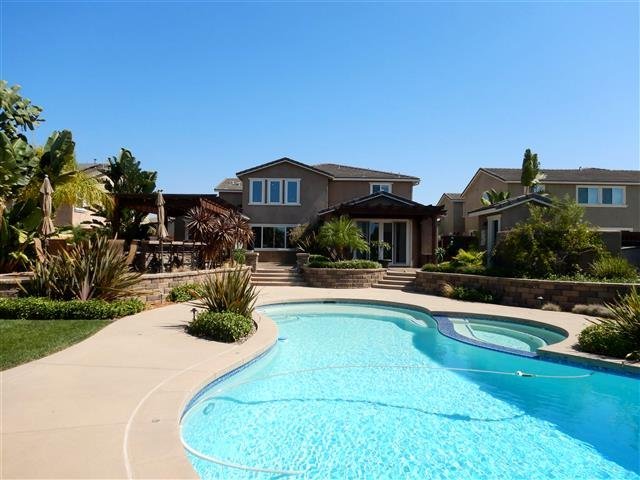
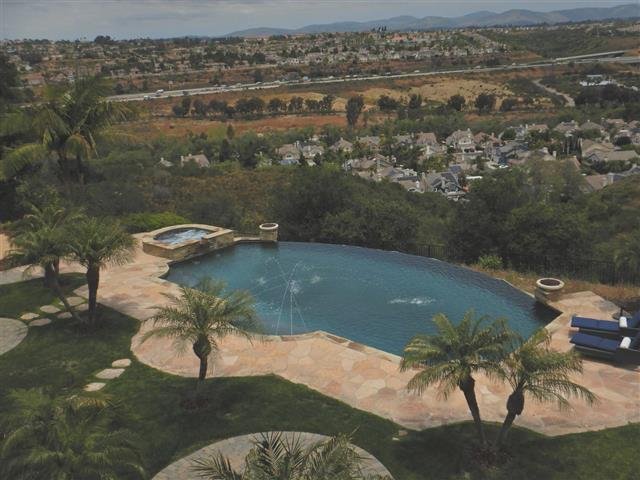
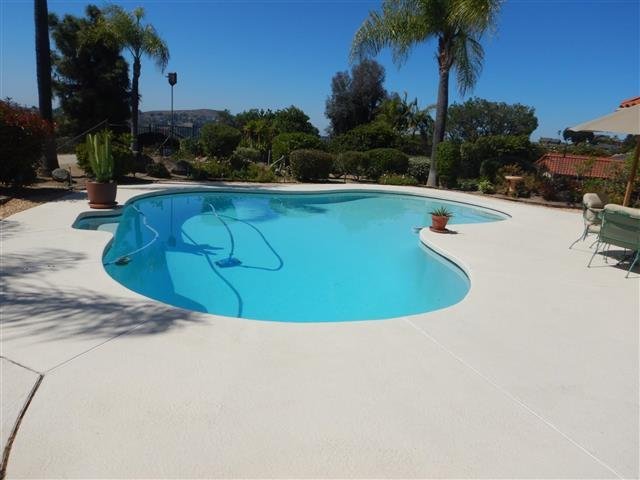
Pools, spas and equipment photographed during recent inspections.
More inspections in North Park
- Foundation slab survey in North Park
- SB 721 balcony inspection in North Park
- SB 326 balcony inspection in North Park
- SB 721 exemption letter in North Park
- Home inspection in North Park
Nearby and countywide
Were You Happy With Your Inspection?
We are proud of our 4.9-star rating across 100+ Google reviews. If Joseph and the team did right by you, a quick Google review helps other San Diego County buyers and sellers find us.