
SB-721 Exemption Letter for North Park, San Diego
North Park was San Diego's first big push east of Balboa Park, and most of its housing went up in one generation — craftsman bungalows through the 1910s and early '20s, then Spanish revival courts and fourplexes into the 1930s. A century later those parcels carry tangled rental configurations: a bungalow up front with two flats behind it, eight stucco units around a tiled patio off Pershing. Owners keep receiving mailers citing California's balcony law, and often the accurate answer is that the statute doesn't reach the building.
An SB-721 exemption letter puts that conclusion in writing: a site-verified applicability assessment stating, with evidence, which statutory test the property fails. It documents an exemption where one genuinely exists — never manufactures one.
Call (619) 752-4399 Schedule an Inspection
What four-part test decides every exemption letter?
Section 17973 of the Health and Safety Code only reaches a building that clears four hurdles, and the letter analyzes each:
- Unit count. The law starts at three dwelling units. Plenty of North Park lots hold exactly two — a subdivided craftsman, a house-plus-ADU pairing — though alley conversions change the math, so we verify records against what's standing.
- Ownership form. Apartments answer to SB-721; condominiums answer to SB-326 under Civil Code 5551, where North Park's mid-2000s conversion wave moved many buildings.
- An elevated element. The statute targets exterior balconies, decks, porches, stairs, and walkways standing more than six feet over the ground beneath; entries at grade give it nothing to regulate.
- Wood-based structure. Load-bearing components must be substantially wood; steel stringers and poured landings sit outside the law at any height.
Fail one test and the building is exempt; pass all four and we'll say so on site.
How does North Park's housing stock read against the statute?
It splits by era and configuration, which is why coverage gets decided parcel by parcel rather than block by block. Few San Diego neighborhoods mix this many building eras in thirty walkable blocks, so applicability gets decided parcel by parcel:
- Subdivided craftsman bungalows. The 1910s homes around the Dryden district and 28th Street were carved into flats long ago, with raised porches on tall foundations — three or four feet up, flirting with the trigger height where lots slope toward Switzer Canyon.
- Spanish revival courtyard buildings. The 1920s–30s courts near Granada and Pershing put every entry at ground level onto a shared patio — well past three units yet nothing elevated. The classic North Park exemption.
- Mid-century walk-ups on the corridors. The boxy two-story rentals along Texas Street, Ohio, and El Cajon Boulevard often serve upstairs units from open wood-framed walkways and stairs — the local type most likely covered after all.
- The new mixed-use generation. Post-2005 projects near 30th and University typically hang balconies on concrete podiums or steel — exempt on material, though mixed assemblies still get checked.
Which exemption calls do we end up writing most often?
Between Balboa Park and the 805, our determinations settle into a familiar set, each backed by photos, measurements, and the statutory ground:
- Exempt — nothing elevated. A courtyard property where every entry, path, and porch sits at or near grade, whatever the unit count.
- Exempt — two units, full stop. The front-house-plus-rear-flats lot that never reaches the statutory minimum.
- Redirected to SB-326. A conversion-era condo near 30th holding a notice written for apartment owners; the letter names the controlling statute so HOA, lender, and file agree.
- Settled by the tape measure. A rear deck on a canyon-sloped lot reading five feet at one corner and seven at the other — the downhill number decides it.
- Covered, and told directly. One wood stair tower pulls the whole building into scope; that owner gets a straight answer and a path to the real inspection.
How do booking, the site visit, and the written letter work?
Start with the address, unit count, and how title is held — call (619) 752-4399 or write joe@sandiegohomeinspection.com. We screen first — assessor data, aerials, permit history. If records already show qualifying wood balconies everywhere, you'll hear that before paying for a site walk.
The visit is a census of exterior walking surfaces. Joseph Romeo locates each porch, stair run, landing, deck, and walkway, identifies the framing as wood or non-combustible, and takes heights at the lowest adjacent grade — the side that matters on canyon-edge lots — without opening anything.
The signed determination arrives through HomeGauge, same day or next: parcel identification, element inventory, construction calls, measurements, photos, and reasoning a reviewer or underwriter can follow without calling us. It records observed status as of the visit date, certifies no engineering, and erases no legal duty. Termite and wood-destroying-organism reports, structural certifications, and pressurized leak testing belong to licensed specialists we refer or coordinate.
Who signs the letter, and what credentials back it?
Joseph Romeo signs it, holding both the InterNACHI CPI credential and CSLB General Contractor license #1113143. Nearly every contested point in an applicability determination is a construction question — what's carrying that landing, what's framed behind eighty years of stucco. Joseph Romeo answers those holding both the InterNACHI Certified Professional Inspector (CPI) credential and CSLB General Contractor license #1113143. California lets licensed general contractors perform balcony-statute inspections, so the signer could lawfully have inspected the building had facts gone the other way.
- 20-plus years, 10,000-plus inspections countywide, much in this pre-war urban housing.
- 4.9 stars over 106 Google reviews from owners, managers, and agents.
- No repair work, no bids — neither outcome pays us more.
To be precise: the credentials are InterNACHI CPI and the CSLB contractor license, not ASHI or CREIA membership, and we don't publish flat dollar figures because lot size and element count drive the work. Current numbers live on the fee schedule.
What else do North Park buildings ask for?
Once applicability is settled, a hundred-year-old building usually has its next question queued:
- Full SB-721 inspection — when the walk turns up qualifying elevated wood elements, performed under the same contractor license.
- SB-326 inspection — the right track for conversion-era condominium associations.
- Pre-purchase inspection — a full-systems read before buying into 1910s–30s construction, where knob-and-tube remnants, aging galvanized supply pipe, and original cast-iron drains deserve more than a glance.
- Sewer lateral camera work — century-old clay and cast-iron should be scoped before escrow closes; specialist work we arrange through a licensed provider.
- ADU and addition inspections — every new alley unit in this busy ADU market can change the unit count and the elevated-element picture.
The complete lineup is on the services page, broader coverage lives at the North Park home inspection hub, and owners with several parcels can have applicability assessed in one pass.
North Park SB-721 Exemption Letter FAQs
Is a North Park courtyard apartment building exempt from SB-721?
We divided our craftsman into three flats. Are we automatically covered now?
Our building went condo in 2006. Which balcony law actually applies?
How is the six-foot height measured on a sloped North Park lot?
Will the exemption letter satisfy a lender or insurance underwriter?
What does an SB-721 exemption letter cost in North Park?
Properties we evaluate
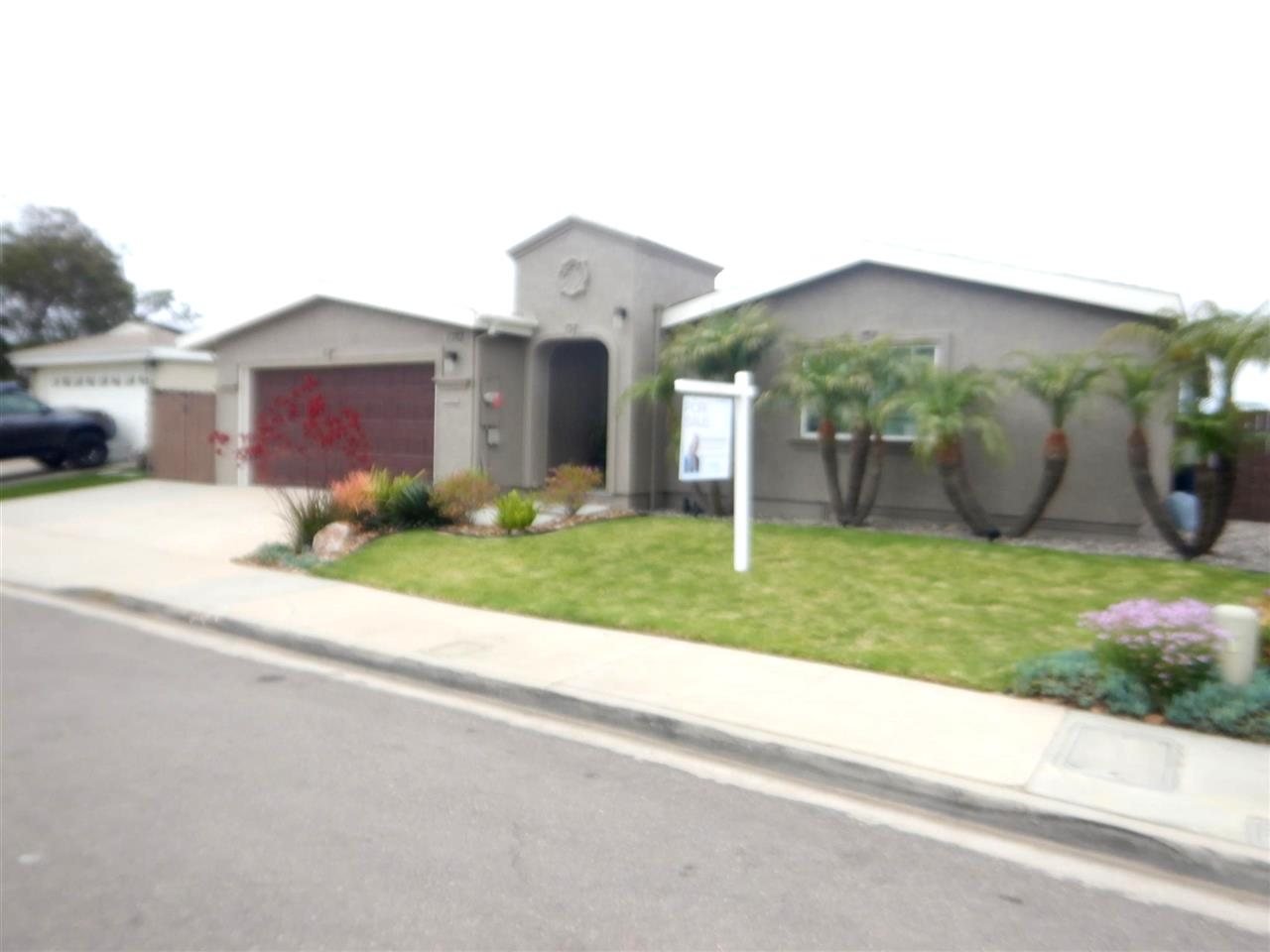
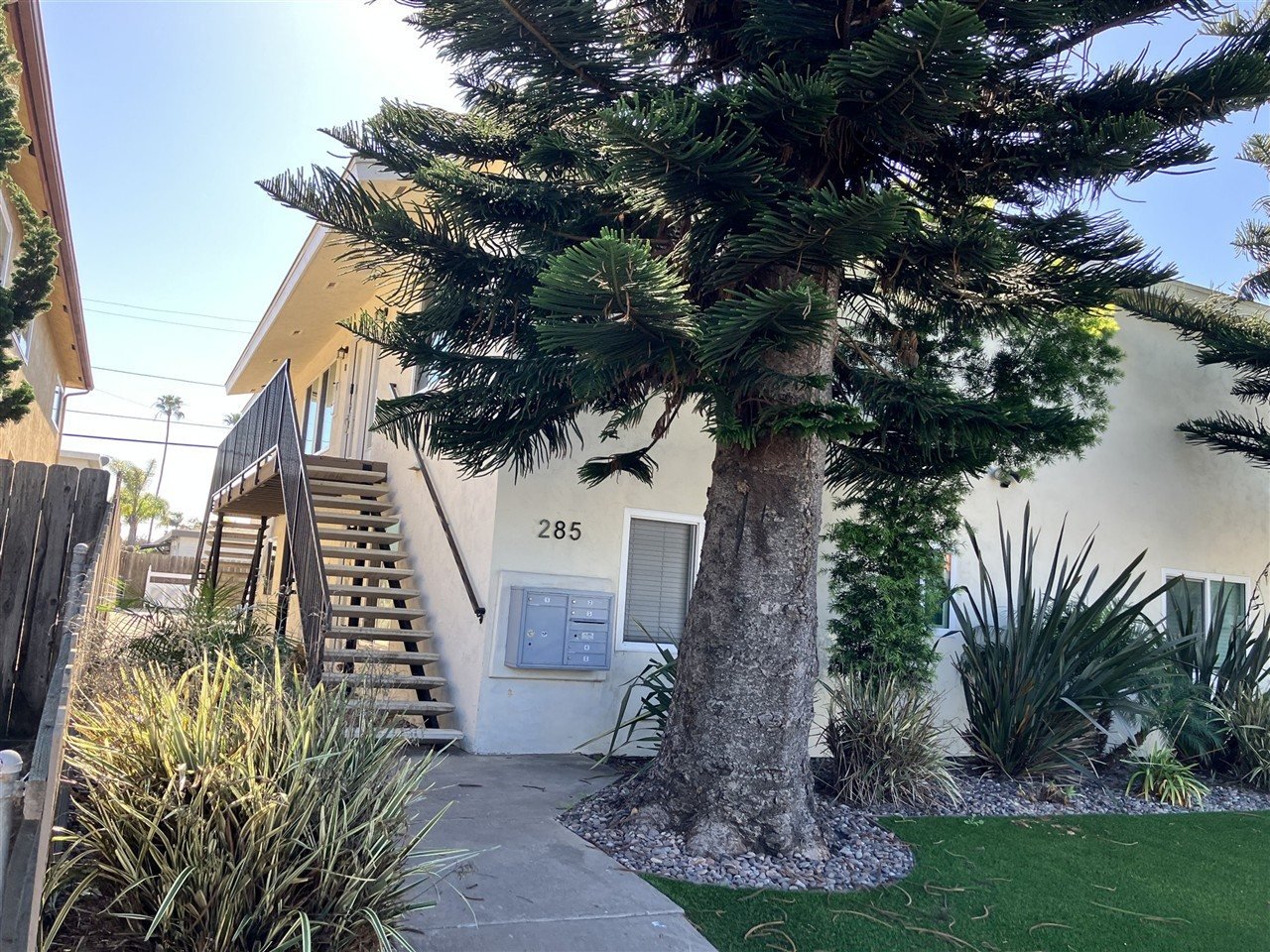
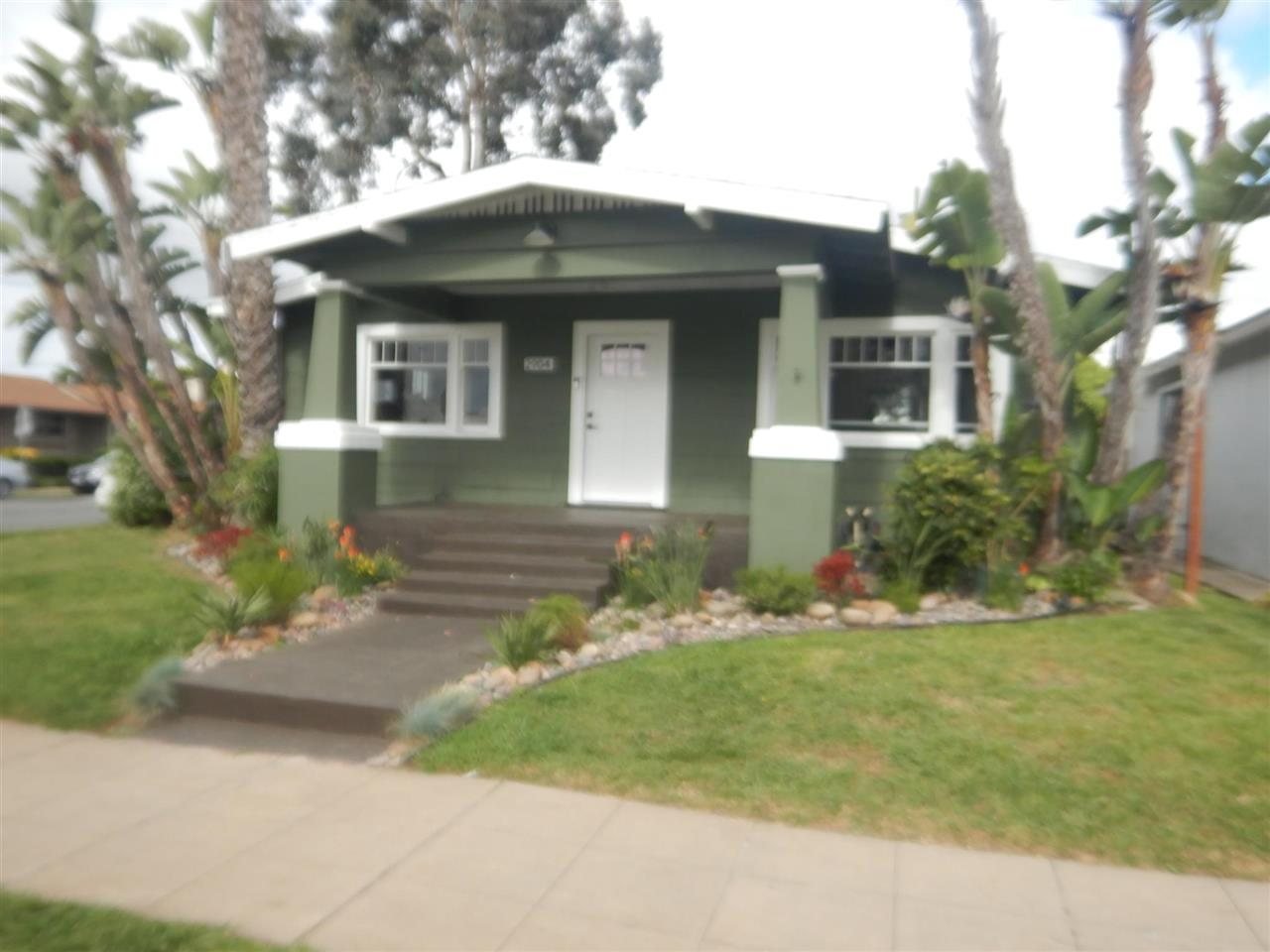
Properties evaluated for SB 721 exemption letters across San Diego County.
More inspections in North Park
- Commercial roof cleaning in North Park
- Commercial inspection in North Park
- Pool and spa inspection in North Park
- Sewer scope inspection in North Park
- Home inspection in North Park
Nearby and countywide
Were You Happy With Your Inspection?
We are proud of our 4.9-star rating across 100+ Google reviews. If Joseph and the team did right by you, a quick Google review helps other San Diego County buyers and sellers find us.