
SB-721 Exemption Letters in South Park, San Diego
South Park runs along the eastern edge of Balboa Park, and its housing arrived in a hurry: street after street of craftsman bungalows framed between roughly 1910 and 1925, a few older cottages toward the Golden Hill boundary, and modest stucco flats that filled corner lots along 30th and Fern as the streetcar lines matured. Plenty of those parcels rent out two or three units today, and their owners keep getting mail about California's balcony inspection mandate. For a large share of South Park buildings, the honest answer is that SB-721 simply does not apply.
That answer is only useful in writing. Our exemption letter is a site-verified determination — signed, photographed, and reasoned — explaining precisely why a property falls outside the statute, for the owner's records, the lender's file, and the local jurisdiction. We assess and document; we never waive a legal requirement that actually exists.
Call (619) 752-4399 Schedule an Inspection
What does the SB-721 exemption letter actually cover?
SB-721, codified at Health and Safety Code 17973, was written for a specific building type: apartments of three or more dwelling units carrying exterior elevated elements — balconies, decks, stairways, walkways, and their railings — that stand higher than six feet above grade and rely on wood or wood-based products for structural support. Miss any one of those conditions and the inspection mandate never attaches to the building.
Condominiums and other common-interest developments follow a different track entirely: Civil Code 5551, created by SB-326, which assigns the duty to the association rather than to an individual owner. A surprising number of small South Park buildings hold condo maps from past conversion attempts, which alone moves them out of SB-721's reach.
The letter identifies which condition the property fails, then proves it — assessor records, photographs, framing observations, tape-measured heights. One thing it will never do is invent an exemption. When a building genuinely qualifies for inspection, we say so plainly and explain the next step.
How do South Park parcels affect the applicability call?
This neighborhood was platted on narrow lots before the First World War, and that geometry shapes nearly every applicability call we make here:
- Raised-foundation bungalows. The classic South Park craftsman sits two to four feet up on a perimeter foundation, with a broad front porch reached by a short run of steps. Original, historic, and usually nowhere near the six-foot trigger.
- Quietly subdivided houses. Many bungalows on Granada, Dale, and the lettered streets were split into upper and lower flats decades ago. Unit count rises; the exterior often stays exactly as built, with no elevated walking surface anywhere.
- Alley cottages and new ADUs. South Park's deep lots have absorbed rear units for a century, and each added dwelling changes the arithmetic, so we reconcile permits and assessor data against what physically stands on the ground.
- Corner-lot flats. The 1920s stucco buildings near 30th and Juniper and along Fern Street tend to serve upper units by interior stairs or solid concrete stoops — configurations the statute does not regulate.
- Canyon-rim grade drops. Where blocks fall toward Switzer Canyon or the 32nd Street canyon, a modest rear deck can quietly exceed six feet at its outboard posts. Those are the parcels where careful measurement, not assumption, settles the question.
How do these South Park assessments usually resolve?
After enough walks through 92102 and 92104, patterns emerge. The determinations we issue most often in South Park:
- Below the unit threshold. A craftsman divided into two flats, or a single house with one ADU behind it — two dwellings where the statute requires three. The letter cites the count and the records supporting it.
- No qualifying element. Three or more units, but every entry sits at grade or on low porches; nothing wood-framed stands past the height trigger anywhere on the parcel.
- Non-wood construction. Concrete stoops, masonry steps, steel stairs added during a past remodel — elevated, perhaps, but not wood-supported, and therefore outside the law no matter the height.
- SB-326 territory. A condo map recorded in the 1980s or 2000s shifts the obligation to the association under Civil Code 5551; the letter names the controlling statute so owner, manager, and lender act on the same basis.
- Actually covered. Now and then a 1960s walk-up hiding among the bungalows serves its second floor by an open wood stair and landing. That owner hears it straight, with photos, and gets a clear path to the full inspection.
How do you get from first call to a signed letter?
Begin with three facts: the address, how many units, and whether title is individual or common-interest. Reach us at (619) 752-4399, or email joe@sandiegohomeinspection.com. Before any appointment we run a desk review — county assessor data, aerial imagery, permit history — and if that screen already shows qualifying wood balconies on every elevation, you hear that up front instead of paying for a pointless site walk.
On site, Joseph Romeo inventories every exterior walking surface on the parcel: porches, steps, landings, decks, rear walkways. Each gets a construction call — wood-framed or not — plus a height measurement taken where the adjacent ground is lowest, which on South Park's canyon-side blocks is frequently the deciding number. Nothing is opened or dismantled.
The written determination is delivered through HomeGauge with same-day or next-day turnaround: parcel identification, the element-by-element inventory, photographs, measurements, and the statutory reasoning laid out so a plan reviewer, underwriter, or future buyer can follow it unaided. It documents observed conditions as of the visit date. It is not an engineering certification, and it does not erase any duty the law actually imposes. Where a question belongs to another trade — termite and wood-destroying-organism findings, structural calculations, pressurized leak testing — we coordinate or refer a licensed specialist instead of guessing.
Who signs the letter, and why does the license matter?
An applicability determination lives or dies on construction judgment — recognizing what carries a landing, what hides behind a 1915 stucco skim, whether a porch assembly was reframed during some mid-century remodel. Joseph Romeo brings two credentials to that judgment: InterNACHI Certified Professional Inspector (CPI) and CSLB General Contractor #1113143. Because California authorizes licensed general contractors to perform SB-721 inspections, the person signing your exemption letter was equally qualified to inspect the building had it been covered — the opinion carries weight precisely because it could have gone the other way.
- More than 20 years and 10,000-plus inspections across San Diego County, a large share of them in pre-war housing like South Park's.
- 4.9 stars across 106 Google reviews from owners, agents, and property managers.
- No repair bids, ever — we report condition, we don't sell the fix, so no finding pays us more than another.
Worth stating exactly: our credentials are the InterNACHI CPI and the CSLB contractor license — we are not ASHI or CREIA members — and we publish no flat dollar figures, because parcel complexity drives the time. Current pricing lives on the fee schedule.
What related work do South Park owners book?
Settling the balcony-law question usually surfaces the next one, because hundred-year-old buildings rarely have just a single open item:
- Full SB-721 inspection when the parcel does carry qualifying elevated wood elements, performed under the same contractor license that signed the assessment.
- SB-326 inspection for the small condominium associations scattered through the neighborhood.
- Pre-purchase inspection before buying into 1910s–20s construction — original cloth-insulated wiring, galvanized supply lines, raised foundations with a century of moisture history, and furnaces several generations past their design life all deserve a full-systems look.
- Sewer line evaluation — original clay laterals under these blocks are a known escrow surprise; we arrange camera work through a licensed specialist.
- ADU inspections as alley units keep appearing on South Park's deep lots, each one capable of changing a building's unit count and its statutory picture.
The full menu is on our services page, and neighborhood-wide coverage starts at the South Park home inspection hub.
South Park SB-721 Exemption Letter FAQs
Is my South Park duplex subject to SB-721?
My bungalow's front porch is raised. Does that pull the building into the law?
We added an ADU behind our two-unit building. Are we covered now?
Our building was condo-converted years ago. Who owes the balcony inspection?
Will the city or my lender accept this exemption letter?
How much does an exemption letter run in South Park?
Properties we evaluate
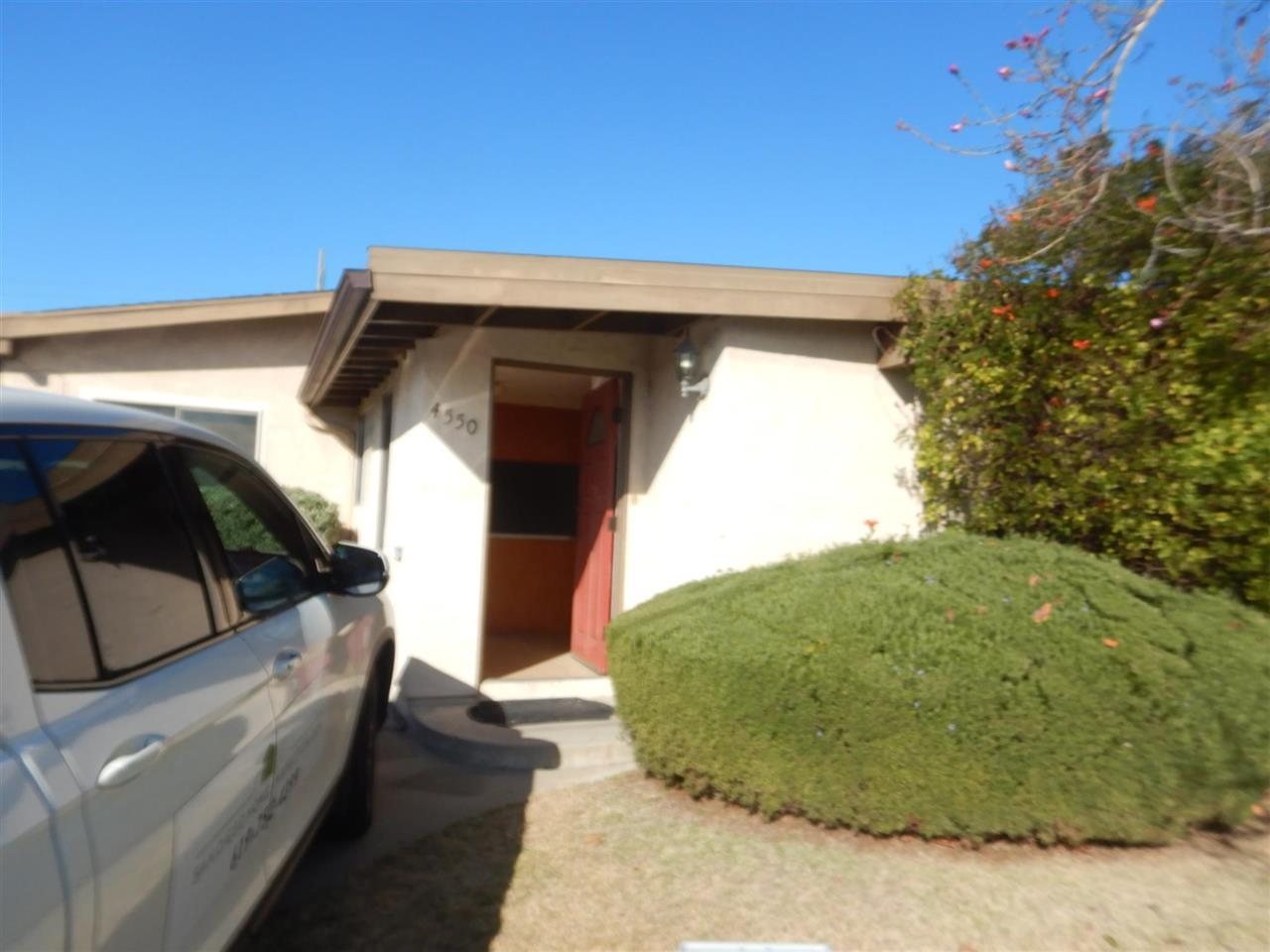
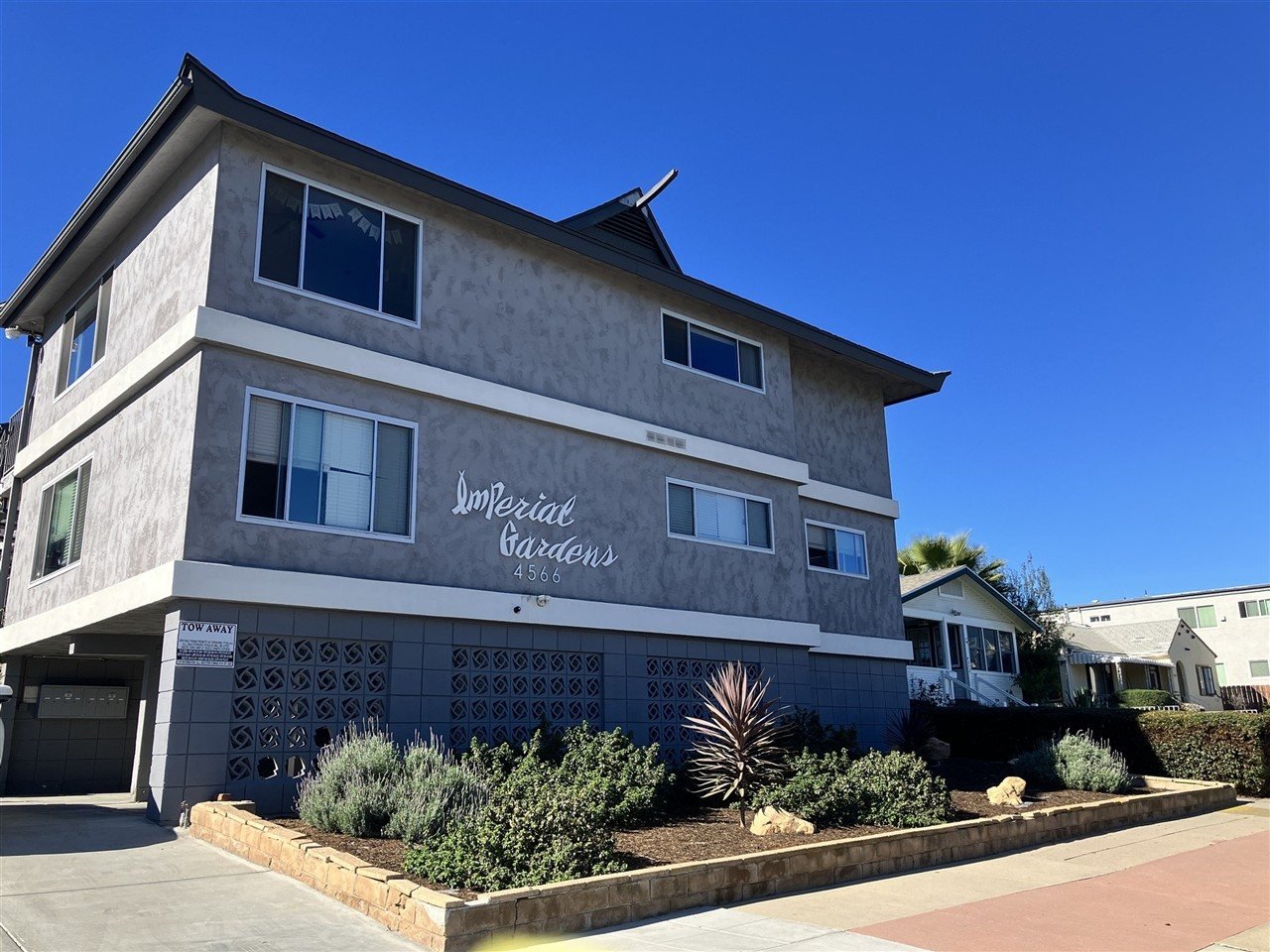
Properties evaluated for SB 721 exemption letters across San Diego County.
More inspections in South Park
- Warranty inspection in South Park
- Commercial roof cleaning in South Park
- Commercial inspection in South Park
- Pool and spa inspection in South Park
- Home inspection in South Park
Nearby and countywide
Were You Happy With Your Inspection?
We are proud of our 4.9-star rating across 100+ Google reviews. If Joseph and the team did right by you, a quick Google review helps other San Diego County buyers and sellers find us.