
SB-721 Exemption Letter in National City, CA
If you own apartments in National City and someone has asked for your SB-721 balcony record, the first question is whether the law even reaches your building. Plenty of National City multifamily stock predates the balcony-failure problems SB-721 was written to address, or was framed in ways that fall outside the statute entirely. The trouble is that nobody, a lender, an insurer, an escrow officer, or a city plan reviewer, will take your word for it. They want a signed determination from an inspector who walked the property and applied the rule.
I am Joseph Romeo, and I have inspected south San Diego buildings for more than two decades. To be clear up front: an exemption letter is not a waiver, and I cannot release a building from a law that genuinely applies. What I deliver is an applicability assessment, a written finding that records whether your National City property carries the load-bearing elevated wood elements SB-721 governs, or whether it sits outside the statute because of its construction, its unit count, or because it answers to SB-326 instead. On this city's older, dense, port-adjacent housing, a meaningful number of buildings land outside the law, and this letter proves it on paper.
Call (619) 752-4399 Schedule an Inspection
What does this SB-721 exemption letter set out to prove?
The letter answers one narrow question, why SB-721 does not govern your particular National City building, and answers it in terms a jurisdiction or lender will accept. It is not a balcony certification and it is not a general property report. I assess and write up the specific conditions that place a building outside the statute:
- Nothing the law defines as an elevated element. SB-721 reaches load-bearing wood surfaces carrying weight more than six feet above the ground, balconies, landings, exterior stairs, and elevated walkways. If a building is single-story, or its ground-floor units open onto grade-level entries and concrete stoops, there is no qualifying element, and I document each entry to establish that.
- It belongs to SB-326. A condominium or common-interest community answers to SB-326, the parallel HOA statute, rather than SB-721. The letter records that and points the owner or association to the right law.
- Under the unit count. Buildings with fewer than three rental dwelling units sit below the SB-721 trigger; I verify and document the count.
- The framing is not wood. Exterior steel stairs, concrete landings, and masonry stoops carry no load-bearing wood and fall outside the elements the statute names.
Every letter sets out what I saw, the legal basis for the finding, the date, and my credentials, so it stands on its own in a file. I document observed condition and applicability; I do not excuse a requirement that actually applies.
Where do National City exemptions hide in the housing stock?
National City is an old port town, and its housing reads that way, blocks of early-1900s through mid-century buildings near the waterfront and the rail corridor, mixed with pockets of newer infill. That age and density is exactly why applicability questions come up so often here:
- Pre-balcony-era small buildings. Many of the bungalow courts and small flats off Highland Avenue and around Old Town National City were built before exterior wood balconies were a common feature. Units open at grade onto shared concrete walks and stoops, not raised wood, which is a frequent genuine exemption.
- Raised-foundation flats with no elevated decks. A raised crawlspace foundation is not the same as an SB-721 elevated element. A first-floor unit a step or two up on a raised perimeter, with no balcony six feet over grade, does not carry a qualifying surface, and I document the distinction.
- Converted single-family and duplex parcels. National City's dense lots hold many two-unit and converted-house rentals that fall below the three-unit threshold.
- Exterior steel stair retrofits. Older walk-up apartments here were frequently re-stepped with galvanized steel stairs and landings during past repairs, replacing the original wood. Steel assemblies sit outside the wood-framing definition, and I verify that on site rather than assume it.
What do I commonly find on National City multifamily?
After this many years working the South Bay and the bayfront, exemption requests in National City sort into a few honest outcomes. Some buildings are plainly outside the law, some plainly inside it, and a fair number are mixed, the letter has to name which:
- Grade-level court buildings, the older bungalow courts and garden flats where every door opens onto a concrete walk, documented unit by unit as having no elevated wood.
- Misfiled condo conversions, attached buildings an owner assumed needed SB-721 that are actually common-interest developments under SB-326, redirected in writing.
- Mixed buildings, a property where the front flats are at grade but a rear addition carries a wood second-floor landing, where I cannot sign a clean exemption and instead scope what does trigger SB-721.
- Steel-retrofit walk-ups, aging two- and three-story apartments whose original wood stairs were swapped for steel, which moves those specific elements out of scope once I confirm the framing.
- Aging wood that does qualify, the buildings where original load-bearing wood balconies remain, in which case I tell you plainly you owe a full inspection.
If the property is not exempt, I say so and point you to the SB-721 inspection. A straight answer protects you far better than a letter that falls apart the moment a reviewer reads it.
How do I run the assessment and what does the letter hold?
I begin with the address, the rental unit count, and the ownership structure, then walk the building to compare what is physically there against what the statute defines. I check every exterior surface, entries, stoops, stairs, landings, shared walkways, and any balconies, and I record the construction material and the height above grade of each one. Where a surface looks borderline, I note its framing so the determination holds up under scrutiny.
The deliverable is a signed exemption letter built alongside a HomeGauge record with photographs of the relevant areas. It states the unit count and ownership type, lists the exterior elements I observed, identifies the precise basis for exemption, no qualifying load-bearing elevated wood, SB-326 jurisdiction, or a count below three units, and carries the date and my credentials. Most letters are ready same day or the next morning. It is formatted so you can hand it to a lender, an insurer, a buyer, or the National City building division as the property's documented reason for not holding an SB-721 inspection. I assess and record; I do not waive a requirement that applies.
Why do the credentials behind this letter hold up?
An exemption letter is worth exactly what the person reading it thinks of who signed it, so the qualification matters more than the paper. I am an InterNACHI Certified Professional Inspector (CPI) and I hold a California CSLB General Contractor license (#1113143). I have framed and rebuilt the very stair and balcony assemblies SB-721 was written around, so I can separate a load-bearing wood landing from a steel retrofit or a grade-level stoop on sight, which is the whole hinge of the determination.
- More than 20 years and over 10,000 inspections across San Diego County, with long experience in the South Bay and bayfront neighborhoods.
- 4.9 stars across 106 Google reviews.
- No stake in the outcome. I have no reason to call your building exempt or not, I report what the construction and the statute show. If you owe an SB-721 inspection, I tell you, and that independence is exactly what makes the letter credible when the building truly is exempt.
If you own a National City multifamily property and need its SB-721 status documented, reach me at (619) 752-4399 or joe@sandiegohomeinspection.com and I will get it assessed and written quickly.
Which related inspections suit National City owners?
An exemption letter resolves one narrow point about SB-721. Depending on the building, a handful of related services pair naturally with it, and I can often handle them on the same visit:
- SB-721 balcony inspection: the full inspection itself, for the National City buildings that do carry qualifying wood-framed elevated elements.
- SB-326 balcony inspection: the matching law for condominium and HOA communities, when the assessment shows your property is a common-interest development.
- Multifamily building inspection: a broader read of roofs, systems, and shared areas when you are buying, selling, or refinancing.
- Roof inspection: a closer look at coverings and flashing, sensible on older National City buildings while I am already on site.
- Sewer scope: well worth it on the city's older blocks, where clay laterals from the early- and mid-century era are often overdue for a camera run.
Send me the address, the unit count, and the ownership type, and I will tell you whether you need an exemption letter, a full SB-721 inspection, or one of these instead.
National City SB-721 Exemption Letter FAQs
Can you guarantee my National City building is exempt from SB-721?
Why would an older National City apartment qualify for an exemption?
Does a raised-foundation building count as having an elevated element?
My exterior stairs were replaced with steel. Does that change things?
Who actually asks me for an SB-721 exemption letter?
What does an SB-721 exemption letter in National City cost?
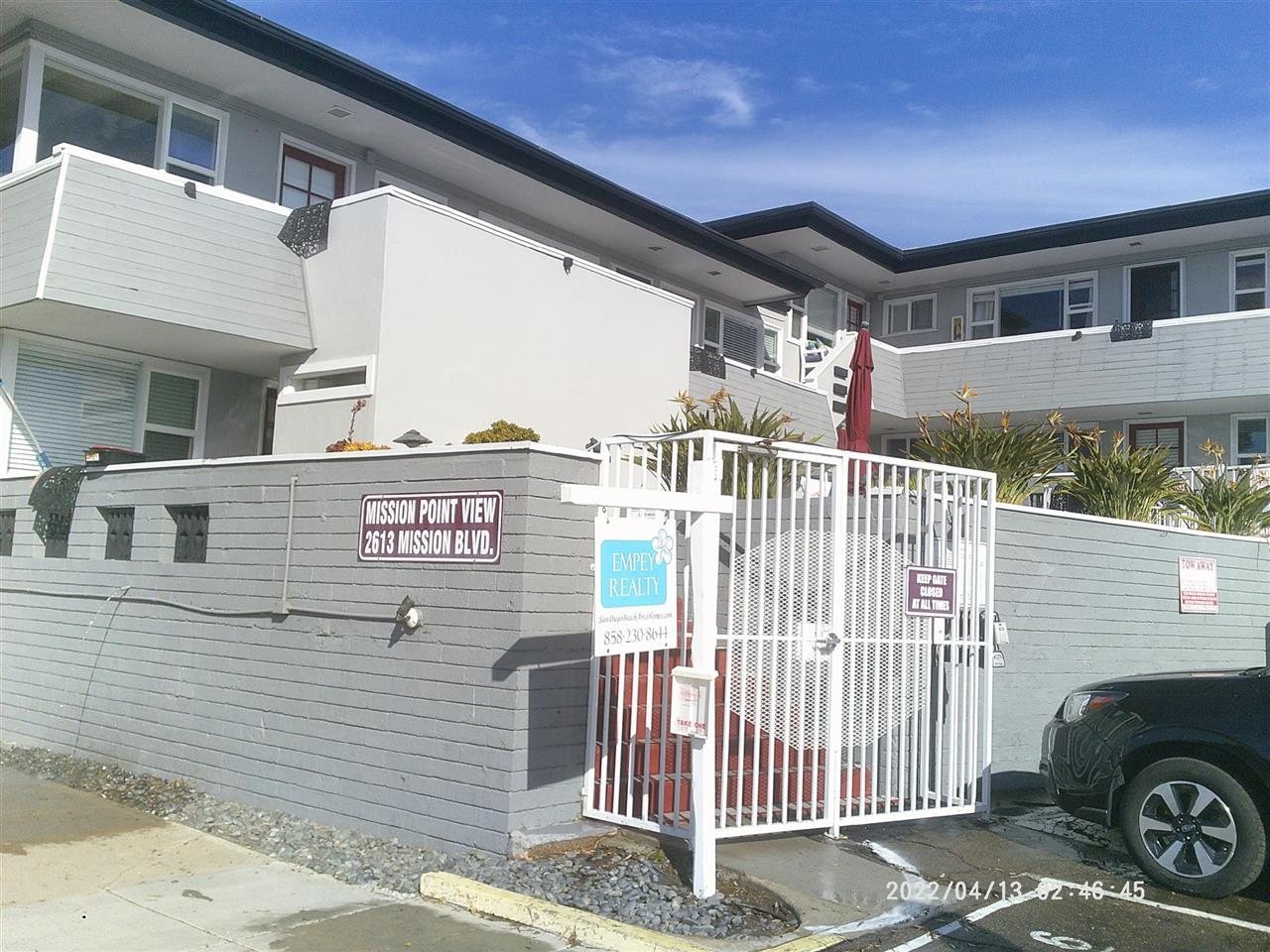
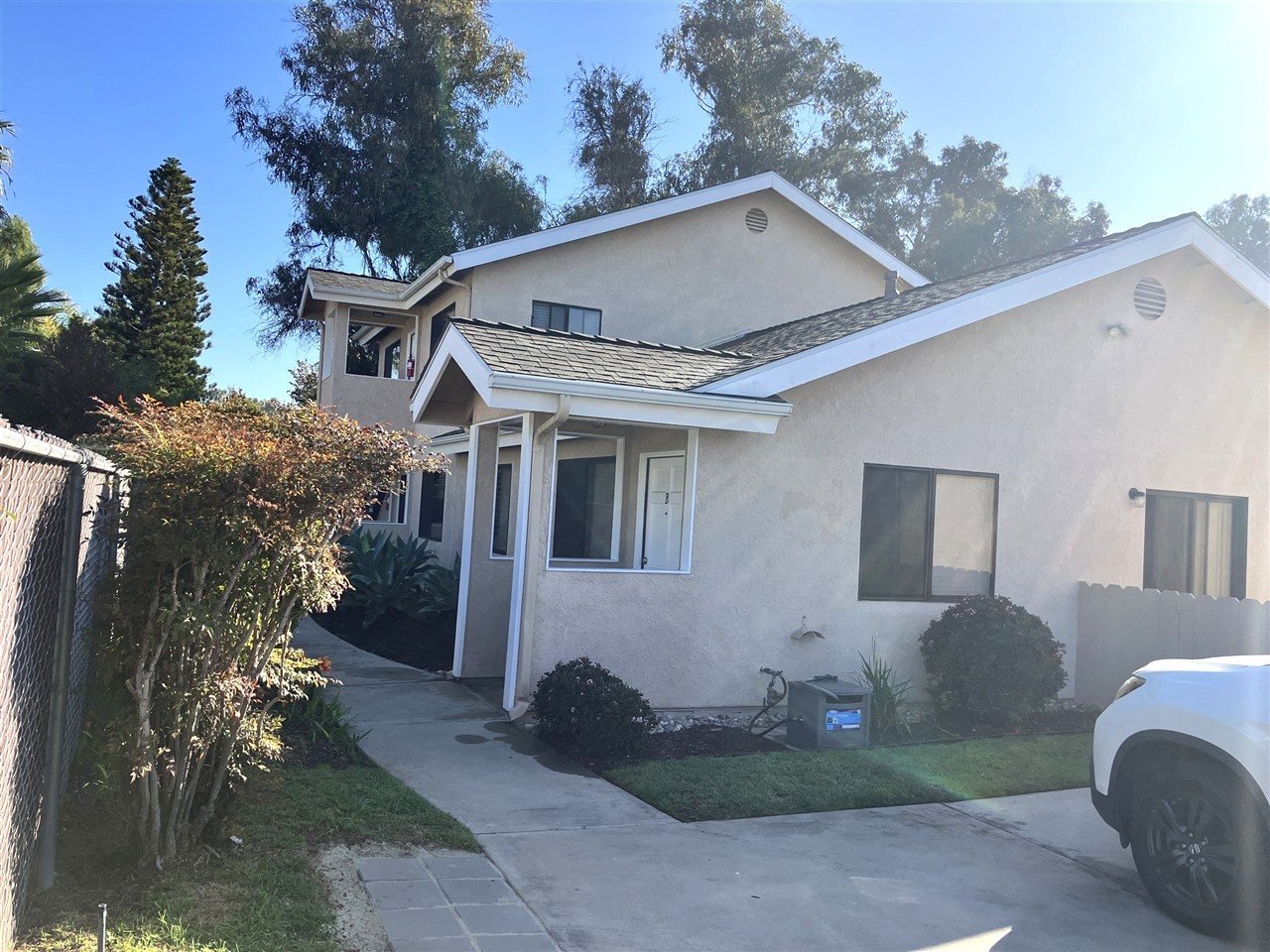
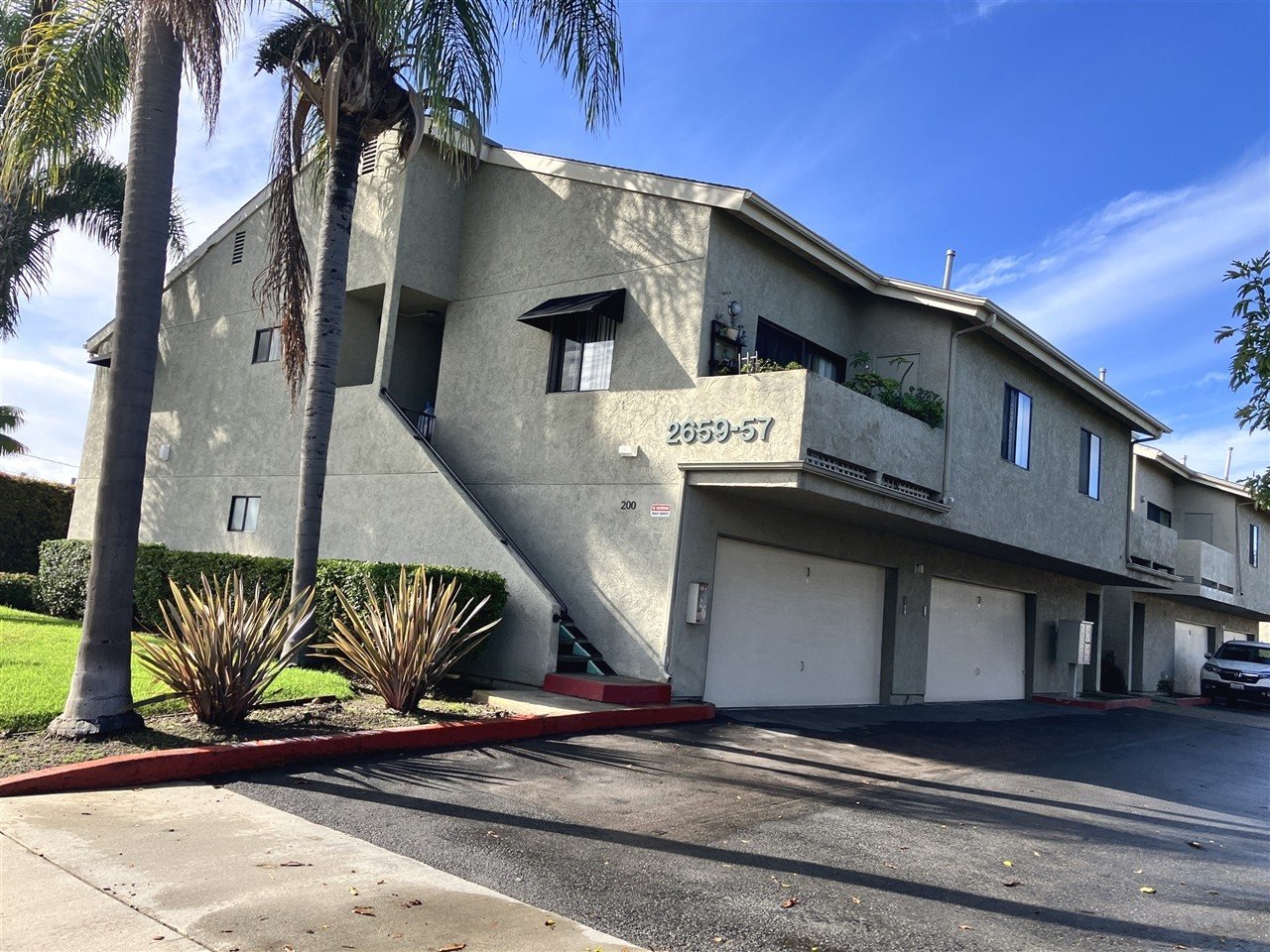
Properties we evaluate
Properties evaluated for SB 721 exemption letters across San Diego County.
More inspections in National City
- SB 721 balcony inspection in National City
- SB 326 balcony inspection in National City
- Seller inspection in National City
- Warranty inspection in National City
- Home inspection in National City
Nearby and countywide
Were You Happy With Your Inspection?
We are proud of our 4.9-star rating across 100+ Google reviews. If Joseph and the team did right by you, a quick Google review helps other San Diego County buyers and sellers find us.