
Roof Inspection in National City, CA
National City is one of the oldest cities in the county, and its roofs show it. Walk a block off Highland or down near the waterfront and you pass bungalows and Craftsman cottages from the 1910s and 1920s, postwar stucco boxes from the 1940s and 50s, and the odd newer infill in between. Most of those roofs have been reroofed, patched, layered, and patched again across a hundred years of owners. What you can see from the sidewalk almost never matches what is actually keeping water out. A roof inspection is how you find out which it is before a winter storm or an offer forces the question.
I am Joseph Romeo. A roof inspection from me is a documented visual look at the roof covering and every part that sheds and seals water — flashing, valleys, the pipe and flue penetrations, vents, skylights, and the gutters and drainage that carry runoff off the house. I report condition, signs of leakage and aging, and remaining-life indicators, and I send you to a licensed roofer when something needs repair or certification. I do not certify roofs and I do not bid the work, so nothing in the report is steering you toward a reroof. Below is what the inspection reaches on a National City home, the local conditions I read for, and what keeps turning up here. The National City home inspection hub covers the rest of the house.
Call (619) 752-4399 Schedule an Inspection
What does a National City roof inspection cover?
I read a roof as a connected system, not a glance at the field. On a National City home — an old port-side bungalow, a postwar stucco house, or a newer unit on the eastern edge — each part gets worked and photographed:
- The covering: asphalt composition shingle on most of the older grid, concrete or clay tile on a share of the newer homes, and low-slope foam, rolled, or modified-bitumen membrane on the flat additions and porch-fill rooms that are everywhere in this town. I record the material, its rough age, any layering, and the wear each shows.
- Flashing and valleys: the metal at chimneys, sidewalls, valleys, and roof-to-wall joints — where the salt air off the bay corrodes fasteners and where most leaks I find actually start.
- Penetrations and vents: plumbing stacks, furnace and water-heater flues, attic and gable venting, and the rubber boot seals that harden and split with age.
- Skylights: the curb, glazing, and flashing, a repeat leak point on the remodeled older homes here.
- Gutters and drainage: whether runoff is carried clear of the foundation on these tight urban lots where houses sit close and water has nowhere to go.
- Attic, where it is reachable: active or past leak staining, daylight at penetrations, and the ventilation an old roof deck needs. Many of these 1920s and 40s homes have cramped or finished attics, and I tell you what I could and could not access.
You leave with a plain read on condition and remaining-life indicators. What I will not issue is a roof certification or a repair price — that is a licensed roofer's call, and I will tell you when to bring one out.
How does National City's bay-side climate stress a roof?
National City sits low and close to the bay, which means salt-laden marine air every day, with inland heat behind it in summer. Pair that with housing that is largely a century old and you get a roof environment that punishes the metal and exposes a lot of layered history. These are the conditions I am reading for:
- Salt air on flashing and fasteners: the waterfront, the marina, and the Sweetwater channel push damp salt air across the whole city. It corrodes flashing, exposed nail heads, vent metal, and the fasteners at valleys and skylights — the leak points before the field of the roof ever gives out.
- Layered old shingle roofs: a lot of National City's 1910s through 1950s homes carry two and sometimes three layers of composition shingle stacked over the decades. Extra layers trap heat, hide the deck condition, and overload old framing, and they shorten the life of whatever is on top.
- Flat additions and porch fills: bungalows here have been added onto for generations — back rooms, enclosed porches, and converted spaces with low-slope rolled or foam roofs that pond and leak long before the main pitched roof does. These tie-ins are a recurring trouble spot.
- UV and heat aging: the inland summer sun bakes shingle granules off and dries out foam and rolled coatings, so I check for bald shingle fields, blistering, and a chalky, cracking top coat that needs recoating.
- Tile over tired underlayment: on the newer tile-roofed homes, the tile usually outlives the felt underlayment that does the actual waterproofing, so I check the underlayment and any staining below, not just the tile surface.
- Tight lots and drainage: National City's dense, narrow parcels put houses and runoff close together. Where the gutters discharge matters, because roof water with nowhere to go finds its way to a foundation or a neighbor's wall fast.
Which problems keep turning up on National City roofs?
The findings repeat by roof type and by the decade a home went up. Knowing them before an offer, a listing, or an insurance renewal tells you whether you are facing a maintenance afternoon or a reroof down the road:
- Multiple shingle layers: two or three stacked layers on the older grid, often the single biggest factor in a roof's remaining life and a cost driver when it finally comes off.
- Corroded flashing and fasteners: rust and metal fatigue at valleys, sidewalls, and chimney bases where the bay's salt air has worked on the metal, frequently paired with dried, split sealant.
- Hardened, cracked pipe boots: failed neoprene boots at plumbing and flue penetrations, one of the most common active leak sources here no matter the covering.
- Failing low-slope additions: ponding, blistering, and worn coatings on the rolled and foam roofs over back rooms, porches, and converted spaces, usually in worse shape than the main roof.
- Worn or improvised repairs: roofing tar, mismatched patches, and hand-done fixes layered over years of ownership on these older homes, the kind of history that hides the roof's true condition until you get up close.
- Attic moisture staining: old and active stains at penetrations and valleys visible from inside, often the first hard proof of a leak the surface has not given up yet.
- Blocked or missing ventilation: cramped, under-vented attics on the older stock that cook the roof from below and drive up cooling bills.
None of it is a verdict on its own. The report sets the condition out plainly so you and a roofer can separate what needs doing now from what is fine to watch another season.
How does the visit run and what does the report hold?
It opens with a call to (619) 752-4399 or an email with the National City address. I will ask about the covering type and age if you know them, and whether this is a roof-only look or part of a fuller inspection. On a purchase it usually pairs with the whole-house visit, and on an older National City home it often runs alongside the 4-point a carrier wants before it will bind or renew.
On site I evaluate the roof the way conditions allow — walking it where the slope and covering make that safe, and working from a ladder at the eaves or from inside the attic where steep pitch, fragile tile, or a soft low-slope membrane cannot be walked without damage. I move through the covering, then the flashing, valleys, penetrations, vents, and skylights, then the gutters and where they discharge, and I get into the attic where access allows to check for leakage and ventilation. Every finding carries a photo.
You receive the report in HomeGauge, documenting the roof's condition, the specific defects I observed, and remaining-life indicators, with a photo behind every call. In most cases I turn it around same day or the next, so a contingency or a renewal is not left waiting. Where something needs a specialist — a leak traced to corroded flashing, layered shingle near its end, a failing porch-fill roof — I say so plainly and point you to a licensed roofer. I report observed condition; I do not certify the roof or bid the repair, which keeps the findings clear of anyone selling the work.
Why do National City owners and agents trust the read?
Reading a roof is judgment more than a checklist — separating a roof with two years left from one with ten, or a corroded fastener that is leaking from cosmetic surface rust that is not, comes from years of doing it. I am an InterNACHI Certified Professional Inspector (CPI), and I hold a California CSLB General Contractor license (#1113143). That contracting background is what lets me tell you whether a flagged item is a spot repair or points toward a reroof — and roughly what that path involves — before you bring a roofer out.
- 20+ years and 10,000+ inspections across San Diego County, including National City's old port-side bungalows, its postwar stucco homes, and the newer tile-roofed builds on the eastern edge
- 4.9 stars across 106 Google reviews
- Independent and conflict-free — I document the roof and report what is there; I do not sell roofing or certifications, so nothing in the report nudges you toward work you do not need
When the roof needs a specialist to evaluate, certify, or repair it, I coordinate or refer the right licensed roofer to act on the exact findings. Reach me at joe@sandiegohomeinspection.com or the number above.
Which related inspections suit National City homes?
The roof is one system, and on most National City visits it makes sense to look at the house more broadly while I am out. I can line these up around a single trip:
- Full home inspection: the whole-house evaluation a buyer needs — start at the National City hub if you are purchasing, not just checking the roof
- 4-point inspection: when a carrier wants the roof, electrical, plumbing, and HVAC documented together on an older National City home before it will write or renew
- Attic and ventilation evaluation: the underside of the roof you just had inspected, where weak airflow and trapped moisture show up first on this older stock
- Thermal / infrared imaging: reveals hidden moisture behind ceilings and walls where a roof leak has tracked but the surface has not shown it
- Drainage and grading review: ties the roof runoff to where the water actually goes on these tight, close-set urban lots
Not sure what your address needs? Send it over and I will tell you what is genuinely worth doing — see all inspection services we offer or get a quote through contact.
National City Roof Inspection FAQs
What does a roof inspection cost in National City?
My National City home has been reroofed over the years. Why inspect it?
Does National City's bay air really affect my roof?
Do you walk the roof or inspect it from the ground?
Can you certify my National City roof for a sale or insurer?
Should I worry about the flat roof over my back addition?
Roofs we document
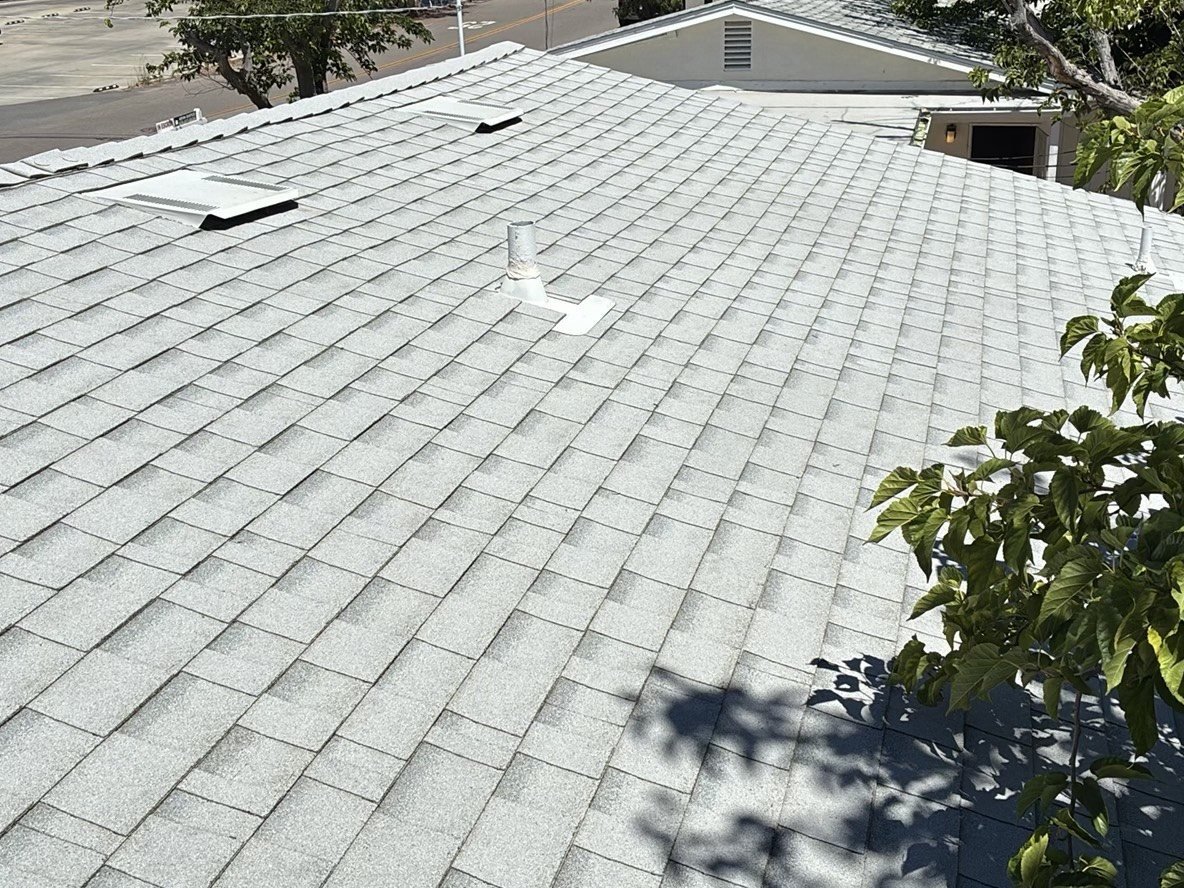
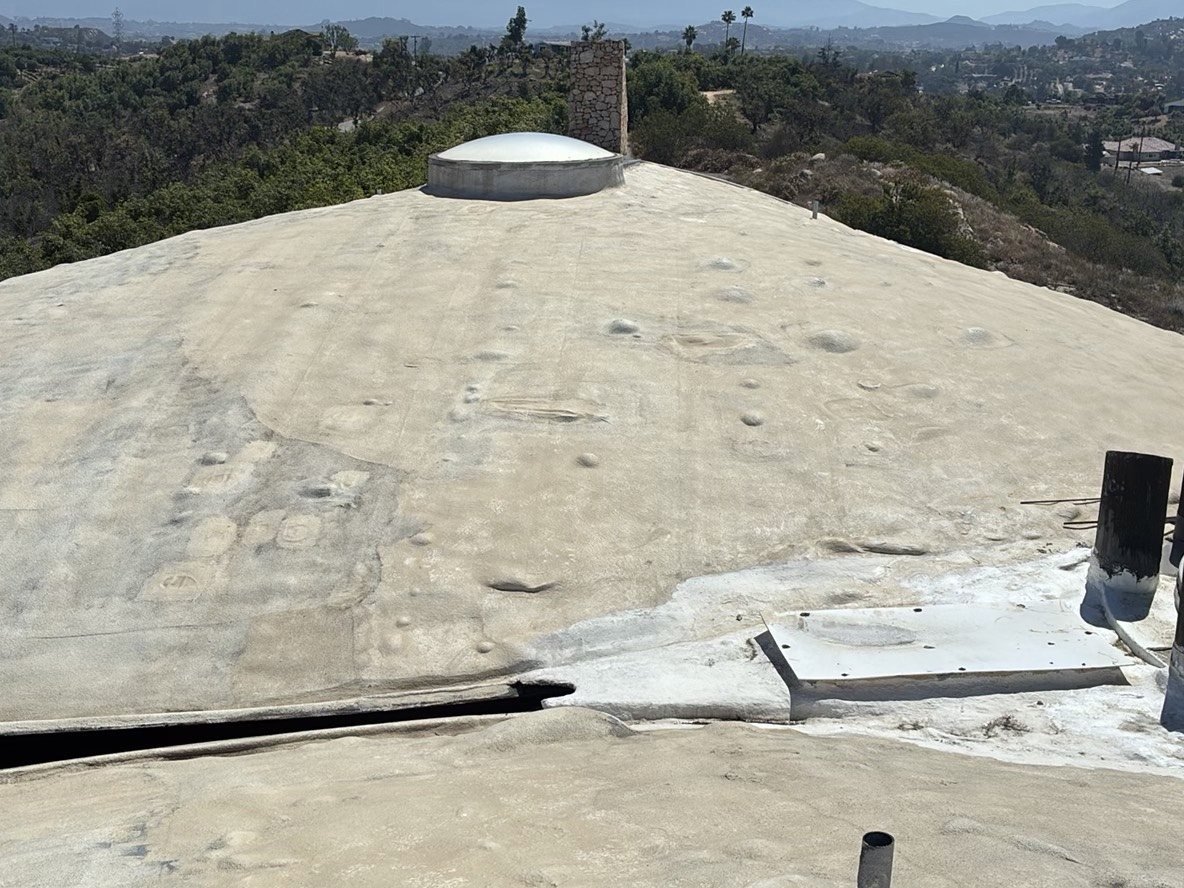
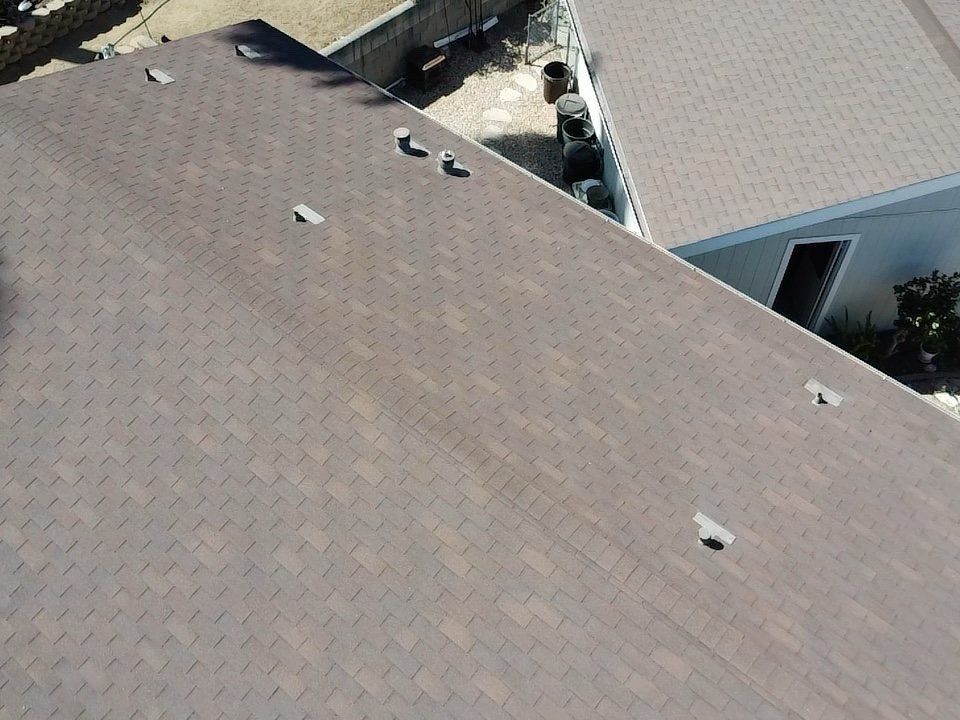
Aerial and on-roof photos from recent San Diego County roof inspections.
More inspections in National City
- Foundation slab survey in National City
- SB 721 balcony inspection in National City
- SB 326 balcony inspection in National City
- SB 721 exemption letter in National City
- Home inspection in National City
Nearby and countywide
Were You Happy With Your Inspection?
We are proud of our 4.9-star rating across 100+ Google reviews. If Joseph and the team did right by you, a quick Google review helps other San Diego County buyers and sellers find us.