
Sewer Scope Inspection in National City, CA
National City is one of the oldest incorporated towns in San Diego County, and most of its sewer laterals are about as old as the houses sitting on top of them. Walk the blocks around Kimball Park, Old Town, or the bungalow streets off Highland and National avenues and you are standing over lines that may have been laid in the 1910s through the 1950s. That buried pipe is the one part of a property a normal walk-through inspection never sees, and on a port-adjacent town this dense and this aged, it is exactly where the expensive surprises hide.
I am Joseph Romeo, and a sewer scope is the only way to know what your lateral is made of and what condition it is in before the keys change hands. I run a waterproof video camera down the line from a cleanout toward the city main, record the entire pass, and give you the footage along with a report you can actually read. To be clear about scope: this is a camera diagnosis, not a repair, a drain-clearing, or a hydro-jetting job. When the pipe needs work, I point you to a licensed plumber and send him the video so he is not guessing.
Call (619) 752-4399 Schedule an Inspection
What does a sewer scope check on a National City property?
I feed a self-leveling camera head into the home's main lateral through an accessible cleanout, or by lifting a toilet when no cleanout exists, and run it toward the connection at the municipal main. The full pass records to video so you watch the pipe rather than take my word for it. On a typical National City home I am documenting:
- What the pipe is made of: vitrified clay, cast iron, Orangeburg, or modern ABS/PVC. On a town this old the material alone tells most of the story.
- Root intrusion: hair-thin feeder roots threading a joint, or a packed root mass strangling the bore, the number-one find under decades-old street trees and yard canopy.
- Cracks, breaks, and offset joints: sections that have separated, dropped, or shifted out of line as the ground moved beneath them.
- Bellies and low spots: dips that pond water and trap solids, common where an old line settled unevenly over the years.
- Corrosion and scaling: the flaking, channeled inner wall of tired cast iron that chokes down the usable diameter.
- Obstructions and past patchwork: grease, debris, spot repairs, and liner work that reveal the line already has a service history.
What the scope is not: I do not dig, jet, descale, or repair anything. The camera diagnoses. When it turns up a problem that needs clearing or excavation, I refer a licensed plumber and hand over my recording so the repair quote starts with eyes already on the pipe.
How does National City's housing age affect the sewer lateral?
National City's value, and its risk, comes from its age. This is a town of early-1900s through mid-century homes packed onto compact lots, and the sewer lateral reflects that history more honestly than almost anything above grade. Here is what I weigh before I drop the camera:
- Pre-1975 clay and cast iron. The bungalows and small lots around Old Town, Kimball Park, and the older Highland Avenue corridor were plumbed when clay tile and cast iron were standard. Clay survives but every joint is an invitation to roots; cast iron corrodes and scales from the inside out.
- Orangeburg in the worst cases. Some lines from the post-war stretch are tar-impregnated Orangeburg, a paper-based pipe that ovals, blisters, and collapses with age. It is the material I most want to confirm before you close.
- Mature trees over old pipe. Generations of street and yard trees, pepper, ficus, palm, have sent roots straight into every aging clay joint. The shadiest, most established lots tend to hide the heaviest intrusion.
- Slab and raised foundations both. National City mixes slab-on-grade and raised-perimeter homes, which changes where the lateral exits and how a belly or break shows up. Either way, the buried run still has to be cameraed to be known.
What are the common findings in National City sewer lines?
A short list of problems repeats itself across this part of the South Bay. None of them is automatically a dealbreaker, but each is a figure you want before you sign, not after:
- Roots in clay joints, ranging from light feeders a plumber can clear to a dense mass that means the section gets excavated and replaced, classic under the older tree canopy.
- Deformed Orangeburg, the squashed, blistered inner wall of a tar-paper line near the end of its service life, which almost always means replacement.
- Cast-iron scale and corrosion, the rough, narrowed bore of a mid-century iron line that slows flow and snags debris.
- Bellies that hold water, settled low spots where solids collect and back up over time on these older, unevenly bedded runs.
- Offset and separated joints, where ground shift or root pressure has knocked sections out of alignment.
- Grease and partial blockages, obstructions that need clearing before the camera can reach the main and confirm the rest of the line.
Each finding goes in the report with a still pulled from the footage, a depth or distance marker where the camera gives me one, and a plain note on whether it reads as routine upkeep or a real repair worth raising in the deal.
How do I run the scope and what does your report include?
I start by locating an accessible cleanout. Plenty of older National City homes never had one installed, so when that is the case I lift a toilet to get the camera into the lateral and reset it afterward. I guide the self-leveling head toward the city main, talking through what we pass, and capture the whole run on video. You are welcome to stand at the monitor with me. A root ball or a sagging belly makes far more sense when you are watching it live than when you read a line item days later, and I would rather you see the pipe for yourself.
The report is assembled in HomeGauge, with a video still on every finding and the full recording attached, laid out so the genuine repairs, a collapse, an Orangeburg section, a heavy root intrusion, are clearly separated from minor wear. Most reports go out the same day or the next morning, which keeps you inside your contingency window with time to get a plumber's bid or write a repair request. Where the line has to be cleared before it can be fully scoped, or where the camera shows a break that calls for excavation, I tell you exactly what comes next and pass my footage to the licensed plumber you hire.
Why do National City buyers call Joseph Romeo?
I hold an InterNACHI Certified Professional Inspector (CPI) credential, and I also carry a California CSLB General Contractor license (#1113143). On a buried lateral that contractor background changes what the camera means: I understand how an old clay-to-cast-iron transition was put together, how a settled lot pulls a line out of grade, and what it actually costs to open the ground and swap a section, so I can tell you whether a finding is a weekend maintenance item or a five-figure dig.
- More than 20 years and over 10,000 inspections across San Diego County.
- 4.9 stars from 106 Google reviews.
- Fully independent. I do not jet drains, line pipe, or sell sewer repairs, so nothing in the report is nudging you toward work I would profit from.
I answer to the buyer beside me, and the report is written to stand up when you take it into a negotiation. Reach me directly at (619) 752-4399 or joe@sandiegohomeinspection.com.
Which inspections should you pair with a sewer scope?
The scope answers one buried question. On an older National City home, a few other services pair naturally with it, and I can roll them into a single visit:
- Full home inspection: everything above ground, roof, electrical, supply plumbing, HVAC, and structure, anchored by the National City home inspection hub.
- Foundation and slab evaluation: on these settled older lots, the same ground movement that bellies a lateral often shows at the foundation, so a closer look there is worth pairing.
- Infrared and moisture scanning: reading slab and walls for hidden water where a failing drain or supply line may be wicking in unseen.
- Specialist referrals: when a finding points to termite, mold, or engineering questions outside a sewer scope, I coordinate a licensed specialist rather than guess at it.
- Plumber referral for repair: when the camera turns up roots, a break, or Orangeburg, I refer a licensed plumber to clear, line, or excavate, and hand him my recording so he is not starting from zero.
Send me the address and roughly when the home was built, and I will tell you whether the lateral is the first thing to camera or one of several items worth folding into one trip.
National City Sewer Scope Inspection FAQs
What does a sewer scope inspection in National City cover?
Why does a sewer scope matter so much on older National City homes?
Can you scope the line if the house has no cleanout?
What happens if you find roots or a collapsed pipe?
Does a slab or raised-foundation home change the sewer scope?
How much does a National City sewer scope inspection cost?
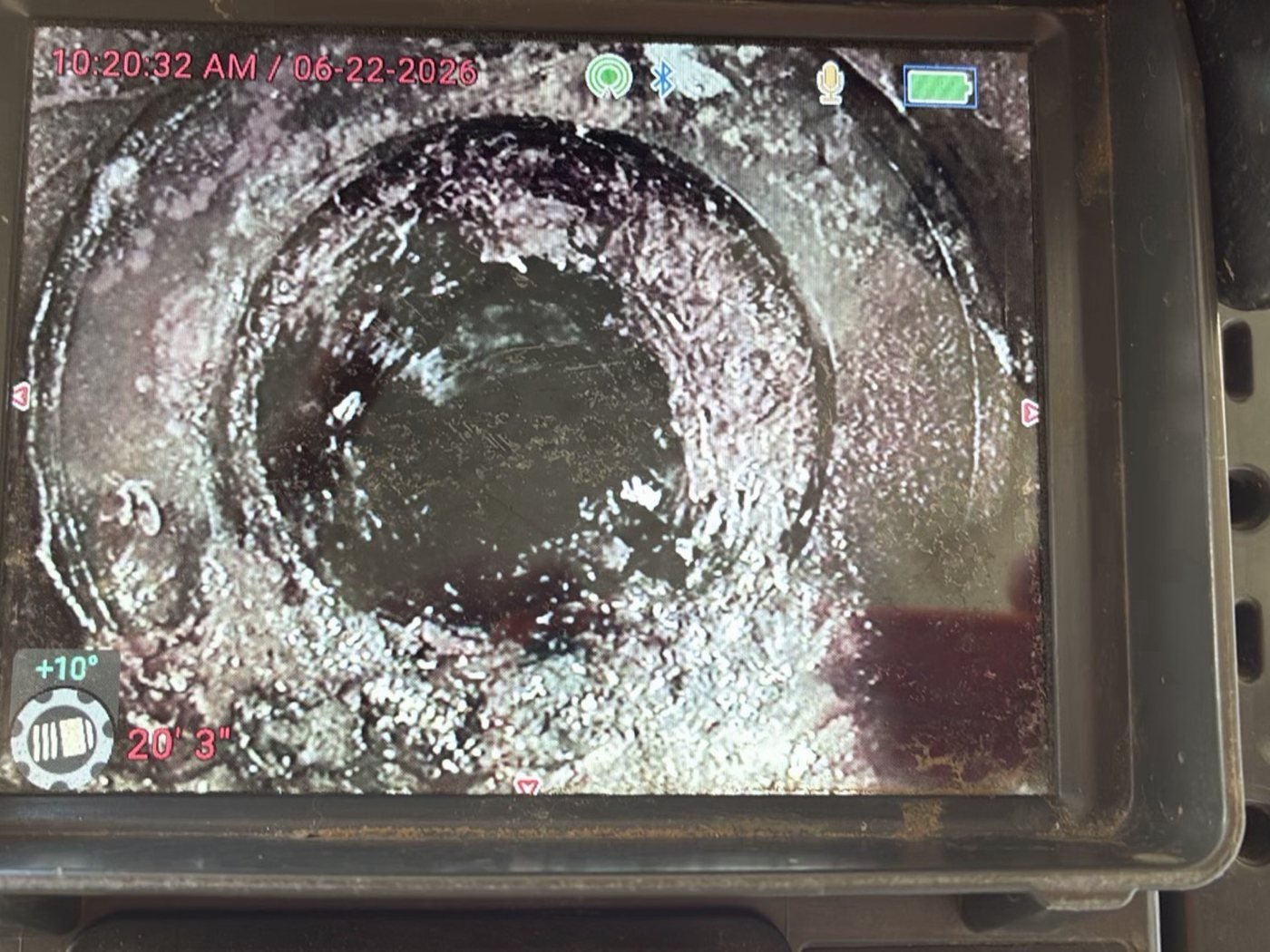
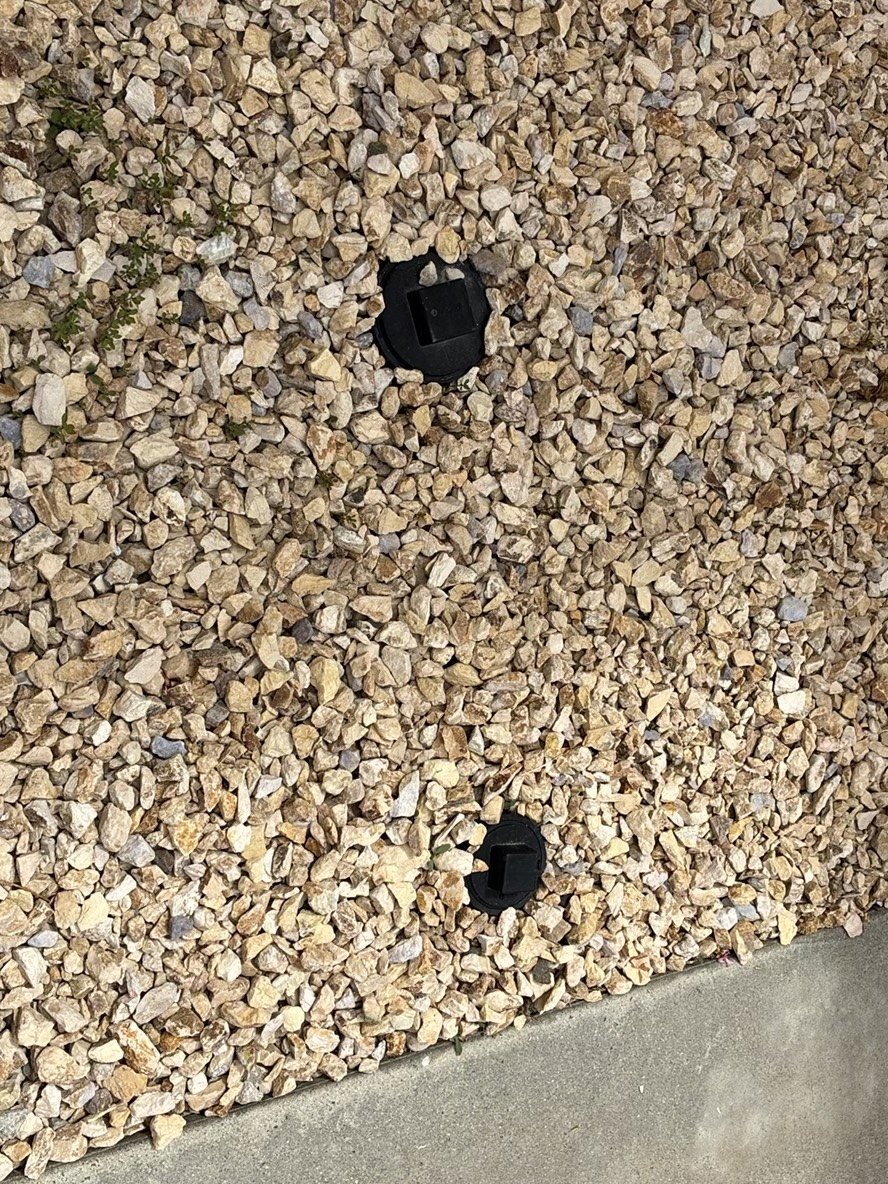
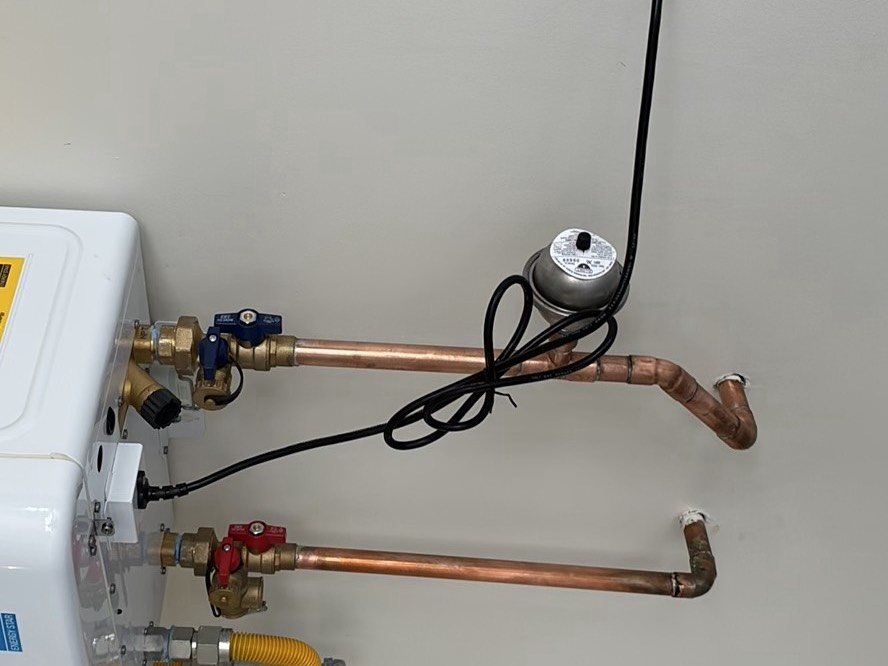
What the camera sees
Sewer scope documentation from recent San Diego County inspections.
More inspections in National City
- SB 721 exemption letter in National City
- Seller inspection in National City
- Warranty inspection in National City
- Commercial roof cleaning in National City
- Home inspection in National City
Nearby and countywide
Were You Happy With Your Inspection?
We are proud of our 4.9-star rating across 100+ Google reviews. If Joseph and the team did right by you, a quick Google review helps other San Diego County buyers and sellers find us.