
11-Month Warranty Inspection in National City, CA
National City is mostly old housing — bungalows and stucco boxes from the 1910s through the 1950s packed tight on small lots near the port — but it is not all old. Infill townhomes, small condo projects, and the occasional knock-down rebuild keep going up on the cleared parcels off Highland Avenue, near the 24th Street trolley, and in the blocks east toward the 805. If you bought one of those new units about a year ago, the builder handed you a one-year warranty along with the keys, and that coverage is close to expiring.
That first-year warranty is the one stretch where the company that built your unit returns and corrects its own workmanship and material defects on their dime — but only for items you put in writing before the anniversary date. Wait past it and a repair the builder owed becomes a bill you pay. I am Joseph Romeo, and the 11-month warranty inspection is built to beat that deadline: a full inspection run in month ten or eleven that itemizes every defect with a photo so you hand the builder one clean, submittable list while the coverage is still good. This page covers what the inspection reaches, the National City conditions that bring defects out, what I keep finding on these year-old units, and where my work stops. For resale buying and selling, start at the National City home inspection hub.
Call (619) 752-4399 Schedule an Inspection
What does the 11-month warranty inspection cover in a new National City unit?
This is the complete inspection, not the rushed orientation the builder gave you at closing. The aim is narrower in one sense and wider in another: I am after the workmanship, material, and system defects a first-year warranty is written to cover, and I document each so it survives the builder's warranty coordinator reading it back. On a year-old National City build — whether that is a detached infill home, an attached townhome, or a stacked condo — I work every accessible part:
- Foundation and structure: the slab edge on a new infill home, settlement cracks, drywall seams parting at corners, doors gone out of plumb, and floors that have shifted as the pad finished its first season.
- Roof and weather shell: the covering and underlayment, flashing at valleys and penetrations, stucco field cracking, weep screeds, deck and balcony waterproofing on attached units, and the sealant beads at windows and trim.
- Electrical: panel labeling, GFCI and AFCI protection where current code requires it, grounding, and the loose or reversed terminations a fast crew leaves behind.
- Plumbing: supply and drain joints, water-heater or tankless strapping and the drain pan, angle stops, hose bibs, and the slow seep that likes to hide behind a brand-new vanity or in a shared wall.
- Heating and cooling: airflow room to room, condensate routing, and whether a compact wall unit or mini-split actually conditions the upstairs of a three-story townhome the way it was sized to.
- Attic, insulation, and ventilation: insulation depth against the energy spec, missing baffles, and bath or dryer fans dumping into a cavity instead of venting out.
Each finding lands in a HomeGauge report with a photo and an exact location, sequenced so it reads like a warranty claim the builder can act on without a second visit to figure out where the item is.
Why do National City conditions bring year-one defects out?
A new National City unit sits in an unusual setting for new construction — squeezed into an old, dense, port-adjacent grid rather than spread across a fresh master-planned mesa — and that context surfaces its own pattern of first-year issues:
- Tight infill lots against aging neighbors. New units here go up on narrow parcels wedged between homes from the 1920s through the 1950s. Cramped setbacks concentrate grading, drainage, and stucco-to-soil clearance, and a builder rushing a tight footprint often leaves the final grade pitching runoff toward the new slab.
- Mixed and reworked soils. Many infill parcels were cleared of an older structure and regraded, so the new pad can sit on disturbed or imported fill. As that ground settles through its first wet-and-dry cycle, you see slab-edge cracks, separating baseboards, and binding doors — warranty items once they are on paper.
- Coastal marine air off the bay. National City sits low and close to San Diego Bay, so humidity and salt air work the shell harder than they would inland. Rushed flashing, thin sealant, and missed weep screeds show themselves faster here as staining and early corrosion at fasteners and exterior metal.
- Stacked and attached construction. Townhomes and condos bring shared walls, deck and balcony waterproofing, party-wall fire separation, and stacked plumbing — details a production crew can shortcut and that a quick builder walkthrough never reaches.
- A deadline that will not move. Builder workmanship coverage is a hard one-year window, and many warranty programs set their own claim cutoff earlier than the anniversary itself. Knowing your exact date is half the job.
Which defects show up most on year-old National City builds?
Across the new infill and attached product going up in National City, the warranty-period findings repeat in recognizable ways. Getting them documented now is what shifts the repair onto the builder instead of onto you next spring:
- Settlement cracking: hairline-to-wider cracks running off door and window corners, separation at crown and base, and the occasional racked door as a regraded pad and fresh framing settle.
- Shell and flashing misses: stucco field cracks, thin or skipped sealant at penetrations, and flashing or weep-screed details rushed on a tight elevation — the kind the bay's marine air punishes early.
- Deck and balcony waterproofing: on attached units, coating that was rushed at the threshold or the railing posts, where water finds its way into the framing below within the first year.
- Grading and drainage: soil mounded against the stucco, downspouts emptying at the foundation, and flatwork sloping back toward a unit on a cramped infill lot.
- HVAC shortfalls: upper-floor rooms that will not hold temperature, registers nobody balanced, and a wall unit or mini-split undersized for a three-story stack.
- Plumbing loose ends: seeps at supply connections, a water heater never strapped to California seismic spec, and angle stops that weep behind the finish.
- Fit-and-finish defects: nail pops across ceilings, drywall seams telegraphing through paint, windows that bind in their frames, grout cracking at tile transitions, and attic insulation left short over a garage or bonus room.
None of this means a bad builder. Year-one defects are normal on production-pace work. The value is in handing the warranty desk a complete, photo-backed list while they are still obligated to act on it.
How does the visit run and what report do you walk away with?
It starts with a call to (619) 752-4399 or an email with your National City address and your warranty expiration date. Timing drives everything: I book the visit for month ten or eleven so there is room to walk the unit, write the report, and get your list submitted before the date passes — builders do not extend a deadline you let slip. Dig out your warranty booklet first, since some programs run their own claim form and set a cutoff earlier than the one-year anniversary, and that shapes how I order the punch list.
On site I run the full inspection the way I would for any buyer — up on the roof for covering and flashing, across the stucco, the decks, and the lot for grading, into the panel and the plumbing, over the heating and cooling, through the attic where there is access, then room by room across every interior finish. Each defect gets a photo and a plain location so there is no guesswork when the builder's crew shows up to find it. On a three-story townhome I am usually on site a couple of hours, because the point is to leave nothing the warranty desk can wave off.
You get a complete HomeGauge report with a builder-ready summary of warrantable items, photos attached, turned around the same day or the next morning in most cases. I report observed condition only. I do not bid or perform repairs, I do not pressure-test plumbing for leaks, and I do not issue structural or engineering certifications. When a finding needs a leak pressure-test, a termite or WDO look, or a structural opinion, I say so plainly and coordinate or refer the right licensed specialist. That independence is exactly what keeps your list credible when it lands on the builder's desk.
Why do National City owners hand me the year-one walk?
A warranty inspection only earns its deadline pressure if the inspector can tell a genuine defect from normal first-year settling and knows which items a builder is actually obligated to fix. That judgment comes from doing the work, not reading a checklist. Your inspection is run by Joseph Romeo, an InterNACHI Certified Professional Inspector (CPI) who also holds a California CSLB General Contractor license (#1113143). On a warranty walk that contractor background is the whole point — I read new construction the way the crews who built it do, so I can separate cosmetic drying from a framing problem and describe each finding in terms a builder's warranty department respects, before you ever submit.
- 20-plus years and more than 10,000 inspections across San Diego County, including the older neighborhoods and newer infill of National City and the South Bay around it.
- 4.9 stars across 106 Google reviews from owners, buyers, and agents.
- Independent and conflict-free — I document what the unit shows and report it straight; I do not sell repairs, so nothing on your list is padded to win work.
For the record, I am InterNACHI CPI and CSLB-licensed, not an ASHI or CREIA member, and I do not post flat prices, since the fee depends on the unit. Reach me at joe@sandiegohomeinspection.com or the number above.
Which related inspections are worth pairing in National City?
The 11-month warranty inspection is the priority for a year-old unit, but a few add-ons fold neatly into the same National City visit, and I can line them up on one trip:
- Sewer scope — a camera down the lateral, worth it even on a new build, where construction debris, a belly, or a poor tie-in can sit in the line, and where a brand-new connection runs out to an old municipal main under an old street.
- Thermal / infrared imaging — reads hidden moisture at a rushed flashing or deck detail, missing attic insulation, and overloaded circuits behind a finished wall, often the items a quick warranty walk misses, and especially useful given the bay's marine air.
- Roof inspection — a deeper standalone read on the covering, underlayment, and flashing if the first year has already loosened or lifted a section.
- Full buyer's home inspection — the same complete scope if you are weighing a National City resale rather than chasing a builder deadline; start at the National City hub.
Not sure what your year-old unit needs? Send the address and I will tell you what genuinely applies — see all inspection services we offer or get a quote through contact.
National City 11-Month Warranty Inspection FAQs
When should I schedule my 11-month warranty inspection in National City?
Do warranty inspections even apply in National City? Most homes here are old.
My townhome has shared walls and a balcony. Does that change the inspection?
My National City unit has drywall cracks. Will the builder fix them?
Does National City's location near the bay matter for this inspection?
What does an 11-month warranty inspection cost in National City?
New-home documentation
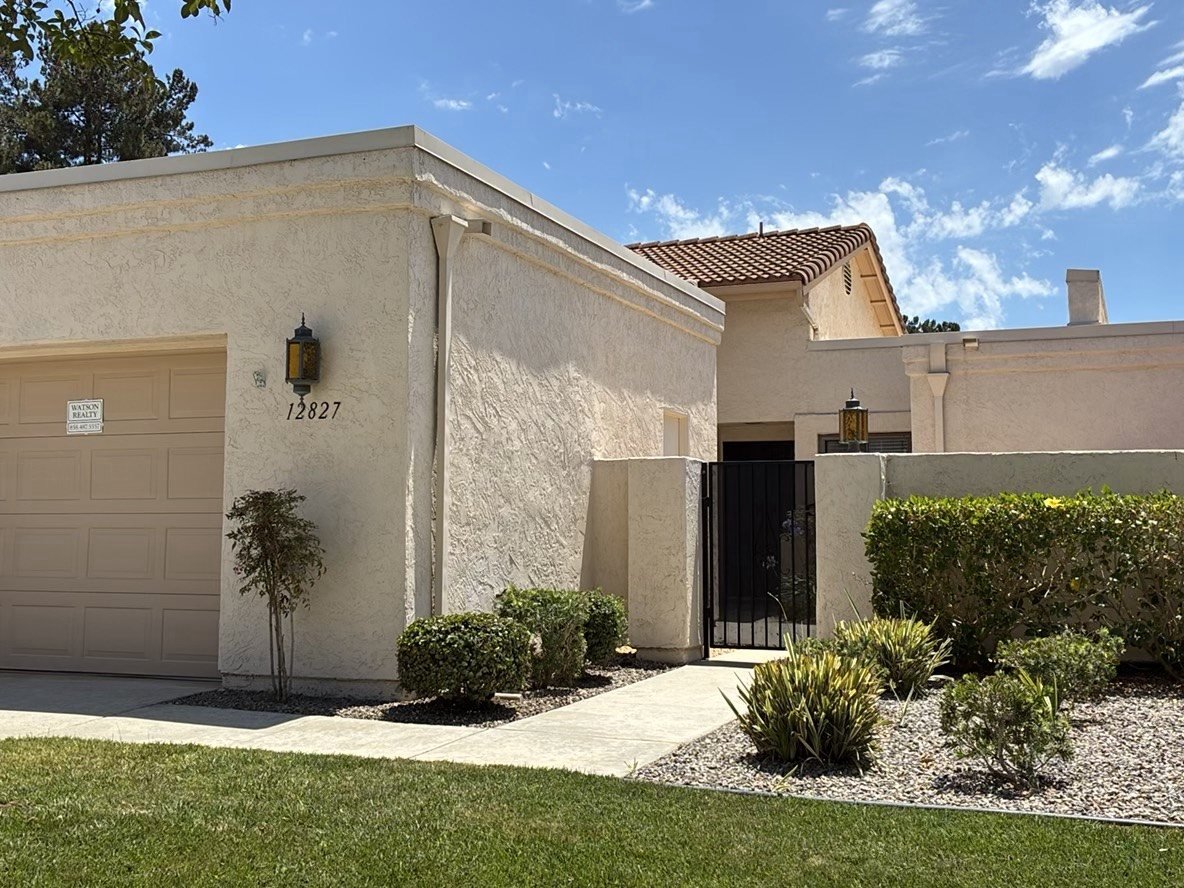
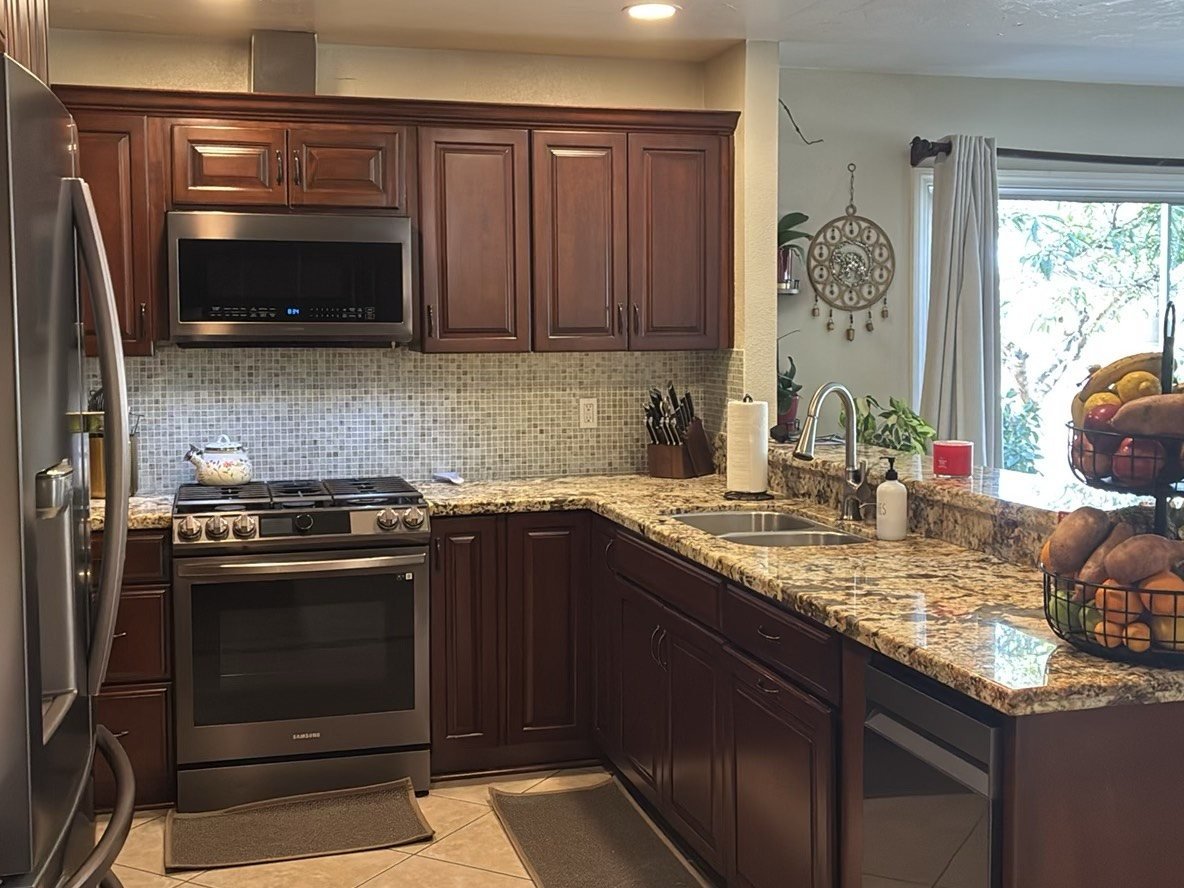
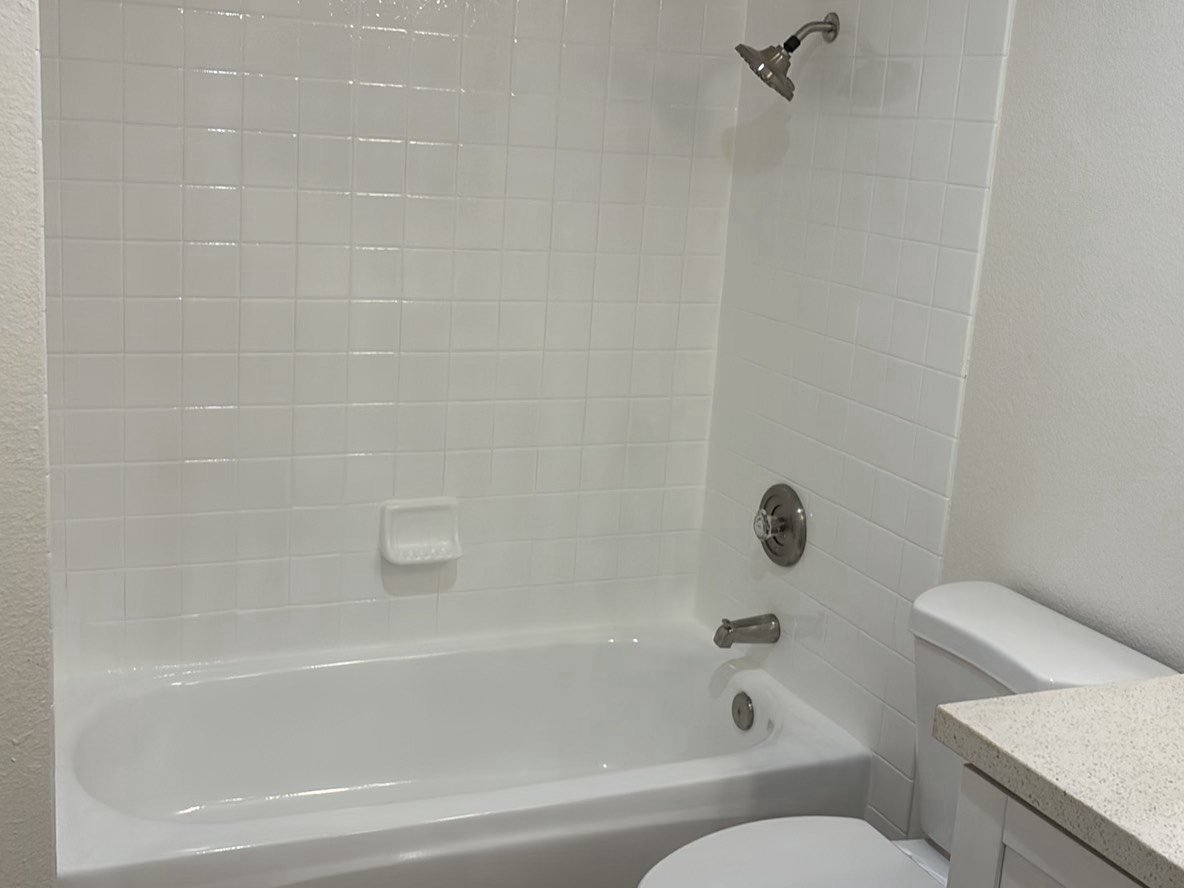
Photos from 11-month builder warranty inspections of newer San Diego homes.
More inspections in National City
- Seller inspection in National City
- Commercial roof cleaning in National City
- Commercial inspection in National City
- Pool and spa inspection in National City
- Home inspection in National City
Nearby and countywide
Were You Happy With Your Inspection?
We are proud of our 4.9-star rating across 100+ Google reviews. If Joseph and the team did right by you, a quick Google review helps other San Diego County buyers and sellers find us.